





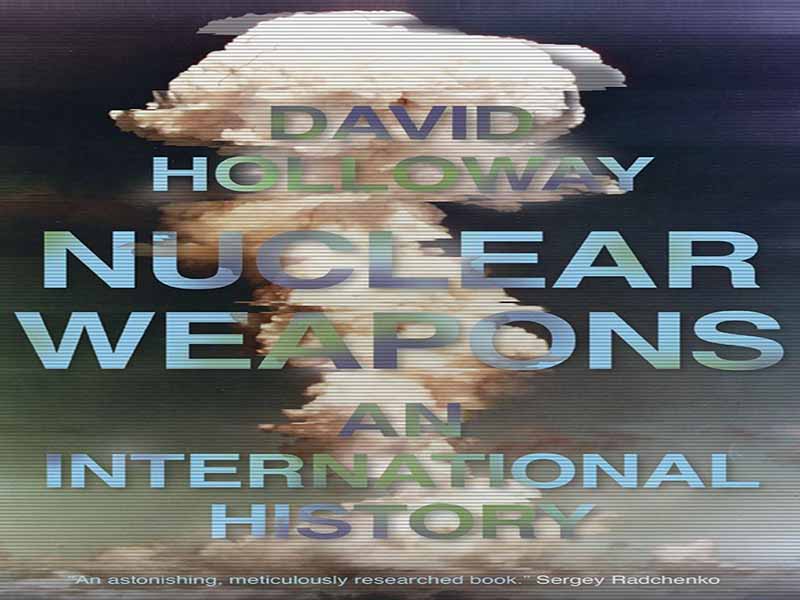
- عنوان کتاب: Nuclear Weapons An International History
- نویسنده: David Holloway
- حوزه: سلاح هستهای
- سال انتشار: 2026
- تعداد صفحه: 721
- زبان اصلی: انگلیسی
- نوع فایل: pdf
- حجم فایل: 4.71 مگابایت
باعث افتخار و همچنین وظیفه است که از کمکی که در نوشتن این کتاب دریافت کردم، قدردانی کنم. ابتدا میخواهم از همکارانم در مرکز امنیت و همکاری بینالمللی (CISAC) در دانشگاه استنفورد تشکر کنم. کار من توسط CISAC شکل گرفته و غنی شده است. جان لوئیس و سیدنی درل این مرکز را در اوایل دهه 1980 تأسیس کردند و یک جامعه چند رشتهای قوی ایجاد کردند. من این فرصت را داشتهام که با همکارانم در این مرکز، از جمله جان لوئیس، سیدنی درل، فیلیپ فارلی، جورج بان، که همگی اکنون فوت کردهاند، و همچنین با ویلیام پری، مایکل می، اسکات ساگان، لین ادن، زیگفرید هکر، لئونارد وایس، تام فینگار، پاول پودویگ و رز گوتمولر، همکاری کنم و از آنها بیاموزم. CISAC با همتایان خود در چین و اتحاد جماهیر شوروی/روسیه ارتباط برقرار کرد تا کارگاهها و پروژههای مشترکی ترتیب دهد. این جلسات به تاریخ اختصاص نداشت، اما بینشهایی در مورد چگونگی درک و صحبت در مورد مسائل در کشورهای مختلف ارائه میداد. من از آن جلسات چیزهای زیادی آموختم. من به ویژه از لئونید ریابیخین، دبیر اجرایی کمیته دانشمندان امنیت جهانی و کنترل تسلیحات در مسکو، به خاطر همکاری در ترتیب دادن جلسات در طول بیش از سی سال، تشکر میکنم. همچنین از آلا کاسیانووا، که از طرف استنفورد برای عملی کردن این ارتباطات تلاش زیادی کرد، سپاسگزارم. من این فرصت را داشتهام که با دانشجویان پیش و پسادکترا در CISAC، از جمله لیات بتر، استیون بوئونو، جیمز کامرون، دباک داس، ادوارد گایست، توشیهیرو هیگوچی، جاناتان هانت، یوگش جوشی، آندریاس لوچ، رایان موستو، بنوا پلوپیداس، فرزان ثابت، ماگدا استاوکوفسکی، جوزف توریگیان، کریستین ون بروسگارد، سانه ورشورن و آنا وایکسلبراون، همکاری کنم. از گفتگو با آنها بسیار بهره بردم. در سال ۲۰۰۶، جورج شولتز و سیدنی درل کنفرانسی را در موسسه هوور به مناسبت بیستمین سالگرد دیدار ریکیاویک بین رونالد ریگان و میخائیل گورباچف برگزار کردند. هدف، احیای چشمانداز جهانی بدون سلاحهای هستهای بود. من از فرصتی که برای شرکت در پروژهای که از آن کنفرانس حاصل شد، با همکاری نزدیک با دو برگزارکننده و جیمز گودبی، سپاسگزارم. همکارانم در استنفورد به طرق مختلف – در بحث در مورد ایدهها و تفسیر رویدادهای خاص؛ در ارائه اسناد و شناسایی منابع امیدوارکننده؛ در خواندن و اظهار نظر در مورد پیشنویسها – مفید بودهاند. من از کمکی که از آلن انتوون، جیم فیرون، گیل-لی واردی، امیر واینر و فیلیپ زلیکوف دریافت کردم، بسیار سپاسگزارم. من به ویژه مدیون نورمن نیمارک و جیم شیهان هستم. همکارانم در مؤسسات دیگر نیز به همین ترتیب مفید بودهاند: رابیا اختر، ماریانا بودجرین، متیو اوانجلیستا، فرانک گاوین، تسویوشی هاسگاوا، جاناتان هاسلام، متیو جونز، مارک کرامر، الی لویت، میلتون لایتنبرگ، اوری رابینوویتز و میخائیل تسیپکین. در طول سالها، من سمینارهایی را در مورد مسائل هستهای تدریس میکردم. شرکای من ولادیسلاو زوبوک، بارتون برنشتاین، تئودور پوستول و آندریاس لوچ بودند که از همه آنها چیزهای زیادی برای یادگیری داشتم. من از شرکت در پروژه تاریخ بینالمللی گسترش سلاحهای هستهای (NPIHP) به سرپرستی لئوپولدو نوتی از دانشگاه روما تره و کریستین اوسترمن از مرکز ویلسون در واشنگتن دی سی، بسیار بهره بردم. هر ساله، NPIHP پانزده دانشجوی تحصیلات تکمیلی را از سراسر جهان که در زمینه تاریخ هستهای کار میکنند، برای یک “اردوی آموزشی” ده روزه گرد هم میآورد. همکاری با اساتید و تدریس در کنار مرحوم مارتین شروین، و همچنین همکاری با لئوپولدو نوتی، جوردانا پولچینی، الیزابت روهرلیچ، کریستین اوسترمن، متیو جونز، تام بلانتون، سوتلانا ساورانسکایا، جایتا سارکار، جوزف پیلات و دیگران، بسیار لذتبخش بود. من خوششانس بودهام که دستیاران تحقیقاتی بسیار خوبی در استنفورد داشتهام، از جمله آلیشا آدام، آنیا وودوپیانوف، سادیکا حمید و سیما گاندی. به ویژه دانشجویانی که به دنبال مطالبی در مورد چین بودند و آن اسناد را برای من ترجمه کردند، به من کمک کردند: لیان چن، لورا کونیگلیارو، سابرینا جیانگ، هانا دی جورج مولر، هائو یان و آنجلا ژانگ. وانگ تینگ برخی از مطالب فنی را ترجمه کرد. الکسی چرنیاوسکی در بایگانیهای مسکو به دنبال مطالب مرتبط گشت، در حالی که شوبرا چاتورودی فایلهای مورد علاقه را در بایگانی ملی بریتانیا در کیو شناسایی کرد. من مدیون آرشیویستهای زیادی در ایالات متحده، بریتانیا، آلمان و روسیه هستم، جایی که در آنجا تحقیقاتی انجام دادهام. آرشیو موسسه هوور منبع بسیار خوبی بوده است. آرشیوهای دیجیتال نیز مهم بودهاند. مجموعه اسناد چینی و هندی در آرشیو دیجیتال مرکز ویلسون به ویژه مفید بودهاند. آرشیو امنیت ملی، که دسترسی به مجموعهای بزرگ از اسناد – عمدتاً آمریکایی و شوروی/روسیه – را فراهم میکند، نیز یک دارایی بزرگ بوده است، و ویلیام بور راهنمای بسیار مفیدی برای اسناد موجود است. کتابخانه الکترونیکی روساتم منبعی ضروری برای هر کسی است که در مورد تاریخ هستهای شوروی تحقیق میکند. در طول نگارش این کتاب، من خوش شانس بودهام که در موسسه نوبل در اسلو، در کالج پمبروک، وقت بگذرانم.
It is a pleasure as well as a duty to acknowledge the help I received when writing this book. I first want to thank colleagues at the Center for International Security and Cooperation (CISAC) at Stanford University. My work has been shaped and enriched by CISAC. John Lewis and Sidney Drell established the Center in the early 1980s, creating a strong multidisciplinary community. I have had the opportunity to work with, and to learn from, colleagues at the Center, among them John Lewis, Sidney Drell, Philip Farley, George Bunn, all now deceased, and with William Perry, Michael May, Scott Sagan, Lynn Eden, Siegfried Hecker, Leonard Weiss, Tom Fingar, Pavel Podvig, and Rose Gottemoeller. CISAC stablished contact with counterparts in China and the Soviet Union/Russia to arrange workshops and joint projects. These meetings were not devoted to history, but they provided insights into how issues were understood and talked about in different countries. I learned a lot from those meetings. I owe particular thanks to Leonid Riabikhin, Executive Secretary of the Committee of Scientists for Global Security and Arms Control in Moscow, for cooperating in arranging meetings over a period of more than thirty years. Thanks are due also to Alla Kassianova, who did a great deal from the Stanford side to make those contacts work. I have had the opportunity to work with predoctoral and postdoctoral fellows at CISAC, among them Leyatt Betre, Stephen Buono, James Cameron, Debak Das, Edward Geist, Toshihiro Higuchi, Jonathan Hunt, Yogesh Joshi, Andreas Lutsch, Ryan Musto, Benoît Pelopidas, Farzan Sabet, Magda Stawkowski, Joseph Torigian, Kristin ven Bruusgaard, Sanne Verschuren, and Anna Weichselbraun. I benefited greatly from conversations with them. In 2006 George Shultz and Sidney Drell organized a conference at the Hoover Institution to mark the 20th anniversary of the Reykjavik meeting between Ronald Reagan and Mikhail Gorbachev. The aim was to rekindle the vision of a world without nuclear weapons. I am grateful for the opportunity to take part in the project that emerged from that conference, working closely with the two organizers and with James Goodby. Colleagues at Stanford have been helpful in various ways – in discussing ideas and the interpretation of specific events; in providing documents and identifying promising sources; in reading and commenting on drafts. I am very grateful for the help I received from Alain Enthoven, Jim Fearon, Gil-li Vardi, Amir Weiner and Philip Zelikow. I owe a particular debt to Norman Naimark and Jim Sheehan. Colleagues at other institutions have been similarly helpful: Rabia Akhtar, Mariana Budjeryn, Matthew Evangelista, Frank Gavin, Tsuyoshi Hasegawa, Jonathan Haslam, Matthew Jones, Mark Kramer, Eli Levite, Milton Leitenberg, Ori Rabinowitz, and Mikhail Tsypkin. Over the years I co-taught seminars on nuclear questions. My partners were Vladislav Zubok, Barton Bernstein, Theodore Postol, and Andreas Lutsch, from all of whom I had much to learn. I benefited greatly from taking part in the Nuclear Proliferation International History Project (NPIHP) headed by Leopoldo Nuti of Roma Tre University and Christian Ostermann of the Wilson Center in Washington DC. Each year, the NPIHP has brought together from around the world fifteen graduate students working on nuclear history for a ten-day “boot camp.” It was a great pleasure to engage with the fellows and to teach with the late Martin Sherwin, to have as colleagues Leopoldo Nuti, Giordana Pulcini, Elisabeth Roehrlich, Christian Ostermann, Matthew Jones, Tom Blanton, Svetlana Savranskaya, Jayita Sarkar, Joseph Pilat, and others. I have been fortunate to have excellent research assistants at Stanford, among them Alisha Adam, Anya Vodopyanov, Sadika Hameed, and Sima Gandhi. I was particularly helped by students who searched for materials on China and translated those documents for me: Liyan Chen, Laura Conigliaro, Sabrina Jiang, Hannah DeGeorge Mueller, Hao Yan, and Angela Zhang. Wang Ting translated some technical materials. Alexey Chernyavskii searched in Moscow archives for relevant material, while Shubhra Chaturvedi identified files of interest in the UK National Archives at Kew. I owe a great deal to archivists in the United States, Britain, Germany and Russia, where I have conducted research. The Hoover Institution’s Archives have been a great resource. Digital archives have been important too. The collections of Chinese and Indian documents at the Wilson Center’s digital archive have been especially helpful. The National Security Archive, which provides access to a large array of documents – mainly U.S. and Soviet/Russian – has been a great asset too, and William Burr a very helpful guide to the available documents. Rosatom’s Electronic Library is an essential resource for anyone doing research on Soviet nuclear history. During the writing of this book, I have been fortunate to spend time at the Nobel Institute in Oslo, at Pembroke College Cambridge, and at the Center for Advanced Study in the Behavioral Sciences at Stanford. I am grateful to the Smith Richardson Foundation, which generously awarded me a grant to support the writing of this book. I want also to acknowledge support from the MacArthur Foundation and the Carnegie Corporation of New York for other projects in the period in which I worked on this book. Heather McCallum, Rachael Lonsdale, Katie Urquhart, and Natalie Parker-Burlton of Yale University Press have managed to convert an unruly manuscript into a book. I am most grateful to them for that. As the recipient of so much help, I alone am responsible for errors and deficiencies, for the book’s imperfections. My greatest debt is to my wife, Arlene, who put up with my absences when I was traveling to do research, and with my presence at home when I was writing the book. I dedicate it to her, with my love.
این کتاب را میتوانید از لینک زیر بصورت رایگان دانلود کنید:
Download: Nuclear Weapons An International History




















نظرات کاربران