











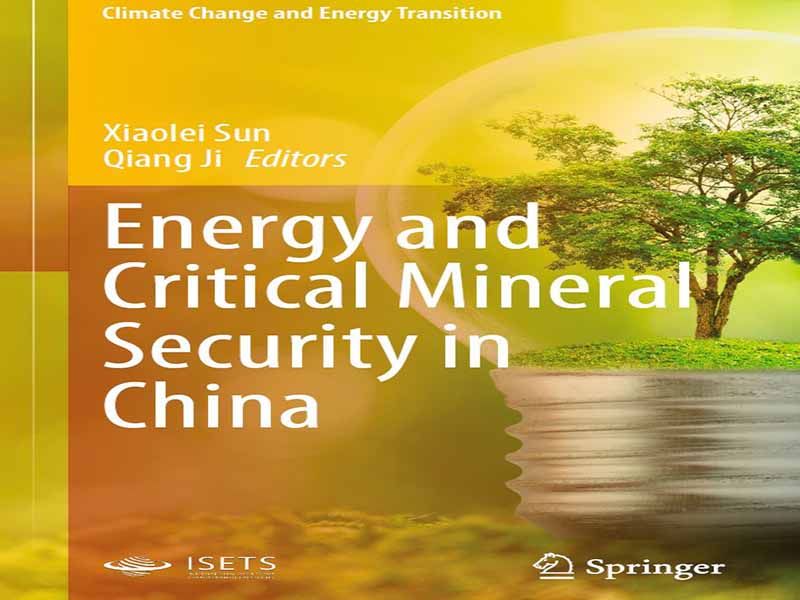
- عنوان کتاب: Energy and Critical Mineral Security in China
- نویسنده: Xiaolei Sun, Qiang Ji, Dayong Zhang
- حوزه: امنیت انرژی
- سال انتشار: 2025
- تعداد صفحه: 267
- زبان اصلی: انگلیسی
- نوع فایل: pdf
- حجم فایل: 12.5 مگابایت
این کتاب بر نقاط حساس و مسائل مرزی استراتژی امنیت منابع انرژی چین تمرکز دارد و هدف آن توسعه یک چارچوب کلی برای درک چشمانداز امنیتی جدید ساخت یک سیستم انرژی مدرن و تسریع گذار کم کربن است. این کتاب تلاش میکند تا مسائل اصلی امنیت انرژی و منابع معدنی حیاتی را در فرآیند گذار کم کربن فعلی و آینده چین ترسیم کند و ترکیبی از تحلیلهای نظری و تجربی را در مورد مسائل حیاتی ارائه دهد.
با توسعه جهانی شدن، انرژی و امنیت مواد معدنی حیاتی به اجزای حیاتی استراتژیهای توسعه کشورهای مختلف تبدیل شدهاند. انرژی پایه و اساس بقا و توسعه جامعه مدرن و نیروی محرکه برای عملکرد اقتصاد جهانی است. منابع معدنی حیاتی، به عنوان سنگ بنای ضروری برای فرآیندهای صنعتی نوظهور استراتژیک، مانند تبدیل انرژی سبز و کم کربن و تولید تجهیزات پیشرفته، به طور فزایندهای در موقعیت استراتژیک کشورهای سراسر جهان در دستیابی به جایگاه برتر دور جدیدی از انقلاب فناوری و تحول صنعتی برجسته شدهاند. به ویژه با افزایش تقاضای جهانی برای انرژیهای تجدیدپذیر، منابع انرژی پاک، مانند برق، انرژی باد و انرژی خورشیدی، به طور گسترده مورد استفاده قرار میگیرند. اهمیت منابع معدنی حیاتی مانند لیتیوم، کبالت و نیکل که از تولید، ساخت و نوآوریهای تکنولوژیکی این صنایع پشتیبانی میکنند، به طور فزایندهای برجسته میشود. با پیروی از دیدگاه آژانس بینالمللی انرژی در مورد اینکه “آیا مواد معدنی فلزی حیاتی میتوانند از تحول کم کربن انرژی آینده پشتیبانی کنند” به عنوان یک چالش بزرگ جهانی، گزارش “وضعیت و چشماندازهای اقتصادی جهان در سال 2024” سازمان ملل متحد بار دیگر بر نقش اساسی منابع معدنی در تولید صنعتی، تأمین انرژی و ساخت زیرساختها تأکید میکند.
انرژی و امنیت مواد معدنی حیاتی سیستمهای پیچیدهای هستند که به هم مرتبط و وابستهاند. از یک سو، امنیت تأمین منابع معدنی حیاتی مستقیماً بر امنیت تولید و مصرف انرژی تأثیر میگذارد، مانند پنلهای خورشیدی که به سیلیکون نیاز دارند، باتریهای لیتیومی برای وسایل نقلیه الکتریکی که به لیتیوم نیاز دارند و توربینهای بادی که به عناصر خاکی کمیاب نیاز دارند. از سوی دیگر، امنیت تأمین انرژی نیز بر توسعه و بهرهبرداری از منابع معدنی حیاتی تأثیر خواهد گذاشت، مانند نوسانات قیمت انرژی که بر هزینههای استخراج و قیمت بازار منابع معدنی حیاتی تأثیر میگذارد و وقفه در تأمین انرژی که بر فرآوری و حمل و نقل منابع معدنی حیاتی تأثیر میگذارد. بنابراین، در عصر آینده انرژیهای تجدیدپذیر، رابطه بین انرژی و مواد معدنی حیاتی بسیار نزدیک شده است. با رشد انفجاری کاربردهای فناوری انرژی پاک، تقاضا برای مواد معدنی حیاتی، که شامل لیتیوم، نیکل، کبالت و مس میشوند، افزایش یافته است. مواد معدنی حیاتی به سنگ بنای مهمی برای تحول سبز و کم کربن انرژی تبدیل شدهاند. بنابراین، برای دستیابی به امنیت انرژی و مواد معدنی حیاتی، مفهوم امنیت منابع که صرفاً مبتنی بر امنیت تأمین خود باشد، محدودیتهایی دارد و باید فوراً یک مفهوم امنیت منابع بینگروهی ایمن، پایدار و پایدار ایجاد شود.
بیستمین کنگره ملی حزب کمونیست چین (CPC) بر لزوم تعمیق انقلاب انرژی، تسریع برنامهریزی و ساخت نوع جدیدی از سیستم انرژی، ترویج تحول پاک کمکربن انرژی و اجرای اقدامات مربوط به اوج کربن به صورت برنامهریزی شده و مرحلهای تأکید میکند. چین در ابتدا یک سیستم تولید انرژی متنوع را تشکیل داد که توسط زغال سنگ، نفت، گاز طبیعی، برق، انرژی هستهای، انرژیهای نو و انرژیهای تجدیدپذیر هدایت میشد. با این حال، پایداری سیستم جامع منابع معدنی انرژی آینده با انرژیهای نو به عنوان بدنه اصلی، پیچیدهتر است.
در پسزمینه توسعه سبز «اوج کربن و خنثیسازی کربن»، سرعت فزاینده تحول انرژی و تکامل سیستم انرژی، به طور مداوم به مفهوم امنیت منابع، ویژگیهای جدید زمانه را میبخشد و به تدریج از امنیت عرضه اولیه به امنیت منابع معدنی استراتژیک که مسائل حفاظت از محیط زیست و تغییرات اقلیمی را پوشش میدهد، گسترش مییابد و طیف وسیعتری از مفاهیم و بسطها را در بر میگیرد. با تسریع تلاشهای جهانی برای مقابله با تغییرات اقلیمی و تحول کم کربن، هنوز خطر کمبود ساختاری انرژی و منابع معدنی حیاتی در چین وجود دارد. در آینده، بازی ژئوپلیتیک جهانی پیرامون انرژیهای جدید و مواد معدنی حیاتی به طور فزایندهای تشدید خواهد شد.
با هدف برآورده کردن منافع گسترده دانشگاهیان و سیاستگذاران، محتوای این کتاب از بحثهای کلی در مورد مسائل حیاتی فعلی در امنیت انرژی و منابع معدنی چین تا تجزیه و تحلیلهای کمی از موضوعات کلیدی را در بر میگیرد. امیدواریم تصویری کلی ارائه دهیم.
This book focuses on the hotspots and frontier issues of China’s energy resource security strategy, aiming to develop a general framework for understanding the new security landscape of constructing a modern energy system and accelerating the low-carbon transition. It attempts to sketch out the core issues of energy and critical mineral resource security in China’s current and future low-carbon transition process and brings forward a combination of theoretical and empirical analyses on the critical issues.
With the development of globalization, energy and critical mineral security have become crucial components of the development strategies of various countries. Energy is the foundation for the survival and development of modern society, and the driving force for the operation of the world economy. Critical mineral resources, as an indispensable material cornerstone for strategic emerging industrial processes, such as green and low-carbon energy transformation and high-end equipment manu-facturing, have become increasingly prominent in the strategic position of countries around the world in seizing the high ground of a new round of technological revo-lution and industrial transformation. Especially with the surge in global demand for renewable energy, clean energy sources, such as electricity, wind energy, and solar energy, are widely used. The importance of critical mineral resources, such as lithium, cobalt, and nickel, that support the production, manufacturing, and technological innovation of these industries is becoming increasingly prominent. Following the International Energy Agency’s view of “whether critical metal minerals can support the low-carbon transformation of future energy” as a major global challenge, the United Nations’ “2024 World Economic Situation and Prospects” report once again emphasizes the cornerstone role of mineral resources in industrial manufacturing, energy supply, and infrastructure construction.
Energy and critical mineral security are complex systems that are interrelated and interdependent. On the one hand, the supply security of critical mineral resources directly affects the production and consumption security of energy, such as solar panels requiring silicon, lithium batteries for electric vehicles requiring lithium, and wind turbines requiring rare earths. On the other hand, the security of the energy supply will also affect the development and utilization of critical mineral resources, such as fluctuations in energy prices affecting the mining costs and market prices of critical mineral resources, and interruptions in energy supply affecting the processing and transportation of critical mineral resources. Thus, in the future era of renewable energy, the relationship between energy and critical minerals has become very close. With the explosive growth of clean energy technology applications, the demand for critical minerals, represented by lithium, nickel, cobalt, and copper, has surged. Critical minerals have become an important cornerstone for the green and low-carbon transformation of energy. Therefore, to achieve energy and critical mineral security, the resource security concept based solely on its own supply security has limitations, and a safe, stable, and sustainable cross-category resource security concept needs to be urgently established.
The 20th National Congress of the Communist Party of China (CPC) emphasizes the need to deepen the energy revolution, accelerate the planning and construction of a new type of energy system, promote energy low-carbon clean transformation, and implement carbon peak actions in a planned and phased manner. China initially formed a diversified energy production system driven by coal, oil, natural gas, elec-tricity, nuclear energy, new energy, and renewable energy. However, future energy mineral resource comprehensive system stability with new energy as the main body is more complex.
Against the background of green development of “carbon peak and carbon neutrality,” the accelerated pace of energy transformation and energy system evolu-tion will continuously endow the connotation of resource security with new charac-teristics of the times, gradually extending from the initial supply security to strategic mineral resource security covering environmental protection and climate change issues, involving a wider range of connotations and extensions. With the accelera-tion of global efforts to address climate change and low-carbon transformation, there is still a risk of structural energy and critical mineral resource shortages in China. In the future, the global geopolitical game around new energy and critical minerals will become increasingly intense.
Aiming to satisfy the broad interests of both academia and policymakers, the contents of this book range from general discussions of current critical issues in China’s energy and mineral resource security to quantitative analyses of key themes. We hope to bring forward a general picture of resource security in China’s low-carbon transition, facilitating demands for both academic research and policy-making. The book should also provide good guidance for graduate students interested in this subject. The main content of this book is based on solid research outcomes but with clear policy relevance. The book combines the strategy and planning of resource sectors with the practical experience of the energy and mining industry, reflecting the complexity and systematization of energy resource security. The materials presented can provide useful knowledge to policymakers as well as inspire new research ideas in relevant areas.
این کتاب را میتوانید از لینک زیر بصورت رایگان دانلود کنید:





















نظرات کاربران