











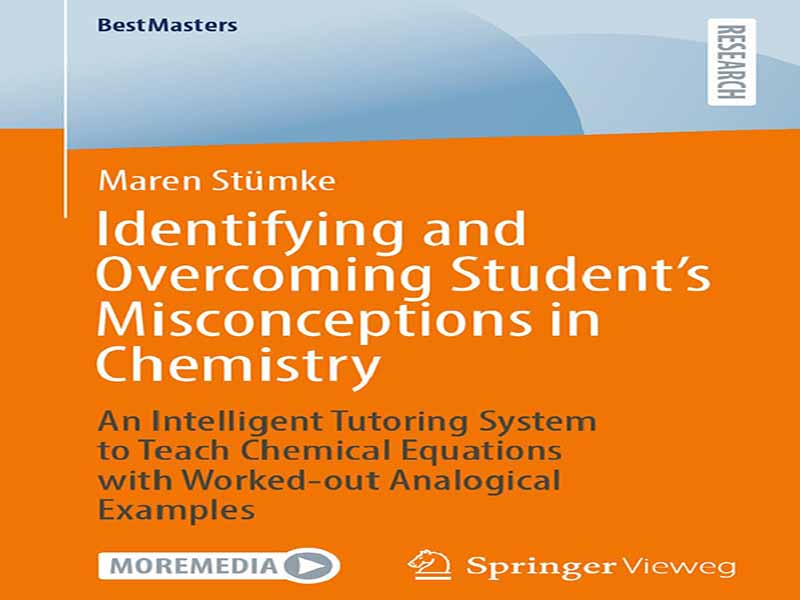
- عنوان کتاب: Identifying and Overcoming Student’s Misconceptions in Chemistry
- نویسنده: Maren Stümke
- حوزه: مبانی شیمی
- سال انتشار: 2026
- تعداد صفحه: 123
- زبان اصلی: انگلیسی
- نوع فایل: pdf
- حجم فایل: 3.17 مگابایت
مثال فوق نمونهای از قیاس (تمثیل) است: ساختارِ نهفته در جملات برای تبیین ارتباط میان جنبههای گوناگون به کار گرفته شده است. اگرچه قیاسها اغلب به عنوان نوعی استدلال مبتنی بر عقل سلیم و برای برجسته ساختن درک یک نکته از طریق مقایسه دو شیء یا ایده به کار میروند (Pritchard, 2018)، اما در استدلالهای قیاسی (استنتاجی) سطحبالا و برای درک روابط انتزاعی میان اشیاء نیز مفید هستند. توجه کنید که آلبرت اینشتین در نقلقول بالا از قیاس برای توضیح فناوریای استفاده میکند که در آن زمان جدید و پیچیده بوده، اما به واسطهی همان قیاس، درک آن کاملاً ساده به نظر میرسد. قیاسهایی با الگوی «الف نسبت به ب، همانند ج نسبت به د است» سازوکاری بنیادین در علوم شناختی محسوب میشوند، بهویژه در حوزههای یادگیری، حل مسئله و انتقال دانش میان قلمروهای مختلف. استدلال قیاسی به شکلگیری مدلهای ذهنی میانجامد که خود میتوانند زمینه را برای درک قلمروهای جدید فراهم آورند. بدین ترتیب، استدلال قیاسی یادگیری را تقویت میکند: ما با درک پیوندِ برقرارشده میان اشیاء یا قلمروهای گوناگون، دانش خود را از نمونههای شناختهشده به قلمرویی ناشناخته منتقل میکنیم و بدینسان، چیزی تازه میآموزیم.
The example above constitutes an analogy: The structure inherent to the sentences is used to explain a connection between different aspects. Although analogies are often used as a type of common-sense reasoning, to underline the understanding of the point one makes by comparing two objects or ideas (Pritchard, 2018), they are also useful for higher-order, deductive reasoning, for understanding abstract relations between objects.1 Consider that in the quote above Albert Einstein uses an analogy to explain (at the time) a new and complicated technology which nevertheless seems perfectly easy to understand because of the analogy. Analogies of the form “A is to B as C is to D” are an essential mechanism in cognitive sciences, especially regarding learning, problem-solving, and transfer across domains. Analogical reasoning results in mental models which—in turn—may lead to the understanding of new domains. Reasoning by analogy thereby fosters learning: By understanding the connection drawn between different objects or domains, we transfer our knowledge from known examples onto an unknown domain—and learn something new.
این کتاب را میتوانید از لینک زیر بصورت رایگان دانلود کنید:
Download: Identifying and Overcoming Student’s Misconceptions in Chemistry























نظرات کاربران