













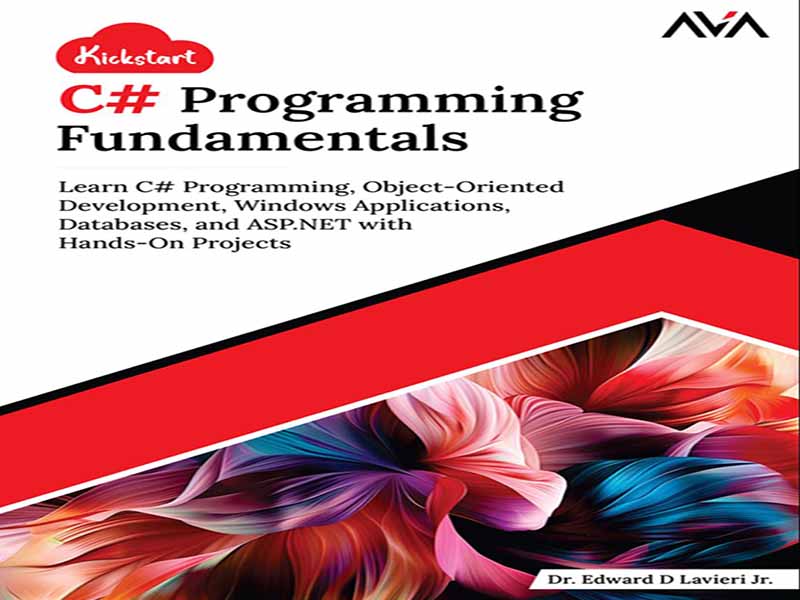
- عنوان کتاب: Kickstart C# Programming -Fundamentals Learn C# Programming, Object-Oriented Development, Windows Applications, Databases and ASP.NET with Hands-On Projects
- نویسنده: Edward D Lavieri Jr
- حوزه: برنامهنویسی #C
- سال انتشار: 2026
- تعداد صفحه: 674
- زبان اصلی: انگلیسی
- نوع فایل: pdf
- حجم فایل: 5.93 مگابایت
این کتاب مفاهیم بنیادی و کاربردی برنامهنویسی سیشارپ را پوشش میدهد و بر اهمیت توسعهی ساختاریافتهی نرمافزار با استفاده از ابزارها و شیوههای مدرن تأکید میکند. این کتاب نقش سیشارپ را در اکوسیستم گستردهتر داتنت معرفی میکند و نحوهی استفاده از آن را در توسعهی برنامههای کاربردی در دنیای واقعی نشان میدهد. این کتاب برای ایجاد درک قوی از اصول برنامهنویسی طراحی شده است و در عین حال نحوهی بهکارگیری این مهارتها در محیطهای صنعتی را برجسته میکند. این کتاب مفاهیم اصلی مانند ساخت منطق، حل مسئله و تفکر شیگرا را که برای هر توسعهدهندهی مشتاقی ضروری است، تقویت میکند. این کتاب با اصول اولیهی برنامهنویسی شروع میشود و به تدریج به سمت ساخت برنامههای کاربردی کامل پیش میرود. در طول مسیر، مفاهیم کلیدی مانند متغیرها، انواع دادهها، عملگرها، ساختارهای کنترلی، روشها و برنامهنویسی شیگرا را معرفی میکند. همچنین به بررسی نحوهی استفاده از سیشارپ برای توسعهی برنامههای دسکتاپ و وب، مدیریت دادهها و ایجاد تجربیات کاربری تعاملی میپردازد. میتوانید در مورد نحوهی بهکارگیری مفاهیم برنامهنویسی برای حل مشکلات دنیای واقعی و نحوهی پشتیبانی محیطهای توسعهی مدرن از شیوههای کدنویسی کارآمد، بینش کسب کنید. این کتاب به چندین فصل تقسیم شده است که شما را از مفاهیم بنیادی تا توسعهی کاربردی راهنمایی میکند. این کتاب موضوعاتی مانند اصول برنامهنویسی، ساختارهای تصمیمگیری، تکرار، اصول شیگرایی و توسعه برنامه با استفاده از رابطهای کاربری گرافیکی، مدیریت فایل و ذخیرهسازی دادهها را پوشش میدهد. جزئیات به شرح زیر است: فصل 1 اصول برنامهنویسی و زبان #C را معرفی میکند. این کتاب توضیح میدهد که برنامهنویسی چیست، چرا C# به طور گسترده استفاده میشود و چگونه در چارچوب NET. قرار میگیرد. فصل 2 بر متغیرها، انواع دادهها و تبدیل نوع تمرکز دارد. این کتاب نحوه ذخیره و دستکاری دادهها در یک برنامه را توضیح میدهد. فصل 3 عملگرها و عبارات را پوشش میدهد که به شما امکان میدهد محاسبات را انجام دهید و شرایط را در برنامههای خود ارزیابی کنید. فصل 4 دستورات شرطی و ساختارهای حلقهای را معرفی میکند. این کتاب نحوه کنترل جریان برنامه با استفاده از تصمیمگیری و تکرار را توضیح میدهد. فصل 5 روشها و پارامترها را بررسی میکند. این کتاب بر برنامهنویسی ماژولار، استفاده مجدد از کد و سازماندهی مناسب منطق تأکید دارد. فصل 6 آرایهها و رشتهها را معرفی میکند. این کتاب نحوه ذخیره، دسترسی و دستکاری مجموعه دادهها را پوشش میدهد. فصل 7 یک آزمایشگاه عملی ارائه میدهد که مفاهیم اصلی برنامهنویسی مطرح شده در فصلهای قبلی را تقویت میکند. فصل ۸ مفاهیم برنامهنویسی شیگرا، شامل کلاسها و اشیاء، را معرفی میکند که پایه و اساس طراحی برنامههای کاربردی ساختاریافته را تشکیل میدهند. فصل ۹ شامل سازندهها، بارگذاری بیش از حد متد و اعضای استاتیک است که توانایی شما را در طراحی کدهای انعطافپذیر و قابل استفاده مجدد افزایش میدهد. فصل ۱۰ شامل وراثت و چندریختی است و نحوه گسترش و سفارشیسازی عملکرد را نشان میدهد. فصل ۱۱ بر کپسولهسازی و اصلاحکنندههای دسترسی، تقویت حفاظت از دادهها و طراحی مناسب کلاس تمرکز دارد. فصل ۱۲ رابطها و انتزاع را معرفی میکند که امکان ایجاد سیستمهای نرمافزاری مقیاسپذیر و قابل نگهداری را فراهم میکند. فصل ۱۳ شامل مجموعهها و ژنریکها میشود که ابزارهایی برای کار با ساختارهای داده پویا و نوعگذاری قوی ارائه میدهند. فصل ۱۴ نمایندهها و رویدادها را معرفی میکند که برنامهنویسی مبتنی بر رویداد و رفتار پیشرفته برنامه را ممکن میسازد. فصل ۱۵ بر مدیریت استثنا، آموزش نحوه مدیریت خطاها و بهبود قابلیت اطمینان برنامه تمرکز دارد. فصل ۱۶ یک آزمایشگاه عملی دوم برای تقویت مفاهیم برنامهنویسی سطح متوسط و پیشرفته ارائه میدهد. فصل ۱۷ فرمهای ویندوز و توسعه رابط کاربری گرافیکی را معرفی میکند که به شما امکان میدهد برنامههای دسکتاپ تعاملی بسازید. فصل ۱۸ شامل مدیریت فایل، از جمله خواندن از و نوشتن در فایلها برای ذخیرهسازی مداوم دادهها است. فصل ۱۹، ADO.NET را معرفی میکند و نحوه اتصال برنامهها به پایگاههای داده و انجام عملیات روی دادهها را نشان میدهد. فصل ۲۰، اصول ASP.NET را معرفی میکند و بینشی در مورد ساخت برنامههای مبتنی بر وب ارائه میدهد. فصل ۲۱، سومین آزمایشگاه عملی را ارائه میدهد که رابطهای کاربری، مدیریت دادهها و منطق برنامه را ادغام میکند. فصل ۲۲، یک پروژه جامع نهایی را ارائه میدهد که تمام مفاهیم آموخته شده در طول کتاب را در یک برنامه کامل گرد هم میآورد. فصل ۲۳، کتاب را با مراحل بعدی برای ادامه یادگیری و توسعه حرفهای در #C و مهندسی نرمافزار به پایان میرساند. بنابراین، در پایان این کتاب، شما پایه محکمی در برنامهنویسی #C و اعتماد به نفس لازم برای ساخت برنامههای خود ایجاد میکنید. این کتاب به عنوان مقدمه و راهنمای عملی برای توسعه مهارتهای برنامهنویسی در دنیای واقعی در نظر گرفته شده است.
This book covers the foundational and applied concepts of C# programming, and emphasizes the importance of structured software development using modern tools and practices. It introduces the role of C# within the broader .NET ecosystem, and demonstrates how it is used in real-world application development. The book is designed to build a strong understanding of programming fundamentals while highlighting how these skills apply in industry settings. It reinforces the core concepts such as logic building, problem solving, and object-oriented thinking, which are essential for any aspiring developer. It begins with the basics of programming, and gradually progresses toward building complete applications. Along the way, it introduces the key concepts such as variables, data types, operators, control structures, methods, and object-oriented programming. It also explores how C# is used to develop desktop and web applications, manage data, and create interactive user experiences. You can gain insight into how programming concepts are applied to solve real-world problems, and how modern development environments support efficient coding practices. This book is divided into multiple chapters that guide you from foundational concepts to applied development. It covers topics such as programming basics, decision-making structures, repetition, object-oriented principles, and application development using graphical user interfaces, file handling, and data storage. The details are outlined as follows: Chapter 1 introduces the fundamentals of programming and the C# language. It explains what programming is, why C# is widely used, and how it fits within the .NET framework. Chapter 2 focuses on variables, data types, and type conversion. It explains how data is stored and manipulated within a program. Chapter 3 covers operators and expressions, allowing you to perform calculations and evaluate conditions within your programs. Chapter 4 introduces conditional statements and looping structures. It explains how to control program flow using decision-making and repetition. Chapter 5 explores methods and parameters. It emphasizes modular programming, code reuse, and proper organization of logic. Chapter 6 introduces arrays and strings. It covers how to store, access, and manipulate collections of data. Chapter 7 provides a practical lab that reinforces the core programming concepts covered in the earlier chapters. Chapter 8 introduces object-oriented programming concepts, including classes and objects, forming the foundation for structured application design. Chapter 9 covers constructors, method overloading, and static members, expanding your ability to design flexible and reusable codes. Chapter 10 introduces inheritance and polymorphism, demonstrating how to extend and customize functionality. Chapter 11 focuses on encapsulation and access modifiers, reinforcing data protection and proper class design. Chapter 12 introduces interfaces and abstraction, enabling the creation of scalable and maintainable software systems. Chapter 13 covers collections and generics, providing tools for working with dynamic and strongly typed data structures. Chapter 14 introduces delegates and events, enabling event-driven programming and advanced application behavior. Chapter 15 focuses on exception handling, teaching how to manage errors, and improve application reliability. Chapter 16 provides a second practical lab to reinforce intermediate and advanced programming concepts. Chapter 17 introduces Windows Forms and graphical user interface development, allowing you to build interactive desktop applications. Chapter 18 covers file handling, including reading from and writing to files for persistent data storage. Chapter 19 introduces ADO.NET, demonstrating how to connect applications to databases, and perform data operations. Chapter 20 introduces ASP.NET fundamentals, providing insight into building web-based applications. Chapter 21 provides a third practical lab that integrates user interfaces, data handling, and application logic. Chapter 22 presents a final comprehensive project that brings together all concepts learned throughout the book into a complete application. Chapter 23 concludes the book with next steps for continued learning and professional development in C# and software engineering. Thus, by the end of this book, you develop a solid foundation in C# programming, and the confidence to build your own applications. This book is intended to serve as both an introduction and a practical guide for developing real-world programming skills.
این کتاب را میتوانید از لینک زیر بصورت رایگان دانلود کنید:
Download: Kickstart C# Programming























نظرات کاربران