













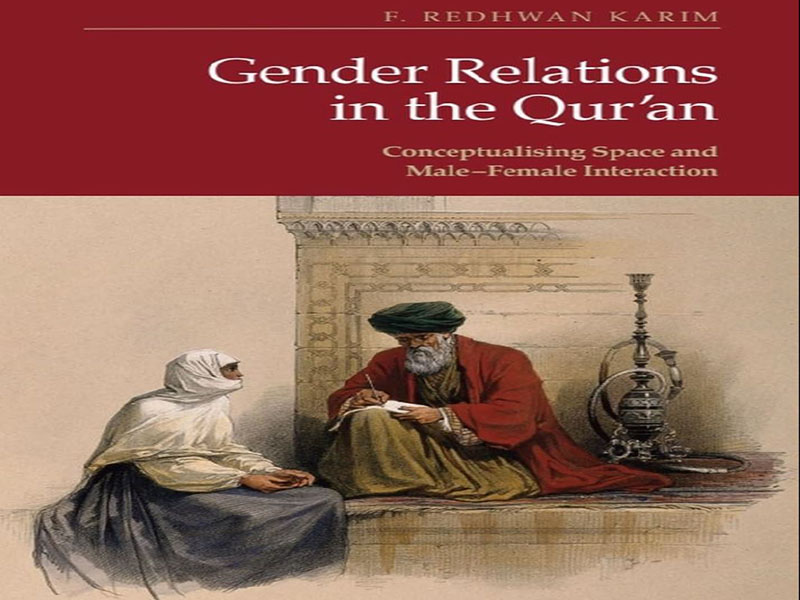
- عنوان کتاب: Gender Relations in the Qur’an Conceptualising Space and Male–Female Interaction
- نویسنده: F. Redhwan Karim
- حوزه: روابط زن و مرد در اسلام
- سال انتشار: 2026
- تعداد صفحه: 273
- زبان اصلی: انگلیسی
- نوع فایل: pdf
- حجم فایل: 1.20 مگابایت
در قرن چهاردهم، یکی از فقهای مکتب حنبلی، ابن قیم (متوفی ۱۳۵۰)، هنگام بحث در مورد حکومتداری خوب و چگونگی الگوسازی یک جامعه اسلامی، در مورد اختلاط زن و مرد مینویسد: شکی نیست که فراهم کردن امکان اختلاط زنان با مردان (تمکین النساء من اختلاط بالرجال) اساس هر بلا و شری است و یکی از دلایل اصلی نزول مجازاتهای عمومی (نزول العقبات) است. همچنین یکی از دلایل نابودی جامعه و افراد است. اختلاط زن و مرد علت فساد اخلاقی و روابط جنسی نامشروع است. این یکی از علل مرگ و میر و بیماریهای همهگیر مداوم است. ابن قیم هنگام بحث در مورد اختلاط زن و مرد از شدیدترین کلمات استفاده میکند. در واقع، از این متن برمیآید که اختلاط حتی نباید در یک جامعه اسلامی نمونه رخ دهد. نه تنها نباید چنین اتفاقی بیفتد، بلکه دلیل سقوط جوامع است، زیرا ریشه «هر رنج و شری» را میتوان در آن جستجو کرد. در اینجا نوعی حس تکلیف الهی وجود دارد – خداوند مستقیماً مجازات خود را برای جوامعی که اجازه چنین اختلاطی را میدهند، نازل میکند. این متن علاوه بر سختگیری در اختلاط زن و مرد، عامل دیگری را نیز در بسیاری از مباحث پیرامون تعامل جنسیتی آشکار میکند – اینکه بار و محدودیتهای روابط جنسیتی ناگزیر بر دوش زنان است. ابن قیم اختلاط زن و مرد را به صورت خنثی ذکر نمیکند. بلکه آنچه که مورد نکوهش قرار میگیرد «فراهم کردن امکان اختلاط زنان با مردان» است. مردان از قبل به عنوان شرکتکنندگان مشروع در یک حوزه خاص دیده میشوند و حرکت آنها به عنوان هنجار تلقی میشود. این زنان هستند که وارد این حوزه میشوند و با اختلاط خود نظم اجتماعی را مختل میکنند. ابن قیم در نگرش خود به تعامل جنسیتی منحصر به فرد نیست و چنین نگرشهایی در دوره مدرن رایج است.
In the fourteenth century, a jurist of the Ḥanbalī school of law, Ibn al-Qayyim (d.1350), when discussing good governance and how to model an Islamic society, writes concerning the mixing of men and women: There is no doubt that enabling women to mix with men (tamkīn al-nisā’ min ikhtilāṭihinna bi’l-rijāl) is the basis of every affliction and evil, and it is one of the primary reasons for general punishments to be sent down (nuzūl al-ʿuqubāt). It is also one of the reasons for the destruction of both society and individuals. The mixing of men and women is the cause for rampant immorality and unlawful sex. It is one of the causes of mortality and continuous epidemics. Ibn al-Qayyim uses the strongest of words when discussing the intermingling of men and women. In fact, from this passage, mixing should not even occur in a model Islamic society. Not only should it not occur but it is the reason for the downfall of societies as the root of ‘every affliction and evil’ can be traced back to it. There is a sense of a divine mandate – God directly sends down his punishment for societies that allow such intermingling to take place. On top of the sternness in the mixing of men and women, this passage also betrays another factor in many discussions surrounding gender interaction – that the onus and restrictions of gender relations fall inevitably on women. Ibn al-Qayyim does not mention the mixing of men and women in neutral terms. Rather what is dissuaded is ‘enabling women to mix with men’. Men are already seen as legitimate participants in a certain domain, and their movement is taken as the norm. It is women who enter this domain and disrupt social order with their intermingling. Ibn al-Qayyim is not unique in his attitude to gender interaction, and such attitudes are prevalent in the modern period.
این کتاب را میتوانید از لینک زیر بصورت رایگان دانلود کنید:
Download: Gender Relations in the Qur’an






















نظرات کاربران