











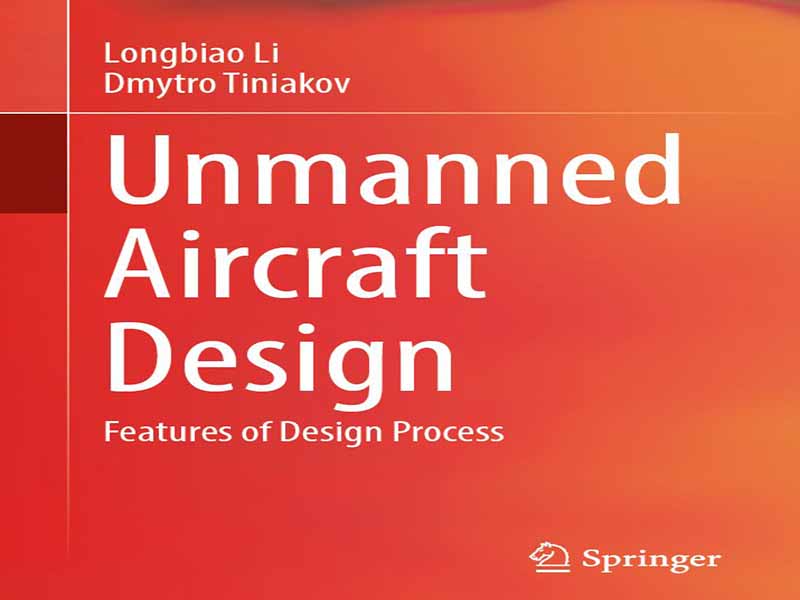
- عنوان کتاب: Unmanned Aircraft Design Features of Design Process
- نویسنده: Longbiao Li, Dmytro Tiniakov
- حوزه: هواپیمای بدون سرنشین
- سال انتشار: 2026
- تعداد صفحه: 282
- زبان اصلی: انگلیسی
- نوع فایل: pdf
- حجم فایل: 11.6 مگابایت
مهندسی مدرن، حوزهای پیوسته در حال تکامل است و فناوریهای جدیدی روزانه برای بهبود جنبههای مختلف زندگی بشر ظهور میکنند. وسایل نقلیه هوایی بدون سرنشین (UAV) یکی از این پیشرفتهای فناوری هستند. به نظر جامعه مهندسی، پهپادها در آیندهای قابل پیشبینی جایگزین هواپیماهای سرنشیندار خواهند شد. احتمالاً پوشش خبری قابل توجهی در مورد هواپیماهای بدون سرنشین که پتانسیل استفاده در انواع روشهای جدید و نوآورانه را دارند، وجود خواهد داشت. چنین کاربردهایی شامل تحویل بستههای خصوصی، بازرسی عمومی، نگهداری ساختمانهای صعبالعبور (مانند خطوط برق، پلها)، تحقیقات ژئوفیزیکی و موارد دیگر است. در دوران مدرن، یک خلبان خودکار میتواند به طور مؤثر جایگزین خلبان انسانی در اکثر حالتهای پرواز مورد استفاده توسط هواپیماهای تجاری شود. در نتیجه، تعدادی از شرکتها با هدف اصلاح مقررات موجود مربوط به تعداد مورد نیاز خلبانان انسانی به آژانسهای صلاحیت پرواز مراجعه کردهاند. با این حال، باید توجه داشت که فناوری مورد استفاده توسط پهپادها پدیده جدیدی نیست. استفاده از وسایل نقلیه هوایی بدون سرنشین سابقه طولانی دارد و شواهدی از کاربرد آنها به دوران باستان برمیگردد. پس، چه دستاوردهای جدیدی در این حوزه حاصل شده است؟ چه چیزی روشهای به کار رفته در ساخت وسایل نقلیه هوایی بدون سرنشین در گذشته را از روشهای مورد استفاده در حال حاضر متمایز میکند؟ چه الزامات و چالشهای جدیدی پیش روی مهندسان هوانوردی قرار دارد؟ نویسندگان این کتاب تلاش خواهند کرد تا به این سؤالات و سؤالات دیگر بپردازند. هدف این کتاب ارائه مروری جامع بر توسعه تاریخی، تحلیل و بررسی پهپادها است که قبلاً در زمینههای مختلف به آنها اشاره شده است. نویسندگان معتقدند که این رویکرد در زمان خوانندگان صرفهجویی میکند و به آنها اجازه میدهد تا آن را به توسعه مفاهیم جدید مربوط به پهپادها اختصاص دهند. علاوه بر این، نویسندگان ایدههای جدید خود را در مورد پهپادها ارائه میدهند و آنها را به شیوهای که ممکن است برای محققان جالب باشد، تجزیه و تحلیل میکنند. بشریت به طور مداوم در تلاش است تا محیط زندگی خود را بهبود بخشد. برای دستیابی به این هدف، یک رشته مهندسی در علوم کاربردی ایجاد شد. در دنیای مدرن، مهندسی نقش حیاتی ایفا میکند و پیشرفت پایدار فناوری را هدایت میکند. مهندسی هوانوردی در این زمینه اهمیت ویژهای دارد. توسعه فشرده، به ویژه در هوانوردی غیرنظامی، پس از جنگ جهانی دوم آغاز شد. در مهندسی به طور کلی – و به طور خاص در هوانوردی – ایدههای نوآورانه به صورت دورهای پدیدار میشوند. برای مثال، ظهور موتورهای توربین گازی، هوانوردی را قادر ساخت تا بر حمل و نقل مسافر در مسافتهای طولانی تسلط یابد و کشتیهای دریایی را کنار بزند. بعدها، در دهه 1960، معرفی آلیاژهای تیتانیوم، بهرهوری وزنی هوانوردی غیرنظامی را بهبود بخشید. به طور مشابه، استفاده از مواد کامپوزیتی به پیشرفتهای هوانوردی در اواخر قرن بیستم و اوایل قرن بیست و یکم کمک کرد. چه فناوریها و راهحلهای مهندسی جدیدی میتوانند در آینده نزدیک به نیروهای محرک هوانوردی غیرنظامی تبدیل شوند؟ در حال حاضر، دو جهت امیدوارکننده در حال ظهور هستند: فناوریهای بدون سرنشین و فناوریهای به اصطلاح سبز. این کتاب بر اولین مورد از این موارد – فناوریهای بدون سرنشین – تمرکز خواهد کرد. همانطور که روندهای مدرن نشان میدهند، سیستمهای بدون سرنشین مزایای بیشماری را نه تنها در هوانوردی، بلکه در صنایع مختلف نیز ارائه میدهند. با این حال، این فناوری چالشهای متعددی را نیز به همراه دارد که برای اجرای موفقیتآمیز آن باید مورد توجه قرار گیرد. این امر به ویژه در هوانوردی بسیار مهم است، جایی که هرگونه نظارت مهندسی میتواند ایمنی پرواز را به خطر بیندازد. تنها در چند دهه کوتاه، پهپادها از ابزارهای نظامی به دستگاههای فراگیر تبدیل شدهاند که صنایع، سرگرمیها و حتی تلاشهای بشردوستانه را تغییر شکل میدهند. آنچه زمانی قلمرو داستانهای علمی تخیلی بود، اکنون به یک واقعیت روزمره تبدیل شده است – پهپادها بستهها را تحویل میدهند، محصولات کشاورزی را رصد میکنند، زیرساختها را بازرسی میکنند و فیلمهای هوایی نفسگیر میگیرند. انقلاب پهپادهای غیرنظامی از راه رسیده است و پتانسیل آن تازه شروع به آشکار شدن کرده است. این کتاب شاخهای از پهپادها را فراتر از میدان نبرد بررسی میکند – طراحی، ساخت، پیشرفتهای تکنولوژیکی، مسائل ایمنی، چالشهای نظارتی و کاربردهای دگرگونکننده آنها در زمینههای مختلف. از کشاورزی گرفته تا فیلمسازی و واکنش به بلایا و لجستیک، پهپادها چیزی بیش از دوربینهای پرنده هستند. آنها ابزارهای قدرتمندی هستند که کارایی و نوآوری را هدایت میکنند و حتی جان انسانها را نجات میدهند. چالشهای طراحی پهپادها مرحله مهمی از چرخه حیات پهپادها هستند. در نگاه اول، طراحی پهپادها ممکن است چندان پیچیده به نظر نرسد. از این گذشته، هوانوردی غیرنظامی اکنون بیش از یک قرن تجربه در طراحی هواپیما دارد. با این حال، این تصور فریبنده است. ویژگی بارز پهپادها، عدم وجود انسان در آنها است – ویژگیای که ممکن است به نظر برسد فرآیند طراحی را ساده میکند. با این حال، به طور متناقضی، چالشهای جدیدی را نیز برای مهندسان ایجاد میکند. در واقع، فقدان انسان بسیاری از محدودیتهای طراحی سنتی، مانند جان انسانها را از بین میبرد.
Modern engineering is a continually evolving field, with new technologies emerging on a daily basis to enhance various aspects of human life. Unmanned aerial vehicles (UAVs) represent one such technological advancement. In the opinion of the engineering community, UAVs will supersede manned aircraft in the foreseeable future. It is likely that there will be a considerable amount of news coverage regarding autopiloted aircraft that have the potential to be utilized in a variety of new and innovative ways. Such applications include private package delivery, public inspection, maintenance of hard-to-access buildings (e.g., power lines, bridges), geophysical research, and others. In the modern era, an autopilot can effectively substitute for a human pilot in the majority of flight modes utilized by commercial airliners. Consequently, a number of companies have approached airworthiness agencies with the objective of modifying existing regulations pertaining to the requisite number of human pilots. However, it should be noted that the technology utilized by drones is not a novel phenomenon. The use of unmanned flying vehicles has a long history, with evidence of their application dating back to ancient times. What, then, are the novel contributions to this field? What distinguishes the methodologies employed in the fabrication of unmanned aerial vehicles in the past from those utilized in the present? What new requirements and challenges are presented to aviation engineers? The authors of this book will endeavor to address these and other questions. The objective of this book is to provide readers with a comprehensive overview of the historical development, analysis, and consideration of drones, which have previously been referenced in various contexts. The authors posit that this approach will conserve readers’ time, allowing them to devote it to developing novel concepts related to drones. Additionally, the authors will present their own novel ideas about UAVs and analyze them in a manner that may be of interest to researchers. Humanity continually strives to improve its living environment. To achieve this goal, an engineering discipline within the applied sciences was established. In the modern world, engineering plays a crucial role, driving sustained technological progress. Aviation engineering holds particular significance within this field. Intensive development, especially in civil aviation, began after World War II. In engineering in general—and aviation in particular—breakthrough ideas periodically emerge. For instance, the advent of gas turbine engines enabled aviation to dominate long-distance passenger transportation, displacing maritime vessels. Later, in the 1960s, the introduction of titanium alloys improved the weight efficiency of civil aviation. Similarly, the use of composite materials contributed to aviation advancements in the late twentieth and early twenty-first centuries. What new technologies and engineering solutions could become the driving forces of civil aviation in the near future? Currently, two promising directions are emerging: unmanned technologies and so-called green technologies. This book will focus on the first of these—unmanned technologies. As modern trends demonstrate, unmanned systems offer numerous advantages, not only in aviation but also across various industries. However, this technology also presents several challenges that must be addressed for its successful implementation. This is especially critical in aviation, where any engineering oversight could compromise flight safety. In just a few short decades, drones have evolved from military tools to ubiquitous devices reshaping industries, hobbies, and even humanitarian efforts. What was once the realm of science fiction is now an everyday reality—UAVs delivering packages, monitoring crops, inspecting infrastructure, and capturing breathtaking aerial footage. The civil drone revolution is here, and its potential is only beginning to unfold. This book explores the branch of drones beyond the battlefield—their designing, manufacturing, technological advancements, safety issues, regulatory challenges, and transformative applications across diverse fields. From agriculture to filmmaking and disaster response to logistics, drones are proving to be more than just flying cameras; they are powerful tools driving efficiency and innovation and even saving lives. The design challenges of drones are an important stage of the UAVs’ cycling life. At first glance, the design of drones may not appear particularly complex. After all, civil aviation now possesses over a century of experience in aircraft design. However, this impression is deceptive. The defining feature of drones is the absence of an onboard human—a characteristic that might seem to simplify the design process. Yet, paradoxically, it also introduces new challenges for engineers. Indeed, the lack of a human eliminates many traditional design constraints, such as life-support systems, emergency safety systems, and other similar requirements. Nevertheless, it is crucial to remember that civil aviation remains a branch of transportation logistics. As such, it must ensure operational efficiency within defined constraints. Since some limitations tied to human presence no longer apply, the criteria for evaluating efficiency have also shifted. This raises critical questions: How must engineering approaches adapt to these changes? What now serves as the primary performance metric for assessing the effectiveness of commercial unmanned aircraft?
این کتاب را میتوانید از لینک زیر بصورت رایگان دانلود کنید:
Download: Unmanned Aircraft Design Features of Design Process
























نظرات کاربران