












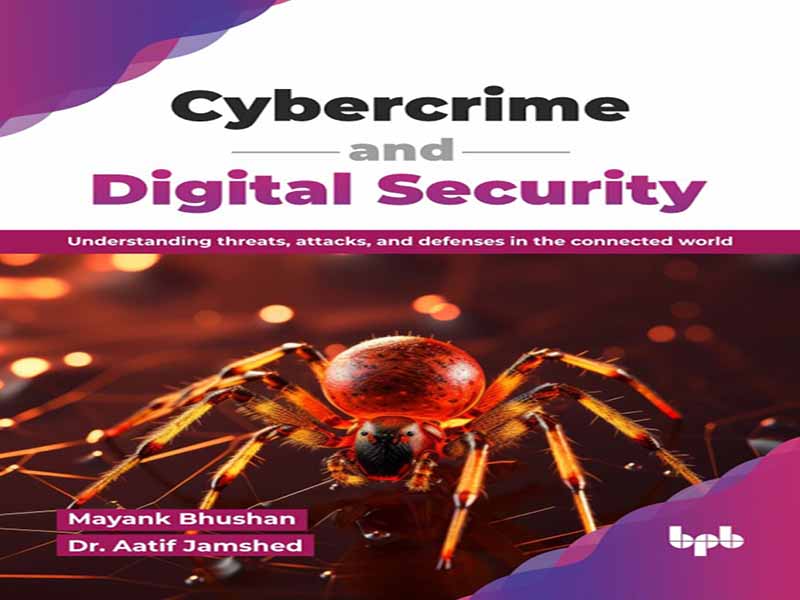
- عنوان کتاب: Cybercrime and Digital Security
- نویسنده: Mayank Bhushan
- حوزه:جرایم سایبری
- سال انتشار: 2026
- تعداد صفحه: 381
- زبان اصلی: انگلیسی
- نوع فایل: pdf
- حجم فایل: 5.24 مگابایت
این کتاب با مروری کلی بر جرایم سایبری و اهمیت آن در دنیای دیجیتال امروز آغاز میشود. این کتاب نشان میدهد که چگونه اینترنت و فناوریهای دیجیتال به سرعت رشد کردهاند، به طوری که هم فرصتها و هم خطراتی را ایجاد کردهاند. با وابستگی روزافزون جامعه به فناوری، تهدیدات سایبری اکنون افراد، مشاغل و دولتها را به طور یکسان تحت تأثیر قرار میدهد. هدف اصلی این کتاب، ارائه درک روشنی از جرایم سایبری، از جمله ابزارها و تکنیکهای مورد استفاده برای اجرای آنها، و همچنین استراتژیهای عملی برای محافظت و پیشگیری به خوانندگان است. این کتاب که برای دانشجویان، متخصصان فناوری اطلاعات و هر کسی که به امنیت سایبری علاقهمند است، طراحی شده است، بینشهای نظری را با مطالعات موردی واقعی ترکیب میکند تا شکاف بین دانش و عمل را پر کند. علاوه بر این، این کتاب یک دیدگاه جهانی را اتخاذ میکند و تأکید میکند که تهدیدات سایبری از مرزهای جغرافیایی فراتر میروند و بر اهمیت همکاری بینالمللی در مبارزه با این چالشها تأکید میکند. فصل 1: مقدمهای بر جرایم سایبری – این فصل در مورد جرایم سایبری و چگونگی تغییر آن از جرم معمولی به جرمی که به صورت آنلاین اتفاق میافتد، صحبت میکند. در مورد آنچه مجرمان سایبری انجام میدهند، نحوه گروهبندی جرایم سایبری و چگونگی تأثیر تهدیدات سایبری بر کل جهان صحبت میکند. مردم یاد میگیرند که جرایم سایبری چگونه برنامهریزی و اجرا میشوند، و همچنین چرا آگاهی از آنها و انجام اقداماتی برای متوقف کردن آنها در جهانی که به هم متصل است، بسیار مهم است. فصل 2: جرایم سایبری و رسانههای اجتماعی – این فصل به خطرات پلتفرمهای رسانههای اجتماعی و نحوه استفاده مهاجمان از فیشینگ، بهانهتراشی، تعقیب سایبری و سرقت هویت برای سوءاستفاده از کاربران میپردازد. در مورد اینکه چگونه کافههای سایبری نقاط ضعف هستند، چگونه میتوان از باتنتها برای بزرگتر کردن حملات استفاده کرد و چگونه حملات معمولاً اتفاق میافتند، صحبت میکند. این فصل به خوانندگان میآموزد که چگونه تاکتیکهای دستکاری و خطرات به اشتراک گذاری بیش از حد اطلاعات آنلاین را تشخیص دهند. فصل 3: جرایم سایبری با دستگاههای تلفن همراه و بیسیم – این فصل در مورد خطرات ویژهای که با استفاده از تلفنهای همراه، تبلتها، دستگاههای اینترنت اشیا و فناوریهای بیسیم مانند بلوتوث و وایفای همراه است، صحبت میکند. در مورد کلاهبرداری کارت اعتباری، نقاط ضعف در ثبت نام و احراز هویت و حملات به دستگاههای تلفن همراه صحبت میکند. خوانندگان در مورد راههای ایمن نگه داشتن محیطهای تلفن همراه، مانند مدیریت دستگاه تلفن همراه، آموزش کارمندان و انجام ممیزیها یاد میگیرند. فصل ۴: ابزارهای مورد استفاده در جرایم سایبری – تمرکز اینجا بر ابزارهای فنی است که هکرها برای انجام حملات استفاده میکنند. این فصل در مورد سرورهای پروکسی، ناشناسکنندهها، کیتهای فیشینگ، ابزارهایی برای شکستن رمزهای عبور، کیلاگرها، جاسوسافزارها، ویروسها، کرمها، تروجانها، درهای پشتی و ابزارهایی برای حملات DoS و DDoS صحبت میکند. خوانندگان یاد میگیرند که این ابزارها چگونه کار میکنند، چگونه مهاجمان هویت خود را پنهان میکنند و چرا دفاع لایهای برای متوقف کردن آنها لازم است. فصل ۵: روشهای حمله سایبری و تکنیکهای مختلف – این فصل در مورد روشهای رایج حمله هکرها، مانند تزریق SQL، سرریز بافر، سوءاستفاده از شبکههای بیسیم، فیشینگ و سرقت هویت افراد صحبت میکند. این فصل هم در مورد خطرات فنی و هم در مورد راههای محافظت از خود صحبت میکند و از مثالهایی در مورد نحوه استفاده مهاجمان از پایگاههای داده، تخصیص حافظه و پروتکلهای Wi-Fi ناامن استفاده میکند. خوانندگان یاد میگیرند که چگونه مهندسی اجتماعی به این حملات کمک میکند و چرا سیاستهای رمز عبور قوی، کدگذاری ایمن و نظارت بسیار مهم هستند. فصل ۶: سیاستهای امنیت سایبری – این فصل بر حاکمیت شرکتی تمرکز دارد و در مورد چارچوبها و استراتژیهایی که کسبوکارها برای محافظت از خود در برابر تهدیدات سایبری استفاده میکنند، صحبت میکند. این فصل در مورد تدوین سیاستها، مدیریت ریسکها، پیروی از قانون و بهترین شیوههای امنیتی صحبت میکند. خوانندگان در مورد اهمیت آموزش دفاع سایبری، برنامهریزی برای حوادث و بهبود مستمر یاد میگیرند. فصل ۷: سیاست امنیت اطلاعات – این فصل در مورد اصول اولیه امنیت اطلاعات و نحوه برخورد با خطرات صحبت میکند. در مورد محرمانگی، یکپارچگی، در دسترس بودن و نحوه یافتن، ارزیابی و کاهش ریسکها صحبت میکند. خوانندگان در مورد روشهای ارزیابی ریسک، کنترلهای امنیتی و اهمیت اطمینان از اینکه امنیت اطلاعات (InfoSec) با اهداف سازمان برای محافظت از داراییهای داده همسو است، یاد میگیرند. فصل ۸: درسهایی از کلاهبرداریهای سایبری در زندگی واقعی از عصر دیجیتال – این فصل از مطالعات موردی برای نشان دادن نمونههای واقعی کلاهبرداری سایبری، مانند کلاهبرداریهای فیشینگ، تعویض سیمکارت، نقض دادههای Aadhaar و باجافزار استفاده میکند. در مورد چگونگی استفاده کلاهبرداران از دستکاریهای روانشناختی، بدافزار، دور زدن رمزهای عبور یکبار مصرف و جعل عمیق صحبت میکند. خوانندگان مطالب مفیدی در مورد آگاهی، سواد دیجیتالی، استفاده از احراز هویت قوی و انجام اقداماتی برای محافظت از خود در برابر کلاهبرداری میآموزند. فصل 9: مقدمهای بر علم پزشکی قانونی دیجیتال – این فصل در مورد پزشکی قانونی دیجیتال صحبت میکند که فرآیند یافتن، نگهداری، تجزیه و تحلیل و ارائه شواهد برای استفاده در دادگاه است. این فصل در مورد مراحل مختلف تحقیقات، زنجیره نگهداری و انواع مختلف پزشکی قانونی، مانند تجزیه و تحلیل کامپیوتر، موبایل، شبکه، ابر و اینترنت اشیا صحبت میکند. خوانندگان یاد میگیرند که چگونه تکنیکهای پزشکی قانونی به تحقیقات جرم کمک میکنند،
The book starts with a general overview of cybercrime and why it is important in today’s digital world. It shows how the internet and digital technologies have grown so quickly that they have made both chances and risks. As society becomes increasingly dependent on technology, cyber threats now impact individuals, businesses, and governments alike. The primary goal of the book is to provide readers with a clear understanding of cybercrimes, including the tools and techniques used to execute them, as well as practical strategies for protection and prevention. Designed to be valuable for students, IT professionals, and anyone interested in cybersecurity, the book combines theoretical insights with real-life case studies to bridge the gap between knowledge and practice. Furthermore, it adopts a global perspective, highlighting that cyber threats transcend geographical boundaries and underscoring the importance of international collaboration in combating these challenges. Chapter 1: Introduction to Cybercrime- This chapter talks about cybercrime and how it has changed from regular crime to crime that happens online. It talks about what cybercriminals do, how cybercrimes are grouped, and how cyber threats affect the whole world. People learn how cybercrimes are planned and carried out, as well as why being aware of them and taking steps to stop them are so important in a world that is connected. Chapter 2: Cybercrime and Social Media- This chapter looks at the risks of social media platforms and how attackers use phishing, pretexting, cyberstalking, and identity theft to take advantage of users. It talks about how cybercafés are weak points, how botnets can be used to make attacks bigger, and how attacks usually happen. The chapter teaches readers how to spot manipulative tactics and the risks of sharing too much information online. Chapter 3: Cybercrime with Mobile and Wireless Devices- This chapter talks about the special risks that come with using mobile phones, tablets, IoT devices, and wireless technologies like Bluetooth and Wi-Fi. It talks about credit card fraud, weaknesses in registration and authentication, and attacks on mobile devices. Readers learn about ways to keep mobile environments safe, like mobile device management, training employees, and doing audits. Chapter 4: Tools Used in Cybercrime- The focus here is on the technical tools that hackers use to carry out attacks. The chapter talks about proxy servers, anonymizers, phishing kits, tools for cracking passwords, keyloggers, spyware, viruses, worms, Trojans, backdoors, and tools for DoS and DDoS attacks. Readers learn how these tools work, how attackers hide who they are, and why layered defences are needed to stop them. Chapter 5: Cyber-attack Methods and Different Techniques- This chapter talks about common ways that hackers attack, such as SQL injection, buffer overflow, wireless network exploits, phishing, and stealing someone’s identity. It talks about both the technical risks and the ways to protect yourself, using examples of how attackers use databases, memory allocation, and unsecured Wi-Fi protocols. Readers learn how social engineering helps these attacks and why strong password policies, secure coding, and monitoring are so important. Chapter 6: Cybersecurity Policies- This chapter focusses on governance and talks about the frameworks and strategies that businesses use to protect themselves from cyber threats. It talks about making policies, managing risks, following the law, and best practices for security. Readers learn about how important it is to have cyber defence training, plan for incidents, and keep improving. Chapter 7: Information Security Policy- This chapter talks about the basics of information security and how to deal with risks. It talks about confidentiality, integrity, availability, and how to find, evaluate, and reduce risks. Readers learn about risk assessment methods, security controls, and how important it is to make sure that InfoSec is in line with the goals of the organization in order to protect data assets. Chapter 8: Real-life Cyber Frauds Lessons from the Digital Era- This chapter uses case studies to show real-life examples of cyber fraud, like phishing scams, SIM swapping, Aadhaar data breaches, and ransomware. It talks about how scammers use psychological manipulation, malware, bypasses for one-time passwords, and deepfakes. Readers learn useful things about being aware, being digitally literate, using strong authentication, and taking steps to protect themselves from fraud. Chapter 9: Introduction to Digital Forensics Science- This chapter talks about digital forensics, which is the process of finding, keeping, analyzing, and presenting evidence for use in court. It talks about the different stages of an investigation, the chain of custody, and different types of forensics, like computer, mobile, network, cloud, and IoT analysis. Readers learn how forensic techniques help with crime investigations, corporate security, compliance, and responding to incidents. Chapter 10: Forensics and Social Networking Sites- The last chapter talks about the rules and morals that govern cyber security. It talks about important cyber laws, rules, and international agreements, as well as moral issues like privacy, intellectual property, and responsible disclosure. Readers learn about the legal consequences of cybercrime, why it’s important to follow the rules, and the moral duties of IT professionals to protect the digital ecosystem.
این کتاب را میتوانید از لینک زیر بصورت رایگان دانلود کنید:
Download: Cybercrime and Digital Security

























نظرات کاربران