











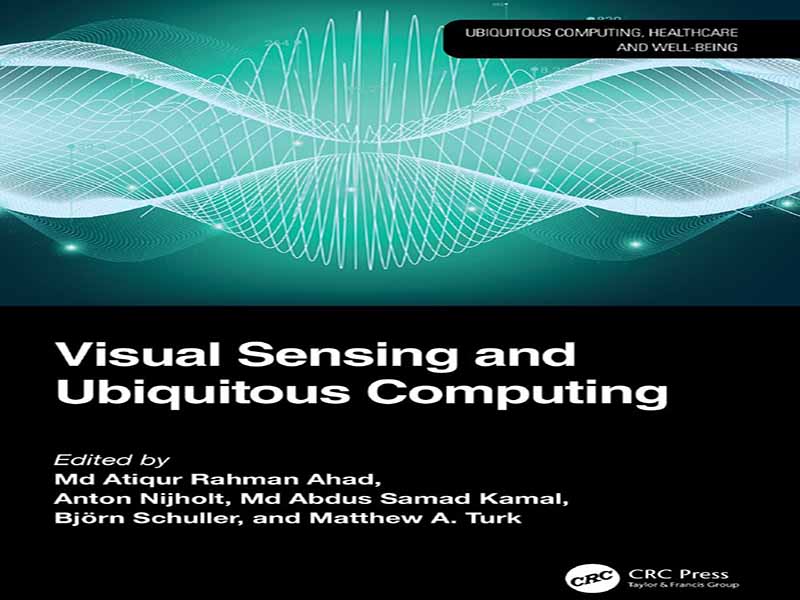
- عنوان کتاب: Visual Sensing and Ubiquitous Computing
- نویسنده: Md Atiqur Rahman Ahad
- حوزه: سنجش بصری
- سال انتشار: 2026
- تعداد صفحه: 281
- زبان اصلی: انگلیسی
- نوع فایل: pdf
- حجم فایل: 9.94 مگابایت
ما مفتخریم که کتاب «حس بصری و محاسبات فراگیر» را معرفی کنیم، که به بررسی تقاطع پویای فناوریهای پیشرفته ادراک بصری و ادغام یکپارچه آنها در محیطهای روزمره ما میپردازد. این کتاب مجموعهای از تحقیقات پیشرفته را گردآوری کرده است که نشان میدهد چگونه دادههای بصری و سیستمهای حسگر به هم پیوسته، که از طریق مدلهای محاسباتی پیچیده پردازش میشوند، نوآوری را در طیف وسیعی از زمینهها، از مراقبتهای بهداشتی و سیستمهای خودران گرفته تا ارتباطات و زیرساختهای شهری، هدایت میکنند. این کتاب شامل ۱۳ فصل است که هر کدام بر همافزایی قوی بین حسگری و هوش تمرکز دارند. این کتاب مجموعهای متنوع از روشها را برجسته میکند، از جمله یک مدل یادگیری عمیق الهامگرفته از زیستشناسی برای درک خطای دید در فصل ۱، یک رویکرد مبتنی بر مدل حرکت مرتبه اول برای ویرایش حالت چهره در فصل ۲، مولد مجموعه دادههای چاله مبتنی بر شبیهساز در فصل ۳، رویکرد مبتنی بر شبکه عصبی کانولوشنی مبتنی بر ماسک منطقه (Mask R-CNN) برای تحلیل رفتار مرغ در فصل ۴، و تکنیکهای جدید ادغام برای دادههای تشخیص و فاصلهیابی نور دوربین (LiDAR) در تشخیص اشیاء سهبعدی در فصل ۵. این مقالات همچنین معماریهای پیشرفتهای مانند Triple U-Net را برای تقسیمبندی دقیق تصاویر پزشکی در فصل ۷ و مدلهای کارآمد یادگیری ماشین برای پیشبینی گلوکوم در فصل ۸ پوشش میدهند. فراتر از الگوریتمهای بینایی اصلی، این کتاب به زیرساختهای توانمند محاسبات فراگیر میپردازد و موضوعاتی مانند رویکرد انتها به انتها برای فشردهسازی ویدیوی بدون اتلاف (فصل ۶)، طراحی آنتن کمحجم برای شبکه محلی بیسیم (WLAN) (فصل ۹)، پروتکلهای ارتباطی امن (فصل ۱۰)، شبکههای سلسله مراتبی لبه-مه-ابر برای ترافیک هوشمند را پوشش میدهد. مدیریت (فصل 11)، تحلیل شبکه پیچیده سیستمهای آبراه (فصل 12) و سنجش طیف برای شبکههای رادیویی شناختی (فصل 13). این مباحث با ادغام محاسبات بصری با سیستمهای ارتباطی و الگوهای شبکهسازی نسل بعدی، دامنه این کتاب را گسترش میدهند. این فصلها در کنار هم نشان میدهند که چگونه سنجش بصری به عنوان یک پایه متحدکننده در حوزههایی که به طور فزایندهای به سیستمهای هوشمند، توزیعشده و دادهمحور متکی هستند، عمل میکند. هر فصل تحت بررسی دقیق همتایان قرار گرفته است – حداقل دو بررسی برای هر مقاله – که تضمینکننده تحقیقات با کیفیت بالا و مشارکتهای بینشگرایانه از متخصصان برجسته در سراسر جهان است. ما از همه نویسندگان و داوران به خاطر فداکاریشان صمیمانه سپاسگزاریم. همچنین از حمایت افروزا رحمان (دانشگاه شرق لندن) و ناشر، CRC Press، قدردانی میکنیم. این کتاب با هدف ارائه یک منبع ارزشمند برای محققان، دانشجویان و متخصصان در علوم کامپیوتر، مهندسی برق و رشتههای مرتبط، مروری جامع بر وضعیت فعلی سنجش بصری و نقش محوری آن در ساخت یک اکوسیستم فناوری به طور فزاینده هوشمند، به هم پیوسته و انسانمحور ارائه میدهد. با ادامهی تکامل این حوزهها، پیشبینی میکنیم که ایدههای ارائه شده در اینجا، الهامبخش مسیرهای تحقیقاتی جدید، محرک همکاریهای بین رشتهای و کمک به طراحی سیستمهای هوشمندی باشند که رفاه اجتماعی را افزایش میدهند.
We are pleased to present the book Visual Sensing and Ubiquitous Computing, which explores the dynamic intersection of advanced visual perception technologies and their seamless integration into our everyday environments. This book brings together a collection of cutting-edge research that demonstrates how visual data and interconnected sensing systems, processed through sophisticated computational models, are driving innovation across a wide spectrum of fields, from healthcare and autonomous systems to communication and urban infrastructure. The book comprises 13 chapters, each of which focuses on the potent synergy between sensing and intelligence. It highlights a diverse array of methodologies, including a biologically inspired deep learning model for visual illusion perception in Chapter 1, a first-order motion model-based approach for facial expression editing in Chapter 2, simulator-based pothole dataset generator in Chapter 3, Mask Region-based Convolutional Neural Network (Mask R-CNN) based approach for chicken behaviour analysis in Chapter 4, and novel fusion techniques for camera Light Detection and Ranging (LiDAR) data in 3D object detection in Chapter 5. The contributions also span advanced architectures like the Triple U-Net for precise medical image segmentation in Chapter 7 and efficient machine learning models for glaucoma prediction in Chapter 8. Beyond core vision algorithms, the book delves into the enabling infrastructure of ubiquitous computing, covering topics such as an end-to-end approach for lossless video compression (Chapter 6), low-profile antenna design for Wireless Local Area Network (WLAN) (Chapter 9), secure communication protocols (Chapter 10), hierarchical edge–fog–cloud networks for intelligent traffic management (Chapter 11), complex network analysis of waterway systems (Chapter 12), and spectrum sensing for cognitive radio networks (Chapter 13). These topics broaden the scope of this book by integrating visual computing with communication systems and next-generation networking paradigms. Together, these chapters illustrate how visual sensing serves as a unifying foundation across domains that increasingly rely on intelligent, distributed, and data-driven systems. Each chapter has undergone rigorous peer review – at least two reviews per contribution – ensuring high-quality research and insightful contributions from leading experts worldwide. We extend our sincere gratitude to all authors and reviewers for their dedication. We also acknowledge the support of Afroza Rahman (University of East London) and the publisher, CRC Press. This book aims to serve as a valuable resource for researchers, students, and practitioners in computer science, electrical engineering, and related disciplines, offering a comprehensive overview of the state of the art in visual sensing and its pivotal role in building an increasingly intelligent, interconnected, and human-centred technological ecosystem. As these fields continue to evolve, we anticipate that the ideas presented here will inspire new research directions, stimulate interdisciplinary collaborations, and contribute to the design of intelligent systems that enhance societal wellbeing.
این کتاب را میتوانید از لینک زیر بصورت رایگان دانلود کنید:
Download: Visual Sensing and Ubiquitous Computing
























نظرات کاربران