













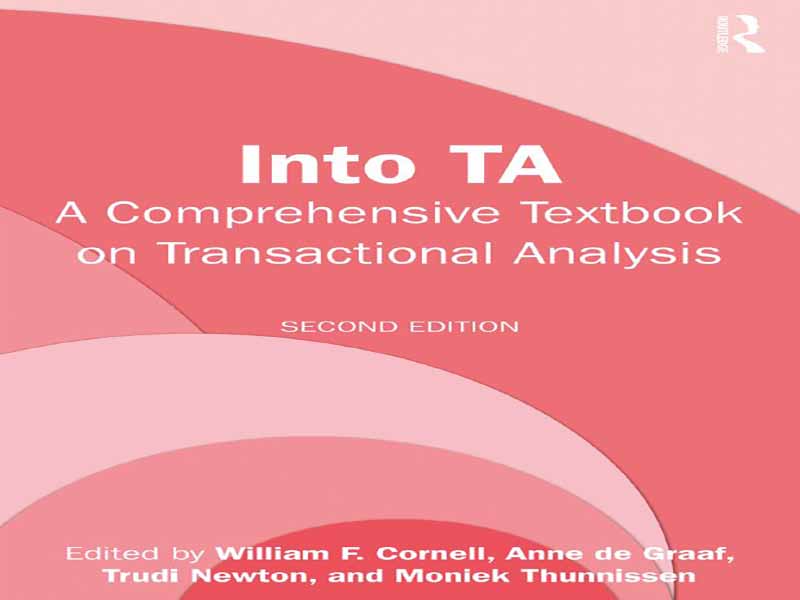
- عنوان کتاب: Into TA -A Comprehensive Textbook on Transactional Analysis
- نویسنده: Cornell, William F. Graaf
- حوزه: تحلیل رفتار
- سال انتشار: 2026
- تعداد صفحه: 539
- زبان اصلی: انگلیسی
- نوع فایل: pdf
- حجم فایل: 12.1 مگابایت
تحلیل رفتار متقابل (TA) از زمان آغاز به کار خود، بیش از شصت سال پیش، توسط روانپزشک کانادایی-آمریکایی، دکتر اریک برن، مورد توجه فزایندهای قرار گرفته است. این روش، خود را به عنوان یک مدل بسیار مؤثر که توسط متخصصان شاغل در زمینهها و زمینههای مختلف مانند رواندرمانی، مربیگری و مشاوره، مدیریت و توسعه سازمانی یا یادگیری و توسعه شخصی مورد استفاده قرار میگیرد، ثابت کرده است. تحلیل رفتار متقابل، یک نظریه بسیار قابل فهم در مورد توسعه افراد و سیستمها را با یک رویکرد بسیار عملی، با محوریت امکانات رشد و توسعه، ترکیب میکند. مدل شخصیتی مورد استفاده در تحلیل رفتار متقابل بر اساس سه حالت خود است: والد، بالغ و کودک. (برای تمایز این حالتها از والدین، بزرگسالان یا کودکان واقعی، متخصصان تحلیل رفتار متقابل هنگام بحث در مورد حالتهای خود متقابل، این کلمات را با حروف بزرگ مینویسند.) ارتباطات بین افراد در تحلیل رفتار متقابل به عنوان “تعاملات” نامیده میشود. از هر یک از سه حالت خود متقابل، افراد همیشه و همه جا با دیگران تعامل دارند. این امر منجر به ابزاری برای ارزیابی گزینههای متعدد در ارتباطات روزانه، چه کم و چه زیاد، میشود. مدلهای حالات و تعاملات خود میتوانند برای درک بهتر – و در نتیجه مدیریت یا هدایت بهتر – گروهها، تیمها و سازمانها مورد استفاده قرار گیرند. تحلیل رفتار متقابل (TA) بر این فرض استوار است که همه انسانها از همان ابتدای زندگی خود، فیلمنامه داستان خود را “مینویسند”. استعداد ذاتی، تمام تجربیات زندگی – مثبت و منفی، پیامهایی که کودک از مراقبان خود دریافت میکند، همگی در این فیلمنامه نقش دارند. فیلمنامه، جهت و نحوه توسعه زندگی را نشان میدهد. در زندگی روزمره، فیلمنامه اغلب در بازیهایی که افراد انجام میدهند، قابل مشاهده است. یک بازی مجموعهای خاص از تعاملات با انگیزههای پنهان در سطح روانشناختی است که خارج از آگاهی است. با کمک تحلیل رفتار متقابل، افراد میتوانند از عناصر سالم و دفاعی در فیلمنامه زندگی خود آگاهتر شوند. سپس میتوانند از قدرت آن استفاده کرده و آن را بهبود بخشند، در حالی که بخشهای محدودکنندهتر فیلمنامه را تغییر میدهند. برن، تحلیل رفتار متقابل را بر اساس یک اصل انسانگرایانه بنا نهاد. ویژگیهای مهم در این زمینه، آگاهی، اراده آزاد و خودشکوفایی است. جنبش انسانگرایی از یک سو پاسخی به سلطه روانکاوی بود که در آن زمان، انسان را تابع غرایز درونی میدانست و از سوی دیگر، اصلاحیهای بر رفتارگرایی بود که انسان را نوعی ماشین میدانست که رفتارش موضوع مطالعه است. بر اساس روانشناسی انسانگرا، نیاز به توسعه فردی، جنبهای اساسی از طبیعت انسان است.
Transactional analysis (TA) has been enjoying an increase in interest ever since its inception, now more than sixty years ago, by the Canadian- American psychiatrist Dr Eric Berne. It has proven itself to be an extremely effective model used by professionals working in a variety of contexts and fields such as psychotherapy, coaching and counselling, management and organisational development, or learning and personal development. TA combines a highly accessible theory on the development of people and systems with a highly practical approach, centred on the possibilities of growth and development. The personality model used in TA is based on the three ego states: parent, adult, and child. (In order to distinguish these from actual parents, adults, or children, TA professionals write these words with a capital letter when discussing ego states.) Communications between individuals are referred to in TA as “transactions”. From each of the three ego states, people always and everywhere engage in transactions with others. This results in a means to evaluate the numerous options within daily communication, as either more or less effective. The models of ego states and transactions can be used to better understand—and thus also to better manage or guide—groups, teams, and organisations. TA works on the assumption that all human beings “write” the script of their own story from the very beginning of their lives. Innate predisposition, all life experiences—positive and negative, the messages that a child picks up from caregivers all contribute to this script. The script indicates the direction and the manner in which life develops. In everyday life, the script often becomes visible in the games that people play. A game is a specific series of transactions with an ulterior motive on a psychological level that is out of awareness. With the help of TA, people can become more aware of the healthy and defensive elements in their life script. They can then utilise and improve its strength, while changing the more restrictive parts of the script. Berne based TA on a humanistic principle. Important characteristics within this are consciousness, free will, and self-actualisation. The humanistic movement was a response, on the one hand, to the dominance of psychoanalysis, which, at that time, saw a human being as determined by inner drives and, on the other hand, as a correction to behaviourism, which saw a human as a kind of machine whose behaviour is an object of study. The need for personal development, according to humanistic psychology, is a fundamental aspect of human nature.






















نظرات کاربران