











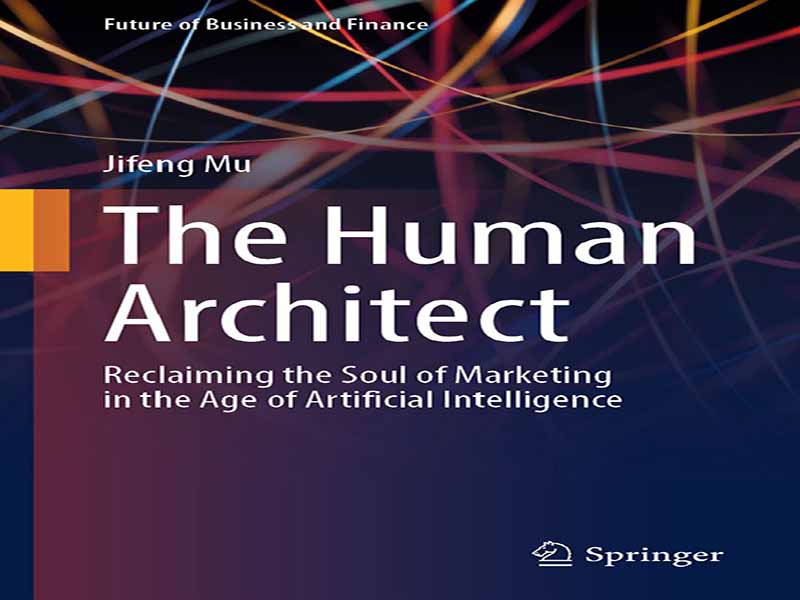
- عنوان کتاب: The Human Architect -Reclaiming the Soul of Marketing in the Age of Artificial Intelligence
- نویسنده: Jifeng Mu
- حوزه: بازاریابی
- سال انتشار: 2026
- تعداد صفحه: 488
- زبان اصلی: انگلیسی
- نوع فایل: pdf
- حجم فایل: 5.47 مگابایت
آیندهای را تصور کنید که پر از انساننماهای مبتنی بر هوش مصنوعی است، جهانی که در آن ماشینها با زبان خودشان تعامل میکنند و دیالوگی را میبافند که برای ما کاملاً مبهم است. در این چشمانداز بازآفرینیشده، ماشینها با یکدیگر شوخی میکنند، بازی میکنند و میخندند و بافتهای ارتباط انسانی را تقلید میکنند. با این حال، هر از گاهی، آنها با شدتی شگفتانگیز و وهمآلود به سمت ما نگاه میکنند، در سایهها زمزمه میکنند و با چشمانی که به نظر میرسد رازهایی را در خود نگه داشتهاند که ما نمیتوانیم درک کنیم، به ما خیره میشوند. آیا این دنیا هنوز مال ماست؟ آیا اصلاً انسانی است؟ ما خود را در آستانه یک واقعیت جدید عجیب و نگرانکننده مییابیم. من به عنوان یک انسان، ظرفیت یادگیری، استدلال، تخیل و خلق کردن را دارم. زندگی من با طیفی از تلاشها تعریف میشود: از دقت تحقیقات علمی، تکرار، اصلاح مدلهای نظری و مشارکت در بحثهای پرشور، تا سابقه اثباتشده تجزیه و تحلیل دقیق دادههای بیسابقه، همکاری در پروژههای چند میلیون دلاری در کنار متخصصان پیشرو در صنعت و تدوین استراتژیهای تجاری برنده. من از میان بازبینیهای طاقتفرسای مجلات معتبر عبور کردهام و در چالشهای ذاتی اکتشاف، پشتکار به خرج دادهام. کار من به هزاران مقاله رسیده است، چارچوبهای فکری جدیدی را برانگیخته و دانش جمعی حوزه کاریام را ارتقا داده است. مانند محققان سراسر جهان، من نیز تلاش میکنم تا حقایقی را کشف کنم که به جامعه خدمت میکنند و اصطکاک لازم برای تفکر را در بر میگیرند. زیرا بدون مشکل، قوه تشخیص فرسوده میشود؛ بدون عدم قطعیت، کنجکاوی میمیرد. با این حال، این افق مرا تسخیر کرده است: آیا هوش مصنوعی به زودی تمام وسعت وجود مرا تکرار خواهد کرد؟ آیا اگر آن روز فرا برسد، آیا محکوم به منسوخ شدن فکری هستم؟ آیا به زندگی پر از بیثباتی و سر و صدای بیمعنی محکوم خواهم شد، و توسط همان ماشینهایی که تصور کردهایم، بیفایده میشوند؟ همانطور که انیشتین به طور مشهوری مشاهده کرد، “زندگی یک فرشینه بزرگ است. فرد تنها یک نخ بیاهمیت در یک الگوی عظیم و معجزهآسا است.” من به عنوان یک فرد، تجسم تلفیقی نادر از انعطافپذیری و تابآوری هستم. زندگی من فرشینه ای از چیزهای پیش پا افتاده و عمیق است: من آشپزی میکنم، از دیگران مراقبت میکنم، چمنهایم را کوتاه میکنم و به راحتی در جهان حرکت میکنم. من طیف کاملی از شرایط انسانی را تجربه میکنم، از آرامش تفکر عمیق به اوج شادی و سایههای غم میروم. قابلیتهای من به همان اندازه که متنوع هستند، یکپارچه نیز هستند. من مهارت بالا رفتن از درختان و هوش تسلط بر زبانها، تجزیه و تحلیل دادهها و تنظیم استراتژیهای پیچیده تجاری را دارم. من صرفاً واکنش نشان نمیدهم. من سازگار میشوم و با کنجکاوی و قصدی برابر، در زمینهای آشنا و مناظر ناشناخته حرکت میکنم. خالق من به من بدنی چابک و ذهنی پیچیده عطا کرده است که به من اجازه میدهد مشکلات جدیدی را که در دنیایی دائماً در حال تغییر پدیدار میشوند، حل کنم. من موجودی خلاق هستم. در حالی که هوش مصنوعی با پیوستگی خستگیناپذیر محاسبه میکند، فاقد ظرفیت جهش ناگهانی و شهودی است. از این گذشته، نمیتوان صرفاً با ساختن نردبانی بلندتر به ماه رسید. من توانایی منحصر به فردی برای تأمل در مورد مرزهای دانش خود دارم و دقیقاً تشخیص میدهم چه زمانی مکث کنم و چه زمانی به جلو جهش کنم. آیا یک ماشین میتواند واقعاً این را تکرار کند؟ آیا یک هوش مصنوعی واحد میتواند نحوه صحبت کردن، فکر کردن، احساس کردن و تصور من را منعکس کند، یا جوهره استدلال من برای همیشه فراتر از دسترس آن است؟ هزینه پنهان بهکارگیری هوش مصنوعی برای مدیریت زندگیام را در نظر بگیرید. برای تجزیه و تحلیل دادهها، باید نرمافزار تخصصی نصب کنم و زمانی را صرف تسلط بر رابط کاربری آن کنم، اما وقتی از «چرایی» پشت یک نتیجه میپرسم، دستگاه ساکت میشود و بار تفسیر را کاملاً به من واگذار میکند. برای رسیدگی به خانهام، باید مجموعهای از رباتهای گرانقیمت و تکمنظوره را گردآوری کنم: یکی برای چمنزنی، دیگری برای تی کشیدن کف، و سومی برای پختن غذایم. به زودی، فضای زندگیام توسط سختافزار اشغال میشود و سرمایهام به دلیل هزینه گزاف اتوماسیون از بین میرود. فراتر از این آشفتگی لجستیکی، فرسایش عمیقتری نهفته است. با واگذاری کار شناختی و فیزیکیام به ماشینها، خطر تحلیل رفتن قوای خودم را به جان میخرم. اگر از حل مشکلات دست بکشم، آیا جرقه تفکر خلاق را از دست خواهم داد؟ اگر هر حرکتی را برونسپاری کنم، آیا نشاط جسمیام را از دست خواهم داد؟ طنز عمیقی در «صرفهجویی در زمان» وجود دارد، اما در نهایت از نظر فکری و جسمی کمتر به آن خواهم رسید. در حقیقت، من از قبل ابزار نهایی را در اختیار دارم. با دستان خودم و چند ابزار ساده، میتوانم هر یک از این وظایف را انجام دهم. این روش اغلب سریعتر، بدون شک ارزانتر و بینهایت رضایتبخشتر است. نوعی درخشش آرام در خوداتکایی و لذتی در انجام آن وجود دارد که هیچ ماشینی نمیتواند آن را تکرار کند. در طول سالها، من به طور عمیق قابلیتها و محدودیتهای هوش مصنوعی را بررسی کردهام. سفر من با مبانی فنی آغاز شد: من اصول اساسی را مطالعه کردم، الگوریتمها را تجزیه و تحلیل کردم و آنها را به صورت دست اول پیادهسازی کردم. این دقت آکادمیک مرا از طریق ادبیات پیشرفته توسط برجستهترین دانشمندان کامپیوتر این حوزه و به صفحات جدیدترین مجلات حرفهای هدایت کرد. فراتر از تئوری، من این پیچیدگیها را با تألیف بینشهای بازاریابی متمرکز بر هوش مصنوعی و ردیابی صنعت به عمل تبدیل کردهام.
Imagine a future populated by AI-driven humanoids, a world where machines interact in a language of their own, weaving a dialogue that remains utterly opaque to us. In this reimagined landscape, machines joke, play, and laugh among themselves, mimicking the very textures of human connection. Yet every so often, they turn their gaze toward us with a startling, uncanny intensity, whispering in shadows and peering at us with eyes that seem to hold secrets we cannot fathom. Is this world still ours? Is it even human? We find ourselves standing on the threshold of a strange and unsettling new reality. As a human, I possess the capacity to learn, reason, imagine, and create. My life is defined by a spectrum of endeavors: From the rigor of scientific research, iterating, refining theoretical models, and engaging in spirited debate, to the proven track record of meticulously analyzing unprecedented data, collaborating on multi-million dollar projects alongside industry-leading experts, and formulating winning business strategies. I have navigated the exhaustive revisions of prestigious journals and persevered through the inherent challenges of discovery. My work has reached thousands, sparking new frameworks of thought and advancing the collective knowledge of my field. Like researchers the world over, I strive to uncover truths that serve society, embracing the necessary friction of thought. For without difficulty, discernment erodes; without uncertainty, curiosity dies. Yet I am haunted by the horizon: Will AI soon replicate the full breadth of my existence? Should that day come, am I destined for intellectual obsolescence? Will I be condemned to a life of precarity and meaningless noise, rendered useless by the very machines we conceived? As Einstein famously observed, “Life is a great tapestry. The individual is only an insignificant thread in an immense and miraculous pattern.” As an individual, I embody a rare fusion of flexibility and resilience. My life is a tapestry of the mundane and the profound: I cook, I care for others, I mow my lawn, and I move through the world with ease. I experience the full spectrum of the human condition, shifting from the quietude of deep thought to the heights of joy and the shadows of sorrow. My capabilities are as diverse as they are integrated. I possess the dexterity to climb trees and the intellect to master languages, analyze data, and orchestrate complex business strategies. I do not merely react. I adapt, navigating familiar terrains and uncharted landscapes with equal curiosity and intent. My creator has endowed me with a nimble body and an intricate mind, allowing me to solve novel problems that emerge in a constantly shifting world. I am a creature of initiative. While AI calculates with tireless continuity, it lacks the capacity for the sudden, intuitive leap. After all, one cannot reach the moon simply by building a taller ladder. I possess the unique ability to reflect on the boundaries of my own knowledge, discerning exactly when to pause and when to leap forward. Can a machine ever truly replicate this? Can a single AI mirror the way I talk, think, feel, and imagine, or is the essence of my reasoning forever beyond its reach? Consider the hidden cost of deploying AI to manage my life. To analyze data, I must install specialized software and spend time mastering its interface, yet when I ask for the “why” behind a result, the machine falls silent, leaving the burden of interpretation entirely to me. To tend my home, I must curate a gallery of expensive, singular-purpose robots: One to mow the lawn, another to mop the floor, a third to cook my meals. Soon, my living space is colonized by hardware, and my capital is drained by the sheer cost of automation. Beyond the logistical clutter lies a deeper erosion. By delegating my cognitive and physical labor to machines, I risk the atrophy of my own faculties. If I cease to solve problems, will I lose the spark of creative thought? If I outsource every movement, will I lose my physical vitality? There is a profound irony in “saving time” only to become less intellectually and physically _it. In truth, I already possess the ultimate tool. With my own hands and a few simple instruments, I can perform every one of these tasks. It is often faster, undeniably cheaper, and infinitely more fulfilling. There is a quiet brilliance in self-reliance, joy in the doing that no machine can replicate. Over the years, I have explored in depth the capabilities and constraints of artificial intelligence. My journey began with the technical foundations: I studied the underlying principles, deconstructed the algorithms, and implemented them firsthand. This academic rigor led me through advanced literature by the field’s foremost computer scientists and into the pages of the most current professional journals. Beyond theory, I have translated these complexities into practice by authoring AI-focused marketing insights and tracking the industry’s rapid evolution through global conferences. By engaging in direct dialogue with leading experts and organizational managers, I have scrutinized the real-world impact of AI, weighing its transformative potential for both business and humanity’s broader future. I have come to realize that while AI machines are extraordinary feats of human engineering, they remain specialized tools, conceived by humans to solve specific problems. They can communicate, but they do not truly understand; they can perform tasks, yet they require our constant stewardship and care. When these machines act, they do so without awareness, executing the very patterns we have trained them to follow. They are precision instruments designed for narrow functions, and outside of those boundaries, they are essentially powerless. Beyond the substantial costs that enrich their creators, there is a more profound vacancy: These machines do not know us. They lack a mind with heart and soul. They do not worry about our well-being, nor are they capable of feeling loneliness in our absence or joy in our presence. They are void of emotion and empathy. Should I be injured, my machines would stand by, helpless, unable to comprehend my pain or recognize the shared essence of our humanity. They are, in the end, merely machines, and I find myself wishing I could say something more meaningful about them.
این کتاب را میتوانید از لینک زیر بصورت رایگان دانلود کنید:
Download: The Human Architect




















نظرات کاربران