












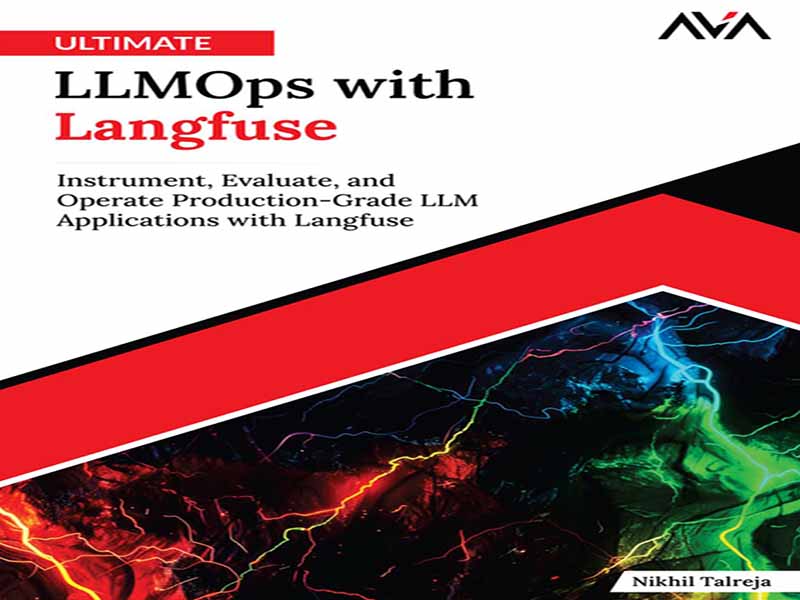
- عنوان کتاب: Ultimate LLMOps with Langfuse -Instrument, Evaluate, and Operate Production- Grade LLM Applications with Langfuse
- نویسنده: Nikhil Talreja
- حوزه: مدل زبانی بزرگ
- سال انتشار: 2026
- تعداد صفحه: 425
- زبان اصلی: انگلیسی
- نوع فایل: pdf
- حجم فایل: 12.3 مگابایت
مدلهای زبان بزرگ (LLM) به سرعت از آزمایش به تولید رسیدهاند، اما بهرهبرداری قابل اعتماد از آنها همچنان یک چالش است. برخلاف نرمافزارهای سنتی، سیستمهای LLM احتمالاتی، پیوسته در حال تکامل و عمیقاً وابسته به دادهها، دستورالعملها و رفتار کاربر هستند. این کتاب برای کمک به پر کردن شکاف بین ساخت نسخههای نمایشی و بهرهبرداری از برنامههای LLM قابل اعتماد در محیطهای واقعی نوشته شده است. این کتاب در کل رویکردی عملی دارد. به جای تمرکز صرف بر مدلها، برنامههای LLM به عنوان سیستمهای کاملی در نظر گرفته میشوند که نیاز به مشاهدهپذیری، ارزیابی، مدیریت دستورالعملها، معیارها و محافظها دارند. این کتاب با استفاده از Langfuse به عنوان یک پلتفرم مرکزی، به بررسی چگونگی ردیابی گردشهای کاری، ارزیابی کیفیت، تشخیص رانش، مدیریت هزینهها و بهبود مداوم رفتار تولید میپردازد. این کتاب به گونهای سازماندهی شده است که چرخه عمر یک برنامه LLM را دنبال کند – از مفاهیم بنیادی و ابزار دقیق، از طریق ارزیابی و معیارها، تا امنیت، بهترین شیوهها و کتابچههای راهنمای عملیاتی. در پایان، خوانندگان به گردشهای کاری ملموس و الگوهای مهندسی برای ساخت سیستمهای LLM قابل اندازهگیری و قابل اعتماد مجهز میشوند. خلاصه فصل به فصل، فصل ۱ مدلهای زبان بزرگ یا LLMها و چالشهای استقرار آنها در تولید را معرفی میکند و برنامههای LLM را به عنوان سیستمهای در حال تکاملی که از ابتدا نیاز به مشاهدهپذیری دارند، چارچوببندی میکند. فصل ۲ اصول اصلی نظارت برای سیستمهای LLM را ارائه میدهد که شامل ردیابیها، معیارهای معنایی و مفاهیم قابلیت اطمینان الهام گرفته از SRE مانند SLIها، SLOها و بودجههای خطا میشود. فصل ۳ به بررسی رانش و بایاس در محیطهای تولید میپردازد و نشان میدهد که چرا اندازهگیری مداوم برای حفظ کیفیت و انصاف در طول زمان ضروری است. فصل ۴ Langfuse و مفاهیم اصلی آن، از جمله پروژهها، محیطها، ردیابیها و مشاهدات را معرفی میکند و این پلتفرم را به عنوان پایه و اساس مشاهدهپذیری LLM قرار میدهد. فصل ۵ بر مشاهدهپذیری در Langfuse تمرکز دارد و نحوه ابزاربندی گردشهای کاری، ضبط فرادادهها و اشکالزدایی خطوط لوله پیچیده LLM را نشان میدهد. فصل ۶ مدیریت سریع را به عنوان یک عمل مهندسی پوشش میدهد و بر نسخهبندی، مقایسه و تکرار کنترلشده برای اطمینان از رفتار تکرارپذیر تأکید میکند. فصل ۷ گردشهای کاری ارزیابی در Langfuse را بررسی میکند و امتیازدهی خودکار و بررسی انسانی را برای اندازهگیری کیفیت در مجموعه دادهها و ترافیک تولید ترکیب میکند. فصل ۸ نشان میدهد که چگونه معیارها و داشبوردها، ردپاها را به بینشهای عملی تبدیل میکنند و تیمها را قادر میسازند تا روندهای کیفیت، هزینه و عملکرد را رصد کنند. فصل ۹ به مدیریت، امنیت و گاردریلها میپردازد و توضیح میدهد که چگونه کنترل دسترسی، حسابرسی و اجرای سیاست از استقرارهای امن LLM پشتیبانی میکند. فصل ۱۰ بهترین شیوهها را برای سیستمهای LLM تولیدی، از جمله نسخهبندی سریع، بهداشت داشبورد، گردشهای کاری ارزیابی و تشخیص رگرسیون، تلفیق میکند. فصل ۱۱ کتابهای راهنمای عملی برای گردشهای کاری واقعی مانند RAG و سیستمهای عامل ارائه میدهد و نظارت بر توهم، تشخیص رانش، بهینهسازی هزینه و تکرار سریع را نشان میدهد. فصل ۱۲ با یک دیدگاه آیندهنگر در مورد مهندسی LLM و مشاهدهپذیری به پایان میرسد و روندهای نوظهور و راهنماییهایی را برای اعمال این شیوهها در سیستمهای در حال تکامل ارائه میدهد.
Large Language Models (LLMs) have moved rapidly from experimentation to production but operating them reliably remains a challenge. Unlike traditional software, LLM systems are probabilistic, continuously evolving, and deeply dependent on data, prompts, and user behavior. This book was written to help bridge the gap between building demos, and operating dependable LLM applications in real environments. The book takes a practical approach throughout. Rather than focusing solely on models, LLM applications are treated as full systems that require observability, evaluation, prompt management, metrics, and guardrails. Using Langfuse as a central platform, the book explores how to trace workflows, evaluate quality, detect drift, manage costs, and continuously improve production behavior. The book is organized to follow the lifecycle of an LLM application—from foundational concepts and instrumentation, through evaluation and metrics, to security, best practices, and operational playbooks. By the end, readers become well-equipped with concrete workflows and engineering patterns for building measurable, trustworthy LLM systems. Chapter-wise Summary Chapter 1 introduces the Large Language Models or LLMs, and the challenges of deploying them in production, framing LLM applications as evolving systems that require observability from the start. Chapter 2 presents core monitoring principles for LLM systems, covering traces, semantic metrics, and SRE-inspired reliability concepts such as SLIs, SLOs, and error budgets. Chapter 3 explores drift and bias in production environments, showing why continuous measurement is necessary to maintain quality and fairness over time. Chapter 4 introduces Langfuse and its core concepts, including projects, environments, traces, and observations, establishing the platform as the foundation for LLM observability. Chapter 5 focuses on observability in Langfuse, demonstrating how to instrument workflows, capture metadata, and debug complex LLM pipelines. Chapter 6 covers prompt management as an engineering practice, emphasizing versioning, comparison, and controlled iteration to ensure reproducible behavior. Chapter 7 examines evaluation workflows in Langfuse, combining automated scoring and human review to measure quality across datasets and production traffic. Chapter 8 shows how metrics and dashboards transform traces into actionable insights, enabling teams to monitor trends in quality, cost, and performance. Chapter 9 addresses administration, security, and guardrails, explaining how access control, auditing, and policy enforcement support safe LLM deployments. Chapter 10 consolidates the best practices for production LLM systems, including prompt versioning, dashboard hygiene, evaluation workflows, and regression detection. Chapter 11 presents practical playbooks for real workflows such as RAG and agentic systems, illustrating hallucination monitoring, drift detection, cost optimization, and prompt iteration. Chapter 12 concludes with a forward-looking perspective on LLM engineering and observability, outlining emerging trends and guidance for applying these practices to the ever-evolving systems.
این کتاب را میتوانید از لینک زیر بصورت رایگان دانلود کنید:
Download: Ultimate LLMOps with Langfuse
























نظرات کاربران