













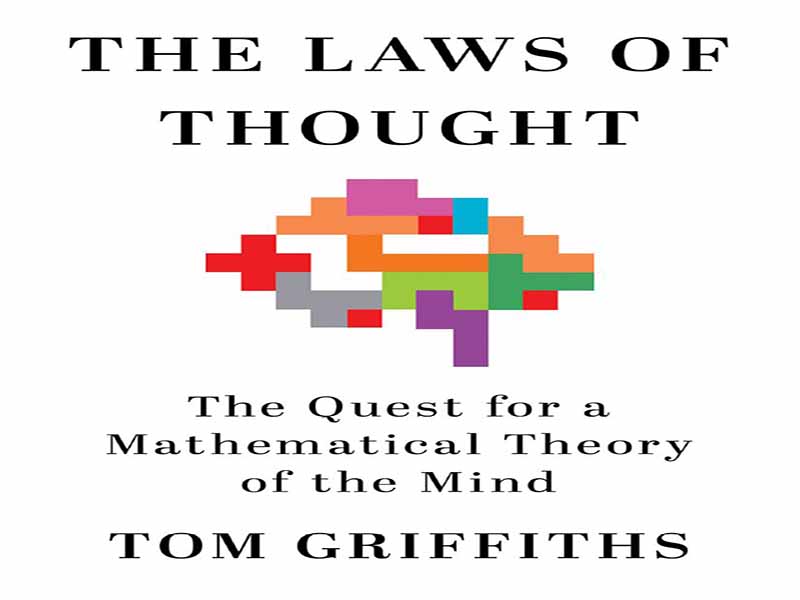
- عنوان کتاب: The Laws of Thought -The Quest for a Mathematical Theory of the Mind
- نویسنده: Tom Griffiths
- حوزه: ذهن
- سال انتشار: 2026
- تعداد صفحه: 402
- زبان اصلی: انگلیسی
- نوع فایل: pdf
- حجم فایل: 11.5 مگابایت
هر کسی درک اولیهای از چگونگی کارکرد دنیای فیزیکی دارد. ما در مدرسه فیزیک و شیمی را یاد میگیریم که به ما اجازه میدهد دنیای اطرافمان را بر اساس مفاهیمی مانند نیرو، شتاب و گرانش – قوانین طبیعت – توضیح دهیم. اما ما به همان اندازه در مفاهیم مورد نیاز برای درک دنیای درونمان – قوانین تفکر – تسلط نداریم. احتمالاً در مورد قانون جهانی گرانش نیوتن شنیدهاید. اما ممکن است در مورد قانون جهانی تعمیم شپرد – یک اصل ساده که رفتار هر موجود زنده هوشمندی را در هر کجای جهان توصیف میکند – چیزی نشنیده باشید. در حالی که داستان چگونگی استفاده از ریاضیات برای آشکار کردن اسرار دنیای بیرونی برای هر کسی که حتی علاقهای سطحی به علم داشته است، آشنا است، داستان چگونگی استفاده از آن برای مطالعه دنیای درونی ما اینطور نیست. این کتاب این داستان را روایت میکند. کمی بیش از سیصد سال پیش، گروه کوچکی از فیلسوفان و ریاضیدانان شروع به کنار هم قرار دادن رشتههایی کردند که علم مدرن را تشکیل میدهند. آنها حس مشاهده قوی، استعدادی برای انجام آزمایشها و مجموعهای جدید از ابزارها برای بیان نظریههای ریاضی را در خود پرورش دادند. در طول قرنهای بعد، مشاهده، آزمایش و ریاضیات با هم ترکیب شدهاند تا کوچکترین و بزرگترین چیزها در جهان فیزیکی را با جزئیات روزافزون آشکار کنند. اما آن فیلسوفان و ریاضیدانان فقط به جهان فیزیکی علاقهمند نبودند. آنها به ذهن نیز علاقهمند بودند و میخواستند از همان ابزارهای ریاضی برای مطالعه آن استفاده کنند. توماس هابز در مورد امکان درک «استدلال» به عنوان «محاسبه» نوشت و پرسید که آیا میتوانیم افکار را در حال جمع و تفریق تصور کنیم. رنه دکارت تصور میکرد که اعداد به افکار تقریباً به همان روشی که به مجموعهای از اشیاء فیزیکی اختصاص داده میشوند، اختصاص داده میشوند. گوتفرید ویلهلم لایبنیتس زندگی خود را صرف تلاش و در نهایت شکست برای یافتن راهی برای استفاده از حساب برای توصیف عقل انسان کرد. اولین موفقیت در استفاده از ریاضیات برای تحلیل فکر تا اواسط قرن نوزدهم ظاهر نشد، زمانی که جورج بول با ارائه نوع جدیدی از جبر، مسئلهای را که لایبنیتس نتوانسته بود حل کند، حل کرد. آن موفقیت اول پیامدهای گستردهای داشت و منجر به توسعه منطق صوری و رایانهها شد. اولین تلاشها برای ارزیابی نظریههای ریاضی تفکر با مقایسه آنها با رفتار انسان تا اواسط قرن بیستم، در انقلاب شناختی که زمینه علوم شناختی – علم میانرشتهای ذهن – را آغاز کرد، ظاهر نشد. دانشمندان علوم شناختی از آن زمان به محدودیتهای منطق صوری به عنوان مدلی از شناخت انسان پی بردهاند و رویکردهای ریاضی کاملاً جدیدی را توسعه دادهاند – شبکههای عصبی مصنوعی، که قدرت بازنماییهای پیوسته و یادگیری آماری را نشان میدهند، و مدلهای بیزی، که نشان میدهند چگونه میتوان دانش قبلی را به دست آورد و با عدم قطعیت مقابله کرد. هر کدام چیزی برای ارائه به درک ذهن دارند. در قرن بیست و یکم، دانستن قوانین تفکر به همان اندازه دانستن قوانین طبیعت برای سواد علمی مهم است. سیستمهای هوش مصنوعی روزانه نشان میدهند که جنبه دیگری از تفکر و زبان میتواند توسط ماشینها شبیهسازی شود و ما را به بازنگری در نحوه تفکر در مورد خودمان سوق میدهد. درک ذهن انسان و اینکه چه مقدار از آن میتواند خودکار شود، زمانی که ما مشاغل خود را برنامهریزی میکنیم و در مورد جهانی که فرزندانمان در آن زندگی خواهند کرد فکر میکنیم، بسیار مهم میشود. در پایان این کتاب، شما اصول اساسی نحوه عملکرد سیستمهای هوش مصنوعی مدرن را خواهید دانست و دقیقاً میدانید که در چه مواردی احتمالاً از تواناییهای انسانی عقب میمانند.
Everyone has a basic understanding of how the physical world works. We learn about physics and chemistry in school, letting us explain the world around us in terms of concepts like force, acceleration, and gravity—the Laws of Nature. But we don’t have the same fluency with the concepts needed to understand the world inside us—the Laws of Thought. You have probably heard of Newton’s universal law of gravitation. But you might not have heard of Shepard’s universal law of generalization—a simple principle that describes the behavior of any intelligent organism, anywhere in the universe. While the story of how mathematics has been used to reveal the mysteries of the external world is familiar to anybody who has taken even a casual interest in science, the story of how it has been used to study our internal world is not. This book tells that story. A little over three hundred years ago, a small group of philosophers and mathematicians began to pull together the threads that make up modern science. They developed a keen sense of observation, a talent for conducting experiments, and a new set of tools for expressing mathematical theories. Over the following centuries, observation, experiment, and mathematics have been combined to reveal both the smallest and the largest things in the physical universe in ever-increasing detail. But those philosophers and mathematicians weren’t just interested in the physical universe. They were also interested in the mind, and they wanted to use the same mathematical tools to study it. Thomas Hobbes wrote about the possibility of understanding “ratiocination” as “calculation,” asking whether we might imagine thoughts being added and subtracted. René Descartes imagined numbers being assigned to thoughts in much the same way that they are assigned to collections of physical objects. Gottfried Wilhelm Leibniz spent his life trying, and ultimately failing, to find a way to use arithmetic to describe human reason. The first success in using mathematics to analyze thought wouldn’t appear until the middle of the nineteenth century, when George Boole cracked the problem that Leibniz hadn’t been able to solve by coming up with a new kind of algebra. That first success had far-reaching consequences, leading to the development of formal logic and computers. The first attempts to evaluate mathematical theories of thought by comparing them to human behavior wouldn’t appear until the middle of the twentieth century, in the Cognitive Revolution that launched the field of cognitive science—the interdisciplinary science of the mind. Cognitive scientists have since come to recognize the limits of formal logic as a model of human cognition, and have developed completely new mathematical approaches—artificial neural networks, which illustrate the power of continuous representations and statistical learning, and Bayesian models, which reveal how to capture prior knowledge and deal with uncertainty. Each has something to offer for understanding the mind. In the twenty-first century, knowing the Laws of Thought is just as important to scientific literacy as knowing the Laws of Nature. Artificial intelligence systems demonstrate on a daily basis that yet another aspect of thought and language can be emulated by machines, pushing us to reconsider the way we think about ourselves. Understanding human minds and how much of them can be automated becomes critical as we plan our careers and think about the world that our children will occupy. By the end of this book you will know the basic principles behind how modern artificial intelligence systems work, and know exactly where they are likely to continue to fall short of human abilities.
این کتاب را میتوانید از لینک زیر بصورت رایگان دانلود کنید:
Download: The Laws of Thought





















نظرات کاربران