











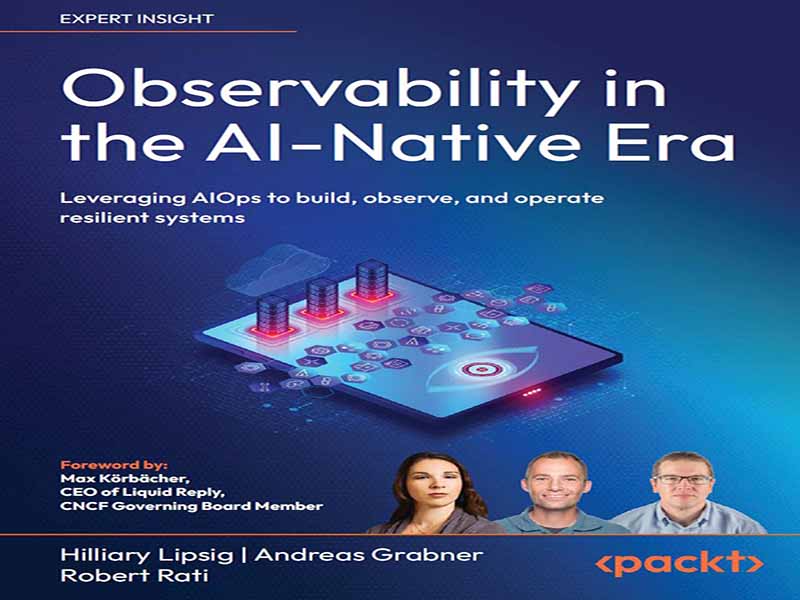
- عنوان کتاب: OBSERVABILITY IN THE AI-NATIVE ERA – Aiops (ANDREAS. LIPSIG GRABNER
- نویسنده: HILLIARY. RATI
- حوزه: کاربرد هوش مصنوعی
- سال انتشار: 2026
- تعداد صفحه: 420
- زبان اصلی: انگلیسی
- نوع فایل: pdf
- حجم فایل: 5.96 مگابایت
در طول چند سال گذشته، نحوه طراحی، ساخت و بهرهبرداری از نرمافزار به طرز چشمگیری تغییر کرده است. سیستمهای مدرن دیگر یکپارچه، قابل پیشبینی یا حتی کاملاً انسانمحور نیستند. معماریهای بومی ابری، پلتفرمهای توسعهدهنده داخلی و اجزای هوش مصنوعی که به طور فزایندهای مستقل میشوند، چرخه حیات نرمافزار را به چیزی بسیار پویاتر و بسیار پیچیدهتر تغییر شکل دادهاند. در بحبوحه این تحول، قابلیت مشاهده به عنوان یکی از مهمترین قابلیتهای تیمهای مهندسی ظهور کرده است. با این حال، با رشد تلهمتری و تبدیل شدن هوش مصنوعی به یک شهروند درجه یک در مجموعههای ما، استراتژیهایی که زمانی به خوبی به ما خدمت میکردند، دیگر کافی نیستند. این کتاب برای مهندسان و رهبرانی نوشته شده است که در حال پیمایش این واقعیت هستند. چه شما یک مهندس پلتفرم باشید که گردشهای کاری توسعهدهندگان را بهبود میبخشد، چه یک مهندس قابلیت اطمینان سایت که تابآوری را تضمین میکند، چه یک مهندس DevOps که عملیات را بهینه میکند، یا یک رهبر مهندسی که برای ارتقای تعالی عملیاتی در تیمها تلاش میکند، این کتاب شما را در جایی که هستید، ملاقات میکند. برای شروع لازم نیست متخصص هوش مصنوعی یا قابلیت مشاهده باشید. اگر روی یک پلتفرم توسعهدهنده داخلی کار میکنید یا به سمت آن حرکت میکنید، کتابهایی مانند مهندسی پلتفرم برای معماران ممکن است زمینههای مفیدی را ارائه دهند، اما خواندن آنها الزامی نیست. هدف ما این است که مفاهیم اینجا را قابل فهم، عملی و مبتنی بر چالشهای دنیای واقعی کنیم. ما این کتاب را نوشتیم زیرا قابلیت مشاهده در حال تغییر است – و به این دلیل که هوش مصنوعی در حال تغییر ماهیت قابلیت مشاهده است. به لطف استانداردهایی مانند OpenTelemetry، سازمانها امروزه تلهمتری بیشتری را نسبت به گذشته ثبت میکنند. اما حجم و پیچیدگی این دادهها میتواند به سرعت تیمهایی را که هدف توانمندسازی آنهاست، تحت الشعاع قرار دهد. در عین حال، پیشرفت در هوش مصنوعی ابزارهای جدید قدرتمندی را برای درک آن دادهها در اختیار ما قرار میدهد: مرتبط کردن سیگنالها، تشخیص زودهنگام مشکلات، کاهش بار شناختی و باز کردن سطوح جدید اتوماسیون و بینش. ما معتقدیم که تقاطع این دو روند – قابلیت مشاهده مدرن و هوش مصنوعی کاربردی – جایی است که دهه بعدی بهرهوری مهندسی به دست خواهد آمد. رویکرد ما ریشه در تجربه دارد. در طول سالهای متمادی کار در کنار تیمهای مهندسی در صنایع مختلف، دیدهایم که چه چیزی کار میکند، چه چیزی شکست میخورد و چه چیزی واقعاً مقیاسپذیر است. این کتاب آن درسها را در بهترین شیوهها، الگوها و معماریهایی که میتوانید بلافاصله اعمال کنید، خلاصه میکند. برای ملموستر کردن این سفر، ما این اصول را از طریق داستان یک شرکت خیالی اما الهام گرفته از واقعیت، در حالی که شیوههای مدرن مشاهدهپذیری و AIOps را اتخاذ میکند، در هم میآمیزیم. چالشهای آنها منعکسکننده همان چالشهایی است که در سازمانهای سراسر جهان میبینیم؛ پیروزیها و اشتباهات آنها، آنچه را که ممکن است روشن میکند. این سفر با چگونگی تکامل مشاهدهپذیری آغاز میشود – از نظارت بر سیستمهای ایستا تا درک محیطهای عمیقاً پویا و بومی ابری. از آنجا، ما شما را در پیادهسازی مشاهدهپذیری مقیاسپذیر و بهبودیافته با هوش مصنوعی در تولید و در نهایت، گسترش آن اصول باقیمانده در توسعه راهنمایی میکنیم. هدف ما این است که به شما کمک کنیم تا مشاهدهپذیری را از طریق الگوهای سلف سرویس در پلتفرمهای توسعهدهنده داخلی، به هر مهندس ارائه دهید و آن را به کاتالیزوری برای سرعت مهندسی تبدیل کنید، نه یک فکر ثانویه. در پایان این کتاب، امید ما این است که شما نه تنها بفهمید که مشاهدهپذیری چگونه در آینده بومی هوش مصنوعی جای میگیرد، بلکه چگونه آن را به یک ابرقدرت عملی برای تیمها و سازمان خود تبدیل کنید. وقتی مشاهدهپذیری و هوش مصنوعی دست در دست هم کار میکنند، به چیزی بسیار فراتر از یک مجموعه ابزار تبدیل میشوند – آنها به یک نیروی چند برابر کننده برای قابلیت اطمینان، نوآوری و تابآوری تبدیل میشوند. از شما متشکریم که در این سفر به عصر هوش مصنوعی در عملیات نرمافزاری به ما پیوستید. ما هیجانزدهایم که آموختههایمان را به اشتراک بگذاریم – و حتی بیشتر هیجانزدهایم که ببینیم شما با آن چه خواهید ساخت.
Over the past several years, the way we design, build, and operate software has shifted dramatically. Modern systems are no longer monolithic, predictable, or even entirely humandriven. Cloud-native architectures, internal developer platforms, and increasingly autonomous AI components have reshaped the software lifecycle into something far more dynamic—and far more complex. Amid this transformation, observability has emerged as one of the most critical capabilities for engineering teams. Yet as telemetry grows and AI becomes a first-class citizen in our stacks, the strategies that once served us well are no longer enough. This book was written for engineers and leaders navigating that reality. Whether you are a platform engineer improving developer workflows, a site reliability engineer ensuring resilience, a DevOps engineer optimizing operations, or an engineering leader striving to elevate operational excellence across teams, this book meets you where you are. You do not need to be an expert in AI or observability to start. If you are working on or moving toward an internal developer platform, books such as Platform Engineering for Architects may offer useful groundwork, but they are not required to read. Our goal is to make the concepts here approachable, actionable, and grounded in real-world challenges. We wrote this book because observability is changing—and because AI is changing what observability can be. Thanks to standards such as OpenTelemetry, organizations today capture more telemetry than ever before. But the volume and complexity of that data can quickly overwhelm the very teams it aims to empower. At the same time, advances in AI give us powerful new tools to make sense of that data: correlating signals, detecting issues earlier, reducing cognitive load, and unlocking new levels of automation and insight. We believe the intersection of these two trends—modern observability and practical AI—is where the next decade of engineering efficiency will be won. Our approach is rooted in experience. Over many years spent working alongside engineering teams across industries, we have seen what works, what fails, and what truly scales. This book distills those lessons into best practices, patterns, and architectures you can apply immediately. To make the journey concrete, we weave these principles through the story of a fictional yet reality-inspired company as it adopts modern observability and AIOps practices. Their challenges reflect the same ones we see in organizations worldwide; their wins and missteps illuminate what’s possible. The journey begins with how observability has evolved—from monitoring static systems to understanding deeply dynamic, cloud-native environments. From there, we guide you through implementing scalable, AI-enhanced observability in production, and, ultimately, expanding those principles left into development. Our goal is to help you bring observability to every engineer through self-service patterns within internal developer platforms, turning it into a catalyst for engineering velocity rather than an afterthought. By the end of this book, our hope is that you will not only understand how observability fits into the AI-native future, but also how to make it a practical superpower for your teams and your organization. When observability and AI work hand in hand, they become far more than a toolset—they become a force multiplier for reliability, innovation, and resilience. Thank you for joining us on this journey into the AI age of software operations. We are excited to share what we’ve learned—and even more excited to see what you will build with it.
این کتاب را میتوانید از لینک زیر بصورت رایگان دانلود کنید:
Download: OBSERVABILITY IN THE AI-NATIVE ERA





















نظرات کاربران