












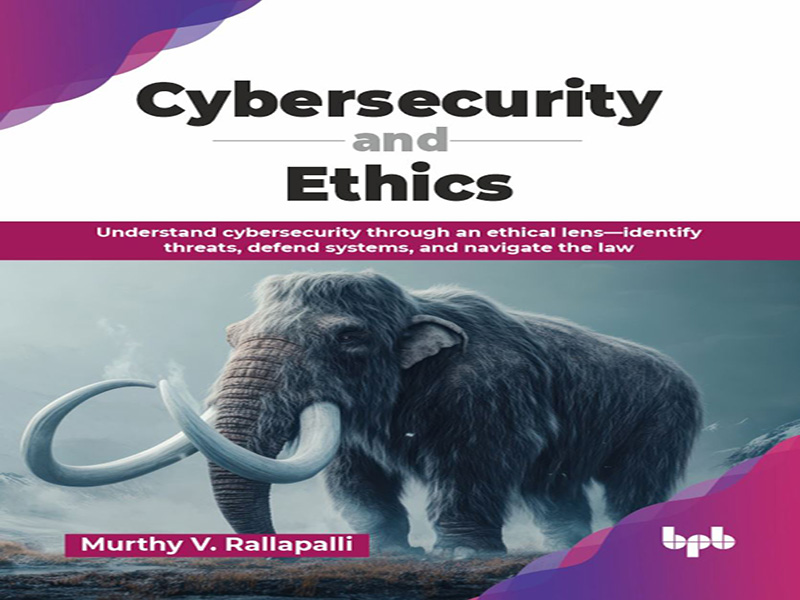
- عنوان کتاب: Cybersecurity and Ethics
- نویسنده: Murthy V. Rallapalli
- حوزه: حقوق سایبری
- سال انتشار: 2026
- تعداد صفحه: 435
- زبان اصلی: انگلیسی
- نوع فایل: pdf
- حجم فایل: 3.29 مگابایت
حقوق سایبری، حوزهای با رشد سریع و دائماً در حال تغییر است که تقریباً بر هر کاری که در دنیای دیجیتال امروز انجام میدهیم، تأثیر میگذارد. با پیشرفت فناوری و ارتباط مردم، کسبوکارها و دولتها به روشهای جدید، قوانین نیز باید برای همگام شدن با آن تکامل یابند. بسیاری از حقوق و حمایتهایی که در دنیای فیزیکی به آنها متکی هستیم، مانند حریم خصوصی، امنیت و آزادی بیان، اکنون به صورت آنلاین به چالش کشیده شده و تغییر شکل میدهند. درک این محیط نه تنها مستلزم دانستن نحوه عملکرد فناوری، بلکه همچنین چگونگی تطبیق قوانین حقوقی و اصول اخلاقی در دنیایی است که توسط نوآوری هدایت میشود. از آنجایی که فضای مجازی به سرعت تغییر میکند، مطالعه حقوق سایبری و حقوق دیجیتال هم هیجانانگیز و هم دشوار است. این کتاب مقدمهای روشن و جامع از حقوق سایبری و حقوق دیجیتال ارائه میدهد. این کتاب به خوانندگان پایهای قوی در سیستمها، سیاستها و فناوریهای حقوقی که چشمانداز دیجیتال امروز را شکل میدهند، میدهد. فصلها طیف گستردهای از موضوعات را پوشش میدهند، از مفاهیم اساسی محاسبات و امنیت سایبری گرفته تا حوزههای تخصصی مانند تجارت الکترونیک، حفاظت از دادهها و مالکیت معنوی. این کتاب همچنین قوانین ملی را بررسی میکند، از جمله نگاهی دقیق به چارچوب حقوق سایبری هند، توافقنامههای بینالمللی و تلاشهای جهانی برای حفاظت از حقوق بشر آنلاین. در طول کتاب، چالشهای اخلاقی ناشی از تلاقی قانون و فناوری را بررسی میکنیم. محتوا، دیدگاههای جهانی فعلی را منعکس میکند و به خوانندگان کمک میکند تا نه تنها قوانین را درک کنند، بلکه دلیل وجود آنها و نحوه اعمال آنها در موقعیتهای واقعی را نیز درک کنند. هر فصل، ایدههای پیچیده را به توضیحات سادهای که با مثالهای عملی پشتیبانی میشوند، تجزیه میکند. شما خواهید آموخت که قراردادهای الکترونیکی چگونه کار میکنند، چه چیزی جرم سایبری محسوب میشود، چگونه از حریم خصوصی محافظت میشود و موارد دیگر. پروندههای واقعی، سیاستهای کلیدی و سناریوهای فرضی نشان میدهند که قوانین در عمل چگونه عمل میکنند. اصول اخلاقی و بهترین شیوهها به طور مداوم برجسته شدهاند و به شما کمک میکنند تا ببینید چگونه از امنیت و حقوق فردی محافظت کنید. با مطالعه این مباحث، نه تنها دانش واقعی ایجاد خواهید کرد، بلکه توانایی تفکر انتقادی در مورد چالشهای جدید فناوری و حقوقی را نیز توسعه خواهید داد. این کتاب برای دانشجویان و متخصصانی که در زمینه حقوق سایبری و حقوق دیجیتال تازهکار هستند، از جمله افرادی که پیشینه فنی ندارند، طراحی شده است. چه در حال تحصیل در رشته حقوق، فناوری اطلاعات، سیاست عمومی باشید یا صرفاً بخواهید نحوه اعمال مفاهیم حقوقی را به صورت آنلاین درک کنید، این متن شما را گام به گام راهنمایی میکند. همچنین برای خوانندگانی که از قبل تجربهای در زمینه فناوری یا قانون دارند اما میخواهند درک خود را بهروز و عمیقتر کنند، مفید است. فصلها از ایدههای اولیه به بحثهای پیشرفتهتر میروند و مطالب را برای مبتدیان قابل فهم میکنند، در حالی که برای خوانندگان آگاهتر نیز ارزشمند هستند. در پایان این کتاب، شما آماده خواهید بود تا با مسائل اصلی حقوقی و اخلاقی عصر دیجیتال، از جرایم سایبری و نقض دادهها گرفته تا گفتار آنلاین و همکاری بینالمللی در زمینه امنیت سایبری، درگیر شوید. امیدوارم مطالب برای شما واضح، آموزنده و الهامبخش باشد و شما را تشویق کند تا در ایجاد یک دنیای دیجیتال امنتر و عادلانهتر مشارکت کنید. فصل 1: مبانی محاسبات در فناوری، شبکهها و اخلاق – این فصل اصول فنی و اخلاقی زیربنایی قانون سایبری را معرفی میکند. خوانندگان یاد میگیرند که رایانهها، سیستمهای عامل و شبکهها چگونه کار میکنند، چرا اتصال به اینترنت برای امنیت اهمیت دارد و چگونه نظریههای اخلاقی مانند فایدهگرایی، وظیفهگرایی و اخلاق فضیلت، تصمیمگیری را شکل میدهند. همچنین تاریخچه مختصری از امنیت سایبری ارائه میدهد. این فصل با ترکیب مبانی فنی با اصول اخلاقی، شما را برای درک دلیل وجود قوانین سایبری و تفکر انتقادی در مورد موضوعات بعدی آماده میکند. فصل ۲: مبانی امنیت سایبری – این فصل اصول اصلی امنیت سایبری، از جمله سهگانه محرمانگی، یکپارچگی و در دسترس بودن (CIA) را بررسی میکند. این فصل تهدیدات رایج، آسیبپذیریها، بدافزارها، روشهای هک، اصول رمزنگاری، احراز هویت، کنترل دسترسی و نقش سیاستهای امنیتی سازمانی را تشریح میکند. ملاحظات اخلاقی، مانند مسئولیت محافظت از کاربران و سیستمها، در طول بحث گنجانده شده است. در پایان، خوانندگان هم دانش امنیتی عملی و هم یک طرز فکر اخلاقی که از مباحث حقوقی پیش رو پشتیبانی میکند، به دست میآورند. فصل ۳: اخلاق سایبری و مسائل حرفهای – این فصل بر افراد به جای فناوری تمرکز دارد. این فصل وظایف اخلاقی متخصصان فناوری اطلاعات و امنیت سایبری را بررسی میکند. این فصل، کدهای رفتاری، یکپارچگی، پاسخگویی، افشای مسئولانه، اخلاق محل کار و مسئولیتهای اجتماعی سازمانهای فناوری را برجسته میکند. خوانندگان از طریق سناریوهای دنیای واقعی مشاهده خواهند کرد که چگونه اصولی مانند صداقت، انصاف و احترام به حریم خصوصی، انتخابهای حرفهای را هدایت میکنند. این بینشها به آنها کمک میکند تا قضاوت اخلاقی مورد نیاز برای مطالعات موردی حقوقی بعدی را توسعه دهند. فصل ۴: تهدیدات و جرایم سایبری – این فصل توضیح میدهد که جرایم سایبری چیست و جرایم عمده آنلاین، از جمله حملات بدافزار، هک، دسترسی غیرمجاز، کلاهبرداری، فیشینگ را بررسی میکند.
Cyber law is a fast-growing and constantly changing field that affects almost everything we do in today’s digital world. As technology advances and connects people, businesses, and governments in new ways, laws must evolve to keep pace. Many of the rights and protections we rely on in the physical world, such as privacy, security, and freedom of expression, are now being challenged and reshaped online. Understanding this environment requires knowing not only how technology works but also how legal rules and ethical principles adapt in a world driven by innovation. Since cyberspace changes so quickly, the study of cyber law and digital rights is both exciting and demanding. This book provides a clear and comprehensive introduction to cyber law and digital rights. It gives readers a strong foundation in the legal systems, policies, and technologies that shape today’s digital landscape. The chapters cover a wide range of topics, from basic computing and cybersecurity concepts to specialized areas like e-commerce, data protection, and intellectual property. The book also examines national laws, including a detailed look at India’s cyber law framework, international agreements, and global efforts to safeguard human rights online. Throughout, we explore the ethical challenges that arise when law and technology intersect. The content reflects current global perspectives, helping readers understand not only what the laws are, but why they exist and how they apply in real situations. Each chapter breaks down complex ideas into simple explanations supported by practical examples. You will learn how electronic contracts function, what counts as a cybercrime, how privacy is protected, and more. Real cases, key policies, and hypothetical scenarios show how rules operate in practice. Ethical principles and best practices are consistently highlighted, helping you see how to protect both security and individual rights. By working through these topics, you will not only build factual knowledge but also develop the ability to think critically about new technological and legal challenges. This book is designed for students and professionals who are new to cyber law and digital rights, including those without a technical background. Whether you are studying law, IT, public policy, or simply want to understand how legal concepts apply online, this text will guide you stepby- step. It is also useful for readers who already have some experience with technology or law but want to update and deepen their understanding. The chapters move from basic ideas to more advanced discussions, making the material accessible for beginners while still valuable for more knowledgeable readers. By the end of this book, you will be prepared to engage with the major legal and ethical issues of the digital age, from cybercrime and data breaches to online speech and international cybersecurity cooperation. I hope you find the material clear, informative, and inspiring, and that it encourages you to contribute to a safer and more just digital world. Chapter 1: Foundations of Computing in Technology, Networks, and Ethics– This chapter introduces the technical and ethical basics underlying cyber law. The readers will learn how computers, operating systems, and networks function, why internet connectivity matters for security, and how ethical theories like utilitarianism, deontology, and virtue ethics shape decision-making. It also offers a brief history of cybersecurity. By blending technical foundations with moral principles, the chapter prepares you to understand why cyber laws exist and to think critically about later topics. Chapter 2: Cybersecurity Fundamentals– This chapter explores the core principles of cybersecurity, including the confidentiality, integrity, and availability (CIA) triad. The chapter outlines common threats, vulnerabilities, malware, hacking methods, cryptography basics, authentication, access control, and the role of organizational security policies. Ethical considerations, such as the responsibility to protect users and systems, are woven through the discussion. By the end, the readers gain both practical security knowledge and an ethical mindset that supports the legal topics ahead. Chapter 3: Cyber Ethics and Professional Issues– This chapter focuses on people rather than technology. It examines the ethical duties of IT and cybersecurity professionals. It highlights codes of conduct, integrity, accountability, responsible disclosure, workplace ethics, and the social responsibilities of tech organizations. Through real-world scenarios, the readers will observe how principles like honesty, fairness, and respect for privacy guide professional choices. These insights will help them to develop the ethical judgment needed for later legal case studies. Chapter 4: Cyber Threats and Crimes– This chapter explains what cybercrime is and surveys major online offenses, including malware attacks, hacking, unauthorized access, fraud, phishing, ransomware, cyber terrorism, and cyber warfare. Real examples show how these threats affect individuals and societies. Ethical questions, such as the morality of hacking and the balance between security and civil liberties, are considered throughout. The chapter provides essential context for understanding the legal responses covered later. Chapter 5: Cyber Law in India– This chapter introduces India as an example and outlines how a nation structures its cyber laws. The readers will learn about the Information Technology Act, 2000, which gives legal recognition to electronic records and digital signatures, defines cybercrimes, and establishes authorities and tribunals. Key cases, such as Shreya Singhal vs. Union of India and the Bazee.com case, will illustrate practical impacts on rights and business. Ethical issues like privacy, security, and comparisons with global approaches are also explored. Chapter 6: Cybercrime Investigation and Forensics– This chapter details how cybercrimes are investigated and how digital evidence is handled. Topics include evidence preservation, forensic tools and techniques, chain of custody, and legal requirements such as warrants and jurisdictional concerns in cross-border cases. Ethical challenges, especially around privacy and due process, are emphasized, and the readers will gain an understanding of how law and technology intersect during investigations. Chapter 7: Electronic Records and Governance– In this chapter, the readers will learn how laws support electronic records and digital processes in both government and business. The chapter explains digital signatures, PKI, authentication, and the legal validity of electronic documents. It also covers e-governance initiatives, such as digital identity systems and online public services, with examples from India and countries like Estonia. Issues such as privacy, equitable access, and system security are examined to show how digital governance must balance efficiency and rights. Chapter 8: Intellectual Property in Cyberspace– This chapter introduces copyrights, trademarks, patents, and trade secrets, and then details how each faces unique challenges online. Topics include digital piracy, domain name disputes, software patents, open-source innovation, and protecting trade secrets in an era of data breaches. The chapter also outlines enforcement tools like takedown notices and explains the role of global agreements such as TRIPS and WIPO treaties. The readers will learn how IP laws adapt to the digital world while trying to preserve creativity and openness. Chapter 9: E-commerce Law– This chapter explains the legal framework that allows online businesses to function securely. It covers electronic contracts, digital signatures, consumer rights, data protection, cybersecurity obligations for businesses, and secure payment systems. The chapter also highlights cross-border challenges in e-commerce and the international rules that help resolve them, and the readers will gain a clear view of how law builds trust in the digital marketplace. Chapter 10: International Cyber Law– Recognizing that cyber issues cross national borders, this chapter explores international cooperation. It covers key agreements like the Budapest Convention on Cybercrime, compares regional approaches such as the EU’s GDPR and U.S. policies, and discusses cyber warfare and emerging global norms. The roles of the UN, INTERPOL, and other international bodies are highlighted. The chapter shows how nations balance sovereignty with the need for collective cybersecurity. Chapter 11: Human Rights in Cyberspace– The final chapter examines how rights such as free expression, privacy, and equality apply online. It discusses content moderation, censorship, misinformation, surveillance, data protection laws, and the global digital divide. Ethical tensions, such as balancing expression with protection from harm, are explored throughout. This chapter ties together the book’s legal and ethical themes, offering a holistic view of human rights in the digital age.
این کتاب را میتوانید از لینک زیر بصورت رایگان دانلود کنید:
Download: Cybersecurity and Ethics
























نظرات کاربران