











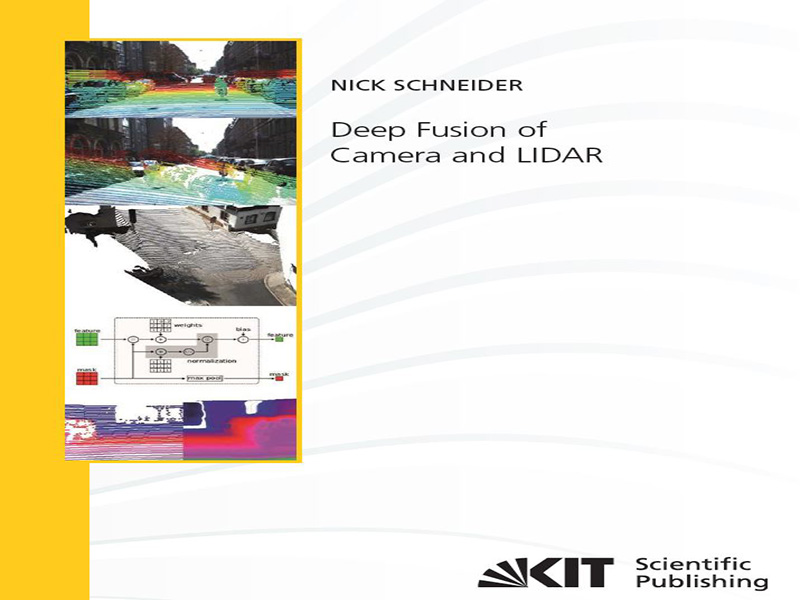
- عنوان کتاب: Deep Fusion of Camera and LIDAR
- نویسنده: Nick Schneider
- حوزه: فیوژن داده
- سال انتشار: 2026
- تعداد صفحه: 148
- زبان اصلی: انگلیسی
- نوع فایل: pdf
- حجم فایل: 3.67 مگابایت
این پایاننامه با ترکیب دادههای LIDAR و دوربین با استفاده از شبکههای عصبی عمیق، به چالشهای موجود در زمینه رانندگی خودکار میپردازد. در این فصل ابتدا اهداف و انگیزه این تحقیق معرفی خواهد شد. برای این منظور، در بخش 1.1 با تاریخچه و وضعیت فعلی رانندگی خودکار شروع میکنیم. در ادامه با مروری بر حسگرها در وسایل نقلیه خودکار (بخش 1.2) ادامه میدهیم و در بخش 1.3 نحوه ترکیب دادههای حسگر را مورد بحث قرار میدهیم. اخیراً، روشهای ترکیب دادههای چندوجهی با استفاده از شبکههای عصبی عمیق پیشنهاد شدهاند. مروری بر آنها و بحث در مورد آنها در بخش 1.4 ارائه شده است. در نهایت، اهداف این پایاننامه و طرح کلی آن به ترتیب در بخش 1.5 و بخش 1.6 ارائه شده است. تحرک همیشه بخش جداییناپذیر جامعه ما بوده است. به ویژه اختراع خودرو در قرن نوزدهم تأثیر چشمگیری بر زندگی روزمره انسانها داشته است. از آن زمان، اتومبیلها و سایر وسایل نقلیه نحوه حمل و نقل را شکل دادهاند. امروزه، زمان قابل توجهی در اتومبیلها صرف میشود [57]، که آنها را به فضای مهمی برای زندگی تبدیل میکند. با این حال، افزایش استفاده از وسایل نقلیه دائماً بار سنگینی را بر زیرساختهای ترافیکی ما وارد میکند و منجر به ازدحام قابل توجه جادهها و پارکینگهای پر میشود. هر روز، تصادفات جادهای باعث هزاران مرگ و میر [82] و حتی جراحات بیشتر میشود. و با افزایش وسایل نقلیه در جادهها، تأثیر بر محیط زیست نیز افزایش یافته است. مقادیر زیادی انرژی و منابع برای زیرساختها، تولید و سوخترسانی به وسایل نقلیه مورد نیاز است. با انگیزه این توسعه، تولیدکنندگان خودرو، شرکتهای بزرگ فناوری و بسیاری از استارتاپها در ارائه یک راهحل پیشگامانه به بازار – رانندگی خودکار – رقابت میکنند. انتظار میرود رانندگی خودکار کیفیت و در دسترس بودن تحرک را از بسیاری جهات بهبود بخشد. این امر با فراهم کردن امکان کار، تفریح یا خواب برای مسافر، امکان بهینهسازی زمان صرف شده در وسایل نقلیه را فراهم میکند. این امر به افراد مسن یا دارای معلولیت این امکان را میدهد که مستقیماً از خانه سوار شوند و در محل مورد نظرشان پیاده شوند. علاوه بر این، تصادفات رانندگی میتواند به شدت کاهش یابد و در نتیجه تلفات کمتری در سال داشته باشد. با این حال، وسایل نقلیه خودکار نه تنها یک پیشرفت تکنولوژیکی هستند، بلکه میتوانند خود تحرک را نیز متحول کنند. آنها خدمات پیچیده تحرک اشتراکی را امکانپذیر میکنند و نیاز به وسایل نقلیه خصوصی را کاهش میدهند. تحرک اشتراکی میانگین تعداد مسافران در هر خودرو را افزایش میدهد. کاهش تعداد کل وسایل نقلیه در جادهها میتواند به طور قابل توجهی هم زیرساختهای ترافیکی و هم محیط زیست را بهبود بخشد. در سالهای اخیر، رانندگی خودکار از قلمرو علمی-تخیلی به واقعیت تبدیل شده است، به خصوص به دلیل افزایش قدرت پردازش و پیشرفت در یادگیری ماشین. با این حال، بسیاری از مشکلات هنوز حل نشدهاند و رانندگی خودکار همچنان یکی از چالش برانگیزترین مشکلات فناوری قرن بیست و یکم است.
This dissertation addresses open challenges in the field of autonomous driving by fusing LIDAR and camera data leveraging deep neural networks. This chapter will first introduce the goals and motivation of this research. To that end, we start with the history and current state of autonomous driving in Section 1.1. We continue with an overview of sensors in autonomous vehicles (Section 1.2) and discuss how to fuse sensor data in Section 1.3. More recently, multimodal data fusion methods leveraging deep neural networks have been proposed. An overview and discussion on them is presented in Section 1.4. Finally, the goals of this dissertation and its outline are provided in Section 1.5 and Section 1.6, respectively. Mobility has always been an integral part of our society. Especially the invention of the automobile in the 19th century has had a drastic impact on the everyday life of humans. Since then cars and other vehicles have shaped the way of transportation. Today, a significant amount of time is spent in cars [57], making them an important space of living. However, the increase in vehicle usage is constantly putting a burden on our traffic infrastructure, resulting in significant road congestion and full parking lots. Every day, road traffic accidents cause thousands of fatalities [82] and even more injuries. And with more vehicles on the road, the impact on the environment has increased as well. Large amounts of energy and resources for infrastructure, production, and fueling of vehicles are required. Motivated by this development, car manufacturers, big technological companies and many startups compete in bringing a groundbreaking solution to the market—autonomous driving. Autonomous driving is expected to improve the quality and availability of mobility in many aspects. It will allow to optimize the time spent in vehicles by enabling the passenger to work, leisure or sleep. It will enable elderly or impaired people to be picked up directly from home and be dropped at their target. Furthermore, traffic accidents could be drastically reduced, resulting in fewer fatalities per year. However, autonomous vehicles are not only a technological improvement but can also revolutionize mobility itself. They enable complex shared mobility services, reducing the need of privately owned vehicles. Shared Mobility would increase the average number of passengers per car. The accompanying reduction of the total number of vehicles on the roads could significantly relieve both the traffic infrastructure and the environment. In recent years, autonomous driving has been moving from the realm of science-fiction to reality, especially due to increased processing power and the advances in machine learning. Yet, many problems are still unsolved and autonomous driving remains one of the most challenging technological problems of the 21st century.
این کتاب را میتوانید از لینک زیر بصورت رایگان دانلود کنید:
Download: Deep Fusion of Camera and LIDAR


























نظرات کاربران