













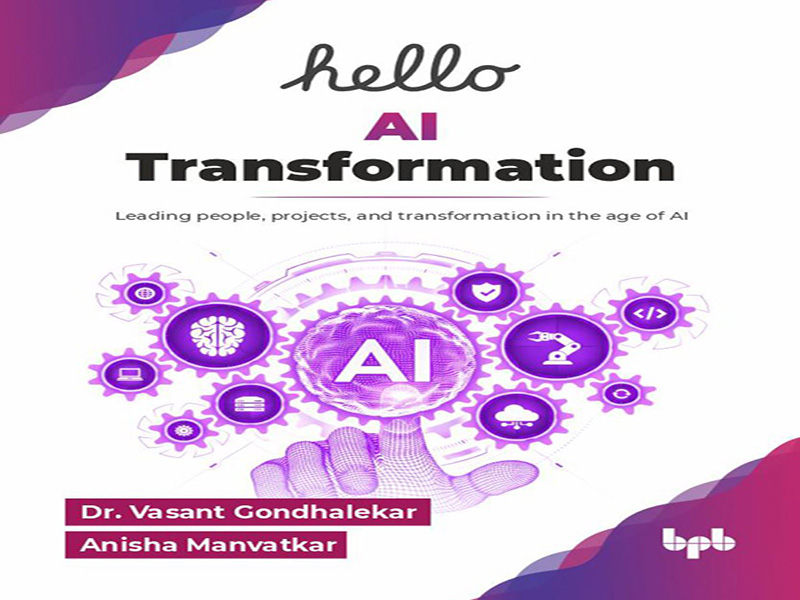
- عنوان کتاب: Hello AI Transformation
- نویسنده: Dr. Vasant Gondhalekar
- حوزه: آینده هوش مصنوعی
- سال انتشار: 2026
- تعداد صفحه: 291
- زبان اصلی: انگلیسی
- نوع فایل: pdf
- حجم فایل: 4.61 مگابایت
همه ما در حال تجربه یکی از مهمترین انقلابهای زمان خود به نام هوش مصنوعی (AI) هستیم. این انقلاب قرار است هر صنعتی را متحول کند و نحوه زندگی و کار ما را تغییر دهد. ما نویسندگان، هوش مصنوعی را به عنوان یک تأثیر مثبت میبینیم که جهان را به مکانی بهتر تغییر میدهد و ایده این کتاب از آنجا متولد شد. این کتاب برای متخصصان در صنایع و نقشهای مختلف، و همچنین برای دانشجویان و متخصصان جوان نوشته شده است تا یک راهنمای منسجم برای عناصر اساسی تحول دیجیتال و نقشی که هر فرد ایفا میکند، ارائه دهد. آنچه در اینجا ارائه میدهیم، تصویری جامع از چگونگی تبدیل هوش مصنوعی به بخش جداییناپذیر اقتصاد دیجیتال، تحول دیجیتال و استراتژی کسب و کار است. هدف این کتاب حمایت از متخصصان باتجربه و جوان در حال پیمایش ابتکارات تحول و دانشجویانی است که به دنبال درک چگونگی درهمتنیدگی اقتصاد و استراتژی دیجیتال هستند. این کتاب همچنین به بررسی چگونگی تغییر و همگرایی این پویاییها بین مشاغل B2B و B2C و چگونگی تأثیر هوش مصنوعی بر همه جنبهها میپردازد. ما نمونههایی از صنایع مختلف را در زندگی واقعی گنجاندهایم، بنابراین این مفاهیم از طریق برنامههای کاربردی خاص صنعت بهتر درک میشوند. در این انقلاب، درک نقشهای در حال تحول ذینفعان، مشتریان، مدیران برنامه و کارمندان و چگونگی تغییر انتظارات آنها، بسیار مهم است. چه چیزی مدیریت تغییر را برای آنها هدایت میکند و چگونه با شخصیتهای مختلف برخورد کنیم. نقش مدیر برنامه در اجرای استراتژی و برنامهها در این دنیای در حال تغییر بسیار مهم میشود، بنابراین ما یک فصل را به آن اختصاص دادهایم، همراه با اینکه چگونه هوش مصنوعی به مدیران برنامه کمک میکند. ما این کتاب را با تمرکز بر چگونگی حفظ استراتژی و رشد به پایان میرسانیم، زیرا ذینفعان شگفتیهای یکباره را دوست ندارند، بلکه بر پایداری بلندمدت تمرکز میکنند. در حالی که ما یک فصل خاص را به هوش مصنوعی اختصاص دادهایم، در سراسر کتاب نمونههایی در مورد نقش هوش مصنوعی ارائه کردهایم. ما نکات عملی زیادی در مورد ابزارهای مختلف هوش مصنوعی به عنوان نمونه ارائه کردهایم. امیدواریم که این نه تنها به خوانندگان کمک کند تا تأثیر هوش مصنوعی را درک و فهم کنند، بلکه آن را به طور معناداری در زمینههای خود به کار گیرند. بحثهای زیادی در مورد هوش مصنوعی وجود دارد و ما نویسندگان به تأثیر مثبت آن بسیار معتقدیم. هوش مصنوعی به ما میآموزد که چیزهای جدید یاد بگیریم و ما را مجبور میکند که در هر مرحله از تحول به تصویر بزرگ نگاه کنیم. بنابراین، ما دیدگاهی در مورد اخلاق و حاکمیت هوش مصنوعی در حین رشد آن ارائه دادهایم. امیدواریم همه خوانندگان، دانشجویان، متخصصان جوان و باتجربه، نکات مهمی را دریافت کرده و از خواندن کتاب لذت ببرند. فصل 1: هدایت استراتژی دیجیتال برای تأثیرگذاری – ما با اهمیت اقتصاد دیجیتال و سرعت رشد آن شروع میکنیم. این فصل بینشی در مورد نیاز به استراتژی دیجیتال، آنچه واقعاً آن را هدایت میکند و چگونگی موفقیت آن ارائه میدهد. چگونه میتوان چشمانداز کسبوکار، نیازهای مشتری و فناوری را در یک جهت منسجم همسو کرد. استراتژی نه تنها در مورد محصولات است، بلکه میتواند در مورد پیوند دادن کل اکوسیستم محصولات، شرکا، نهادهای حاکم و مشتریان نیز باشد. نمونههای موردی ارائه شده، روشن میکند که چرا هوشیار ماندن و چرا استراتژی برای بقای کسبوکار مهم است. شما کشف خواهید کرد که چگونه استراتژی به سوخت رشد، نوآوری و ارتباط پایدار تبدیل میشود. بینشهای اینجا به هدایت تحول با هدف، وضوح و تأثیرگذاری کمک میکند. فصل 2: پیمایش اقتصاد دیجیتال با دادهها – این فصل در مورد مفهوم اقتصاد دیجیتال، نقش دادهها در اقتصاد دیجیتال است و به مطالعات موردی مختلف در مورد چگونگی مهار اقتصاد دیجیتال میپردازد. دادهها به ارز جدید تبدیل شدهاند. بزرگترین مزیت اقتصاد دیجیتال، دسترسی به دادهها، رفتار و الگوهای خرید مشتری است که تنها چند نمونه از آنها را نام میبریم. پس از جمعآوری دادهها، میتوان آنها را تجزیه و تحلیل و به هوش تبدیل کرد. سپس با محصولات، خدمات، فروش و بازاریابی سفارشی برای رشد کسب و کار، از آنها بیشتر درآمد کسب میشود. مثالهای واقعی نشان میدهند که چگونه دادهها تصمیمات، محصولات و تجربیات مشتری را تغییر میدهند. در پایان، اهمیت دادهها نه صرفاً به عنوان اعداد، بلکه به عنوان یک استراتژی در حال حرکت درک خواهد شد. فصل 3: تبدیل استراتژی به اجرای دیجیتال – ایدهها فقط به اندازه اجرای آنها قوی هستند. این فصل، نیت استراتژیک را از طریق طرحهای اجرایی واقعی به عمل تبدیل میکند. بیاموزید که چگونه پلتفرمهای موبایل، وب و هوش مصنوعی برای ارائه نتایج تجاری قابل اندازهگیری با هم ترکیب میشوند و چگونه راهحلهای معمول از حضور دیجیتال تشکیل میشوند. این اتفاق از طریق برنامههای کاربردی موبایل، وبسایتها، پورتالهای وب و پلتفرمهای همراه با دستگاههایی که برای فعال کردن حضور دیجیتال دست به دست هم میدهند، رخ میدهد. سپس تمرکز به فناوریها، نقش آنها و نحوه انتخاب فناوری مناسب برای هر کاربرد در استراتژی و تحول معطوف میشود. سپس این فصل در مورد کانالهای مختلف برای بازاریابی محصولات و برند صحبت میکند. همه این عناصر نقش کلیدی در تبدیل استراتژی به اجرای دیجیتال دارند و نشان میدهند که چگونه میتوان مفاهیم دیجیتال را به نتایجی تبدیل کرد که مقیاسپذیر و پایدار باشند. فصل ۴: طراحی استراتژیهای هوشمند برای B2B و B2C – استراتژیهای B2B و B2C
We are all living through one of the most significant revolutions of our times, called artificial intelligence (AI). It is going to transform every industry and reshape how we live and work. We authors see AI as a positive influence, changing the world for a better place, and the idea of this book was born. This book is written for professionals across industries and roles, as well as for students and young professionals, to provide a cohesive guide to the essential elements of digital transformation and the role each person plays. What we present here is a holistic picture of how AI is now an integral part of the digital economy, digital transformation, and business strategy. The book is aimed at supporting both experienced and young professionals navigating transformation initiatives and students who seek to understand how the digital economy and strategy are intertwined. The book further explores how these dynamics vary and converge between B2B and B2C businesses and how AI influences all aspects. We have included reallife examples from a variety of industries, so these concepts are better understood through industry-specific applications. In this revolution, it is important to understand the evolving roles of stakeholders, customers, program managers, and employees, and how their expectations are changing. What drives change management for them, and how to deal with various personas. The program manager’s role is becoming very important in executing the strategy and programs in this changing world, and so we have dedicated a chapter to it, along with how AI helps the program managers. We end this book by focusing on how to sustain the strategy and growth, as stakeholders do not like one-time wonders, but rather focus on long-term sustenance. While we have dedicated a chapter specific to AI, we have provided examples throughout the book on the role of AI. We have provided many practical tips on various AI tools as examples. We hope this not only helps readers to grasp and understand the impact of AI but also to apply it meaningfully in their own contexts. There is a lot of debate on AI, and we authors are big believers in its positive impact. AI is teaching us to learn new things and forcing us to look at the big picture every step of the transformation. We have thus provided a viewpoint on the ethics and governance of AI as it grows. We hope all readers, students, young and seasoned professionals alike, get some important nuggets and enjoy reading the book. Chapter 1: Driving Digital Strategy for Impact- We begin with the importance of the digital economy and how rapidly it is growing. It will provide insight into the need for digital strategy, what truly drives it, and how to make it successful. How to align business vision, customer needs, and technology in one cohesive direction. Strategy is not only about products, but it can also be about stitching the entire ecosystem of products, partners, governing bodies, and customers. The case examples provided will illuminate why it is important to stay vigilant and why strategy is important for business survival. You will discover how strategy becomes the fuel for growth, innovation, and lasting relevance. Insights here help to lead transformation with purpose, clarity, and impact. Chapter 2: Navigating the Digital Economy with Data- This chapter is about the concept of the digital economy, the role of data in the digital economy, and looks at various case studies on how the digital economy was harnessed. Data has become the new currency. The biggest advantage of the digital economy is access to customer data, behavior, and purchase patterns, to name a few. Once the data is captured, it can be analyzed and distilled into intelligence. It is then further monetized with customized products, services, sales, and marketing to grow the business. Real-life examples show how data transforms decisions, products, and customer experiences. By the end, the importance of data will be understood not merely as numbers, but as a strategy in motion. Chapter 3: Turning Strategy into Digital Execution- Ideas are only as strong as their execution. This chapter turns strategic intent into action through real implementation blueprints. Learn how mobile, web, and AIdriven platforms combine to deliver measurable business results and how typical solutions consist of digital presence. This happens via mobile applications, websites, web portals, and platforms coupled with devices that go hand in glove to enable digital presence. The focus then turns to technologies, their role, and how to choose the right technology for each application in strategy and transformation. The chapter then talks about the various channels to market the products and the brand. All these elements play a key role in turning strategy into digital execution and showcase how to convert digital concepts into outcomes that scale and sustain. Chapter 4: Designing Smart Strategies for B2B and B2C- B2B and B2C strategies differ and yet converge. We will understand the variation and the convergence through the traditional ways of doing business, and how digital strategy and AI are forcing the convergence. Both these segments have learned from each other to create success and growth. There are two case examples, one from each, B2B and B2C, to understand the cross learning. The chapter then turns to marketing channels and looks into the variation and convergence of these channels as well. Expect clarity on what works, what fails, and why agility defines success. This is important as both B2B and B2C are important arms of the digital economy. Chapter 5: Stakeholders and Change Management- Every transformation begins and often stumbles with people. This chapter will help identify key players, understand the various personas, uncover the reasons for resistance, and explain how to turn hesitation into momentum. The importance of understanding why, how, and what of change management will be explained. Different personas exist within the players and the audience, and this chapter will explore the best ways to manage and engage them. Application of AI and the relevant tools will be studied for each change management phase. As the transformations expand globally, the need to understand cultural nuances becomes very important to avoid missteps. The chapter will discuss this in detail with examples. Real-life case examples of Tesla and Coca-Cola will show the change management resistance they faced and how it was overcome. The goal is to showcase how to gain the confidence to lead teams through uncertainty and achieve transformation success. Chapter 6: Delivering Transformation Through Project Excellence- Execution defines leadership. This chapter dives into the details of the modern art of project management for digital transformation. It is about balancing agility, control, and innovation along with project success criteria and mastering the project life cycle stages. There are many methodologies to choose from, and it is important to pick the one that delivers successful execution. Factors that help pick the correct methodology will be discussed. The PM has to often balance many priorities and mitigate challenges; the best practices for it will be showcased through this chapter. Attention is then turned to vendor management. Almost all projects have vendor partners, and they have to be managed according to the company’s protocols for data, security, access, and many other things. Vendors are key to execution and project success, and ways to effectively manage them are highlighted. The chapter ends with real-world examples of how AI, data, and process optimization redefine delivery speed and success. This chapter gives you the structure and disciplines every transformation leader needs. Chapter 7: Harnessing the Power of AI Transformation- The future is intelligent, and AI is the catalyst. Explore how artificial intelligence is transforming industries, redefining productivity, and reshaping ethics. From strategy to adoption, this chapter helps you to harness AI responsibly and effectively. Concepts of neural networks, deep learning, and machine learning will be explained. Similarities will be learned by drawing parallels between the human brain and AI. Examples from various industries will showcase AI applications. AI is making rapid progress on multiple fronts, and evolutions such as agentic AI, robotics, and multimodal AI will be explored. AI is going to advance science and sw some deep-rooted societal issues, such as senior care, all the way to cancer cure, thus, it will gain a lot of growth through the use of AI. In doing so, attention will need to be paid to having responsible and ethical strategies; this chapter will touch upon these concepts. AI is here, and it is only going to grow. The chapter thus talks about the current adoption challenges for AI due to various human issues and how to solve them. As a leader, one will see not just what AI can do, but how it will redefine your leadership. Chapter 8: Building Sustainable and Intelligent Enterprises- Transformation fails without firm foundations. This final chapter unpacks the essential elements of people, process, technology, and the legal and compliance requirements that come with any transformation, and the governance needed for it. While the disclaimer here is that all legal agreements should be made in conjunction with and under the guidance of the legal team, we will look at some key clauses one should be aware of when developing a strategy. The chapter then shifts focus to some of the key pillars of any transformation, including infrastructure and cybersecurity. Other topics covered are cost control optimization and sustaining change, as that is the ultimate deliverable besides business growth of any digital strategy. The chapter ends with a real-life case example that will cover the essence of this entire book. You will learn how to create a resilient digital ecosystem that endures beyond projects. It is where transformation maturity meets lasting business excellence.
این کتاب را میتوانید از لینک زیر بصورت رایگان دانلود کنید:
Download: Hello AI Transformation

























نظرات کاربران