









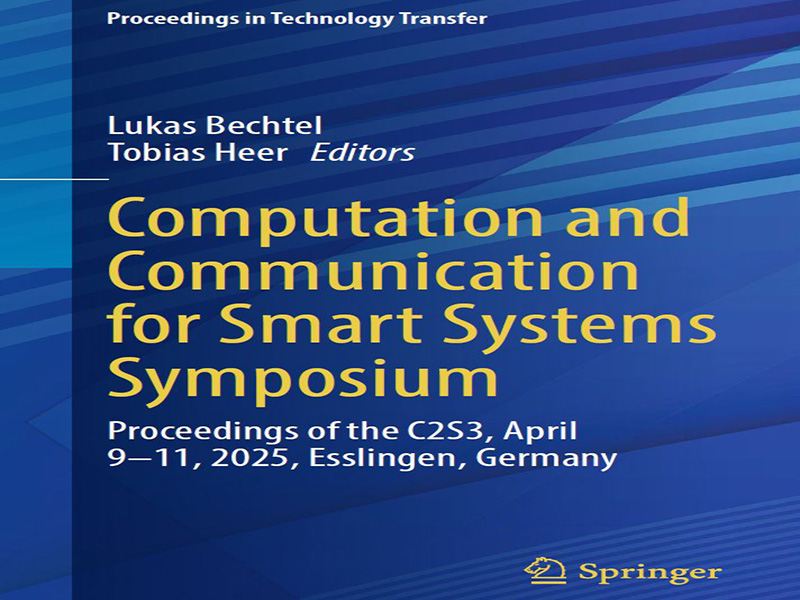
- عنوان کتاب: Computation and Communication for Smart Systems Symposium
- نویسنده: Lukas Bechtel, Tobias Heer
- حوزه: سیستمهای هوشمند
- سال انتشار: 2026
- تعداد صفحه: 191
- زبان اصلی: انگلیسی
- نوع فایل: pdf
- حجم فایل: 7.39 مگابایت
«هوشمند» کلمه جادویی زمان ماست. به سختی میتوان هیچ حوزهای از علوم کامپیوتر یا مهندسی را بدون این برچسب پیدا کرد: خانههای هوشمند و ساختمانهای هوشمند، تلفنهای هوشمند، ساعتهای هوشمند، تولید هوشمند. اما چه چیزی واقعاً این سیستمها را واقعاً هوشمند میکند؟ این فقط خود فناوری نیست، بلکه مهمتر از همه توانایی آنها در پاسخگویی انعطافپذیر، ارائه عملکردهای جدید، ارائه مزایای واقعی برای کاربران در عین کاهش هزینهها است. اغلب قابلیت همکاری با سایر سیستمها نیز وجود دارد – یعنی استفاده از استانداردها و رابطهای باز. اگر سیستمهای هوشمند شایسته این نام باشند، همیشه با در نظر گرفتن آینده طراحی میشوند: قابل بهروزرسانی، توسعهپذیر و در نتیجه قادر به بازآفرینی خود بارها و بارها. با این حال، «هوشمند» یک هدف متحرک است. آنچه دیروز نوآورانه تلقی میشد، امروز بدیهی به نظر میرسد. فناوریها، روشها و روشهای جدید تفکر به طور مداوم معیارها را تغییر میدهند – به سمت راهحلهای قدرتمندتر، مبتکرانهتر و انعطافپذیرتر. هوش مصنوعی اکنون اغلب مشکلات را طبیعیتر و کارآمدتر از پیشینیان کلاسیک و برنامهریزیشده خود حل میکند. تعاملات کاربر از طریق گفتار و ورودی چندوجهی امروزه به عنوان مظهر «هوشمند» دیده میشود. اما آیا این امر به طور خودکار دستگاههای فردا را هوشمندتر میکند – یا معیار به سادگی دوباره تغییر میکند؟ این تغییر مداوم، «هوشمند» را به وعدهای تبدیل میکند که هرگز به طور قطعی محقق نمیشود، بلکه دائماً در حال تغییر است. سمپوزیوم محاسبات و ارتباطات برای سیستمهای هوشمند (C2S3 2025) دقیقاً همین ایده را در بر میگیرد. در 9 آوریل 2025، دانشکده علوم و مهندسی کامپیوتر در دانشگاه اسلینگن، به همراه پروژههای DFG FIP: Smart Factory Grids و HE-Personal، از داوطلبان دکترا و محققان دعوت کرد تا کار خود را در مورد سیستمهای تولید هوشمند، فناوری اطلاعات و امنیت شبکه، هوش مصنوعی، شبیهسازی و مدلسازی، دوقلوهای دیجیتال و پوستههای مدیریت دارایی (AAS) و همچنین مقررات و روندهای صنعتی در زیرساختهای حیاتی ارائه و مورد بحث قرار دهند. مقالات ارائه شده در اینجا منعکس کننده تنوع و پویایی این مباحث است. آنها نشان میدهند که «هوشمند» یک ویژگی ایستا نیست، بلکه یک فرآیند است: تلاش مداوم برای قدرتمندتر کردن فناوری، بلکه مفیدتر، پایدارتر و آیندهنگرتر کردن آن.
“Smart” is the magic word of our time. Hardly any area of computer science or engineering gets by without this label: smart homes and smart buildings, smartphones, smartwatches, smart production. But what actually makes these systems truly smart? It’s not just the technology itself, but above all their ability to respond flexibly, provide new functions, deliver real benefits for users while lowering costs. Often there’s also interoperability with other systems—that is, the use of standards and open interfaces. If they deserve the name, smart systems are always designed with the future in mind: updatable, extensible, and thus capable of reinventing themselves again and again. Yet “smart” is a moving target. What was considered innovative yesterday seems self-evident today. New technologies, methods, and ways of thinking continually shift the benchmark—toward more powerful, more ingenious, and more flexible solutions. Artificial intelligence now often solves problems more naturally and efficiently than its classical, programmed predecessors. User interactions via speech and multimodal input are seen today as the epitome of “smart.” But does that automatically make tomorrow’s devices even smarter—or is the benchmark simply shifting again? This constant change turns “smart” into a promise that is never definitively fulfilled, but continually reformulated. The Computation and Communication for Smart Systems Symposium (C2S3 2025) takes up precisely this idea. On April 9, 2025, the Faculty of Computer Science and Engineering at Esslingen University, together with the projects DFG FIP: Smart Factory Grids and HE-Personal, invited doctoral candidates and researchers to present and discuss their work on smart production systems, IT and network security, artificial intelligence, simulation and modeling, digital twins and Asset Administration Shells (AAS), as well as industrial regulations and trends in critical infrastructures. The contributions presented here reflect the diversity and dynamism of these topics. They show that “smart” is not a static attribute but a process: the continuous effort to make technology not only more powerful, but also more useful, sustainable, and future-proof.
این کتاب را میتوانید از لینک زیر بصورت رایگان دانلود کنید:
Download: Computation and Communication for Smart Systems Symposium
























نظرات کاربران