













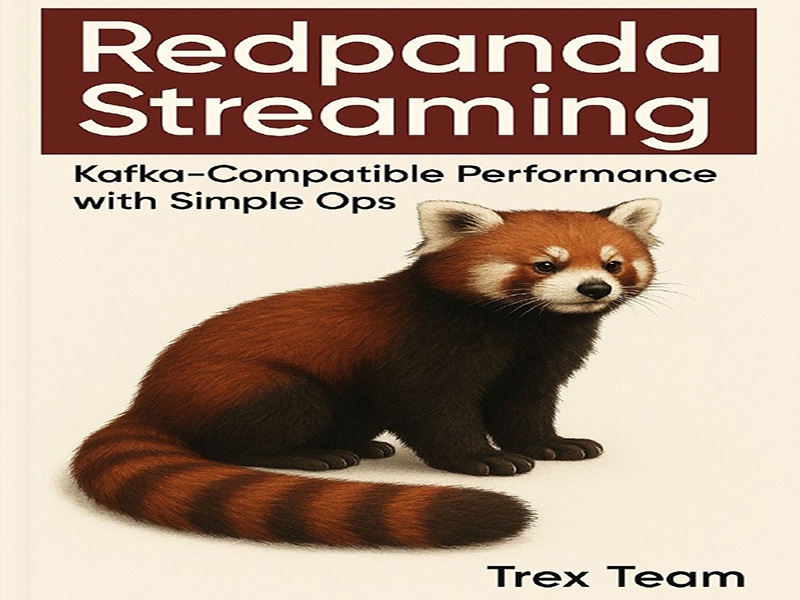
- عنوان کتاب: Redpanda Streaming Kafka-Compatible Performance with Simple Ops
- نویسنده: Trex Team
- حوزه: Kafka
- سال انتشار: 2026
- تعداد صفحه: 143
- زبان اصلی: انگلیسی
- نوع فایل: pdf
- حجم فایل: 3.23 مگابایت
جریانسازی رویداد یک نیاز اصلی برای سیستمهای توزیعشده مدرن است که زیرساخت لازم برای پردازش ناهمزمان و یکپارچهسازی دادههای بلادرنگ را فراهم میکند. در حالی که آپاچی کافکا پروتکل استاندارد این معماریها را ایجاد کرده است، اجرای برنامههای توزیعشده وابسته به ماشین مجازی جاوا و سیستمهای اجماع خارجی، پیچیدگی عملیاتی قابل توجهی را ایجاد میکند. ردپاندا یک پلتفرم داده جریانی است که API کافکا را پیادهسازی میکند و در عین حال این محدودیتهای عملیاتی را حل میکند. این پلتفرم به عنوان یک فایل باینری C++ واحد با استفاده از معماری thread-percore و الگوریتم اجماع Raft مهندسی شده است و نیاز به سیستمهای مدیریت وضعیت خارجی مانند ZooKeeper را به طور کامل از بین میبرد. این کتاب مشخصات فنی جامعی از ردپاندا ارائه میدهد. این کتاب معماری پلتفرم، روشهای استقرار، الزامات مهندسی مشتری و رویههای نگهداری عملیاتی را به تفصیل شرح میدهد. این متن برای مهندسان نرمافزار، معماران سیستم و مهندسان قابلیت اطمینان سایت که به یک پلتفرم جریانسازی قطعی و با توان عملیاتی بالا نیاز دارند و خواستار درک دقیقی از مکانیک داخلی آن هستند، طراحی شده است. متن با بررسی مبانی معماری ردپاندا آغاز میشود. این کتاب الگوی گزارش رویداد را توضیح میدهد و اصول اولیه استاندارد کافکا – مانند موضوعات، پارتیشنها و تکثیر – را به پیادهسازیهای داخلی ردپاندا نگاشت میکند. فصلهای آغازین با تجزیه و تحلیل طراحی تک باینری سیستم و پروتکلهای مذاکره کلاینت، دقیقاً مشخص میکنند که ردپاندا چگونه به سازگاری با API و تأخیر کم دم دست مییابد. پس از بررسی معماری، کتاب مدلهای استقرار استراتژیک را تعریف میکند. این کتاب تجزیه و تحلیلهای مقایسهای از خوشههای فلزی لخت خودمدیریتشده، استقرارهای ابری اختصاصی و محیطهای بدون سرور را در کنار شیوههای استاندارد برای زیرساخت به عنوان کد و بوتاسترپ کردن خوشه ارائه میدهد. فصلهای بعدی بر تعامل کلاینت و مدیریت دادهها تمرکز دارند. متن، روشهایی را برای بهینهسازی توان عملیاتی تولیدکننده، تضمین دوام دادهها و جلوگیری از طوفانهای تلاش مجدد تحت بار زیاد مشخص میکند. همچنین به قابلیت اطمینان مصرفکننده، جزئیات پروتکلهای مدیریت گروه، استراتژیهای جبران تعهد و مکانیسمهای مدیریت فشار برگشتی در بارهای کاری توزیعشده میپردازد. برای حفظ یکپارچگی دادهها در بین این تولیدکنندگان و مصرفکنندگان، این کتاب شیوههای دقیق مدیریت دادهها، از جمله استفاده از رجیستری Schema، اعتبارسنجی Avro و Protobuf و حالتهای سازگاری تکامل طرحواره را شرح میدهد. پایداری عملیاتی و امنیت از ملاحظات اصلی در محیطهای تولید هستند. متن، پیکربندیهای لازم برای ایمنسازی صفحه داده از طریق TLS متقابل، احراز هویت SASL و لیستهای کنترل دسترسی را مستند میکند. این کتاب، معیارهای خاص، پارامترهای ردیابی و شاخصهای سطح خدمات مورد نیاز برای نظارت بر سلامت کلاستر را تعریف میکند. علاوه بر این، رویههای قطعی برای عملیات روز دوم، از جمله ارتقاءهای چرخشی بدون خرابی، مدیریت رانش پیکربندی و اجرای گردشهای کاری سیستماتیک پاسخ به حوادث، ارائه میدهد. بخشهای پایانی کتاب، ادغام دادهها و عملکرد سیستم را بررسی میکند. این کتاب، چارچوب Redpanda Connect را برای ورود و خروج دادههای اعلانی معرفی میکند و الگوهای پردازش جریان بدون وضعیت را تشریح میکند. این متن همچنین ادغام با Apache Iceberg را پوشش میدهد و جزئیات نحوه تبدیل جریانهای رویداد بلادرنگ توسط Redpanda به طور مستقیم به قالبهای جدول باز برای قابلیت پرسوجوی فوری را شرح میدهد. در نهایت، این کتاب یک روش تجربی برای تنظیم عملکرد ارائه میدهد و مهندسان را با پارامترهای دقیق پیکربندی و دستورالعملهای اندازه سختافزار مورد نیاز برای به حداکثر رساندن توان عملیاتی و به حداقل رساندن تأخیر برای حجم کاری خاص خود مجهز میکند.
Event streaming is a core requirement for modern distributed systems, providing the infrastructure necessary for asynchronous processing and real-time data integration. While Apache Kafka established the standard protocol for these architectures, operating distributed applications dependent on the Java Virtual Machine and external consensus systems introduces significant operational complexity. Redpanda is a streaming data platform that implements the Kafka API while resolving these operational constraints. It is engineered as a single C++ binary utilizing a thread-percore architecture and the Raft consensus algorithm, entirely removing the need for external state management systems such as ZooKeeper. This book provides a comprehensive, technical specification of Redpanda. It details the platform’s architecture, deployment methodologies, client engineering requirements, and operational maintenance procedures. The text is designed for software engineers, systems architects, and site reliability engineers who require a deterministic, high-throughput streaming platform and demand a precise understanding of its internal mechanics. The text begins with an examination of the architectural foundations of Redpanda. It explains the event log paradigm and maps standard Kafka primitives-such as topics, partitions, and replication-to Redpanda’s internal implementations. By analyzing the system’s single-binary design and client negotiation protocols, the opening chapters establish exactly how Redpanda achieves API compatibility and low tail latency. Following the architectural review, the book defines strategic deployment models. It provides comparative analyses of self-managed bare-metal clusters, dedicated cloud deployments, and serverless environments, alongside standard practices for infrastructure-as-code and cluster bootstrapping. Subsequent chapters focus on client interaction and data governance. The text specifies methods for optimizing producer throughput, ensuring data durability, and preventing retry storms under high load. It also addresses consumer reliability, detailing group management protocols, offset commit strategies, and mechanisms for handling backpressure in distributed workloads. To maintain data integrity across these producers and consumers, the book outlines strict data governance practices, including the utilization of the Schema Registry, Avro and Protobuf validation, and schema evolution compatibility modes. Operational stability and security are primary considerations in production environments. The text documents the necessary configurations for securing the data plane via mutual TLS, SASL authentication, and Access Control Lists. It defines the specific metrics, tracing parameters, and Service Level Indicators required to monitor cluster health. Furthermore, it supplies definitive procedures for day-two operations, including zero-downtime rolling upgrades, handling configuration drift, and executing systematic incident response workflows. The final portions of the book examine data integration and system performance. It introduces the Redpanda Connect framework for declarative data ingestion and egress, outlining stateless stream processing patterns. The text also covers the integration with Apache Iceberg, detailing how Redpanda translates real-time event streams directly into open table formats for immediate queryability. Finally, the book presents an empirical methodology for performance tuning, equipping engineers with the precise configuration parameters and hardware sizing guidelines required to maximize throughput and minimize latency for their specific workloads.
این کتاب را میتوانید از لینک زیر بصورت رایگان دانلود کنید:
Download: Redpanda Streaming Kafka-Compatible Performance with Simple Ops
























نظرات کاربران