













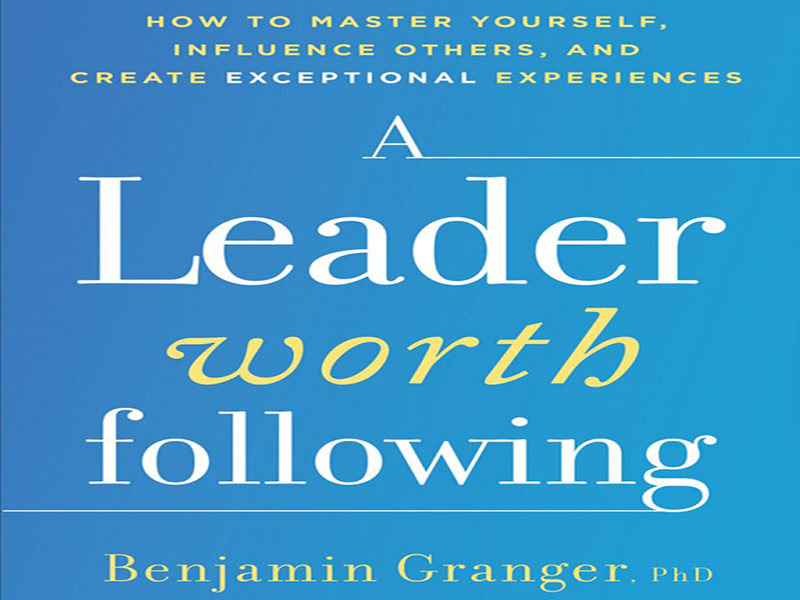
- عنوان کتاب: A Leader Worth Following How to Master Yourself, Influence Others, and Create Exceptional Experiences
- نویسنده: Benjamin Granger
- حوزه: هدایت و رهبری
- سال انتشار: 2026
- تعداد صفحه: 297
- زبان اصلی: انگلیسی
- نوع فایل: pdf
- حجم فایل: 2.14 مگابایت
قبل از اینکه وارد بحثمان شویم، اجازه دهید خودم را معرفی کنم. سلام، من بن هستم – یک پسر کاجون که در جنوب لوئیزیانا متولد و بزرگ شده است. من یک همسر و پدر فداکار هستم. من بینهایت کنجکاو هستم و همانطور که به زودی خواهید دید، مجذوب انسانها و به ویژه ذهن انسان هستم. وقتی بهترین نسخه از خودم هستم، یک مرد شاد و بیخیال هستم که عاشق خندیدن و خوش گذراندن است. با این حال، من همچنین یک فرد بسیار سختکوش هستم و استانداردهای بالایی را برای خودم و کسانی که با آنها کار میکنم تعیین میکنم. از دوران مدرسه ابتدایی میدانستم که میخواهم روانشناس شوم. وقتی سال آخر دبیرستان بودم، من و همکلاسیهایم هر کدام یک سیدی شخصیسازی شده درست کردیم که نشان دهنده اهداف شغلی و زندگی ما بود. از ما خواسته شد که مضامین کلیدی را روی جلد سیدی بنویسیم و روی سیدی من نوشتم “روانشناس” و اینکه میخواهم در این رشته دکترا بگیرم. من دقیقاً همین کار را کردهام و شاخه خاص روانشناسی من روانشناسی سازمانی است – زیرشاخهای که بر اعمال اصول روانشناسی انسان در محیط کار متمرکز است. به عنوان یک روانشناس سازمانی، وظیفه من کمک به افراد و سازمانها برای اثربخشی بیشتر است. و منظور من از اثربخشی، فقط تولید بیشتر و کسب درآمد بیشتر نیست. این بخشی از آن است. اما همانطور که آموختهام، کار میتواند و باید برای افراد سالم باشد و وقتی این اتفاق بیفتد، نتایج تجاری که سازمانها برای آن تلاش میکنند، بسیار قابل دستیابیتر میشوند. این کتاب جزئیات بسیاری از درسهایی را که (تاکنون) در مورد رهبری و تأثیرگذاری بر افراد آموختهام، شرح میدهد. مانند همه، من در یک سفر یادگیری مادامالعمر هستم و اشتیاق من کمک به افراد برای بهرهوری، شادی و سلامت در محل کار است. بیشتر کار و تحقیقات من بر روی شیوههای سازمانی متمرکز بوده است که دقیقاً همین کار را انجام میدهند. علایق حرفهای من التقاطی هستند. در طول دوران حرفهایام، بر چگونگی انتخاب بهترین کارمندان، آموزش مؤثر کارمندان، سنجش نگرش افراد و پیشبینی آنچه در آینده انجام خواهند داد، تمرکز کردهام. باید توجه داشته باشم که هرگز عمداً قصد نداشتم متخصص رهبری سازمانی باشم. این هرگز هدف من نبود. اما بارها و بارها، متوجه شدهام که آنچه واقعاً کارمندان را به حرکت درمیآورد – و از طرف دیگر، آنچه آنها را تضعیف میکند – را میتوان در افرادی که آنها را رهبری میکنند، ردیابی کرد. و هرچه بیشتر در مورد آنچه که نگرشها و رفتارهای مصرفکنندهی مولد را هدایت میکند مطالعه میکنم، بیشتر متقاعد میشوم که رهبران مسئولیت نهایی را بر عهده دارند. آنچه در مورد رهبری آموختهام، به شدت تحت تأثیر کار من به عنوان مشاور و نقشهای رهبری رسمی و غیررسمی که در طول سالها داشتهام، قرار گرفته است. حال، اگر قرار بود به صورت تصادفی از افراد در مورد رهبرانی که از آنها پیروی میکنند، بپرسیم، احتمالاً متوجه میشدیم که آن رهبران در یکی از دو دسته قرار میگیرند: – رهبرانی که مردم از آنها پیروی میکنند زیرا مجبورند، – رهبرانی که مردم از آنها پیروی میکنند زیرا میخواهند، البته این یک سادهسازی بیش از حد است زیرا رهبران میتوانند هر دو باشند. اما این چارچوب ساده برای بسیاری از مشتریان تجاری من بسیار مفید است. لحظهای به خودتان فکر کنید. صرف نظر از اینکه افراد در شرکت شما رسماً به شما گزارش میدهند یا خیر، مطمئناً همکاران و مشتریان خود را رهبری و تحت تأثیر قرار میدهید. این شما را به یک رهبر تبدیل میکند. وقتی نوع رهبری خود را در نظر میگیرید، کدام دسته شما را به بهترین شکل توصیف میکند؟ سوال مهمتر برای اهداف ما این است که میخواهید چه نوع رهبری باشید؟ اگر پاسخ شما رهبری است که مردم میخواهند از او پیروی کنند، فکر میکنم از گفتگوی ما با هم لذت خواهید برد. متأسفانه، اکثر ما با رهبرانی که در دسته اول قرار میگیرند – کسانی که ما به دلیل اجبار از آنها پیروی میکنیم – بسیار آشنا هستیم و شاید اگر با خودمان صادق باشیم، ممکن است اعتراف کنیم که گاهی اوقات این نوع رهبر بودهایم. گاهی اوقات این رهبران در سازمانها پیشرفت میکنند زیرا “نتایج را ارائه میدهند”. بسیاری از رهبران در طول تاریخ و هنوز هم امروز، موقعیتهای قدرت را بر دیگران اعمال کردهاند و در افزایش سود و حاشیه سود و بالا رفتن از نردبان شرکتها موفق بودهاند. در افراطیترین حالت، من اغلب به خودکامگان و مستبدان بسیار تأثیرگذار در طول تاریخ فکر میکنم: رهبرانی که ردپایشان بر بشریت با خون آغشته شده است، که توسط طمع شخصی و شهوت قدرت هدایت میشوند. در حالت کمتر افراطی، همه ما میتوانیم رهبرانی را تصور کنیم که به درجات بالا رسیدهاند اما پیروی ارادی کمی دارند – بیل لامبرگهای دنیای تجارت (جاج، ۱۹۹۹). آنها با ارعاب دیگران، ژست گرفتن و بازی سیاسی رهبری میکنند. مردم اساساً از آنها پیروی میکنند، زیرا احساس میکنند که مجبورند. از لحاظ تئوری، اگر تعریف محدودی از موفقیت مانند پول و قدرت بیشتر را برای خود در نظر بگیرید، میتوانید این مسیر را انتخاب کنید و موفق شوید. اما به نظر من، این مسیر خودخواهانه و تنبلانه است. این سبک رهبری اغلب ریشه عمیقی در ناامنی و تجربیات دردناک زندگی دارد. این سبک رهبری هزینههای خود را دارد. بگذارید این یک هشدار باشد: این مسیر را با مسئولیت خودتان انتخاب کنید. از سوی دیگر، مسیر تبدیل شدن به رهبری که مردم میخواهند دنبال کنند، شجاعت بسیار بیشتری میطلبد. باید فداکاری زیادی کنید. باید راهحلهای سریع را کنار بگذارید. این مسیر شجاعت و سختکوشی میخواهد. این مسیر تنبلی نیست. اما مسیری شرافتمندانه است. و ثمرات آن…
Before we settle into our discussion together, let me introduce myself. Hi, I’m Ben—a Cajun boy born and raised in South Louisiana. I’m a devoted husband and father. I’m endlessly curious, and as you’ll see shortly, I’m fascinated by humans and, in parti cular, the human mind. When I’m the best version of myself, I’m a happy-go-lucky guy who loves to laugh and have a good time. That said, I’m also a very hard worker and set high standards for myself and those I work with. Since I was in grade school, I knew I wanted to be a psychologist. When I was a senior in high school, my classmates and I each created a personalized CD that represented our career and life goals. We were asked to write key themes on the cover of the CD and on mine, I wrote “psychologist” and that I wanted to earn a PhD in the field. I’ve done exactly that and my particular brand of psychology is organizational psychology—a subfield focused on applying the principles of human psychology to the workplace. As an organizational psychologist, my job is to help people and organizations be more effective. And by effective, I don’t just mean producing more and making more money. That’s part of it. But as I’ve learned, work can and should be healthy for people and when it is, the business outcomes organizations strive for become much more attainable. This book details many of the lessons I’ve learned (so far) about leading and influencing people. Like everyone, I’m on a lifelong learning journey and my passion is helping people to be productive, happy, and healthy at work. Most of my work and research has focused on organizational practices that do just that. My professional interests are eclectic. Throughout my career, I have focused on how to select the best employees, effectively train employees, measure people’s attitudes, and predict what they’ll do in the future. I should note that I never intentionally set out to be an expert in organizational leadership. That was never my objective. But time and time again, I have found that what really makes employees tick—and on the flip side, what demoralizes them—can be traced back to the people who lead them. And the more I study what drives productive consumer attitudes and behaviors, the more convinced I become that leaders hold ultimate responsibility. What I’ve learned about leadership has also been heavily influenced by my work as a consultant and the formal and informal leadership roles I’ve held over the years. Now, if we were to walk around and ask random people about the leaders they follow, we’d probably find that those leaders fall into one of two buckets: – Leaders who people follow because they have to, – Leaders who people follow because they want to, This, of course, is an oversimplification because leaders can be both. But this simple framework hits home for many of my business clients. Think about yourself for a moment. Regardless of whether people in your company formally report to you, you surely lead and influence your fellow coworkers and customers. That makes you a leader. When you consider the type of leader you are, which category best describes you? The more important question for our purposes is what type of leader do you want to be? If your answer is a leader whom people want to follow, then I think you’ll enjoy our conversation together. Sadly, most of us are all too familiar with leaders who fall into the first category—those we follow because we have to—and perhaps, if we’re honest with ourselves, we might admit that we’ve been this type of leader at times. Sometimes these leaders thrive in organizations because they “deliver results.” Many leaders throughout history and still today have wielded positions of power over others and have been successful at driving increased profits and margins and moving up the corporate ladder. On the most extreme end, I often think of highly influential autocrats and tyrants throughout history: leaders whose marks on humanity are stained with blood, driven by personal greed and a lust for power. On the less extreme end, we can all picture leaders who’ve ascended to high ranks but command little volitional followership—the Bill Lumbergs of the business world (Judge, 1999). They lead by intimidating others, posturing, and playing politics. People follow them, essentially, because they feel they have to. Theoretically, you could choose this path and be successful if you ascribe to a narrow definition of success like more money and power. But in my opinion, this path is selfish and lazy. This style of leadership is often deeply rooted in insecurity and painful life experiences. This style of leadership takes its toll. Let this be a warning: choose this path at your own risk. The path to becoming a leader people want to follow, on the other hand, takes far more courage. You’ll have to sacrifice a lot. You’ll have to set aside quick fixes. This path takes bravery and hard work. It’s not a lazy path. But it is an honorable one. And the fruits that your journey will yield will be immeasurable. Much like the parable of the mustard seed, your path will start with the smallest of behavior and mindset shifts. The changes might feel insignificant at first, just like the tiny mustard seed, but, if you continue to feed the seed, it will grow and grow. By choosing this path, you’ll be far more likely to find fulfillment and long-term happiness.
این کتاب را میتوانید از لینک زیر بصورت رایگان دانلود کنید:
Download: A Leader Worth Following
























نظرات کاربران