












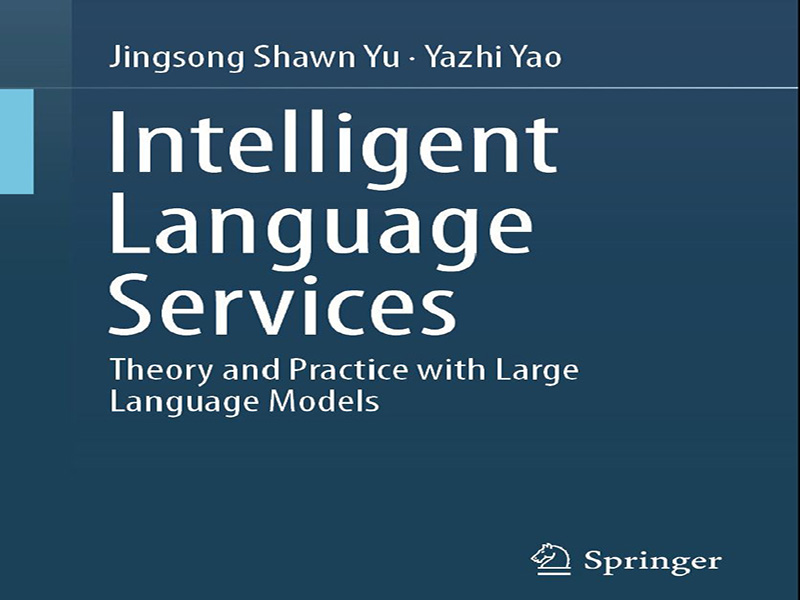
- عنوان کتاب: Intelligent Language Services Theory and Practice with Large Language Models
- نویسنده: Jingsong Shawn Yu Yazhi Yao
- حوزه: مدل زبانی بزرگ
- سال انتشار: 2026
- تعداد صفحه: 513
- زبان اصلی: انگلیسی
- نوع فایل: pdf
- حجم فایل: 8.09 مگابایت
در اواخر سال ۲۰۱۳، یکی از ما «اصول و تمرین ترجمه به کمک کامپیوتر» – اولین دوره آنلاین گسترده و آزاد در سراسر جهان که به طور خاص به این حوزه اختصاص داده شده بود – را در Coursera و چهار پلتفرم دیگر راهاندازی کرد. طی سه تا پنج سال بعدی، بیش از ۸۰،۰۰۰ زبانآموز از سراسر جهان ثبتنام کردند – نقطه عطفی که در آن زمان واقعاً دگرگونکننده به نظر میرسید. با این حال، در کمتر از یک دهه، شتاب هوش مصنوعی – به ویژه ظهور و بلوغ سریع مدلهای زبانی بزرگ (LLM) – فرضیات عملیاتی خدمات زبانی را بازنویسی کرده و بسیاری از مقدمات فنی را که آن برنامه درسی اصلی و بخش عمدهای از جعبه ابزار این حرفه بر آن استوار بود، بیسروصدا متزلزل کرده است. ابزارها و فرآیندهای خطی که زمانی ضروری تلقی میشدند، در سیستمهای هوشمند مدل و دادهمحور در حال بازسازی هستند. بنابراین، «خدمات زبانی هوشمند: نظریه و عمل با مدلهای زبانی بزرگ» یک کتابچه راهنمای ابزار نیست. این یک راهنمای جامع برای یک گذار ساختاری است. کار زبانی فراتر از وظایف «انتقال» مجزا («این را ترجمه کن»، «آن را بومیسازی کن») به یک معماری خدمات هماهنگ و مبتنی بر داده گسترش مییابد که شامل طراحی چندزبانه با حجم کار کم، مدیریت مجموعه متون و اصطلاحات، چارچوبهای ارزیابی و سرعت، تضمین کیفیت، ایمنی، انطباق و اخلاق است. این گسترش، رویههای روزمره را تغییر میدهد و در عین حال ساختار دانش و هویتهای حرفهای حوزه را تغییر شکل میدهد. روشهای سنتی در حوزههای پرخطر یا زبانهای با منابع بسیار کم، حیاتی باقی میمانند. با این وجود، سهم فزایندهای از ارزش در حال تغییر به سمت بالادست به سمت طراحی و مدیریت خود سیستم زبان سرتاسری است. برای دههها، ترجمه، تفسیر و مدیریت اصطلاحات در مرکز خدمات زبانی قرار داشت. آنها همچنان ضروری هستند، اما مرکز ثقل تغییر کرده است. اکنون کارهای با ارزش بالا اغلب قبل از تولید هرگونه خروجی قطعی انجام میشوند: معماری گردشهای کاری چندزبانه؛ گردآوری مجموعه متون و اصطلاحات؛ طراحی طرحهای ارزیابی و سرعت؛ تضمین ایمنی و سازگاری فرهنگی؛ و تعیین اینکه در کجا فقط قضاوت انسانی قابل قبول است. فرآیندهای پاییندست به موازات در حال تکامل هستند. یک متن دیگر یک پایانه نیست: بلکه به یک دارایی دانش نسخهبندیشده، قابل ردیابی و قابل جستجو تبدیل میشود که از طریق حلقههای بازخوردی که بررسی انسانی را با تشخیص مدل متصل میکنند، پالایش میشود. مدلهای زبانی بزرگ این گذار را تسریع کردهاند – اما جادویی نیستند. آنها موتورهای احتمالی قدرتمندی برای تولید، خلاصهسازی و استدلال مبتنی بر الگو هستند. محدودیتهای آنها به رشتهای که اکنون به آن نیاز داریم، تعریف میدهد. وقتی توهمات ظاهر میشوند، بازیابی و مدیریت باید جبران کنند. وقتی خروجیها تغییر میکنند، معماری گردش کار، دستورالعملهای ساختاریافته و قراردادهای کیفیت قابل اندازهگیری آنها را دوباره تراز میکنند. وقتی مرزهای پاسخگویی محو میشوند، مشاهدهپذیری و مداخله انسانی مسئولیت را دوباره تأیید میکنند. هنر خدمات زبانی در حال تبدیل شدن به یک معماری سیستم قابل تنظیم و مدیریت است. سه عقیده در این کتاب وجود دارد. اول، خدمات زبانی یک سیستم را تشکیل میدهند. یک ترجمه یا پاسخ محاورهای، بیان سطحی یک خط لوله عمیقتر است: مصرف و تقسیمبندی، ساخت زمینه، ادغام اصطلاحات، تولید، ارزیابی، بازنگری. برخورد با کار به عنوان یک سیستم، اجزای مشابه را قادر میسازد تا به حوزههای مجاور تعمیم داده شوند – بومیسازی محصول، نگارش فنی، ارتباطات سیاستی و موارد دیگر. دوم، قابلیت کنترل به اندازه توانایی حیاتی است. مدلهای معاصر میتوانند چندین وظیفه را در یک مرحله انجام دهند؛ متخصصان باید اطمینان حاصل کنند که این کار را به طور مداوم، قابل تأیید و ایمن انجام میدهند. این امر مستلزم مدیریت منظم دستورالعملها و دادهها، خروجیهای ساختاریافته، تبادلات استاندارد انسان-هوش مصنوعی و معیارهایی است که یکپارچگی رفتاری و قالبی را تأیید میکنند. سوم، تخصص انسانی از بین نرفته است؛ بلکه در حال استقرار مجدد است. مرز ارزش در هماهنگی و قضاوت نهفته است. متخصصان اهداف را تعیین میکنند، استانداردهای شواهد را تعریف میکنند، اقدامات حفاظتی را مهندسی میکنند و در زمینههای معنایی متراکم، حساس به ریسک یا دارای تفاوتهای فرهنگی مداخله میکنند. نقش آنها تبدیل مطالب زبانی بدون ساختار به داراییهای قابل استفاده مجدد و طراحی فرآیندهایی است که هوش ماشینی را قابل کنترل، قابل حسابرسی و قابل اعتماد میکند. سازماندهی این کتاب از این منطق پیروی میکند و از مبانی به عمل کاربردی پیش میرود. ما با ردیابی تحولات در مدلسازی زبان و یادگیری بازنمایی شروع میکنیم، توضیح میدهیم که چرا مقیاسبندی فقط رمزگشا به عنوان مسیر غالب برای تولید یکپارچه پدیدار شد و چگونه تعامل مبتنی بر اعلان اکنون با پیشآموزش مداوم، تنظیم دقیق تحت نظارت، تقطیر دانش، تولید افزوده بازیابی (RAG) و چارچوبهای عامل همزیستی دارد. سپس مهندسی اعلان را به عنوان شکلی از «برنامهنویسی زبان طبیعی» چارچوببندی میکنیم که از مشخصات وظیفه، محدودیتهای خروجی، مکملهای زمینهای و تجزیه وظیفه برای افزایش قابلیت اطمینان استفاده میکند. فصلهای بعدی RAG را معرفی میکنند و نشان میدهند که چگونه دانش قابل تأیید، استناد، قابلیت ردیابی و سنتز را تغییر شکل میدهد. عامل w
In late 2013, one of us launched Principles and Practice of Computer- Aided Translation—the _irst massive open online course worldwide devoted speci_ically to this _ield—on Coursera and four other platforms. Over the next three to _ive years more than 80,000 learners from around the world enrolled—a milestone that felt genuinely transformative at the time. Yet in not even a decade, the acceleration of arti_icial intelligence—especially the advent and rapid maturation of large language models (LLMs)—has rewritten the operating assumptions of language services and quietly unsettled many of the technical premises on which that original curriculum, and much of the profession’s toolkit, rested. Tools and linear processes once deemed indispensable are being recomposed inside model and datacentric intelligent systems. Intelligent Language Services: Theory and Practice with Large Language Models is therefore not a tool manual. It is a panoramic guide to a structural transition. Language work is expanding beyond isolated “transfer” tasks (“translate this,” “localize that”) into an orchestrated, data-grounded service architecture spanning multilingual work_low design, corpus and terminology governance, prompt and evaluation frameworks, quality assurance, safety, compliance, and ethics. This expansion is altering day-to-day practice while reshaping the _ield’s knowledge structure and professional identities. Traditional methods remain vital in high-risk domains or extremely low-resource languages; nonetheless, a growing share of value is shifting upstream toward the design and governance of the end-to-end language system itself. For decades, translation, interpreting, and terminology management stood at the center of language services. They remain essential, but the center of gravity has moved. High-value work now frequently occurs before any definitive output is produced: architecting multilingual workflows; curating corpora and terminologies; designing prompt and evaluation schemes; ensuring safety and cultural adaptation; and determining where only human judgment is acceptable. Downstream processes are evolving in parallel. A text is no longer a terminus: it becomes a versioned, traceable, and searchable knowledge asset refined through feedback loops that connect human review with model diagnostics. Large language models have catalyzed this transition—but they are not magic. They are powerful probabilistic engines for pattern-based generation, summarization, and reasoning. Their limitations give definition to the discipline we now require. When hallucinations appear, retrieval and governance must compensate. When outputs drift, workflow architecture, structured prompting, and measurable quality contracts realign them. When accountability boundaries blur, observability and human intervention reassert responsibility. The craft of language services is becoming a configurable, governable system architecture. Three convictions run through this book. First, language services constitute a system. A translation or dialog reply is the surface expression of a deeper pipeline: ingestion and segmentation, context construction, terminology integration, generation, evaluation, revision. Treating the work as a system enables the same components to generalize to adjacent domains—product localization, technical writing, policy communication, and more. Second, controllability is as critical as capability. Contemporary models can execute multiple tasks in a single pass; professionals must ensure they do so consistently, verifiably, and safely. That requires disciplined management of prompts and data, structured outputs, standardized human–AI handoffs, and metrics that validate behavioral and format integrity. Third, human expertise has not disappeared; it is being redeployed. The frontier of value lies in orchestration and judgment. Experts set objectives, define evidentiary standards, engineer safeguards, and intervene in semantically dense, risksensitive, or culturally nuanced contexts. Their role is to convert unstructured linguistic material into reusable assets and to design processes that render machine intelligence controllable, auditable, and trustworthy. The organization of the volume follows this logic, progressing from foundations to applied practice. We begin by tracing developments in language modeling and representation learning, explaining why decoder-only scaling emerged as the dominant pathway for unified generation and how prompt-driven interaction now coexists with continued pretraining, supervised fine-tuning, knowledge distillation, retrieval-augmented generation (RAG), and agent frameworks. We then frame prompt engineering as a form of “natural language programming,” leveraging task specification, output constraints, contextual supplementation, and task decomposition to enhance reliability. Subsequent chapters introduce RAG, showing how verifiable knowledge reshapes citation, traceability, and synthesis. Agent workflows integrate these mechanisms into iterative cycles of perception, reasoning, planning, action, and reflection, supported by tools, memory, and governance structures. Building on that, we reconsider translation pipelines, discuss when fine-tuning is warranted, and outline how to construct traceable, optimizable, and scalable translation agents and platform workflows. The scope then broadens to structured technical writing and multimodal language services spanning text, speech, images, video, and spatial signals. The closing chapters address management and operations, quality and evaluation, compliance and risk, and ethics—because sustained value depends on standards, accountability, and cultural stewardship. The readership for this book converges from multiple directions. Practitioners will find concrete methods to lift quality and efficiency: prompt libraries, RAG patterns, memory-augmented agents, traceable workflows. Industry leaders will see business models shifting from perword billing toward platform capabilities, risk-adjusted pricing, and data assetization. Researchers will encounter practice-critical questions beyond benchmark accuracy: accountability, cultural adaptation, data provenance, interpretability. Students will gain a forward-looking skills map encompassing systems thinking, AI literacy, multimodal design, and communication ethics. Public discourse around AI often polarizes into enthusiasm and apprehension. We advocate constructive realism. LLMs extend the reach of language services while introducing new constraints. To become reliable infrastructure they must be embedded within designed, governed, and supervised systems. The future demands human–AI collaboration in which computational capability fuses with human judgment and experience. Treated as a strategic resource, language connects knowledge and lived experience, policy and practice, cultures and products—expanding safety margins, adaptability, and innovation capacity. Whether you are a translator, technologist, writer, manager, or researcher, we hope this book helps you progress toward a higher– order role: architect and steward of language systems. This is not merely a change in professional title; it represents an expanded capability structure. The tools are available; the processes are maturing. Ultimate responsibility and value will be determined by our collective participation and practice. We invite you to engage critically, adapt boldly, and help shape the next generation of AI-powered language services.
این کتاب را میتوانید از لینک زیر بصورت رایگان دانلود کنید:
Download: Intelligent Language Services Theory and Practice with Large Language Models























نظرات کاربران