












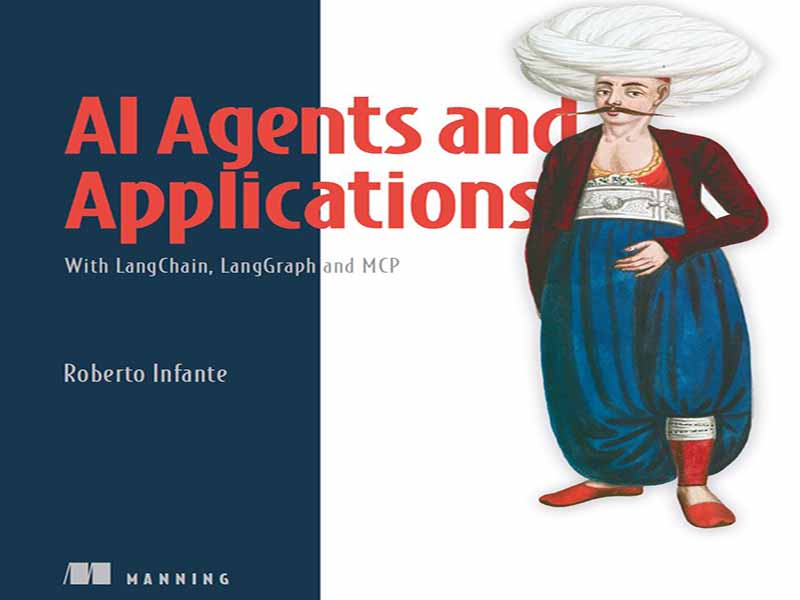
- عنوان کتاب: AI Agents and Applications With LangChain, LangGraph, and MCP
- نویسنده: Roberto Infante
- حوزه: عاملهای هوش مصنوعی
- سال انتشار: 2026
- تعداد صفحه: 450
- زبان اصلی: انگلیسی
- نوع فایل: pdf
- حجم فایل: 11.4 مگابایت
در اواخر سال ۲۰۲۲، چیزی تغییر کرد. مدلهای زبانی بزرگ (LLM) دیگر مانند نمایشهای آزمایشی نبودند و کمکم به ابزاری واقعاً مفید تبدیل شدند. تلاشی سریع برای خلاصه کردن یک پاراگراف به یک ربات چت تبدیل شد که قادر به پاسخ دادن به سؤالات بود و یک اسکریپت کوچک به سرویسی تبدیل شد که تیمهای دیگر میخواستند آن را امتحان کنند. طولی نکشید که LLMها دیگر یک کنجکاوی نبودند – آنها به بخش اساسی جعبه ابزار توسعه نرمافزار تبدیل شده بودند. دلیل هیجانانگیز بودن این موضوع این است: LLMها به نرمافزار اجازه میدهند تا “مثل انسان صحبت کند”. آنها میتوانند یک قرارداد را اصلاح کنند، گزارشها را به پاسخهای معنادار تبدیل کنند، کد را پیشنویس کنند و مرحله بعدی را برنامهریزی کنند – و سپس ابزارها و دادههای مناسب را برای انجام واقعی کار فراخوانی کنند. با ترکیب بازیابی و استفاده از ابزار، یک برنامه دیگر مانند یک ماشین سفت و سخت به نظر نمیرسد و بیشتر شبیه یک شریک همکاری میشود. این پتانسیل قابل توجه است، اما تبدیل این پتانسیل به سیستمهای تولیدی ساده نیست. هنوز هم نیاز به کار دقیق برای ادغام جریانهای داده، طراحی دستورالعملهای مؤثر، هماهنگ کردن پاسخها با بازیابی، هماهنگ کردن گردشهای کاری چند مرحلهای و نظارت بر نحوه رفتار سیستم پس از استقرار آن است. سفر من به این حوزه، مسیری مشابه بسیاری از توسعهدهندگان را طی کرد. من با آزمایش در Jupyter Notebooks، بررسی APIها و یادگیری نقاط موفقیت و نقاط ضعف مدلها شروع کردم. آن کاوشهای اولیه به تدریج به پروژههای جانبی کوچک و مبتنی بر عامل تبدیل شدند که برای تعداد انگشتشماری از پذیرندگان اولیه که به دنبال افزایش بهرهوری بودند، ساخته شده بودند. با پیشرفت فناوری – از طریق بهبود در APIهای OpenAI، قابلیتهای رو به رشد LangChain، قدرت هماهنگی LangGraph و تکنیکهای نوظهور مانند بازیابی پیشرفته-تولید افزوده (RAG) و ReAct – آن نمونههای اولیه پیچیدهتر شدند. در همان زمان، شروع به نوشتن این کتاب کردم. بیش از یک بار، فصلی که تازه تمام کرده بودم، تنها چند هفته بعد منسوخ شده به نظر میرسید. این هم هیجانانگیز بود و هم گاهی اوقات خستهکننده. این تجربه به شدت بر نحوه نگارش این کتاب تأثیر گذاشت. به جای دنبال کردن هر پارامتر جدید یا “بهترین شیوههای” کوتاهمدت، تمرکز در اینجا بر مفاهیم، معماریها و الگوهای طراحی است که پایداری خود را ثابت کردهاند و زیربنای برنامههای کاربردی LLM قابل اعتماد هستند. ما سیستمهای ملموس – موتورها، چتباتها و عاملها – خواهیم ساخت، اما هدف ارائه مبانی قابل استفاده مجدد است: چگونگی ساختاردهی بازیابی، طراحی اعلانها، تشکیل زنجیرهها، ارزیابی رفتار و هماهنگسازی گردشهای کاری چند مرحلهای با وضوح و اطمینان. چارچوبها نقش حیاتی در این فرآیند دارند. LangChain اجزای ضروری – لودرها، تقسیمکنندهها، جاسازیها، بازیابیکنندهها، ذخیرهسازیهای برداری و اعلانها – را استاندارد میکند، به طوری که نیازی به اختراع مجدد لولهکشی برای هر پروژه ندارید. Lang-Graph با ساختاردهی گردشهای کاری به صورت نمودارها و هماهنگسازی حلقههای عامل، این امر را گسترش میدهد، در حالی که LangSmith قابلیت مشاهده برای اشکالزدایی و ارزیابی را اضافه میکند. این دو با هم، توسعهدهندگان را قادر میسازند تا به جای زیرساختهای اساسی، روی خود برنامه تمرکز کنند. چرا این کتاب، و چرا اکنون؟ مبانی بالاخره به اندازه کافی پایدار هستند که بتوانند به طور مؤثر آموزش دهند، و نیاز بیش از هر زمان دیگری است. تیمهای توسعه به دنبال راهنماییهای عملی هستند که شکاف بین ایدهها و پیادهسازی را بدون گره زدن آنها به یک فروشنده واحد یا یک تکنیک زودگذر، پر کند. اگر این کتاب موفق شود، شما با یک مدل ذهنی روشن برای ساخت سیستمهای مبتنی بر LLM، مجموعهای از الگوهای اثباتشده که میتوانید به آنها تکیه کنید و اعتماد به نفس برای ادامه ساخت و ساز – حتی در حالی که چشمانداز زیر پای ما همچنان در حال تکامل است – به کار خود پایان خواهید داد.
In late 2022, something changed. Large language models (LLMs) stopped feeling like experimental demonstrations and started becoming genuinely useful. A quick attempt to summarize a paragraph evolved into a chatbot capable of answering questions, and a small script turned into a service that other teams wanted to try. Before long, LLMs were no longer a curiosity—they had become an essential part of the software development toolkit. Here’s why that’s so exciting: LLMs allow software to “speak human.” They can revise a contract, turn logs into meaningful answers, draft code, and plan the next step—and then invoke the right tools and data to actually accomplish the task. Combined with retrieval and tool use, an application stops feeling like a rigid machine and begins to feel more like a collaborative partner. The potential is significant, but turning that potential into production systems isn’t simple. It still requires careful work to integrate data flows, design effective prompts, ground answers with retrieval, orchestrate multi-step workflows, and monitor how the system behaves once it’s deployed. My own journey into this field followed a similar path to many developers. I began by experimenting in Jupyter Notebooks, exploring APIs, and learning where the models succeeded and where they struggled. Those early explorations gradually evolved into small, agent-based side projects at work, built for a handful of early adopters seeking productivity gains. As the technology advanced—through improvements in OpenAI’s APIs, the growing capabilities of LangChain, the orchestration power of LangGraph, and emerging techniques such as advanced Retrieval-Augmented Generation (RAG) and ReAct—those prototypes became more sophisticated. At the same time, I began writing this book. More than once, a chapter I had just completed felt outdated only a few weeks later. It was both exhilarating and, at times, exhausting. That experience strongly influenced the way this book is written. Rather than chase every new parameter or short-lived “best practice,” the focus here is on the concepts, architectures, and design patterns that have proven stable and that underpin reliable LLM applications. We’ll build concrete systems—engines, chatbots, and agents—but the aim is to provide reusable foundations: how to structure retrieval, design prompts, compose chains, evaluate behavior, and orchestrate multi-step workflows with clarity and confidence. Frameworks play a crucial role in this process. LangChain standardizes the essential components—loaders, splitters, embeddings, retrievers, vector stores, and prompts—so that you don’t need to reinvent the plumbing for every project. Lang- Graph extends this by structuring workflows as graphs and coordinating agent loops, while LangSmith adds visibility for debugging and evaluation. Together, they enable developers to focus on the application itself rather than the underlying infrastructure. Why this book, and why now? The foundations are finally stable enough to teach effectively, and the need is greater than ever. Development teams want practical guidance that bridges the gap between ideas and implementation without tying them to a single vendor or a fleeting technique. If this book succeeds, you’ll come away with a clear mental model for building LLM-powered systems, a set of proven patterns you can depend on, and the confidence to keep building—even as the landscape continues to evolve beneath our feet.
این کتاب را میتوانید از لینک زیر بصورت رایگان دانلود کنید:
Download: AI Agents and Applications With LangChain, LangGraph, and MCP
























نظرات کاربران