











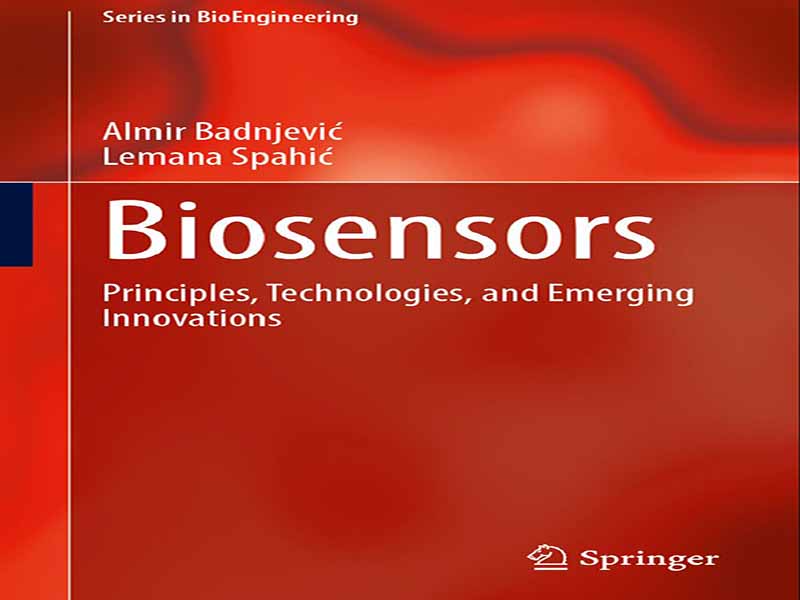
- عنوان کتاب: Biosensors Principles, Technologies, and Emerging Innovations
- نویسنده: Almir Badnjević Lemana Spahić
- حوزه: حسگر زیستی
- سال انتشار: 2026
- تعداد صفحه: 331
- زبان اصلی: انگلیسی
- نوع فایل: pdf
- حجم فایل: 11.6 مگابایت
این کتاب درسی مقدمهای جامع بر حسگرهای زیستی ارائه میدهد که اصول بنیادی، روشهای اندازهگیری و پیشرفتهای فناوری مدرن را با تمرکز ویژه بر کاربردهای زیستپزشکی و تحلیلی ادغام میکند. این کتاب برای دانشجویان، محققان و متخصصان مهندسی زیستپزشکی، شیمی تجزیه، بیوتکنولوژی و فناوری حسگر در نظر گرفته شده است. این کتاب با مروری بر حسگرهای زیستی آغاز میشود و تکامل تاریخی، اجزای اساسی و طبقهبندی آنها را شرح میدهد. این کتاب عناصر کلیدی سیستمهای حسگر زیستی، از جمله مکانیسمهای تشخیص زیستی، فرآیندهای انتقال و رویکردهای پردازش سیگنال را معرفی میکند و در عین حال بر تعامل بین ویژگی بیولوژیکی و روشهای تشخیص فیزیکوشیمیایی تأکید دارد. بخشهای بعدی مبانی نظری حسگرهای زیستی را ارائه میدهند که ویژگیهای حسگر استاتیک و دینامیک، خطاهای اندازهگیری و تحلیل عدم قطعیت را پوشش میدهد. یک فصل اختصاصی، راهنمای ISO برای بیان عدم قطعیت در اندازهگیری (ISO GUM) را معرفی میکند و رویکردهای ساختاریافتهای را برای بودجهبندی عدم قطعیت و قابلیت ردیابی در ارزیابی عملکرد حسگر زیستی ارائه میدهد. سپس این کتاب به بررسی دستههای اصلی حسگرهای زیستی، سیستمهای مبتنی بر ترانزیستور اثر میدانی (FET) الکتروشیمیایی، نوری، امپدانس، آکوستیک و میدان (FET) میپردازد و اصول عملیاتی، ویژگیهای فنی و کاربردهای نمونه آنها را شرح میدهد. این بحث به حسگرهای ایمنی و پلتفرمهای بهبود یافته با نانومواد نیز گسترش مییابد و روندهای اخیر در بهبود حساسیت، کوچکسازی و کسب دادههای بلادرنگ را منعکس میکند. بخش جداگانهای به کاربردهای زیستپزشکی و مراقبتهای بهداشتی اختصاص داده شده است که استفاده از حسگرهای زیستی را در تشخیص بیماری، نظارت بر دارو، سیستمهای بهداشتی پوشیدنی و فناوریهای مراقبت در محل برجسته میکند. ادغام حسگرهای زیستی با هوش مصنوعی، چارچوبهای اینترنت اشیا (IoT) و سیستمهای آزمایشگاه روی تراشه بررسی میشود و بر پتانسیل آنها در پزشکی شخصیسازی شده و پیشگیرانه تأکید میشود. فصلهای پایانی به روندها و چالشهای آینده در توسعه حسگرهای زیستی، از جمله مسائل مربوط به زیستسازگاری، پایداری، رعایت مقررات و تجزیه و تحلیل مبتنی بر داده، میپردازد. این کتاب درسی با ترکیب دقت نظری با بینش عملی، به عنوان مرجعی ضروری برای درک حسگرهای زیستی و نقش رو به گسترش آنها در مهندسی زیستپزشکی مدرن، مراقبتهای بهداشتی و علوم تحلیلی عمل میکند.
This textbook provides a comprehensive introduction to biosensors, integrating foundational principles, measurement methodologies, and modern technological advancements with a particular focus on biomedical and analytical applications. It is intended for students, researchers, and professionals in biomedical engineering, analytical chemistry, biotechnology, and sensor technology. This book begins with an overview of biosensors, outlining their historical evolution, fundamental components, and classification. It introduces the key elements of biosensor systems, including biorecognition mechanisms, transduction processes, and signal processing approaches, while emphasizing the interplay between biological specificity and physicochemical detection methods. Subsequent sections present the theoretical foundations of biosensors, covering static and dynamic sensor characteristics, measurement errors, and uncertainty analysis. A dedicated chapter introduces the ISO Guide to the Expression of Uncertainty in Measurement (ISO GUM), providing structured approaches to uncertainty budgeting and traceability in biosensor performance evaluation. This book then explores the major categories of biosensors, electrochemical, optical, impedance, acoustic, and field-effect transistor (FET)-based systems, detailing their operational principles, technical characteristics, and representative applications. The discussion extends to immunosensors and nanomaterial-enhanced platforms, reflecting recent trends in sensitivity improvement, miniaturization, and real time data acquisition. A separate section is devoted to biomedical and healthcare applications, highlighting the use of biosensors in disease diagnostics, drug monitoring, wearable health systems, and point-of-care technologies. The integration of biosensors with artificial intelligence, Internet of Things (IoT) frameworks, and lab-on-a-chip systems is examined, emphasizing their potential in personalized and preventive medicine. The concluding chapters discuss future trends and challenges in biosensor development, including issues of biocompatibility, stability, regulatory compliance, and data-driven analytics. By combining theoretical rigor with practical insight, this textbook serves as an essential reference for understanding biosensors and their expanding role in modern biomedical engineering, healthcare, and analytical science.
این کتاب را میتوانید از لینک زیر بصورت رایگان دانلود کنید:
Download: Biosensors Principles, Technologies, and Emerging Innovations
























نظرات کاربران