













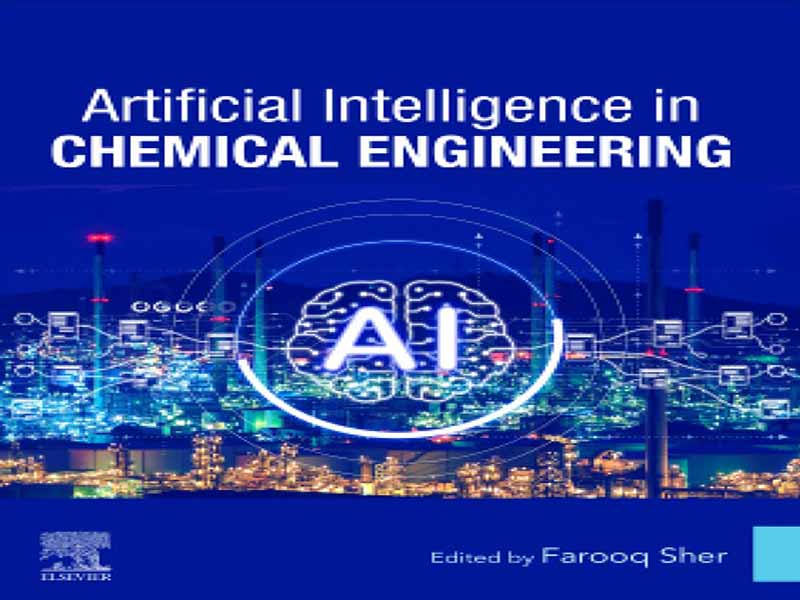
- عنوان کتاب: Artificial Intelligence in Chemical Engineering
- نویسنده: Farooq Sher
- حوزه: کاربرد هوش مصنوعی در شیمی
- سال انتشار: 2026
- تعداد صفحه: 684
- زبان اصلی: انگلیسی
- نوع فایل: pdf
- حجم فایل: 25.0 مگابایت
اصطلاح هوش مصنوعی (AI) ظرفیت ماشینها را برای رفتار به شیوهای که هوشمند به نظر میرسند، توصیف میکند و با قضاوت بدون برنامهنویسی صریح، به ورودیهای جدید پاسخ میدهد. در حالی که برنامههای کامپیوتری مرسوم نتایج را بر اساس دستورالعملهای صریح ارائه میدهند، سیستمهای هوش مصنوعی برای پیشبینی با استفاده از مدلهای دادهمحور ساخته شدهاند. این مدلهای هوش مصنوعی روابط ورودی-خروجی را با آموزش اولیه روی مجموعه دادههای نماینده با مقادیر خروجی شناخته شده یاد میگیرند. پس از آموزش، میتوان از مدلها برای تولید دادههای جدید یا پیشبینی مقادیر خروجی قابل مقایسه با مجموعه آموزش استفاده کرد. هوش مصنوعی پتانسیل حل بسیاری از مسائل مربوط به دادهها را با پیوندهای پیچیده ورودی-خروجی دارد که مدلسازی رویهای آنها دشوار یا غیرممکن است. در زمینه مهندسی شیمی، که همبستگیهای پیچیده اغلب در مجموعه دادهها وجود دارند، هوش مصنوعی را میتوان برای کارهای مختلفی به کار برد. به عنوان مثال، محاسبات نظری یا معادلات مبتنی بر دادههای تجربی ممکن است برای پیشبینی حلالیت یک ترکیب جدید استفاده شود [1]. به عنوان یک جایگزین، یک الگوریتم هوش مصنوعی که ارتباطات ساختار-حلالیت را از آموزش روی بسیاری از ترکیبات با حلالیتهای شناخته شده آموخته است، ممکن است بتواند حلالیت را نیز پیشبینی کند. با توجه به افزایش سریع قدرت پردازش، چارچوبهای یادگیری ماشین (ML) متنباز و سواد رو به رشد شیمیدانان در زمینه دادهها [2]، کاربرد هوش مصنوعی برای کارهایی مانند پیشبینی خواص در سالهای اخیر به طرز چشمگیری افزایش یافته است. با فعال کردن اتوماسیون آزمایشگاهی، پیشبینی فعالیتهای زیستی داروهای جدید [3]، بهبود شرایط واکنش و ارائه مسیرهای مصنوعی به مولکولهای هدف دشوار، پیادهسازیهای هوش مصنوعی به طور قابل توجهی تلاشهای طراحی و تجربی را کاهش دادهاند. هوش مصنوعی، که اغلب هوش ماشینی نامیده میشود، به عنوان یک زمینه حیاتی در علوم کامپیوتر و اتوماسیون ظهور کرده است. این حوزه دانش را از رشتههای مختلف، از جمله علوم کامپیوتر، اتوماسیون، مهندسی اطلاعات، ریاضیات، روانشناسی، زبانشناسی و فلسفه، ادغام میکند. چالشهای هوش مصنوعی بر اساس ویژگیها یا عملکردهای خاص خود به زیرمسائل طبقهبندی میشوند. در حوزه تولید سبز، مسائل اصلی را میتوان به سه دسته اصلی تقسیم کرد: (1) ادغام اطلاعات، (2) ارزیابی ریسک پویا و پشتیبانی از تصمیمگیری، و (3) سیستمهای هشدار اولیه. تکنیکهای متعددی برای مقابله با این چالشها و ترویج تولید سبز، مانند نمودارهای دانش، شبکههای بیزی و یادگیری عمیق (DL) استفاده میشود که بعداً به تفصیل بررسی خواهند شد [4]. در زمینه مهندسی فرآیند، که در آن از هوش مصنوعی استفاده میشود، مواد اولیه به محصولات تجاری تبدیل میشوند که متعاقباً در بخشهای مرتبط، مانند تولید، به کار گرفته میشوند، جایی که این اقلام واسطهای با سایر اجزا ترکیب میشوند تا کالاهای نهایی تولید شوند [5]. حوزههای زیر از فعالیتهای مهندسی فرآیند ارتباط نزدیکی با هم دارند: طراحی فرآیند، کنترل فرآیند، عملیات فرآیند و ابزارهای پشتیبانی. اقتصاد فرآیند نیز ممکن است در این لیست گنجانده شود که با وظایف مهندسی همپوشانی دارد. زیرشاخهها و مشاغل مشتقشده متعددی برای هر یک از این زمینهها وجود دارد. به عنوان مثال، مدیریت چرخه عمر، ارزیابی فرآیند و مدیریت ریسک همگی در وظایف مشتقشده گنجانده شدهاند. ایده اساسی پشت مهندسی فرآیند مانند مهندسی شیمی است که در قرن نوزدهم توسعه یافت. با این حال، برای طیف گستردهای از فرآیندهای صنعتی که ماده و انرژی را تغییر میدهند، از جمله فرآیندهایی که شامل داروسازی، مواد بیوتکنولوژیکی، کاغذ، سیمان، فلز، لوازم آرایشی، مواد غذایی، مواد شیمیایی و موارد دیگر هستند، استفاده میشود. PSE یا مهندسی سیستمهای فرآیند نیز شامل میشود [6]. اهداف اصلی کاربردهای مهندسی فرآیند مورد بحث شامل اصلاح دادهها، مدلسازی پیشبینی فرآیند، بهینهسازی فرآیند، تشخیص خطا/ناهنجاری، کنترل فرآیند و ایجاد مدلهای مکانیکی است. اصلاح دادهها یک مرحله پیشپردازش است که اغلب قبل از آموزش هوش مصنوعی به کار میرود. مدلسازی پیشبینی، که مهمترین هدف است، نیز به طور گسترده در بسیاری از کاربردها، عمدتاً به عنوان یک گام اولیه یا واسطه فرآیند (به عنوان مثال، به عنوان پایهای برای بهینهسازی فرآیند آینده، کنترل فرآیند، تشخیص خطا یا مدلسازی مکانیکی) مورد استفاده قرار میگیرد. در چارچوب هدف، مدلسازی مکانیکی خاص است زیرا هدف اصلی آن تجزیه مدلهای تجربی مبتنی بر داده برای تولید مدلها و بینشهای جعبه سفید مکانیکی یا فیزیکی شفاف است [7]. تاریخچه طولانی هوش مصنوعی، افزایش علاقه به یادگیری ماشینی و یادگیری عمیق در دنیای واقعی و مفید بودن آنها منجر به توسعه طیف گستردهای از روشهای هوش مصنوعی شده است. این فصل طبقهبندی گستردهای از هوش مصنوعی را ارائه میدهد، عملکرد کلی شبکههای عصبی را توضیح میدهد و به طور خلاصه مهمترین تغییرات الگوریتمهای هوش مصنوعی را ارائه میدهد. یادگیری نظارت شده در بیش از 70٪ موارد در کاربردهای هوش مصنوعی استفاده میشود. یادگیری بدون نظارت، نیمهنظارتی و تقویتی نیز در 10 تا 20 درصد موارد استفاده میشوند. یادگیری تحت نظارت با یادگیری بدون نظارت در درجه اول از این جهت متفاوت است که …
The term artificial intelligence (AI) describes the capacity of machines to behave in ways that appear intelligent, responding to novel inputs by making judgments without explicit programming. While conventional computer programs provide results based on explicit instructions, AI systems are made to make predictions using data-driven models. These AI models learn input-output relationships by initially being trained on representative data sets with known output values. Following training, the models can be used to produce new data or predict output values comparable to the training set. AI has the potential to solve many data related issues with intricate input output linkages that are hard or impossible to model procedurally. In the field of chemical engineering, where complex correlations are frequently present in data sets, AI can be applied to a variety of tasks. For instance, theoretical computations or equations based on empirical data may be used to forecast a new compound’s solubility [1]. As an alternative, an AI algorithm that has learned structure-solubility connections from training on many compounds with known solubilities may also be able to predict solubility. Due to the rapid increase in processing power, open source machine learning (ML) frameworks, and chemists’ growing data literacy [2], the application of AI for tasks like property prediction has increased dramatically in recent years. By enabling laboratory automation, predicting the bioactivities of new pharmaceuticals [3], improving reaction conditions, and providing synthetic paths to difficult target molecules, AI implementations have demonstrably reduced design and experimental effort. AI, often termed machine intelligence, has emerged as a crucial field within computer science and automation. It integrates knowledge from various disciplines, including computer science, automation, information engineering, mathematics, psychology, linguistics, and philosophy. AI challenges are categorized into subproblems based on their specific characteristics or functions. In the realm of green manufacturing, the primary issues can be grouped into three main categories: (1) information integration, (2) dynamic risk assessment and decision-making support, and (3) early warning systems. Several techniques are utilized to tackle these challenges and promote green manufacturing, such as knowledge graphs, Bayesian networks, and deep learning (DL), which will be explored in detail later [4]. In the context of process engineering, where AI is being applied , raw materials are transformed into commercial products that are subsequently employed in associated sectors, like manufacturing, where these intermediate items are combined with other components to produce final goods [5]. The following areas of process engineering activities are closely related: process design, process control, process operations, and supporting tools. Process economics might also be included on this list, which would overlap with the engineering tasks. There are numerous subfields and derivative jobs for each of these fields. For example, life cycle management, process evaluation, and risk management are all included in derived tasks. The fundamental idea behind process engineering is like that of chemical engineering, which was developed in the 19th century. Still, it is used for a wide range of industrial processes that change matter and energy, including those involving pharmaceuticals, biotechnological materials, paper, cement, metal, cosmetics, food, chemicals, and more. PSE, or process systems engineering, is also included [6]. The main objectives of the process engineering applications discussed include data rectification, predictive process modeling, process optimization, fault/anomaly detection, process control, and the creation of mechanistic models. Data correction is a preprocessing step frequently employed before AI training. Predictive modeling, the most crucial objective, is also widely utilized in many applications, mostly as an initial step or process intermediate (e.g., as a basis for future process optimization, process control, fault diagnostics, or mechanistic modeling). In the framework of the objective, mechanistic modeling is special because its main objective is to break down educated empirical data-driven models to produce transparent mechanistic or physical white box models and insights [7]. The long history of AI, increasing interest in, and usefulness of ML and DL in the real world have led to the development of a broad variety of AI methodologies. This chapter provides a broad classification of AI, explains the general operation of neural networks, and briefly presents the most significant variations of AI algorithms. Supervised learning is used in AI applications in over 70% of cases. Unsupervised, semisupervised, and reinforcement learning are also used in 10–20% of cases. Supervised learning differs from unsupervised learning primarily in that it provides output data, primarily in the form of labeled data. As a result of outside help, the intended result is known [8]. Similar to classification, clustering divides incoming data into distinct categories. Unlike classification, the algorithm does not know the output variables because the training data are not labeled. The system gains the ability to group input data according to similar characteristics during training and predict related aspects of fresh input data according to their affiliation with a known group. It is possible to specify the total number of these groupings. The user can assess the underlying importance and ramifications of the qualities that have been detected, or the clusters that have been identified can be utilized as features to improve AI techniques. A data set with less multidimensionality can be created by compressing a set of input data with a high degree of multidimensionality from many sources (like sensors) using dimension reduction. Subsequent data analysis can make use of the generated data. Similar to supervised learning, semisupervised learning is an intermediary technique that simultaneously has access to labeled and unlabeled data. The unlabeled data set is typically greater than the annotated data set. Techniques like classification, regression, and prediction allow the AI to conduct its labeling. With reinforcement learning, the algorithm (the agent) seeks to maximize a reward based on the chosen action. Here, the agent adapts its actions for maximum reward by using trial and error and feedback from the environment [9]. This chapter explores the transformative impact of AI on chemical engineering, focusing on its evolution and current advancements. Traditional approaches are being reshaped by the integration of AI technologies, driving innovation and improving efficiency across the field. ML and data analytics have been proven to enhance safety and optimize processes in various use cases. Looking ahead, AI’s role in modernizing chemical processes will be crucial in addressing complex challenges and promoting sustainable practices. Embracing these advancements is essential for the continued success and growth of the chemical engineering industry. As AI continues to evolve, it holds the potential to revolutionize not only how chemical engineers design, optimize, and monitor processes, but also how they contribute to solving global challenges, such as energy efficiency, resource management, and environmental sustainability. The continued development and adoption of AI in this domain promise to unlock new levels of creativity, precision, and productivity, which will be essential for shaping the future of chemical engineering. This chapter presents a comprehensive overview of the latest developments and the potential of AI to revolutionize the field of chemical engineering, supporting innovation and sustainability in the industry.
این کتاب را میتوانید از لینک زیر بصورت رایگان دانلود کنید:

























نظرات کاربران