








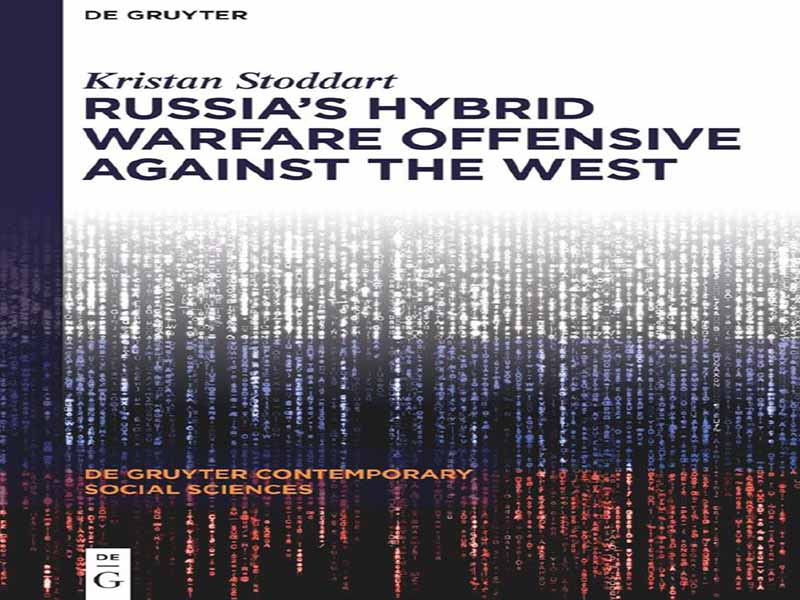
- عنوان کتاب: Russias Hybrid Warfare Offensive Against the West
- نویسنده: Kristan Stoddart
- حوزه: جنگ ترکیبی
- سال انتشار: 2026
- تعداد صفحه: 423
- زبان اصلی: انگلیسی
- نوع فایل: pdf
- حجم فایل: 4.51 مگابایت
در ۲۴ فوریه ۲۰۲۲، روسیه به اوکراین حمله کرد. کرملین این حمله را به عنوان یک «عملیات نظامی ویژه» برای محافظت از جناحهای طرفدار روسیه/روسزبان در اوکراین، به ویژه در کریمه و دونباس در شرق اوکراین، و برای «غیرنظامیسازی» و «نازیزدایی» اوکراین معرفی میکند. ولادیمیر پوتین، رئیس جمهور روسیه، در مرکز فرآیند تصمیمگیری قرار دارد. این کتاب به تفصیل توضیح میدهد که چرا پوتین جسارت انجام این اقدامات را پیدا کرد. همچنین ماهیت رژیم او و چگونگی مؤثر بودن جاسوسی سایبری روسیه، که گاهی اوقات با جاسوسی سنتی هماهنگ بوده است، علیه غرب، فضای شوروی سابق در نزدیکی مرزهای روسیه، و در آفریقا و حتی دورتر از آن را شرح میدهد. اما برای یک دوره چهار ساله فترت، که در آن او در یک «حرکت قلعهمانند» به نخستوزیری بازگشت و دیمیتری مدودف را به عنوان رئیسجمهور برگزید، پوتین از سال ۲۰۰۰ رئیسجمهور فدراسیون روسیه بوده است. پوتین بدون هیچ مانعی از سوی مخالفان جدی برای یک دوره شش ساله دیگر در مارس ۲۰۲۴ انتخاب شد. در ربع قرن پس از اولین انتخاب (معتبرتر) او در سال ۲۰۰۰، روسیه خود را در صحنه ژئوپلیتیکی دوباره مطرح کرده است. این کار را با نقض تمامیت ارضی و استقلال سیاسی در بخشهایی از سرزمینهای نزدیک به خود و با ایجاد تفرقه و تلاش برای نفوذ بر دشمنان فرضی خود در اروپا و ایالات متحده انجام داده است. روسیه همچنین در سوریه، لیبی، جمهوری آفریقای مرکزی (CAR)، سودان، لیبی، موزامبیک و مالی درگیر مداخلات سیاسی-نظامی بوده است. بسیاری از این مداخلات از طریق نماینده شبهنظامی خود، گروه واگنر، به رهبری مرحوم یوگنی پریگوژین، انجام شده است. گفته میشود رئیس جمهور پوتین دانشجوی تاریخ است و در سال ۲۰۲۱ مقالهای نوشت که در آن استقلال اوکراین را محکوم کرد و در مورد تعدادی از مضامین اظهار نظر کرد. دو مضمون به این کتاب مرتبط هستند. اولین مضمون چیزی است که او آن را «تلاشهای عمدی توسط … نیروها … برای تضعیف … وحدت» نامید. فرمول … تفرقه بینداز و حکومت کن … [و] بین مردم اختلاف بینداز، هدف اصلی تفرقه انداختن و سپس قرار دادن بخشهایی از یک ملت واحد در مقابل یکدیگر است.» دوم، پوتین همچنین از اقدامات «مقامات رسمی و الیگارشی محلی که مردم اوکراین را غارت کردند و پول دزدیده شده خود را در بانکهای غربی نگه داشتند و آماده بودند تا سرزمین مادری خود را به خاطر حفظ سرمایه خود بفروشند» صحبت کرد. هر دو استدلال عمیقاً طعنهآمیز هستند. در داخل کشور، ثروت طبیعی ملی شده روسیه در هیدروکربنها، به ویژه نفت و گاز، در پروژههای زیرساختی سرمایهگذاری مجدد نشده یا سطح زندگی اکثر روسها را بالا نبرده است. در عوض، ثروت زیادی را برای مقامات دولتی روسیه به ارمغان آورده و همان سیستم الیگارشی را که پوتین در اوکراین توصیف میکند، فعال کرده است. روسیه همچنین به طور سیستماتیک تلاش کرده است تا وحدت اوکراین را تضعیف کند و به دنبال تفرقه انداختن در کشورهای غربی برای پیشبرد سیاستهای کرملین بوده است. این فعالیتها در این کتاب به عنوان بخشی از مجموعهای از اقدامات فعال/کارزارهای جنگ ترکیبی که اطلاعات نادرست، اطلاعات گمراهکننده و اطلاعات نادرست را با هم ترکیب میکنند، به تفصیل شرح داده شده است. این اطلاعات نادرست، اطلاعات یا دانشی است که از اطلاعات نادرست ناشی میشود، اما به طور قابل اثباتی نادرست نیست یا با نیت بدخواهانه منتقل نمیشود. اطلاعات نادرست، جعلی یا قابل اعتراض است و برای تأثیرگذاری و فریب مخاطبان هدف طراحی شده است. به همین ترتیب، اطلاعات نادرست به طور هدفمند برای کمپینهای نفوذ و فریب با نیت بدخواهانه طراحی شده است. هر یک از این اصطلاحات و نحوه استفاده از آنها میتواند مورد اعتراض قرار گیرد (و همچنین میتوان آنها را به عنوان اطلاعات نادرست، اطلاعات نادرست و اطلاعات نادرست با خط فاصله مشخص کرد). مهمتر از آن، چه اطلاعات (بهویژه در رسانههای اجتماعی) را در یک یا چند مورد از این دستهبندیها قرار دهیم، بحث در مورد اصطلاحات و مرزهای بین آنها میتواند از نظر سیاسی و اجتماعی بار منفی پیدا کند (گاهی اوقات با برچسب یا اتهام تحقیرآمیز «اخبار جعلی»). در عوض، استفاده از این اصطلاحات و بحثها باید در کنار حوزههای موضوعی که شامل سوگیری تأییدی، سواد رسانهای و مهارتهای تفکر انتقادی میشود، درک شود. استفاده از اصطلاحاتی از این دست همچنین میتواند نحوه تفکر ما در مورد مسائل، تصاویر و رویدادها را محدود یا ایزوله کند، در حالی که زمان و انرژی خود را صرف بحث در مورد معانی یا زمینهسازی میکند. این نیز بخشی از طرحهای کرملین است که رسانههای اجتماعی و رسانههای جمعی گستردهتر و پیامرسانی جمعی را به عنوان یک فضای اطلاعاتی جهانی آماده برای دستکاری و بهرهبرداری میبیند و از آن استفاده میکند. هدف، تأثیرگذاری بر سیاستهای داخلی، گفتمان اجتماعی، انسجام ملی و روابط بینالملل جوامع و ملتهای بسیار دوری است که تصور میکند میتواند برای اهداف سیاسی و استراتژیک بر آنها تأثیر بگذارد (و تأثیر گذاشته است). همانطور که کارل میلر میگوید، این تعاریف حواسپرتی هستند، اما چه خوب و چه بد، تنها «کلمهای که واقعاً تأثیرگذار بوده، اطلاعات نادرست» است. کمپینهای روسیه همچنین از سازمانهای اطلاعاتی خود (که به آنها «سرویسهای ویژه» نیز گفته میشود) و سازمانهای جنایی و سایبری استفاده کردهاند.
On February 24, 2022 Russia invaded Ukraine. The Kremlin frames this as a “special military operation” to protect pro-Russian/Russian speaking factions in Ukraine, especially in Crimea and the Donbas in Ukraine’s east, and to “demilitarize” and “de-nazify” Ukraine. Russian president Vladimir Putin stands at the center of the decision-making process. This book will detail why Putin was emboldened to take these actions. It will also detail the nature of his regime, and how Russian cyberespionage, at times in coordination with traditional espionage, has been effective against the West, the former Soviet space of Russia’s near abroad, and into Africa and even further afield. But for a four-year interregnum, which saw him revert to Prime Minister in a “castling move” which saw Dmitry Medvedev becoming President, Putin has been President of the Russian Federation since 2000. Putin was reelected unimpeded by serious opposition for another six-year term in March 2024. In the quarter centu ry since his first (more authentic) election in 2000, Russia has reasserted itself on the geopolitical stage. It has done so by violating the territorial integrity and political independence in parts of its near abroad and by sowing division and seeking influence over its perceived adversaries in Europe and the United States. Russia has also engaged in politico-military interventions in Syria, Libya, the Central African Republic (CAR), Sudan, Libya, Mozambique, and Mali. Many of these interventions were through its paramilitary proxy, the Wagner Group, led by the late Yevgeny Prigozhin. President Putin is said to be a student of history and in 2021 penned an essay which decried Ukrainian statehood and pronounced on a number of themes. Two themes are relevant to this book. The first is what he called “deliberate efforts by … forces … to undermine … unity. The formula … divide and rule … [and] sow discord among people, the overarching goal being to divide and then to pit the parts of a single people against one another.” Second, Putin also spoke of the actions of “both the official authorities and local oligarchs, who robbed the people of Ukraine and kept their stolen money in Western banks, ready to sell their motherland for the sake of preserving their capital.” Both arguments are profoundly ironic. Domestically, Russia’s renationalized natural wealth in hydrocarbons, especially oil and gas, has not been reinvested into infrastructure projects or elevated the standard of living for most Russians. Instead, it has brought great wealth to Russian government officials and enabled the same system of oligarchs that Putin describes in Ukraine. Russia has also systematically attempted to undermine the unity of Ukraine and sought to divide Western nations to further Kremlin policies. These activities are detailed in this book as part of a suite of active measures/hybrid warfare campaigns combining misinformation, disinformation and mal-information which have mined socio-po litical fault lines on issues including identity politics and nationalism, liberalism, immigration, and globalization. As set out in the preceding list of abbreviations and concepts, misinformation is information or knowledge that stems from being misinformed but is not demonstrably false or communicated with malign intent. Disinformation is false, falsified or contestable and is designed to influence and deceive target audiences. Relatedly, malinformation is purposefully designed for influence and deception campaigns with malicious intent. Each of these terms and the use of them can be contested (and they can also be hyphenated as mis-, dis-, and mal-information). More importantly, whether one perceives information (especially on social media) as falling into one or more of these categories, debating the terms and the boundaries between them can become politically and socially charged (sometimes invoking the label or dismissive charge of “fake news”). Instead, the use of these terms and contestations need to be understood alongside issue areas that include confirmation bias, media literacy, and critical thinking skills. Using terms like these can also box or silo the way we think of issues, depictions, and events whilst investing time and energy into debating meanings or contextualizing. This too is part of Kremlin designs that sees and uses social media and wider mass media and mass messaging as a globalized information space ripe for manipulation and exploitation. The aim is to influence internal politics, social discourse, national cohesion, and international relations of far distant societies and nations that it perceives it can effect (and has effected) for political and strategic ends. As Carl Miller suggests, these definitions are a distraction but for good or for ill the one “word that has really struck is disinformation”. Russia’s campaigns have also utilized their intelligence agencies (also referred to as “Special Services”) and criminal and cybercriminal fraternity in a series of business deals, political pacts, and cyberespionage campaigns that appear financially motivated, but with underlying politico-military dimensions. This is in addition to suspected sabotage and assassination operations.
این کتاب را میتوانید از لینک زیر بصورت رایگان دانلود کنید:





















نظرات کاربران