











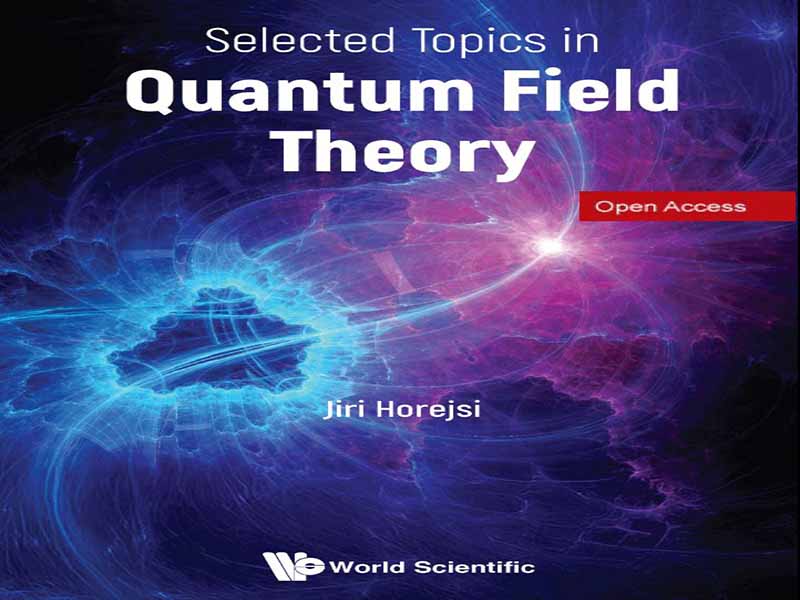
- عنوان کتاب: Selected Topics in Quantum Field Theory
- نویسنده: Horejsi Jiri
- حوزه: میدان کوانتومی
- سال انتشار: 2026
- تعداد صفحه: 266
- زبان اصلی: انگلیسی
- نوع فایل: pdf
- حجم فایل: 6.63 مگابایت
این اثر شامل مجموعهای از سخنرانیها در مورد نظریه میدان کوانتومی (QFT) است که یک دوره یک ترمی را تشکیل میدهد و من بیش از ده سال به طور منظم در دانشگاه چارلز در پراگ تدریس میکردم. این دوره به عنوان یک دوره تکمیلی مناسب برای دوره مقدماتی دو ترمی QFT در نظر گرفته شده بود که بخش استانداردی از برنامه درسی دانشجویان ما در رشته فیزیک نظری یا فیزیک ذرات و هستهای است. بنابراین، این بدان معناست که متن حاضر برای خوانندهای نسبتاً پیشرفته که از قبل در برخی از روشهای اساسی QFT، با تأکید بر تکنیکهای نمودار فاینمن (احتمالاً تا سطح تک حلقهای) مهارت دارد، در نظر گرفته شده است. انتخاب موضوعات مرتبط نسبتاً محدود است، بنابراین عنوان «مباحث منتخب در نظریه میدان کوانتومی» کاملاً مرتبط به نظر میرسد. توجه داشته باشید که در سیستم اطلاعات دانشجویی (SIS) دانشگاه چارلز، دوره مربوط به یادداشتهای سخنرانی حاضر، در طول حیات خود، تحت نام رایج نظریه میدان کوانتومی ۳ (همراه با پیشسازهای آن QFT ۱ و QFT ۲) ظاهر شد. برای تکمیل مطلب، اجازه دهید اضافه کنم که دانش اولیه کافی که برای خواننده «نسبتاً پیشرفته» فوقالذکر فرض شده است، اساساً مثلاً با متن قبلی من با عنوان «سخنرانیهایی در مورد نظریه میدان کوانتومی» که در اینجا به عنوان مرجع [1] ذکر شده است، مطابقت دارد (این دقیقاً نسخه من از دورههای مقدماتی QFT 1 و QFT 2 را پوشش میدهد). بدنه اصلی این کتاب شامل 25 فصل است که تقریباً با سخنرانیهای فردی مطابقت دارند؛ بنابراین شکل اصلی یادداشتهای سخنرانی حفظ شده است. مطالب ارائه شده در اینجا، در وهله اول، شامل برخی از مباحثی است که من معمولاً نمیتوانستم آنها را در دوره مقدماتی پایه بگنجانم، مانند قوانین کاتکوسکی برای بخش موهومی نمودار فاینمن حلقه بسته، واگراییهای مادون قرمز (IR) در الکترودینامیک کوانتومی و برخی از تکنیکهای ابتدایی گروه بازبهنجارش (RG). در مرحله بعد، اصول کرومودینامیک کوانتومی (QCD) مورد بحث قرار میگیرد، با هدف نهایی بازیابی پدیده مشهور آزادی مجانبی. برای این منظور، تابع بتای RG در QCD به صراحت در سطح تک حلقه محاسبه میشود. در نهایت، بررسی نسبتاً مفصلی از ناهنجاری محوری معروف ABJ وجود دارد. این شرح بخش قابل توجهی از کل متن (7 فصل) را تشکیل میدهد؛ در واقع، وسعت آن نشاندهنده علاقه من به موضوع جذاب ناهنجاریهای کوانتومی است. امیدوارم ارزش افزوده این بخش دقیقاً در ارائه جزئیات برخی محاسبات مرتبط در سطحی باشد که در کتابهای درسی موجود فعلی کاملاً رایج نیست؛ بنابراین، این ممکن است توسط یک خواننده بسیار علاقهمند مورد قدردانی قرار گیرد. من همچنین سه پیوست اضافه کردهام که برخی از مباحث مهم دیگر را پوشش میدهند. یکی از آنها مربوط به کاربرد خاص تکنیکهای RG در توصیف واپاشیهای بوزون هیگز است و دو مورد دیگر به ناهنجاری موسوم به رد (یا اتساع) میپردازند. با بازگشت به خوانندگان فرضی، شاید باید یک نکته دیگر در اینجا تأکید شود: با توجه به توضیحات فوق در مورد محتوای کل اثر، من صمیمانه معتقدم که این کتاب نه تنها برای نظریهپردازان جوان، بلکه برای فیزیکدانان ذرات تجربی که مشتاق تعمیق دانش خود در مورد روشهای QFT هستند نیز مفید خواهد بود. نکته آخر: خوانندهای که صرفاً به نتایج اساسی علاقهمند است، ممکن است جزئیات محاسباتی ارائه شده در برخی از قسمتهای متن را نسبتاً سنگین بداند (مثلاً فصل ۶ برای واگراییهای IR یا فصلهای ۲۳ و ۲۴ برای ناهنجاری ABJ)؛ نیازی به گفتن نیست که میتوان از چنین نکات فنی بدون خطر از دست دادن نکته اصلی نتایج کلیدی صرف نظر کرد. بدنه اصلی این یادداشتهای سخنرانی در طول ترم زمستانی سال تحصیلی ۲۰۲۰/۲۰۲۱ نوشته شده بود. در واقع، من به نوعی مجبور به انجام چنین کاری بودم، زیرا در آن زمان همهگیری ویروس کرونا (کووید-۱۹) هنوز در حال افزایش بود و دانشجویان نمیتوانستند شخصاً در سخنرانیها شرکت کنند – بنابراین، ما مجبور بودیم نوعی آموزش از راه دور را تمرین کنیم. از طرف خودم، تصمیم گرفتم سخنرانیهای آنلاین را از طریق جلسات زوم ارائه ندهم. در عوض، من متون فصلهای مربوطه را که دانشجویان از طریق ایمیل دریافت میکردند، مینوشتم. به این ترتیب، اولین نسخه از یادداشتهای سخنرانی در ژانویه 2021 تکمیل شد. کمی بعد، دورهای از تبدیل نسخه خطی به یک فایل الکترونیکی کاربرپسند (عمدتاً در طول سالهای تحصیلی 2022/2023 و 2024/2025) آغاز شد. البته این شامل بهبود تدریجی کل متن، اصلاح اشتباهات و غلطهای تایپی و غیره بود. این اثر در بهار 2025 به شکل فعلی خود رسید. بنابراین، داستان این اثر مشابه مورد کتاب قبلی «سخنرانیهایی در مورد نظریه میدان کوانتومی» است که در بالا ذکر شد. مقدمه در مرجع [1] شامل نظرات بیشتری است، با کمی چاشنی احساسی که منعکس کننده تجربه غیرمعمول و نگران کننده زندگی و کار در سایه یک بیماری همه گیر خطرناک است. در هر صورت، امیدوارم که این متن به عنوان منبع مفیدی از دانش QFT برای مخاطبان نسبتاً وسیعی از دانشجویان دانشگاه و سایر خوانندگان علمی علاقهمند به مبانی محاسبات کوانتومی مدرن باشد.
This work covers the series of lectures on quantum field theory (QFT) constituting a one-semester course, which I taught regularly for more than ten years at the Charles University in Prague. It had been conceived as an appropriate follow-up to the introductory two-semester QFT course that is a standard part of the curriculum for our students specializing in theoretical physics, or particle and nuclear physics. So, it means that the present text is aimed at a moderately advanced reader who is already proficient in some basic QFT methods, with an emphasis on Feynman diagram techniques (presumably up to the one-loop level). The choice of the relevant themes is rather restricted, so the title Selected topics in quantum field theory seems to be quite pertinent. Note that within the student information system (SIS) of the Charles University, the course corresponding to the present lecture notes appeared, during its lifetime, under the commonplace name Quantum field theory 3 (along with its precursors QFT 1 and QFT 2). For completeness, let me add that adequate preliminary knowledge presumed on the side of the above-mentioned “moderately advanced” reader corresponds basically e.g. to my earlier text Lectures on quantum field theory, cited here as Ref. [1] (this covers precisely my version of the introductory courses QFT 1 and QFT 2). The main body of this book consists of 25 chapters, which correspond, roughly, to individual lectures; the original form of the lecture notes is thus preserved. The material covered here incorporates, in the first place, some topics that I usually was not able to squeeze into the basic introductory course, such as the Cutkosky rules for the imaginary part of a closed-loop Feynman diagram, the infrared (IR) divergences in quantum electrodynamics and some elementary techniques of the renormalization group (RG). Next, basics of the quantum chromodynamics (QCD) are discussed, with the ultimate goal of recovering the celebrated phenomenon of asymptotic freedom; to this end, the RG beta function in QCD is calculated explicitly at the one-loop level. Finally, there is a rather detailed treatment of the famous ABJ axial anomaly. This exposition constitutes a substantial portion of the whole text (7 chapters); actually, its extent reflects my predilection in the fascinating subject of quantum anomalies. Hopefully, an added value of this part consists precisely in providing details of some relevant calculations at a level not quite common in current available textbooks; so, this might be appreciated by a deeply interested reader. I have also added three appendices that cover some further important topics; one of them concerns a particular application of RG techniques to the description of the Higgs boson decays, and the other two deal with the so-called trace (or dilatation) anomaly. Coming back to the presumed readership, one more point should perhaps be stressed here: In view of the above description of the contents of the whole opus, I believe sincerely that it might be useful for not only junior theorists but also experimental particle physicists eager to deepen their knowledge of QFT methods. One last remark: A reader interested primarily just in substantial results may find the calculational details presented at some places in the text rather heavy (cf. e.g. Chapter 6 for IR divergences or Chapters 23 and 24 for the ABJ anomaly); needless to say, such technicalities can be skipped without the risk of missing the point of the key results. The main body of these lecture notes had been written during the winter semester of the academic year 2020/2021. Actually I was, in a sense, forced to take up such a task since at that time the coronavirus (COVID-19) epidemic was still on the rise and students could not attend the lectures personally — so, we had to practice some sort of distance teaching. For my part, I have decided not to deliver on-line speeches by means of Zoom sessions. Instead, I was writing the texts of the relevant chapters, which the students were receiving via email. In this way, the first version of the lecture notes was completed in January 2021. Somewhat later, a period of transforming the manuscript into a user-friendly electronic file followed (mostly during the academic years 2022/2023 and 2024/2025). This, of course, included gradual improvement of the whole text, correcting mistakes and typos, etc. The work matured to its present form in the spring of 2025. Thus, the story of this work is similar to the case of the preceding book Lectures on quantum field theory mentioned above; the Preface in Ref. [1] contains more comments, with some emotional flavour reflecting the disturbing unusual experience of the life and work under the shade of a dangerous pandemic. In any case, I hope that this text will serve as a useful source of QFT know-how for a relatively broad audience of university students and other scientifically minded readers interested in foundations of modern particle physics. With deep appreciation and gratitude, I thank Tom´aˇs Husek, who recast my manuscript in LATEX and gave this book its current look. Finally, I thank Tom´aˇs Kadav´y, who helped me proofread a part of the text.
این کتاب را میتوانید از لینک زیر بصورت رایگان دانلود کنید:
Download: Selected Topics in Quantum Field Theory
























نظرات کاربران