













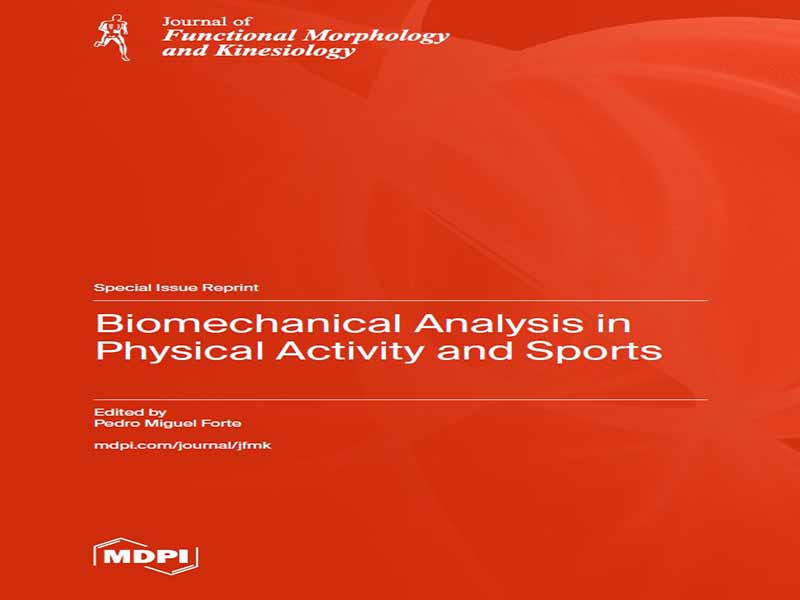
- عنوان کتاب: Biomechanical Analysis in Physical Activity and Sports
- نویسنده: Pedro Miguel Forte
- حوزه: بایومکانیک
- سال انتشار: 2025
- تعداد صفحه: 186
- زبان اصلی: انگلیسی
- نوع فایل: pdf
- حجم فایل: 11.0 مگابایت
بیومکانیک نقش حیاتی در کمک به ما در درک چگونگی حرکت بدن انسان، به ویژه در زمینه ورزش و فعالیت بدنی، ایفا میکند. با بهکارگیری اصول فیزیک و مهندسی، تجزیه و تحلیل بیومکانیکی به ما این امکان را میدهد که نیروهای وارد بر بدن را مطالعه کنیم. این امر نه تنها برای افزایش عملکرد ورزشی، بلکه برای تجزیه و تحلیلهای مرتبط با سلامت و فعالیت بدنی نیز بسیار ارزشمند است. پیشرفتهای اخیر فناوری، از جمله سیستمهای ثبت حرکت، صفحات نیرو، الکترومیوگرافی (EMG) و دینامیک سیالات محاسباتی، ابزارهای قدرتمندی را برای اندازهگیری و مدلسازی حرکت با دقت بینظیر در اختیار ما قرار دادهاند [1-3]. این فناوریها در ورزشهای مختلف، از جمله دویدن، دوچرخهسواری و شنا، به کار گرفته شدهاند و به ورزشکاران و مربیان در بهبود تکنیکهای عملکردشان کمک میکنند [2،3]. علاوه بر این، ظهور فناوریهای پوشیدنی و هوش مصنوعی (AI) قابلیتهای تجزیه و تحلیل در زمان واقعی را پیشرفتهتر کرده است. امروزه، ورزشکاران میتوانند از طریق حسگرهای تعبیه شده در تجهیزات خود، بازخورد فوری دریافت کنند و به آنها اجازه میدهد تکنیک خود را درجا تنظیم کنند که این امر نقش بزرگی در جلوگیری از آسیبها نیز ایفا میکند [1]. با وجود پیشرفتهای قابل توجه در بیومکانیک ورزشی، هنوز چندین شکاف کلیدی وجود دارد که باید برطرف شوند. یکی از چالشهای اصلی، انتقال یافتهها از محیطهای آزمایشگاهی کنترلشده به محیطهای ورزشی دنیای واقعی است. اگرچه مطالعات زیادی به درک ما کمک کردهاند، اما همیشه شرایط پیچیده و پویای عملکرد واقعی را منعکس نمیکنند [4،5]. برای غلبه بر این چالشها، نیاز به تحقیقات میدانی بیشتری وجود دارد که ارزیابیهای بیومکانیکی را در محیطهای تمرینی و رقابتی ادغام کند [5]. محدودیت دیگر، تمرکز محدود بر ورزشکاران نخبه است. تحقیقات اغلب ورزشکاران تفریحی، کودکان، بزرگسالان مسن و افراد دارای معلولیت را نادیده میگیرند [6]. گسترش مطالعات ما برای گنجاندن این گروهها جهت توسعه برنامههای تمرینی فراگیرتر و کاربردیتر ضروری است [7]. علاوه بر این، در حالی که بسیاری از مداخلات بیومکانیکی مزایای فوری را نشان میدهند، نیاز به مطالعات طولانیمدت وجود دارد که ارزیابی کنند که چگونه این تغییرات بر خطر آسیب و توسعه ورزشی در طول زمان تأثیر میگذارند [1،4]. از نظر عملی، کاربردهای بیومکانیک بسیار گسترده است. با بررسی زوایای مفاصل، فعالسازی عضلات و توزیع نیرو، بیومکانیکیستها و متخصصان مراقبتهای بهداشتی میتوانند ناکارآمدیها در حرکت را شناسایی کرده و برنامههای تمرینی شخصیسازی شده را توسعه دهند [8]. به عنوان مثال، دوندگان میتوانند از برنامههای بازآموزی راه رفتن بهرهمند شوند که نه تنها کارایی را بهبود میبخشند، بلکه به جلوگیری از آسیبهای رایج ناشی از استفاده بیش از حد نیز کمک میکنند. علاوه بر این، بینشهای حاصل از بیومکانیک، فرآیندهای توانبخشی را آگاه میکند و تضمین میکند که ورزشکاران آسیبدیده با خیال راحت و مؤثر به ورزش بازگردند [4]. علاوه بر این، این حوزه نقش مهمی در بهبود طراحی تجهیزات ورزشی ایفا میکند. چه کفشهای دویدن باشد و چه تجهیزات تطبیقی برای ورزشکاران دارای معلولیت، بیومکانیک تضمین میکند که این ابزارها برای راحتی و عملکرد بهینه شدهاند [2]. در نهایت، مربیان به طور فزایندهای از دادههای بیومکانیکی برای شخصیسازی تمرینات و بهبود تکنیکها استفاده میکنند و نقاط قوت و زمینههای بهبود خاص هر ورزشکار را مورد توجه قرار میدهند [9]. با نگاهی به آینده، آینده بیومکانیک در تقاطع فناوری و همکاری بین رشتهای قرار دارد. مدلهای مبتنی بر هوش مصنوعی قرار است نحوه تجزیه و تحلیل حرکات انسان را بهبود بخشند، ارائه آموزش شخصیسازی شده و بازخورد فوری را تسهیل کنند [2]. ما همچنین ظهور حسگرهای پوشیدنی قابل حمل و کاربرپسندتر را پیشبینی میکنیم که امکان ارزیابیهای بیومکانیکی با کیفیت بالا را در محیطهای دنیای واقعی فراهم میکنند و کاربرد یافتههای تحقیقاتی را در شرایط واقعی افزایش میدهند [10]. علاوه بر این، بررسی چگونگی تعامل سیستم عصبی با بیومکانیک ممکن است منجر به استراتژیهای توانبخشی مؤثرتر، به ویژه برای ورزشکارانی که از آسیبهای عصبی بهبود مییابند، شود [11]. این رویکرد به تضمین مشارکت بیومکانیک در یک محیط ورزشی فراگیرتر و آیندهنگرتر کمک خواهد کرد [12]. شماره ویژه اخیر منتشر شده با عنوان «تحلیل بیومکانیکی در فعالیت بدنی و ورزش»، توجه را به روشهای هیجانانگیزی که بیومکانیک آینده ورزش و تمرین را شکل میدهد، جلب میکند. از آنجایی که فناوریهای جدید مطالعه حرکات بدن را تسهیل میکنند، نیاز فزایندهای به پیوند تحقیقات با کاربردهای دنیای واقعی در ورزش، تناسب اندام یا دو و میدانی وجود دارد. این شماره ویژه به محققان، مربیان و متخصصان ورزش اجازه میدهد تا بینشهای جدید، راهحلهای عملی و همکاریهای خلاقانهای را که عملکرد، ایمنی و اثربخشی تمرین ورزشکاران را افزایش میدهد، به اشتراک بگذارند. این فرصتی ارزشمند برای بررسی تأثیر بیومکانیک بر حرکت و عملکرد رقابتی است.
Biomechanics plays a vital role in helping us understand how the human body moves, especially in the context of sports and physical activity. By applying principles from physics and engineering, biomechanical analysis allows us to study the forces acting on the body. This is incredibly valuable not only for enhancing athletic performance but also for health and physical activity-related analysis. Recent technological advances, including motion capture systems, force plates, electromyography (EMG), and computational fluid dynamics, have provided us with powerful tools for measuring and modeling movement with unparalleled precision [1–3]. These technologies have been adopted across various sports, including running, cycling, and swimming, helping athletes and coaches in enhancing their performance techniques [2,3]. In addition, the emergence of wearable technology and artificial intelligence (AI) has further advanced real-time analysis capabilities. Today, athletes can receive immediate feedback through sensors embedded in their gear, allowing them to adjust their technique on the spot, which also plays a big part in preventing injuries [1]. Despite significant advances in sports biomechanics, several key gaps remain to be addressed. One of the major challenges is translating findings from controlled laboratory environments into real-world sports settings. While many studies have contributed to our understanding, they do not always reflect the complex, dynamic conditions of actual performance [4,5]. To overcome these challenges, there is a need for more field-based research that integrates biomechanical assessments into both training and competitive environments [5]. Another limitation is the narrow focus on elite athletes. Research often overlooks recreational athletes, children, older adults, and individuals with disabilities [6]. It is essential to expand our studies to include these groups to develop more inclusive and broadly applicable training programs [7]. Furthermore, while many biomechanical interventions show immediate benefits, there is a need for long-term studies that evaluate how these changes influence injury risk and athletic development over time [1,4]. In practical terms, the applications of biomechanics are vast. By examining joint angles, muscle activation, and force distribution, biomechanists and healthcare professionals can identify inefficiencies in movement and develop personalized training plans [8]. For instance, runners can benefit from gait retraining programs that not only improve efficiency but also help prevent common overuse injuries. Furthermore, insights from biomechanics inform rehabilitation processes, ensuring that injured athletes return to sport safely and effectively [4]. Additionally, this area plays a crucial role in improving sports equipment design. Whether it is running shoes or adaptive equipment for athletes with disabilities, biomechanics ensures that these tools are optimized for comfort and performance [2]. Finally, coaches are increasingly leveraging biomechanical data to personalize exercises and improve techniques, addressing each athlete’s specific strengths and areas for improvement [9]. Looking ahead, the future of biomechanics lies at the intersection of technology and interdisciplinary collaboration. AI-powered models are set to enhance how we analyze human movement, facilitating the delivery of personalized training and immediate feedback [2]. We also anticipate the emergence of more portable and user-friendly wearable sensors, enabling high-quality biomechanical assessments in real-world settings and enhancing the applicability of research findings to actual conditions [10]. In addition, exploring how the nervous system interacts with biomechanics may result in more effective rehabilitation strategies, especially for athletes recovering from neurological injuries [11]. This approach will help ensure biomechanics contributes to a more inclusive and forward-thinking sporting environment [12]. The recently published Special Issue, “Biomechanical Analysis in Physical Activity and Sports”, brings attention to the exciting ways biomechanics shapes the future of sports and exercise. As new technologies facilitate the study of bodily movements, there is an increasing need to connect research with real-world applications in sports, fitness, or athletics. This Special Issue allows researchers, coaches, and sports professionals to share novel insights, practical solutions, and creative collaborations that enhance athlete performance, safety, and training effectiveness. It presents a valuable chance to explore the impact of biomechanics on movement and competitive performance.
این کتاب را میتوانید از لینک زیر بصورت رایگان دانلود کنید:
Download: Biomechanical Analysis in Physical Activity and Sports
























نظرات کاربران