












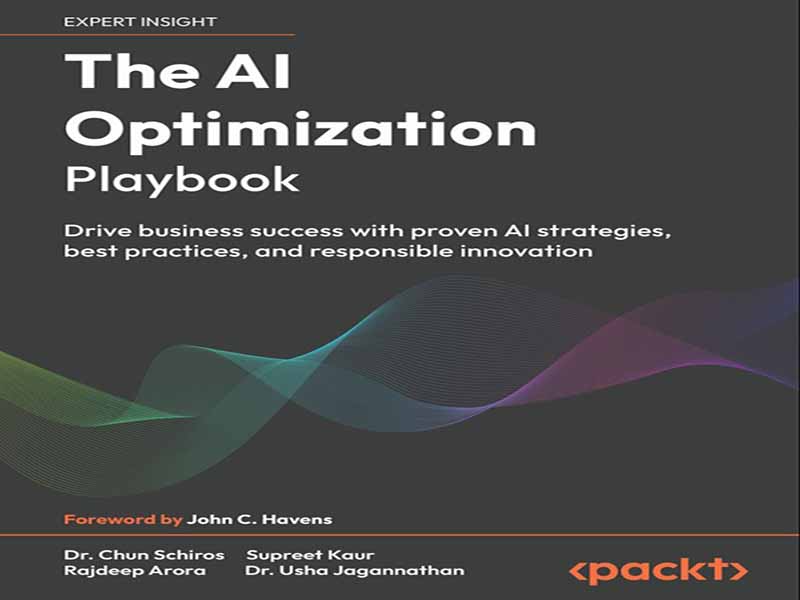
- عنوان کتاب: The AI Optimization Playbook -Drive business success with proven AI strategies, best practices, and responsible innovation
- نویسنده: Dr. Chun Schiros, Supreet Kaur, Rajdeep Arora
- حوزه: کاربرد هوش مصنوعی
- سال انتشار: 2025
- تعداد صفحه: 550
- زبان اصلی: انگلیسی
- نوع فایل: pdf
- حجم فایل: 7.24 مگابایت
کتاب راهنمای بهینهسازی هوش مصنوعی (AI Optimization Playbook) با هدف آموزش رهبران کسبوکار، دانشمندان داده و مهندسان هوش مصنوعی برای دستیابی به ارزش تجاری متحولکننده در کل چرخه حیات پروژههای هوش مصنوعی منتشر شده است. این کتاب نه تنها جنبه فنی بهینهسازی مدل، بلکه عناصر حیاتی استراتژی، رهبری، انتخاب پروژه، هوش مصنوعی/MLOps و مدیریت مسئولانه هوش مصنوعی مورد نیاز برای تبدیل موفقیتآمیز هوش مصنوعی به مرحله تولید را نیز پوشش میدهد. این کتاب چندین چارچوب کلیدی، مانند چرخه حیات پروژه هوش مصنوعی (از استراتژی تا نمونه اولیه تا تولید و تکرار) را معرفی میکند تا رویکردهای اثباتشدهای را برای تولید مداوم خروجی با کیفیت بالا و تأثیرگذار ارائه دهد. این کتاب شما را در مورد چگونگی تدوین یک استراتژی هوش مصنوعی، انتخاب پروژههای تأثیرگذار و پیمایش کل چرخه حیات از مرحله آزمایشی تا تولید راهنمایی میکند. همچنین جزئیات نحوه عملیاتی کردن این سیستمها با استفاده از MLOps و اخیراً LLMOps برای هوش مصنوعی مولد را شرح میدهد تا از مقیاسپذیر و قابل اعتماد بودن راهحلها اطمینان حاصل شود. این کتاب با رویکردی عملی و کاربردی با استفاده از مطالعات موردی دنیای واقعی، عمیقتر به مفاهیم پشت پرده شکست پروژههای هوش مصنوعی میپردازد. این تضمین میکند که شما نه تنها یاد خواهید گرفت که چگونه چیزی بسازید، بلکه خواهید فهمید که چرا هماهنگی استراتژیک و مدیریت مسئولانه برای تولید نتایج تجاری مقیاسپذیر حیاتی هستند. یادگیری مدیریت مؤثر کل این چرخه عمر، یک مهارت توانمندساز در حوزه به سرعت در حال تحول هوش مصنوعی است. این کتاب به پنج بخش تقسیم شده است: بخش 1، زمینهسازی برای موفقیت هوش مصنوعی، پایه استراتژیک لازم برای هر ابتکار موفق هوش مصنوعی را ایجاد میکند. ما با بررسی اینکه چرا اکثر پروژههای هوش مصنوعی شکست میخورند، شروع خواهیم کرد و نشان میدهیم که این شکستها عمدتاً مربوط به استراتژی، اجرا و ادغام هستند، نه شکستهای فناوری. ما مشکلات رایج، مانند اهداف ناهماهنگ (دنبال کردن “معیارهای جایگزین” فنی به جای ارزش تجاری)، توسعه جداگانه، پایههای داده ضعیف و سوء تفاهم از ماهیت تکراری و غیرقطعی هوش مصنوعی را تجزیه و تحلیل خواهیم کرد. پس از مشخص کردن اینکه چه چیزی اشتباه پیش میرود، این بخش این درسها را به یک چارچوب عملی برای ایجاد یک استراتژی بالغ هوش مصنوعی تبدیل میکند. این شامل استفاده از فرآیندهای ارزیابی مانند چارچوب ICE برای اولویتبندی نقشه راه پروژه، ایجاد حاکمیت قوی و انطباق با استفاده از مدلهای تثبیتشده مانند NIST AI RMF و طراحی یک استراتژی داده مدرن که با دادهها به عنوان یک محصول رفتار میکند، میشود. در نهایت، ما نیاز به یک پلتفرم هوش مصنوعی مقیاسپذیر، یک استراتژی انتخاب الگوریتم اصولی و یک ساختار سازمانی ترکیبی “محور و محور” برای مدیریت تغییر را پوشش میدهیم. بخش 2، همسوسازی پروژهها با تأثیر تجاری، یک طرح عملی برای پر کردن شکاف بین استراتژی و اجرا ارائه میدهد که با انتخاب پروژههای هوش مصنوعی با تأثیر بالا شروع میشود. ما ابتدا به تفصیل نحوه تجزیه و تحلیل و اولویتبندی ابتکارات را شرح خواهیم داد و فراتر از نوآوری فنی صرف، بر عواملی مانند تأثیر تجاری، تعریف کاربر نهایی و تجزیه و تحلیل جامع امکانسنجی که دادهها، مجموعه فناوری و استعداد را پوشش میدهد، تمرکز خواهیم کرد. این شامل روشهای کمی برای اندازهگیری فرصت، مانند اندازهگیری تیشرت و مقایسههای رونق، و همچنین تجزیه و تحلیل دقیق هزینه-فایده برای توجیه بازگشت سرمایه بالقوه است. پس از شناسایی یک پروژه، گام حیاتی بعدی، یعنی جلب حمایت رهبری، را پوشش خواهیم داد و با مشارکت زودهنگام ذینفعان، تمرکز بر «خب که چی» ارزش تجاری، ارائه یک نقشه راه مرحلهای و دیدن انتظارات واقعبینانه، راهنمایی برای تدوین یک روایت قانعکننده ارائه خواهیم داد. با تأمین حمایت مالی، یک دفترچه راهنما برای ساخت یک اثبات مفهوم (PoC) مؤثر به عنوان یک آزمایش در مقیاس کوچک و کمخطر برای سنجش امکانسنجی ارائه خواهیم داد و تصمیمات حیاتی پس از PoC را شرح خواهیم داد: اینکه آیا باید اصلاح شود، تغییر مسیر داده شود یا به یک MVP تبدیل شود. در نهایت، یک چارچوب جامع برای سنجش عملکرد PoC فراتر از معیارهای مدل فنی معرفی خواهیم کرد که معیارهای ضروری سیستم، کسبوکار و ایمنی مورد نیاز برای اثبات ارزش آن و تضمین مسیر روشن برای تولید را پوشش میدهد. بخش 3، استقرار و اثبات ارزش یادگیری ماشینی، یک راهنمای جامع برای چرخه عمر کامل و سرتاسری یک سیستم یادگیری ماشینی ارائه میدهد که از تعریف هدف آن تا اثبات تأثیر علّی آن بر کسبوکار را در بر میگیرد. ما با چارچوب بنیادی برای موفقیت شروع خواهیم کرد و فراتر از دقت ساده، به تعریف اهداف چندبعدی و همسو با کسبوکار، معیارهای ضروری برای جلوگیری از آسیبهای ناخواسته و معیارهای جایگزین برای ردیابی اهداف بلندمدت خواهیم پرداخت. در مرحله بعد، به «تولید» خواهیم پرداخت که فرآیند حیاتی عملیاتی کردن مدلها از دفترچههای آزمایشی به سیستمهای قوی و در سطح تولید است و به بررسی بهترین شیوههای MLOps، اهمیت خطوط لوله قابل تکرار برای کد و دادهها و گزینههای معماری برای ارائه مدل خواهیم پرداخت. در نهایت، علم استنتاج علی را برای پاسخ به این سوال حیاتی بررسی خواهیم کرد: «آیا سیستم کاری را که قرار بود انجام دهد، انجام داد؟» و «استاندارد طلایی» آزمایش A/B (RCTs) و همچنین تکنیکهای پیشرفته مشاهدهای و روشهای بهینهسازی مانند multi-ar را پوشش خواهیم داد.
The AI Optimization Playbook aims to train business leaders, data scientists, and AI engineers to achieve transformative business value throughout the entire AI project lifecycle. It covers not only the technical aspect of model optimization but also the crucial elements of strategy, leadership, project selection, AI/MLOps, and responsible AI governance required for puing AI into production successfully. The book introduces several key frameworks, such as the AI project lifecycle (from strategy to prototype to production to iteration), to provide proven approaches for consistently producing high- quality, high-impact output. This book guides you on how to formulate an AI strategy, select high-impact projects, and navigate the entire lifecycle from pilot to production. It also details how to operationalize these systems using MLOps and, more recently, LLMOps for generative AI, to ensure solutions are scalable and reliable. Taking a practical, hands-on approach using real-world case studies, the book also dives deeper into the concepts behind why AI projects fail. This ensures that you will not only learn how to build something but also understand why strategic alignment and responsible governance are critical for producing scalable business outcomes. Learning to effectively manage this entire lifecycle is an empowering skill set in the quickly evolving field of artificial intelligence. The book is structured into five parts: Part 1 , Laying the Groundwork for AI Success , establishes the strategic foundation necessary for any successful AI initiative. We will begin by examining why most AI projects fail, showing that these are overwhelmingly strategy, execution, and integration failures, not technology failures. We will analyze common pitfalls, such as misaligned goals (chasing technical “surrogate metrics” instead of business value), siloed development, weak data foundations, and a misunderstanding of AI’s iterative and non-deterministic nature. Having established what goes wrong, this part translates these lessons into a practical framework for building a mature AI strategy. This includes using evaluation processes such as the ICE framework to prioritize a project roadmap, building robust governance and compliance using established models such as the NIST AI RMF, and designing a modern data strategy that treats data as a product. Finally, we cover the need for a scalable AI platform, a principled algorithm selection strategy, and a hybrid “hub-and-spoke” organizational structure to manage change. Part 2 , Aligning Projects with Business Impact , provides a practical blueprint for bridging the gap between strategy and execution, beginning with the selection of high-impact AI projects. We will first detail how to analyze and prioritize initiatives, moving beyond just technical novelty to focus on factors such as business impact, end-user definition, and comprehensive feasibility analysis covering data, the tech stack, and talent. This includes quantitative methods for opportunity sizing, such as T-shirt sizing and boom-up comparables, as well as rigorous cost-benefit analysis to justify the potential ROI. Once a project is identified, we will cover the critical next step of gaining leadership support, offering a guide to crafting a compelling narrative by engaging stakeholders early, focusing on the “so-what” of business value, presenting a phased roadmap, and seing realistic expectations. With sponsorship secured, we will present a playbook for building an effective Proof of Concept ( PoC ) as a small-scale, low-risk experiment to test feasibility, detailing the critical post-PoC decisions: whether to refine, pivot, or proceed to an MVP. Finally, we will introduce a comprehensive framework for measuring the PoC’s performance beyond just technical model metrics, covering the essential system, business, and safety metrics needed to prove its value and secure a clear path to production. Part 3 , Deploying and Proving ML Value , provides a comprehensive guide to the complete, end-to-end lifecycle of an ML system, moving from defining its purpose to proving its causal impact on the business. We will start with the foundational framework for success, moving beyond simple accuracy to define multi- dimensional, business-aligned goals, essential guardrail metrics to prevent unintended harm, and surrogate metrics to track long-term objectives. Next, we will dive into “productization,” which is the critical process of operationalizing models from experimental notebooks into robust, production-grade systems, exploring MLOps best practices, the importance of reproducible pipelines for code and data, and the architectural choices for model serving. Finally, we will explore the science of causal inference to answer the critical question, “Did the system do what it was intended to do?”, covering the “gold standard” of A/B testing (RCTs), as well as advanced observational techniques and optimization methods such as multi-arm bandits. Part 4 , Emerging Topics: Generative AI and AI Agents , explores the new frontier of AI technologies that are transforming enterprises. We will begin by explaining generative AI and LLMs in business-friendly terms, covering key use cases across various functions, from marketing and customer service to code generation, as well as practical adoption considerations. Following this, we will define LLMOps and detail how it extends traditional MLOps to handle the unique operational lifecycle of large language models, including prompt orchestration, fine-tuning, and specialized monitoring. Finally, we will explore the emerging world of AI agents, discussing what they are, their potential to automate complex multi-step tasks, and the frameworks for building and governing these autonomous systems safely. Part 5 , Responsible AI and Governance , provides a crucial framework for ensuring AI solutions are ethical, fair, compliant, and sustainable, starting by defining Responsible AI ( RAI ) and its core pillars (FEAT). It then provides a practical guide to operationalizing these principles through governance commiees, risk assessment checklists (Risk Score = Likelihood * Impact), and strategic Human-in- the-Loop ( HITL ) approaches. The part also addresses the unique challenges of trustworthy LLMs, such as “hallucinations,” and surveys the evolving global regulatory landscape, including the EU AI Act, before concluding with a look at future trends such as quantum computing and a vision of the fully optimized, AI- driven enterprise of 2030.
این کتاب را میتوانید از لینک زیر بصورت رایگان دانلود کنید:
Download: The AI Optimization Playbook
























نظرات کاربران