












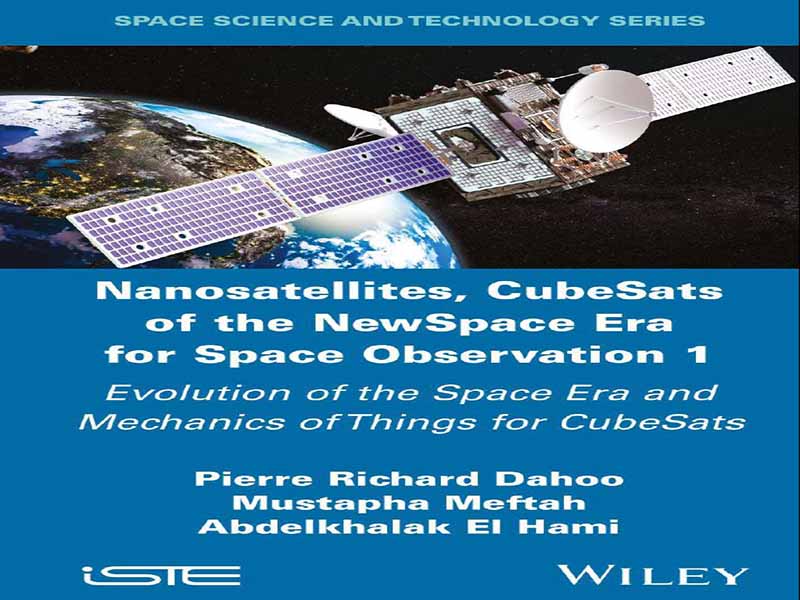
- عنوان کتاب: Nanosatellites, CubeSats of the NewSpace Era for Space Observation 1
- نویسنده: Pierre Richard Dahoo, Mustapha Meftah
- حوزه: ماهواره
- سال انتشار: 2025
- تعداد صفحه: 294
- زبان اصلی: انگلیسی
- نوع فایل: pdf
- حجم فایل: 5.98 مگابایت
اکتشافات فضایی از یک سو به دلیل شرایط سختی که تجهیزات موجود در ماهوارهها یا کاوشگرهای فضایی تحت آن کار میکنند (خلاء، دما، ارتعاشات، تابش و غیره) و از سوی دیگر به دلیل این واقعیت که اشیاء فضایی باید بدون دخالت مستقیم اپراتور به صورت خودکار تکامل یابند، نیازمند دستاوردهای فناوری ویژهای است. برای راهاندازی دستگاهها در این شرایط، منابع و تخصص قابل توجهی مورد نیاز است. این امر تعداد کشورهایی را که میتوانند از طریق ساختارهای خاص، مانند آژانسهای فضایی، در این زمینه سرمایهگذاری کنند، محدود کرده است. اگرچه فضا برای بسیاری همچنان مورد توجه و جذابیت است، اما ما اغلب از کاربردهای انقلابی که فقط از فضا قابل انجام هستند و به زندگی روزمره ما مربوط میشوند، غافل میشویم: کاربردهای متعددی که به چشمانداز جهانی از سطح زمین، محیط زیست و فرآیندهای هواشناسی آن، ارتباطات و انتشار محتوا، موقعیتیابی، قابلیت ردیابی و خلبانی از راه دور از فضا، امنیت و نظارت، تحقق برخی فرآیندهای بیولوژیکی و تأثیر بر اثرات پزشکی، بهبود دانش ما از جهان و تکامل سایر سیارات و غیره مرتبط هستند. این کاربردهای رو به رشد، آن را به یک بخش اقتصادی بزرگ با پیامدهای ژئوپلیتیکی و امنیتی قابل توجه تبدیل کرده است. به طور متناقضی، کوچکسازی فناوری و خصوصیسازی این بخش، این بخش صنعتی را باز کرده است. امروزه، این بخش بسیار پراکنده است، درست مانند سایر بخشهای دولتی که پس از گشایش قوی و مشارکت حوزه خصوصی، این تحول را تجربه کردهاند. بسیاری از بازیگران جدید و ابتکارات بلندپروازانه در حال ظهور هستند. رقابت شدید بین ذینفعان به این معنی است که نوآوری ضروری است، همانطور که تغییرات در نحوه مدیریت، تأمین مالی و بازاریابی توسعهها نیز ضروری است. با این حال، NewSpace نمیتواند از تجربیات انباشته شده در طول سالها فرار کند. اصول اولیه تغییر نکردهاند و محیط فضایی نیازمند توسعه دستگاههای پیچیدهتر – خودکار، اما به همان اندازه قوی، است که عملکرد بهینه را در این محیط خصمانه تضمین میکند. روش چابک تنها راه برای یادگیری در مورد چالشهای جدید و شناسایی نقاط بحرانی، بدون گرفتار شدن در رویکردهای سیستماتیک و پرهزینه است. با توجه به این نکته، علاوه بر دانش صحیح از تمام مراحل توسعه و اعتبارسنجی فناوری مورد استفاده، تجزیه و تحلیل موفقیتها و شکستهای گذشته بسیار آموزنده است. این امر حتی در مورد دورترین تحولات تاریخی، تا مراحل متوالی توسعه یک قطعه، صدق میکند. این تحلیل شکست است که ما را قادر میسازد تا به سرعت بر روی بحرانیترین نقاط تمرکز کنیم، آنها را اولویتبندی کنیم و در نتیجه راهحلهای فنی را در مدت زمان بسیار کوتاهتری بسیار قابل اعتمادتر در نظر بگیریم. نانوماهوارهها، ماهوارههای مکعبی عصر جدید فضایی برای رصد فضایی ۱، ۲ و ۳ به گونهای طراحی شدهاند که از طریق تحلیل تاریخچه فضا و مراحل مختلف توسعه ابزار، اصول اولیه را در اختیار خوانندگان قرار دهند. این کتابها، بر اساس بازخورد حاصل از پیشرفتها و تحلیلهای انجام شده در چارچوب تحقیقات، به کسانی که مایل به تکمیل دانش و دیدگاه خود در مورد این بخش به سرعت در حال تغییر هستند، این امکان را میدهند تا تکامل آن را بهتر درک کنند: از اصول اولیه تا پیشرفتهای چشمگیر.
Space exploration requires special technological achievements due, on the one hand, to the extreme conditions under which equipment aboard satellites or space probes operate (vacuum, temperature, vibrations, radiation, etc.); and, on the other hand, to the fact that space objects must evolve autonomously without direct operator intervention. Considerable resources and expertise are required to operate devices in these conditions. This has limited the number of countries able to invest in this field via specific structures, such as space agencies. Although space remains a field of attention and fascination for many, we often overlook the revolutionary applications that can only be carried out from space, and which concern our daily lives: numerous applications linked to a global vision of the Earth’s surface, its environment and meteorological processes, communication and content dissemination, positioning, traceability and remote piloting from space, security and surveillance, the realization of certain biological processes and the impact on medical effects, improving our knowledge of the Universe and the evolution of other planets, etc. These ever-growing applications have made it a major economic sector with significant geopolitical and security implications. Paradoxically, technological miniaturization and the privatization of the sector have opened up this industrial sector. Today, it is highly fragmented, in the same way as other state-owned sectors which have undergone this evolution following a strong opening-up and involvement of the private sphere. Many new players and ambitious initiatives are emerging. The fierce competition between stakeholders means that innovation is essential, as are changes to the way in which developments are managed, financed and marketed. However, NewSpace cannot escape the experience accumulated over the years. The fundamentals have not changed, and the space environment calls for the development of ever more elaborate devices – automated, but just as robust, guaranteeing optimal operation in this hostile environment. The agile method is the only way to learn about new challenges and identify critical points, without getting bogged down in systematic and costly approaches. With this in mind, in addition to a sound knowledge of all of the development and validation stages of the technology used, it is very instructive to analyze past successes and failures. This applies to even the most distant historical developments, right through to the successive stages in the development of a component. It is this analysis of failure that enables us to quickly focus on the most critical points, prioritize them and thus make the technical solutions considered much more reliable in a much shorter time. Nanosatellites, CubeSats of the NewSpace Era for Space Observation 1, 2 and 3 are designed to provide readers with the basics through an analysis of space history and the various stages of instrument development. Based on feedback from developments and analyses carried out within the framework of research, these books will enable those who so wish to perfect their knowledge and vision of this fast-changing sector, and to better understand its evolution: from fundamentals to breakthroughs.
این کتاب را میتوانید از لینک زیر بصورت رایگان دانلود کنید:
Download: Nanosatellites, CubeSats of the NewSpace Era for Space Observation 1

























نظرات کاربران