









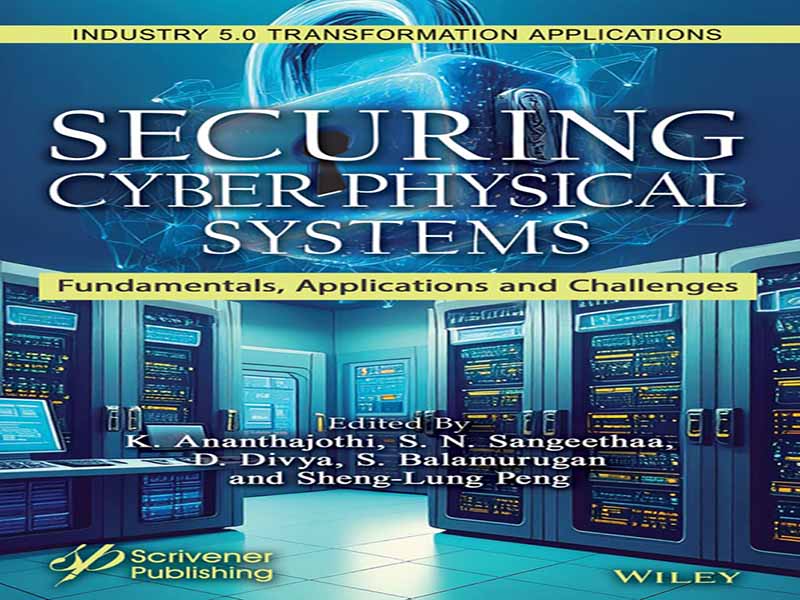
- عنوان کتاب: Securing Cyber-Physical Systems Fundamentals, Applications and Challenges
- نویسنده: K. Ananthajothi
- حوزه: سیستمهای سایبرفیزیکی
- سال انتشار: 2025
- تعداد صفحه: 487
- زبان اصلی: انگلیسی
- نوع فایل: pdf
- حجم فایل: 18.6 مگابایت
در چشمانداز به سرعت در حال تحول فناوری، ادغام سیستمهای سایبری-فیزیکی (CPS) به سنگ بنای نوآوری در بخشهای مختلف، از جمله مراقبتهای بهداشتی، حمل و نقل و تولید تبدیل شده است. این کتاب با هدف روشن کردن تلاقی حیاتی این سیستمها و امنیت سایبری، به چالشها و فرصتهای عمیقی که در این زمینه ایجاد میشوند، میپردازد. همزمان با گذر از پیچیدگیهای یک دنیای به طور فزاینده به هم پیوسته، ضرورت اقدامات امنیتی قوی هرگز تا این حد ضروری نبوده است. همگرایی قلمروهای فیزیکی و دیجیتال، آسیبپذیریهای بیسابقهای را ایجاد کرده است که مستلزم رویکردی پیشگیرانه و جامع برای ایمنسازی این سیستمهای ضروری است. این کتاب، مشارکتهای محققان و متخصصان محترم صنعت را گرد هم آورده و کاوشی جامع در مورد CPS شناختی، چالشهای امنیتی ذاتی آنها و آخرین پیشرفتها در حفاظت از این سیستمها ارائه میدهد. هر فصل، تحقیقات، چارچوبها و روشهای پیشرفتهای را ارائه میدهد که به موضوعات متنوعی، از جمله افزایش ایمنی و امنیت در وسایل نقلیه خودران، استراتژیهای نوآورانه برای مدیریت ایمن دادهها در هوش مصنوعی و چارچوبهای انعطافپذیر برای مدیریت تهدیدات در صنعت ۴.۰، میپردازند. بینشهای ارائه شده توسط نویسندگان نه تنها وضعیت فعلی هنر را برجسته میکند، بلکه راه را برای نوآوریهای آینده در CPS و امنیت سایبری هموار میکند. این کتاب با پرداختن به حوزههای حیاتی مانند تشخیص نفوذ، پیامدهای یادگیری ماشین در افزایش امنیت و ادغام اینترنت اشیا در محیطهای سایبری-فیزیکی، قصد دارد متخصصان را به دانش و ابزارهای لازم برای مقابله با تهدیدهای نوظهور مجهز کند. هدف جمعی ما توانمندسازی محققان، متخصصان و سیاستگذاران با بینشهای عملی است که تابآوری سیستمهای سایبری-فیزیکی را در برابر تهدیدهای در حال تحول افزایش میدهد. علاوه بر این، این کتاب اهمیت همکاری بین رشتهای در مقابله با چالشهای ناشی از امنیت CPS را به رسمیت میشناسد. همانطور که در این سفر از طریق صفحات کتاب «ایمنسازی سیستمهای سایبری-فیزیکی: مبانی، کاربردها و چالشها» شروع میکنید، از شما دعوت میکنیم تا با مطالب به طور انتقادی تعامل داشته باشید و پتانسیل تحولآفرین این فناوریها را تصور کنید. با هم، میتوانیم آیندهای امن و پایدار را پرورش دهیم و اطمینان حاصل کنیم که ادغام سیستمهای سایبری-فیزیکی همچنان نوآوری را هدایت میکند و در عین حال از یکپارچگی و ایمنی دنیای به هم پیوسته ما محافظت میکند. گفتمان آغاز شده در این صفحات فقط یک تمرین دانشگاهی نیست، بلکه فراخوانی برای اقدام همه ذینفعان در چشمانداز CPS است تا به طور فعال در تقویت بنیانهای فناوری خود در برابر چالشهای پیش رو مشارکت کنند. این جلد به بررسی تلفیق محاسبات شناختی، هوش مصنوعی و استراتژیهای امنیت سایبری برای افزایش ایمنی، امنیت و تابآوری سیستمهای سایبری-فیزیکی (CPS)، به ویژه در حوزههایی مانند وسایل نقلیه خودران، مراقبتهای بهداشتی هوشمند، صنعت ۴.۰ و اینترنت اشیا میپردازد. فصل ۱ چارچوبی را معرفی میکند که کنترل بهینه و یادگیری راهزن چندمسلح را برای ایمنسازی وسایل نقلیه متصل خودران از تهدیدات سایبری-فیزیکی ترکیب میکند. فصل ۲ یک چارچوب امنیت سایبری-فیزیکی شناختی (CCPS) را برای مدیریت ایمن دادهها در هوش مصنوعی و شبکههای پیشگیرانه با استفاده از قابلیتهای شناختی در لایه فیزیکی ارائه میدهد. فصل ۳ یک سیستم تشخیص نفوذ مبتنی بر هوش مصنوعی برای صنعت ۴.۰ توسعه میدهد که سیستمهای شناختی و یادگیری عمیق را برای تشخیص تهدیدات پیچیده ادغام میکند. فصل ۴ بر ایجاد CCPS مقاوم با پرداختن به کیفیت خدمات، هزینه و امنیت از طریق مدلهای قوی، شبیهسازیها و معماریهای سیستم تمرکز دارد. فصل ۵ چالشهای امنیت سایبری در محیطهای اینترنت اشیا را بررسی میکند و از تکنیکهای محاسبات شناختی برای بهبود حریم خصوصی دادهها، مقیاسپذیری و تابآوری استفاده میکند. فصل ۶ ادغام CCPS و اینترنت اشیا را در سیستمهای هوشمند مراقبتهای بهداشتی اعمال میکند و امنیت دادههای بیمار و تشخیص تهدید را از طریق محاسبات شناختی بلادرنگ افزایش میدهد. فصل ۷ به بررسی چگونگی افزایش امنیت CPS توسط یادگیری ماشین در اقتصادهای مدرن میپردازد و بر مزایا و تهدیدات بالقوه در صنایع مبتنی بر اینترنت اشیا تأکید میکند. فصل ۸ یک چارچوب تحلیل ایمنی مبتنی بر نظریه سیستمها را برای شناسایی و کاهش خطرات در CPS پزشکی در طول چرخه عمر آنها ارائه میدهد. فصل ۹ استفاده از یادگیری تقویتی و امنیت سایبری شناختی را برای محافظت از سیستمهای مراقبتهای بهداشتی مبتنی بر CPS-IoT در برابر تهدیدات در حال تحول پیشنهاد میکند. فصل ۱۰ تهدیدات سایبری در حال تحول در عصر دیجیتال را بررسی میکند و ابزارهای پیشرفتهای – مانند بلاکچین و محاسبات ابری – را برای ایجاد دفاعهای مقاوم پیشنهاد میدهد. فصل ۱۱ استراتژیهای جامع دفاع CPS، از جمله تشخیص ناهنجاری، رمزگذاری، یادگیری ماشین و مدلهای Zero Trust را تشریح میکند. فصل ۱۲ نوآوریهای مبتنی بر هوش مصنوعی در امنیت سایبری، از جمله امنیت پساکوانتومی و بلاکچین را بررسی میکند و تعامل بین هوش مصنوعی و حفاظت دیجیتال را برجسته میکند. فصل ۱۳ چالشهای امنیت سایبری جهانی، انگیزههای حملات و نوآوریها در دفاع را ارزیابی میکند.
In the rapidly evolving landscape of technology, the integration of cyber-physical systems (CPS) has become a cornerstone of innovation across various sectors, including healthcare, transportation, and manufacturing. This book aims to illuminate the critical intersection of these systems and cybersecurity, addressing the profound challenges and opportunities that arise in this context. As we navigate the complexities of an increasingly interconnected world, the necessity for robust security measures has never been more pressing. The convergence of the physical and digital realms has introduced unprecedented vulnerabilities, necessitating a proactive and comprehensive approach to securing these essential systems. This book brings together contributions from esteemed researchers and industry professionals, offering a comprehensive exploration of cognitive CPS, their inherent security challenges, and the latest advancements in safeguarding these systems. Each chapter presents cutting-edge research, frameworks, and methodologies that delve into diverse topics, including the enhancement of safety and security in autonomous vehicles, innovative strategies for secure data handling in artificial intelligence, and resilient frameworks for managing threats in Industry 4.0. The insights provided by the authors not only highlight the current state of the art but also pave the way for future innovations in CPS and cybersecurity. By addressing critical areas such as intrusion detection, the implications of machine learning in enhancing security, and the integration of IoT in cyber-physical environments, this book aims to equip professionals with the knowledge and tools necessary to confront emerging threats. Our collective goal is to empower researchers, practitioners, and policymakers with actionable insights that enhance the resilience of cyber-physical systems against everevolving threats. Moreover, this book recognizes the importance of interdisciplinary collaboration in tackling the challenges posed by CPS security. As you embark on this journey through the pages of Securing Cyber- Physical Systems: Fundamentals, Applications and Challenges, we invite you to engage with the material critically and to envision the transformative potential of these technologies. Together, we can foster a secure and sustainable future, ensuring that the integration of cyber-physical systems continues to drive innovation while safeguarding the integrity and safety of our interconnected world. The discourse initiated within these pages is not just an academic exercise but a call to action for all stakeholders in the CPS landscape to actively participate in fortifying our technological foundations against the challenges ahead. This volume explores the fusion of cognitive computing, AI, and cybersecurity strategies to enhance the safety, security, and resilience of cyber-physical systems (CPS), especially in domains like autonomous vehicles, smart healthcare, Industry 4.0, and IoT. Chapter 1 introduces a framework combining optimal control and multi-armed bandit learning to secure Autonomous Connected Vehicles from cyber-physical threats. Chapter 2 presents a cognitive cyber-physical security (CCPS) framework for secure data handling in AI and proactive networks using cognitive capabilities at the physical layer. Chapter 3 develops an AI-enabled intrusion detection system for Industry 4.0, integrating cognitive systems and deep learning to detect sophisticated threats. Chapter 4 focuses on building resilient CCPS by addressing quality of service, cost, and security through robust models, simulations, and system architectures. Chapter 5 explores cybersecurity challenges in IoT environments and leverages cognitive computing techniques to improve data privacy, scalability, and resilience. Chapter 6 applies CCPS and IoT integration to smart healthcare systems, enhancing patient data security and threat detection through real-time cognitive computing. Chapter 7 analyzes how machine learning enhances CPS security across modern economies, emphasizing benefits and potential threats in IoT-driven industries. Chapter 8 offers a systems-theorybased safety analysis framework to identify and mitigate risks in medical CPS throughout their lifecycle. Chapter 9 proposes using reinforcement learning and cognitive cybersecurity to protect CPS-IoT-enabled healthcare systems from evolving threats. Chapter 10 examines evolving cyber threats in the digital era and proposes advanced tools—like blockchain and cloud computing—for building resilient defenses. Chapter 11 outlines comprehensive CPS defense strategies, including anomaly detection, encryption, machine learning, and Zero Trust models. Chapter 12 reviews AI-driven innovations in cybersecurity, including post-quantum security and blockchain, highlighting the interplay between AI and digital protection. Chapter 13 assesses global cybersecurity challenges, motivations for attacks, and innovations in defense frameworks and practices. Chapter 14 presents a predictive model using categorical classification to detect Android ransomware, enhancing mobile cybersecurity. Chapter 15 addresses ML-specific vulnerabilities in CPS, such as data poisoning and privacy breaches, and offers defense strategies validated through simulations. Chapter 16 explores a smart aquaculture system using IoT and data analytics to optimize oxygen levels and shrimp health, advancing sustainable seafood production. This book is significant, as it addresses the urgent need for solutions to the escalating risks associated with interconnected systems. As technology advances, the potential vulnerabilities of cyber-physical systems grow, making it imperative to understand and mitigate these risks. By providing practical frameworks, methodologies, and insights into innovative solutions, the book contributes to the ongoing discourse on safeguarding CPS—fostering a safer and more secure technological landscape for the future. We extend our gratitude to everyone who helped with this publication, including Martin Scrivener and the team at Scrivener Publishing.
این کتاب را میتوانید از لینک زیر بصورت رایگان دانلود کنید:
Download: Securing Cyber-Physical Systems Fundamentals, Applications and Challenges



























نظرات کاربران