



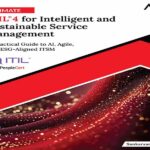





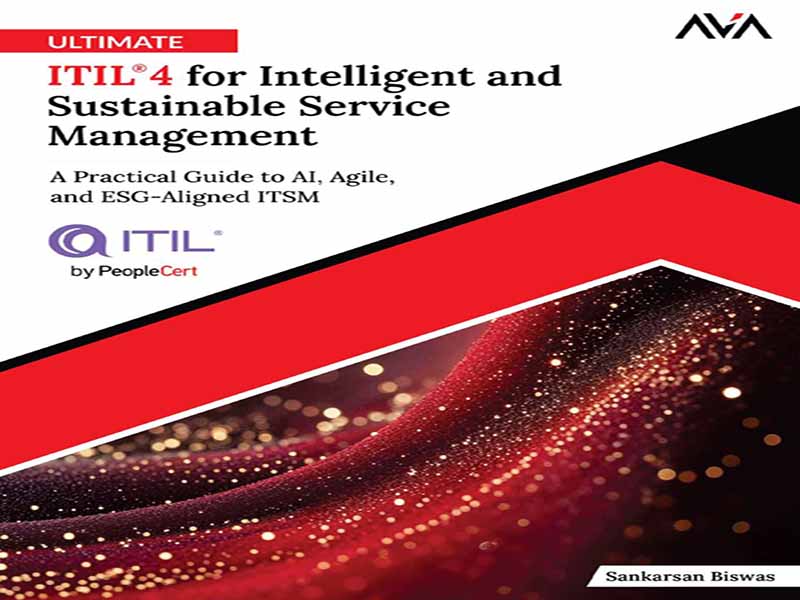
- عنوان کتاب: Ultimate ITIL® 4 for Intelligent and Sustainable Service Management -A Practical Guide to AI, Agile, and ESG-Aligned ITSM
- نویسنده: Sankarsan Biswas
- حوزه: ITIL V4
- سال انتشار: 2026
- تعداد صفحه: 553
- زبان اصلی: انگلیسی
- نوع فایل: pdf
- حجم فایل: 9.40 مگابایت
دنیای مدیریت خدمات فناوری اطلاعات، از زمان معرفی ITIL، عمیقترین تغییر خود را تجربه میکند. با شتاب گرفتن سازمانها به سمت عملیات دیجیتالمحور، انتظارات از تیمهای فناوری اطلاعات بسیار فراتر از ارائه خدمات سنتی گسترش یافته است. هوش مصنوعی، اتوماسیون، تجزیه و تحلیل پیشرفته و چارچوبهای اعتماد دیجیتال، نحوه طراحی، اجرا، مدیریت و تجربه خدمات را تغییر میدهند. این کتاب برای کمک به متخصصان در جهتیابی این تغییر با وضوح و اطمینان نوشته شده است. در طول دوران حرفهای نویسنده در عملیات جهانی، مشاوره ITSM و مشاوره اعتماد دیجیتال، او شاهد فرصتها و چالشهای متعددی بوده است که وقتی فناوری سریعتر از توانایی سازمانی تکامل مییابد، ایجاد میشوند. بسیاری از تیمها هنوز به فرآیندهای قدیمی ساخته شده برای دورانی متفاوت متکی هستند، در حالی که رهبران برای ایجاد تعادل بین نوآوری و ریسک، سرعت و ثبات و اتوماسیون و پاسخگویی تلاش میکنند. این کتاب با ترجمه شیوههای مدرن ITIL4 و قابلیتهای مبتنی بر هوش مصنوعی به راهنماییهای عملی که میتوانند بلافاصله در محیطهای دنیای واقعی اعمال شوند، قصد دارد این شکاف را پر کند. این کتاب در ۱۸ فصل جامع سازماندهی شده است که بررسی میکند چگونه هوش مصنوعی، مدیریت خدمات فناوری اطلاعات مدرن را بازتعریف میکند و شیوههای ITIL4 را برای یک شرکت دیجیتالمحور ارتقا میدهد. این کتاب، کاربرد عملی یادگیری ماشین، یادگیری عمیق، پردازش زبان طبیعی (NLP)، اتوماسیون و هوش مصنوعی (AIOps) را برای تبدیل گردشهای کاری سنتی خدمات به عملیات هوشمند، پیشبینیکننده و مقیاسپذیر بررسی میکند. این کتاب از طریق استراتژیهای عملی، گردشهای کاری همسو با جریان ارزش و مثالهای دنیای واقعی، سازمانها را در پذیرش مسئولانه هوش مصنوعی و در عین حال تقویت حاکمیت، اعتماد دیجیتال و بهبود مستمر راهنمایی میکند. این کتاب که برای رهبران فناوری اطلاعات، متخصصان، مشاوران و فراگیران طراحی شده است، به عنوان یک نقشه راه روشن و ساختاریافته برای ایجاد قابلیتهای مدیریت خدمات تطبیقی، انعطافپذیر و آماده برای آینده عمل میکند. هر فصل از این کتاب به گونهای طراحی شده است که فناوریهای نوظهور را رمزگشایی کند، آنها را به اصول ITIL4 متصل کند و کتابهای راهنمای عملی ارائه دهد که به رهبران فناوری اطلاعات کمک میکند تا عملیات خدمات خود را مدرن کنند. فصل 1: این فصل به بررسی تقاضاهای در حال تحول مدیریت خدمات فناوری اطلاعات در مواجهه با تحول سریع دیجیتال، افزایش انتظارات کاربران و همگرایی فناوریهای تحولآفرین میپردازد. این کتاب زمینه را برای اینکه چرا ITSM باید با در نظر گرفتن چابکی، هوش و پایداری مدرن شود، فراهم میکند. فصل ۲: این فصل، چارچوب ITIL4 را از دریچه عملیات مدرن فناوری اطلاعات، بازتفسیر میکند و بر سازگاری آن در محیطهای کسبوکار پویای امروزی تأکید میکند. این فصل توضیح میدهد که چگونه سیستم ارزش خدمات و اصول راهنما میتوانند عملاً برای پشتیبانی از چابکی، اتوماسیون و ارائه ارزش مستمر به کار گرفته شوند. فصل ۳: این فصل با تغییر تمرکز از خروجیهای فرآیند به تجربیات کاربر و نتایج کسبوکار، مفهوم “ارزش” را در ITSM مدرن بازتعریف میکند. این فصل، توافقنامههای سطح تجربه (XLA) و طراحی خدمات هدفمند را به عنوان ابزارهای ضروری برای سازمانهای آماده برای آینده معرفی میکند. فصل ۴: این فصل مفاهیم اصلی هوش مصنوعی مانند یادگیری ماشین، یادگیری عمیق و پردازش زبان طبیعی را رمزگشایی میکند و ارتباط آنها را در مدیریت خدمات فناوری اطلاعات توضیح میدهد. AIOps را به عنوان یک قابلیت اساسی برای افزایش بهرهوری خدمات، تصمیمگیری و اتوماسیون معرفی میکند. فصل ۵: این فصل نشان میدهد که چگونه میتوان هوش مصنوعی را در شیوههای ITIL مانند مدیریت حوادث، انجام درخواست خدمات، مدیریت دانش و بهبود مستمر تعبیه کرد. این فصل، موارد کاربردی عملی را ارائه میدهد که نقش هوش مصنوعی را در اتوماسیون، حل سریعتر مسائل و بینشهای پیشبینیکننده نشان میدهد. فصل 6: این فصل به بررسی ملاحظات اخلاقی، حاکمیتی و ریسکی ادغام هوش مصنوعی در ITSM میپردازد. این فصل، راهنماییهایی را در جهت تضمین شفافیت، پاسخگویی و همسویی با اصول حاکمیت ITIL4، ضمن مدیریت ریسکهای مرتبط با هوش مصنوعی، ارائه میدهد. فصل 7: این فصل توضیح میدهد که چگونه میتوان شیوههای ITIL4 را برای همسویی با گردشهای کاری Agile و DevOps، بدون به خطر انداختن حاکمیت، تطبیق داد. این فصل، مدلهای ادغامی را ارائه میدهد که امکان تحویل سریعتر، بازخورد مداوم و مدیریت خدمات مشارکتی را در بین تیمها فراهم میکند. فصل 8: این فصل بر تجزیه سیلوهای سازمانی برای ایجاد جریانهای ارزش یکپارچه در بین تیمهای فناوری اطلاعات و کسبوکار تمرکز دارد. این فصل، استفاده از روشهای Agile مانند Scrum و Kanban را برای تقویت همکاری، شفافیت و جریان مداوم در ارائه خدمات برجسته میکند. فصل 9: این فصل، شاخصهای کلیدی عملکرد متناسب با محیطهای خدماتی Agile و DevOps را با تمرکز بر جریان، کیفیت، سرعت و قابلیت اطمینان معرفی میکند. این فصل بر اهمیت استفاده از معیارهای عملی برای پیشبرد بهبود مستمر و ارائه ارزش تأکید میکند. فصل 10: این فصل بررسی میکند که چگونه ITSM میتواند از طریق عملیات با بهرهوری انرژی، تدارکات سبز و استفاده مسئولانه از منابع، به پایداری زیستمحیطی کمک کند. این فصل، شیوههای ITIL4 را با اهداف ESG همسو میکند تا طراحی و ارائه خدمات پایدار را ارتقا دهد. فصل 11: این فصل بر … تأکید دارد.
The world of IT Service Management is undergoing its most profound shift since the introduction of ITIL. As organizations accelerate toward digitalfirst operations, the expectations placed on IT teams have expanded far beyond traditional service delivery. Artificial Intelligence, automation, advanced analytics, and digital trust frameworks are reshaping how services are designed, operated, governed, and experienced. This book was written to help practitioners navigate that shift with clarity and confidence. Across the author’s career in global operations, ITSM consulting, and digital trust advisory, he witnessed several opportunities and challenges that arise when technology evolves faster than organizational capability. Many teams still rely on legacy processes built for a different era, while leaders struggle to balance innovation with risk, speed with stability, and automation with accountability. This book aims to bridge that gap by translating modern ITIL4 practices and AI-driven capabilities into practical guidance that can be applied immediately within real-world environments. This book is organized into 18 comprehensive chapters that examine how Artificial Intelligence is redefining modern IT Service Management, and elevating ITIL4 practices for a digital-first enterprise. It explores the practical application of machine learning, deep learning, NLP, automation, and AIOps to transform traditional service workflows into intelligent, predictive, and scalable operations. Through actionable strategies, valuestream– aligned workflows, and real-world examples, the book guides organizations in adopting AI responsibly while strengthening governance, digital trust, and continual improvement. Designed for IT leaders, practitioners, consultants, and learners, it serves as a clear, structured roadmap for building adaptive, resilient, and future-ready service management capabilities. Each chapter of this book is designed to demystify emerging technologies, connect them to ITIL4 principles, and offer actionable playbooks that help IT leaders modernize their service operations. Chapter 1: This chapter explores the evolving demands of IT service management in the face of rapid digital transformation, rising user expectations, and the convergence of disruptive technologies. It sets the context for why ITSM must modernize by embracing agility, intelligence, and sustainability. Chapter 2: This chapter reinterprets the ITIL4 framework through the lens of modern IT operations, highlighting its adaptability in today’s dynamic business environments. It explains how the Service Value System and guiding principles can be practically applied to support agility, automation, and continuous value delivery. Chapter 3: This redefines the concept of “value” in modern ITSM by shifting the focus from process outputs to user experiences and business outcomes. It introduces Experience-Level Agreements (XLAs) and purpose-driven service design as essential tools for future-ready organizations. Chapter 4: This chapter demystifies the core AI concepts such as machine learning, deep learning, and natural language processing, and explains their relevance in IT service management. It introduces AIOps as a foundational capability for enhancing service efficiency, decision-making, and automation. Chapter 5: This chapter illustrates how AI can be embedded across ITIL practices such as Incident Management, Service Request Fulfillment, Knowledge Management, and Continual Improvement. It presents practical use cases demonstrating AI’s role in automation, faster resolution, and predictive insights. Chapter 6: This chapter explores the ethical, governance, and risk considerations of integrating AI into ITSM. It provides guidance in ensuring transparency, accountability, and alignment with ITIL4’s governance principles, while managing AI-related risks. Chapter 7: This explains how ITIL4 practices can be adapted to align with Agile and DevOps workflows, without compromising governance. It provides integration models that enable faster delivery, continuous feedback, and collaborative service management across teams. Chapter 8: This chapter focuses on breaking down organizational silos to create seamless value streams across IT and business teams. It highlights the use of Agile methods such as Scrum and Kanban to foster collaboration, transparency, and continuous flow in service delivery. Chapter 9: This introduces key performance indicators tailored for Agile and DevOps-driven service environments, focusing on flow, quality, speed, and reliability. It emphasizes the significance of using actionable metrics to drive continual improvement and value delivery. Chapter 10: This chapter explores how ITSM can contribute to environmental sustainability through energy-efficient operations, green procurement, and responsible resource usage. It aligns ITIL4 practices with ESG goals to promote sustainable service design and delivery. Chapter 11: This chapter emphasizes the integration of ethical principles, inclusivity, and social responsibility into IT service design. It explores how ITSM can support diversity, accessibility, and equitable service delivery, while aligning with broader social impact goals. Chapter 12: This chapter demonstrates how ITIL4 practices can be leveraged to support Environmental, Social, and Governance (ESG) initiatives. It provides practical guidance on embedding sustainability into service value streams, reporting, and compliance efforts. Chapter 13: This chapter provides structured playbooks and proven strategies for executing modern ITSM transformations. It guides readers through planning, tool selection, change management, and adopting AI, Agile, and sustainability practices within the ITIL4 framework. Chapter 14: This chapter introduces ITSM maturity models to help organizations assess their current capabilities, and plan progressive improvements. It offers frameworks for scaling service management practices aligned with business value, agility, and innovation goals. Chapter 15: This chapter presents real-world case studies showcasing successful integrations of ITIL4 with AI, Agile, and sustainability initiatives. It highlights key challenges, lessons learned, and best practices to inspire and guide ITSM professionals in their transformation journeys. Chapter 16: This chapter explores the transformative potential of Generative AI such as ChatGPT in IT service management. It highlights real-world applications in ticket handling, knowledge creation, and user interaction, while addressing governance, accuracy, and ethical concerns. Chapter 17: This chapter examines the evolution of ITSM toward selfhealing and autonomous operations powered by AI and automation. It explores emerging trends, enabling technologies, and the shift from humanaugmented to machine-driven service management. Chapter 18: This concluding chapter outlines the essential skills, cultural shifts, and strategic priorities needed to thrive in the future of ITSM. It provides guidance on building adaptive teams, fostering continuous learning, and aligning ITSM strategy with the evolving digital landscapes.
این کتاب را میتوانید از لینک زیر بصورت رایگان دانلود کنید:
Download: Ultimate ITIL® 4 for Intelligent and Sustainable Service Management
















نظرات کاربران