











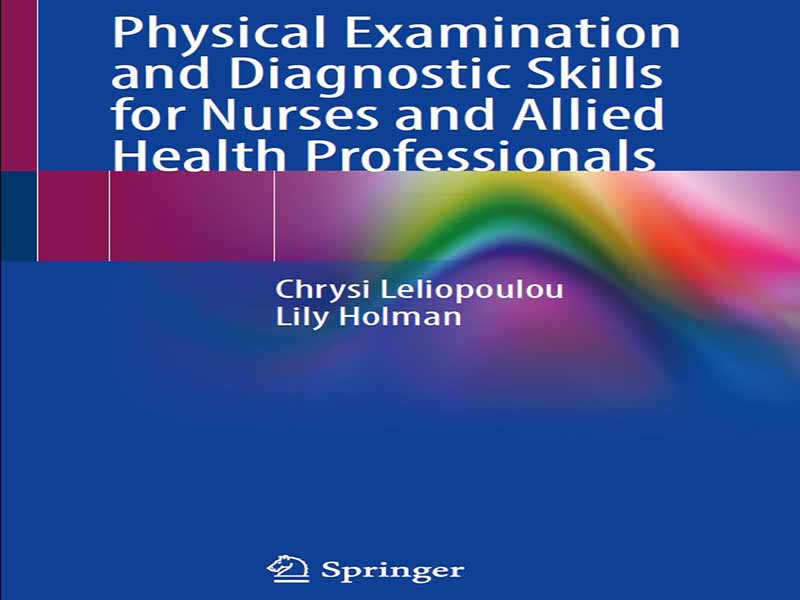
- عنوان کتاب: Physical Examination and Diagnostic Skills for Nurses and Allied Health Professionals
- نویسنده: Chrysi Leliopoulou,Lily Holman
- حوزه: معاینه فیزیکی
- سال انتشار: 2026
- تعداد صفحه: 361
- زبان اصلی: انگلیسی
- نوع فایل: pdf
- حجم فایل: 3.09 مگابایت
این کتاب به عنوان یک متن مقدماتی برای پرستاران ثبتشده و سایر متخصصان سلامت که دورههای ارزیابی بالینی پیشرفته را آغاز میکنند، نوشته شده است. در اوایل دوران کاریام به عنوان یک متخصص دانشگاهی، مدتها قبل از اینکه درگیر دورههای بالینی و معاینه فیزیکی شوم، مهارتهای بالینی، علوم پرستاری و شبیهسازی را تدریس میکردم. من بیش از 20 سال به پرستاران ثبتشده و سایر متخصصان سلامت در این ماژولها و دورهها آموزش دادم و همیشه مکالماتمان با دانشجویان در این جلسات را الهامبخش میدانستم. قبل از پیوستن به دانشگاه، به عنوان پرستار ارشد خون-انکولوژی بزرگسالان در UCL (کالج دانشگاهی لندن) و بیمارستان رویال فری و بعداً به عنوان دستیار تحقیق در دانشکده پزشکی رویال فری برای مرکز تحقیقات ماری کوری کار کردم. بخشی از نقش دستیار تحقیق، ارائه آموزش مهارتهای ارتباطی برای پرستاران ارشد سرطان بود که به من امکان داد تا مسائل مربوط به عملکرد بالینی و ارزیابی بالینی را بررسی کنم. این تجربه علاقه من را به ارزیابی بالینی، معاینه فیزیکی و تشخیص برانگیخت. بیش از 20 سال ماژولها، دورهها و دورههای آموزشی CPD (توسعه مداوم حرفهای) معاینه فیزیکی را در دانشگاه میدلسکس لندن تدریس کردم. در طول 30 سال فعالیت حرفهایام، به این درک رسیدهام که معاینه فیزیکی صرفاً انجام وظایف نیست، بلکه بیشتر به مشاهده الگوها، انتقال آنها به دیگران و دریافت سرنخها در مسیر درک توسعه و پیشرفت بیماری و همچنین آنچه بیمار واقعاً در مورد علائم و بیماری خود میگوید، مربوط میشود. ایده کتاب زمانی مطرح شد که من و همکار و نویسنده همکارم، دکتر لیلی هولمن، در حال بررسی یادداشتها و ارجاعات متقابل برای ایجاد فعالیتهای دانشجویی و کتابهای کار بیشتر بودیم. در آن زمان ما با هم در دانشگاه میدلسکس تدریس میکردیم و مطالب آموزشی را برای دورهها و روزهای مطالعه برنامهریزی میکردیم. سپس متوجه شدیم که یادداشتهای کافی بین ما برای نوشتن یک کتاب وجود دارد؛ در مورد آن شوخی میکردیم، اما ایده این کتاب نیز متولد شد. من همچنین در طول سالها متوجه شدم که چگونه عمل بالینی به طور مداوم در حال تغییر و تغییر شکل به سمت عمل بالینی پیشرفته و گسترش دامنه عمل حرفهای به یک مدل مراقبت و تصمیمگیری بالینی مؤثرتر و فردمحور است. طرح بلندمدت جدید NHS با عنوان «مناسب برای آینده» (۲۰۲۵) به وضوح فرصت بزرگی را برای بازنگری در عملکرد بالینی ما به نفع بیماران و خانوادههایشان فراهم میکند. این کتاب دارای چندین ویژگی خاص است که امیدوارم برای پرستاران ثبتشده، سایر متخصصان سلامت، دانشجویان و اساتید علاقهمند به توسعه مهارتها و دانش معاینه فیزیکی جذاب باشد. ما عمداً با فصلی که نقش مدلهای ارتباطی و مشاوره را معرفی میکند و فصلی در مورد مهارتهای عمومی معاینه شروع کردهایم تا کتاب را در متن قرار دهیم و انتخاب موضوعات بیشتر با درک ما از نقش سیستمهای بدن در معاینه فیزیکی و ارزیابی بالینی انجام شده است. فصلها بر این موضوع تمرکز دارند که چگونه متخصصان میتوانند مهارتها و دانش معاینه فیزیکی خود را برای کمک به فرآیند تصمیمگیری خود به کار گیرند و از یافتههای خود از معاینه فیزیکی برای کمک به تشخیص یا تمایز تشخیص و تصمیمگیری برای ارجاع یا شروع یک برنامه درمانی استفاده کنند. این کتاب، قطعات مختصر و متمرکزی از دانش را که طی سالها مشاهده و کار با دانشجویان در عمل بالینی جمعآوری کردهایم، ارائه میدهد و ما از سناریوها و فعالیتهای دانشجویی برای تسهیل انتقال دانش و درک آنها در یک موقعیت کلاسی استفاده کردیم. در طول سالها، ما همچنین با دانشجویان و همکاران در مورد نمونهها و مواردی که در کلاس ارائه شده بود، بحث و گفتگو داشتیم تا پیچیدگیهای قابل توجه را روشن یا مشخص کنیم. با توجه به این موضوع، هر فصل را با مجموعهای از مطالعات موردی و فعالیتهای دانشجویی به پایان رساندهایم تا متخصص بتواند دانش خود را تا کنون به کار گیرد و آزمایش کند. با افزایش دانش آنها، امیدواریم دانشجویان بتوانند یافتههای خود را از معاینه فیزیکی منتقل و به کار گیرند و تصمیمی مبتنی بر شواهد برای یک طرح درمانی بگیرند. با استفاده از یک رویکرد سیستماتیک، ما این امکان را برای دانشجویان فراهم کردهایم که در یک نقطه خاص برای تکمیل مطالب سخنرانی یا یافتن راهنمایی برای مطالعه و خواندن بیشتر، وارد شوند. اما دانشجو به زودی از یادداشتها و نکات یادگیری گسترده ارائه شده در این کتاب آگاه خواهد شد که مباحث به هم وابسته هستند. من همچنین امیدوارم که دانشجو از استفاده از دانش و تجربه خود در ارزیابی بیماران و از دانستن اینکه این کتاب میتواند به آنها در کشف تخصص خود کمک کند، رضایت شخصی کسب کند.
This book was written as an introductory text for registered nurses and other health professionals embarking on advanced clinical assessment courses. Early on in my career as an academic, I taught clinical skills, nursing sciences, and simulation long before I got involved in clinical and physical examination courses. I taught registered nurses and other health professionals on these modules and courses for over 20 years, and I always found our conversations with students in these sessions inspirational. Before I joined academia, I worked as a senior adult haemato-oncology nurse at UCL (University College London) and Royal Free Hospital, and later on as a research assistant at the Royal Free Medical School for the Marie Curie Research Centre. Part of the research assistant role was to deliver communication skills training for senior cancer nurses, which allowed me to explore pertinent issues around clinical practice and clinical assessment. This experience sparked my interest in clinical assessment, physical examination, and diagnosis. For over 20 years I taught physical examination modules, courses, and CPD (Continuous Professional Development) study days at Middlesex University, London. Over the course of my 30 years of career I have come to understand that physical examination is not simply about performing tasks but it is more about observing patterns, communicating them to others, and picking up cues on the way to understand disease development and progression, but also what the patient is really saying about their symptoms and their disease. The idea of a book came about when my colleague and co-author, Dr Lily Holman, and I were looking through notes and cross-references to create further student activities and workbooks. At the time we were teaching together at Middlesex University and planning teaching materials for courses and study days. We then realized we had enough notes between us to write a book; we joked about it, but also the idea of this book was born. I also noticed over the years how clinical practice steadfastly was shifting and reshaping towards advanced clinical practice and broadening the scope of professional practice to a more effective, person-centred clinical care and decision-making model. The new NHS long-term plan “Fit for the Future” (2025) clearly opens a huge opportunity to rethink our clinical practice for the benefit of patients and their families. This book has several special features which I hope will appeal to registered nurses, other health professionals, students, and lecturers interested in developing their physical examination skills and knowledge. We have deliberately started with a chapter introducing the role of communication and consultation models, and a chapter on general examination skills to put the book in context, and the choice of further topics was governed by our conception of the role of the body systems in physical examination and clinical assessment. Chapters focus on how professionals may apply their physical examination skills and knowledge to aid their decision-making process and use their findings from the physical examination to aid diagnose or differentiate a diagnosis and make a decision to refer or start on a treatment plan. The book presents concise and focused nuggets of knowledge we collected over many years of observing and working with students in clinical practice, and we used scenarios and student activities to facilitate transfer of their knowledge and understanding in a classroom situation. Over the years, we also had discussions and debates with students and colleagues on instances and cases presented in class for discussion to illuminate or pinpoint significant complexity. With this in mind, we have concluded each chapter with a series of case studies and student activities to enable the professional to apply and test their knowledge so far. With their increased knowledge, we hope students can transfer and apply their findings from the physical examination and produce an evidence-based decision for a treatment plan. By using a systematic approach, we have made it possible for students to dip in at a particular point to supplement lecture materials or to find guidance for further study and reading. But the student will soon become aware from the extensive notes and learning points offered in this book that the topics are interdependent. I also hope that the student will get personal satisfaction from drawing on their own knowledge and experience assessing patients and from knowing that this book can help them explore their own speciality. No book of this kind could possibly be written without the help and encouragement of others. Among these I particularly want to thank my mentor, Kate Ambrose, who introduced me to this area of clinical practice; Maggie Malik, a dear friend and colleague, for her positive outlook and encouragement; Harry Oliver, for her belief in me and her support in the classroom; and of course my dear colleague and co-author Dr Lily Holman for her motivation and clear vision. To students and colleagues, past and present, I owe a debt of gratitude for their participation in sharpening my thinking, and lastly to my husband Christopher Paraschidis and our three beautiful children, who have been patiently supporting and encouraging me throughout the writing of this book! I would also like to dedicate this to my beloved father, who passed away in 2022, for his tremendous courage and love and for being my motivation for this book.
این کتاب را میتوانید از لینک زیر بصورت رایگان دانلود کنید:
Download: Physical Examination and Diagnostic




















نظرات کاربران