













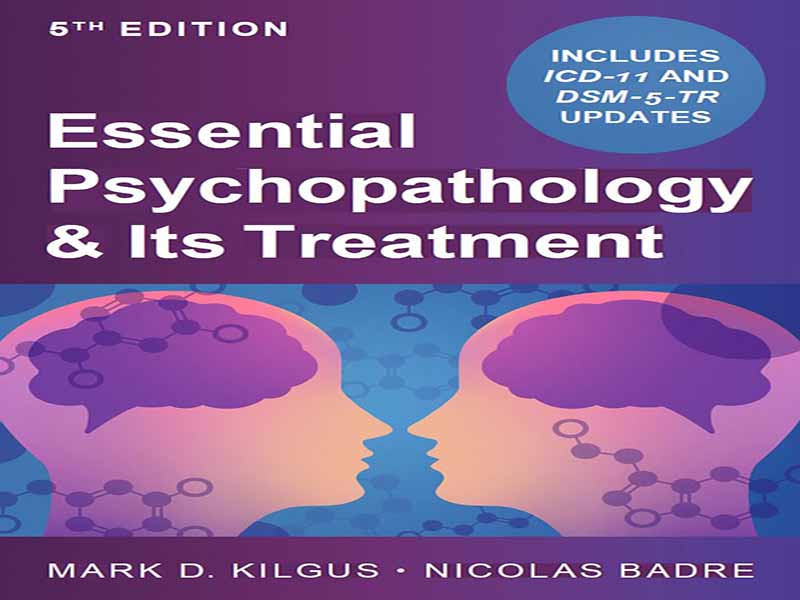
- عنوان کتاب: Essential Psychopathology Its Treatment
- نویسنده: Mark D. Kilgus, Nicolas Badre
- حوزه: روان درمانی
- سال انتشار: 2026
- تعداد صفحه: 1062
- زبان اصلی: انگلیسی
- نوع فایل: pdf
- حجم فایل: 8.34 مگابایت
روانپزشکی در تقاطع علم و شرایط انسانی قرار دارد و وظیفه آن درک و تسکین برخی از عمیقترین کشمکشهای زندگی است. با گذشت زمان، این رشته تکامل یافته و محرک آن اکتشافات علمی و نیازهای فوری جامعه بوده است. در اوایل دهه 1960، سازمان بهداشت جهانی (WHO) با اصلاح تشخیص و طبقهبندی اختلالات روانی، گامی اساسی برداشت. این تلاش، «شناسایی بیماریها» – سیستمی برای نامگذاری و طبقهبندی بیماریها – را با هدف ایجاد معیارهای تشخیصی قابل اعتماد و معتبر از طریق تحقیقات دقیق و همکاری جهانی معرفی کرد. طبقهبندی بینالمللی بیماریها (ICD) اکنون در یازدهمین ویرایش خود و راهنمای تشخیصی و آماری اختلالات روانی (DSM) انجمن روانپزشکی آمریکا، با DSM-5-TR به عنوان آخرین نسخه آن، قرار دارد. این چارچوبها به دنبال یکپارچهسازی تشخیص روانپزشکی در سراسر جهان هستند و تضمین میکنند که پزشکان در فرهنگهای مختلف هنگام شناسایی اختلالات به یک زبان صحبت میکنند. امروزه، عقل سلیم تشخیصی نیازمند اثبات است. شکافها در دانش ما همچنان ادامه دارد و باعث بازنگریهای مداوم در این شناسائیها میشود. پزشکان باید شواهد را تفسیر کنند و محدودیتهای آن را درک کنند. برخی ادعا میکنند که روانپزشکی علمی، بیماران را غیرانسانی میکند. ما مخالفیم. درمان افراد مبتلا به بیماری – به جای بیماریهایی که در افراد وجود دارند – نیازمند هنر، شهود، فلسفه، اخلاق و علم است. نقش منحصر به فرد علم، ارائه پیشبینیهای مبتنی بر شواهد است که به بیماران بهترین فرصت را برای درمان مؤثر میدهد. هر چیزی کمتر از این، دور از انسانگرایی خواهد بود. با این حال، با وجود تمام پیشرفتهایش، روانپزشکی در یک دوراهی قرار دارد و باید بین انتظارات اجتماعی بالا رفته و انتقادات تند و تیز تعادل برقرار کند. مواجهه با این چالشها به چیزی بیش از تشخیص نیاز دارد – رویکردی گستردهتر را میطلبد. هر پزشکی که بیمار را صرفاً از طریق معیارهای DSM یا ICD ارزیابی کند، این فرآیند را به اشتباه درک کرده است. مراقبت خوب با تشخیص دقیق آغاز میشود، اما به زمینه بیمار نیز گسترش مییابد: خانواده، تربیت، ژنتیک، سلامت جسمی، عوامل استرسزا و روانپویایی. روانپزشکی به طور فزایندهای به عنوان راه حلی برای بحرانهای اجتماعی – جرم، بیخانمانی، انزوا و خودکشی – دیده میشود. در سال ۲۰۲۲، فرماندار کالیفرنیا اصلاحات جسورانهای را برای مقابله با بیخانمانی پیشنهاد داد و بر مراقبت دلسوزانه از افراد مبتلا به اختلالات شدید سلامت روان و مصرف مواد تأکید کرد – فراخوانی که روانپزشکی را در اولویت و مرکز توجه قرار میدهد (دفتر فرماندار کالیفرنیا، ۲۰۲۲). با این حال، ما همچنین به دلیل آسیبشناسی بیش از حد و تجویز بیش از حد دارو سرزنش میشویم. در سال ۲۰۲۵، وزیر آینده بهداشت و خدمات انسانی با بیان این جمله که “ما نه تنها به فرزندان خود بیش از حد دارو میدهیم، بلکه به کل جمعیت خود بیش از حد دارو میدهیم” به نگرانیها در مورد “یک بیماری همهگیر در سراسر این کشور در مراقبتهای سلامت روان” پاسخ داد: “ما فقط به فرزندان خود بیش از حد دارو نمیدهیم، بلکه به کل جمعیت خود بیش از حد دارو میدهیم”؛ با اشاره به “SSRIها و بنزوها” و استناد به افرادی که قطع SSRIها را سختتر از ترک هروئین میدانستند (Rev، ۲۰۲۵). این تنش، چالش وسیعتری را برجسته میکند: روانپزشکی باید ضمن مواجهه با سؤالاتی در مورد روشها و تأثیر آن، به یک بحران رو به رشد نیز بپردازد. بحران سلامت روان آمریکا به وضوح در اعداد و ارقام آن منعکس شده است. از سال ۲۰۰۰ تا ۲۰۲۲، میزان خودکشی از ۱۰.۴ به ۱۴ مورد در هر ۱۰۰۰۰۰ نفر در سال افزایش یافت (CDC WISQARS، ۲۰۲۵) در حالی که مرگ و میر ناشی از مواد افیونی شش برابر شد و به ۲۵ مورد رسید و مرگ و میر ناشی از مواد محرک ده برابر شد و به ۱۸.۶۳ مورد در هر ۱۰۰۰۰۰ نفر رسید (Spencer et al.، ۲۰۲۴). ناتوانی ناشی از بیماری روانی بین سالهای ۲۰۰۰ تا ۲۰۲۳ تقریباً ۴۷ درصد افزایش یافت (اداره تأمین اجتماعی، ۲۰۰۰، ۲۰۲۳) و تا سال ۲۰۲۲، ۲۰ درصد از دانشآموزان دبیرستانی گزارش دادند که به طور جدی به خودکشی فکر میکنند – که این رقم در سال ۲۰۰۹، ۱۳.۸ درصد بود (CDC، ۲۰۱۸، ۲۰۲۴). در همین حال، مصرف داروهای ضد افسردگی در بین بزرگسالان از ۲.۴٪ (۱۹۸۸-۱۹۹۴) به ۱۳.۲٪ (۲۰۱۵-۲۰۱۸) افزایش یافته است (برودی و همکاران، ۲۰۲۰)، و ۲۳.۱٪ از آمریکاییها نوعی داروی روانگردان مصرف میکنند (مرکز ملی آمار سلامت، ۲۰۲۵). نیروی کار سلامت روان افزایش یافته است – ۴۷۸۶۴ روانپزشک و ۳۹۵۴۳ پرستار در سال ۲۰۲۴، که از ۴۱۷۴۰ و ۱۰۴۵۰ در سال ۲۰۱۷ افزایش یافته است (HRSA، ۲۰۱۷، ۲۰۲۴) – با این حال منتقدان، روانپزشکی را بیش از حد متکی به راهحلهای سریع و تشخیصهای متزلزل میدانند. بیایید روشن باشیم: نه روانپزشکی و نه نویسندگان این متن پوچگرا نیستند. این مقدمه برای ترساندن نیست – این یک فریاد اعتراض است. ما روانپزشکی را انتخاب نمیکنیم چون آسان است، بلکه به این دلیل که سخت است، و به این دلیل که کمک به کسی برای بازیابی ارادهاش برای زندگی، معنادارترین کار موجود است. هیچ چیز مهمتر از مراقبت از کسی نیست که وجود خود را زیر سوال میبرد، انگیزهاش را از دست داده یا از واقعیت جدا شده است. و پایه و اساس این مراقبت، صداقت است. هدف ما این است که در مورد تراژدی سلامت روان مدرن و محدودیتهای درمانهایمان، بیچون و چرا صادق باشیم. ما این کتاب را بدون دریافت حقالزحمه دارویی یا کمکهای مالی که دیدگاه ما را منحرف میکند، نوشتهایم – نه ۱۴.۲ میلیون دلار مانند نویسندگان DSM-5-TR (دیویس و همکاران، ۲۰۲۴)، نه افشای ۸۲۷ کلمهای مانند نویسندگان STAR*D (راش و همکاران، ۲۰۰۶). ما هیچ داروی مورد علاقه یا اختلال ترجیحی نداریم. ما روانپزشکان پرشوری هستیم که عاشق روانپزشکی و پتانسیل آن برای بازگرداندن میل فرد به زندگی، عشق یا ارتباط با جهان هستیم. این کتاب کاریکاتور روانپزشکی مدرن را رد میکند و در عوض، رویکردی متعهد، انسانگرایانه و … ارائه میدهد.
Psychiatry exists at the intersection of science and the human condition, tasked with understanding and alleviating some of life’s deepest struggles. Over time, it has evolved, driven by scientific discovery and the urgent needs of society. In the early 1960s, the World Health Organization (WHO) took a pivotal step by refining the diagnosis and classification of mental disorders. This effort introduced a “nosology”—a system for naming and categorizing diseases—aiming to establish reliable, valid diagnostic criteria through rigorous research and global collaboration. The International Classification of Diseases (ICD) is now in its 11th revision, and the American Psychiatric Association’s Diagnostic and Statistical Manual of Mental Disorders (DSM), with DSM-5-TR as its latest iteration. These frameworks seek to unify psychiatric diagnosis worldwide, ensuring clinicians across cultures speak the same language when identifying disorders. Today, diagnostic common sense demands proof. Gaps in our knowledge persist, driving continuous revisions to these nosologies. Clinicians must interpret the evidence and grasp its limits. Some claim that a scientific psychiatry dehumanizes patients. We disagree. Treating people with illnesses—rather than illnesses inhabiting people—requires artistry, intuition, philosophy, ethics, and science. Science’s unique role is to provide evidence-based predictions, giving patients the best opportunity for effective treatment. Anything less would be far from humanistic. Yet, for all its progress, psychiatry stands at a crossroads, balancing heightened societal expectations with pointed criticism. Meeting these challenges requires more than diagnosis—it demands a broader approach. Any clinician who assesses a patient solely through DSM or ICD criteria misunderstands the process. Good care begins with accurate diagnosis but extends to the patient’s context: family, upbringing, genetics, physical health, stressors, and psychodynamics. Psychiatry is increasingly seen as a solution to societal crises—crime, homelessness, isolation, and suicide. In 2022, California’s governor proposed bold reforms to tackle homelessness, emphasizing compassionate care for those with severe mental health and substance use disorders—a call that places psychiatry front and center (Office of the Governor of California, 2022). Yet we’re also blamed for overpathologizing and overprescribing. In 2025, the future secretary of Health and Human Services answered concerns about “an epidemic across this country in mental health care” by stating, “we are not just overmedicating our children, we are over medicating our entire population”; referring to “SSRIs and benzos” and citing people who found discontinuing SSRIs harder than quitting heroin (Rev, 2025). This tension underscores a broader challenge: Psychiatry must address a growing crisis while confronting questions about its methods and impact. America’s mental health crisis is starkly reflected in its numbers. From 2000 to 2022, suicide rates climbed from 10.4 to 14 per 100,000 annually (CDC WISQARS, 2025) while opioid deaths surged sixfold to 25 and stimulant-related deaths soared tenfold to 18.63 per 100,000 (Spencer et al., 2024). Disability due to mental illness rose nearly 47% between 2000 and 2023 (Social Security Administration, 2000, 2023), and by 2022, 20% of high school students reported seriously considering suicide—up from 13.8% in 2009 (CDC, 2018, 2024). Meanwhile, antidepressant use among adults jumped from 2.4% (1988–1994) to 13.2% (2015–2018) (Brody et al., 2020), with 23.1% of Americans taking some type of psychotropic medication (National Center for Health Statistics, 2025). The mental health workforce has grown—47,864 psychiatrists and 39,543 nurse practitioners in 2024, up from 41,740 and 10,450 in 2017 (HRSA, 2017, 2024)—yet critics paint psychiatry as overly reliant on quick fixes and shaky diagnostics. Let’s be clear: Neither psychiatry nor the authors of this text are nihilistic. This preface isn’t here to frighten—it’s a rallying cry. We don’t choose psychiatry because it’s easy, but because it’s hard, and because helping someone reclaim their will to live is the most meaningful work there is. Nothing matters more than caring for someone questioning their existence, lost to motivation, or detached from reality. And the foundation of that care is honesty. We aim to be unflinchingly honest about the modern mental health tragedy and the limits of our treatments. We’ve written this book without pharmaceutical honoraria or grants skewing our lens—no $14.2 million like DSM-5-TR authors (Davis et al., 2024), no 827-word disclosures like STAR*D’s authors (Rush et al., 2006). We have no favorite drug or preferred disorder. We’re ardent psychiatrists who love psychiatry and its potential to restore someone’s desire to live, love, or connect with the world. This book rejects the caricature of modern psychiatry, offering instead a dedicated, humanistic, and commonsense approach. Too often, modern psychiatry stumbles into a trap of its own making: reducing patients to checklists ticked off in haste, algorithms churned out without nuance, and treatment plans that lean lazily on psychotropic medications as a one-sizefits- all fix. This assembly-line approach risks stripping away the individuality of those we serve—turning unique stories of struggle into sterile data points, and complex lives into pill regimens. It forgets the patient’s voice, their history, their resilience. We reject this hollowed-out version of our field, pushing instead for a psychiatry that listens deeply, tailors care thoughtfully, and wields medications as tools—not crutches— within a broader, more human framework of healing. Nor does this caricature stop at checklists and pills—it flattens human suffering into neat boxes, sidelining the messy, unpredictable reality of mental illness. Standardized protocols too often trump clinical judgment, as if a flowchart could capture the weight of a patient’s grief or the roots of their despair. Psychosocial threads—relationships, trauma, culture—are brushed aside, sacrificed to expedite a diagnosis or justify a prescription. We refuse to let psychiatry shrink into this soulless shorthand. Our field thrives when it embraces the whole person, when it dares to wrestle with ambiguity, and when it prioritizes understanding over expediency, ensuring that care reflects the richness of each patient’s life, not just the limits of a manual. Essential Psychopathology & Its Treatment distills the latest evidence and expert insights into a concise, readable guide—one that honors psychiatry’s complexity while equipping clinicians to truly help their patients. It blends the new with time-tested concepts, avoiding oversimplification. “Essential” here reflects tough choices—some details, controversies, and major works are trimmed for clarity, not because they lack value. Our goal is to fascinate students, spark questions, and inspire care that’s as thoughtful as it is effective. This text aims to concisely provide students of all ages and experience levels with a brief, readable, and relatively jargon-free blend of the latest and most essential information in the rapidly evolving field of psychiatry. We hope this revision of Essential Psychopathology & Its Treatment offers a solid foundation for understanding psychopathology, allowing for easy assimilation and necessary accommodation. We have organized this fascinating study to facilitate understanding, and encourage questioning in further pursuit of helping your patients. We intend this teaching text to aid discovery—not merely serve as a compendium of information on psychopathology—assist the search for answers to life’s important questions, encourage faith, understand relationships, and express love to colleagues and patients while reinforcing hope, peace, and love.
این کتاب را میتوانید از لینک زیر بصورت رایگان دانلود کنید:
Download: Essential Psychopathology Its Treatment























نظرات کاربران