











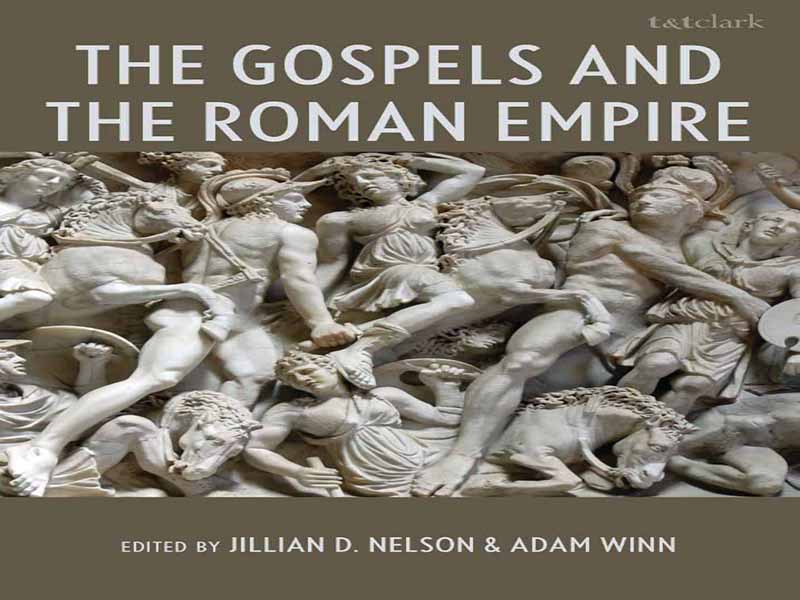
- عنوان کتاب: The Gospels and the Roman Empire
- نویسنده: Jillian D. Nelson, Adam Winn
- حوزه: امپراتوری روم
- سال انتشار: 2026
- تعداد صفحه: 257
- زبان اصلی: انگلیسی
- نوع فایل: pdf
- حجم فایل: 4.57 مگابایت
به نظر میرسد که علاقهی مجدد به امپراتوری روم به عنوان زمینهای اساسی برای عهد جدید، با انتشار تکنگاری «پولس و سیاست» (ویراستار ریچارد هورسلی) در سال ۲۰۰۰ ریشه گرفته است. در حالی که این رشتهی نوظهور در ابتدا به ادبیات پولس علاقهمند به نظر میرسید، وارن کارتر بحث را گسترش داد تا بررسی کند که چگونه انجیلها زمینهی امپراتوری خود را مورد بحث قرار دادهاند. این جلد به این گفتگوی بزرگتر کمک میکند. «انجیلها و امپراتوری روم» به تعداد فزایندهای از آثار اختصاص داده شده به بررسی نحوهی تعامل عهد جدید، در مورد ما چهار انجیل رسمی، با جهان امپراتوری روم کمک میکند. این جلد، برخلاف سایر جلدها که اغلب بر یک انجیل واحد تمرکز دارند یا با صدای یک محقق واحد نوشته شدهاند، با تجزیه و تحلیل هر چهار انجیل از دیدگاههای مختلف از طریق بینشهای منحصر به فرد محققان مختلف، رویکردی جامعتر اتخاذ میکند. هر فصل به هدف بزرگتری برای نشان دادن چگونگی عملکرد جهان امپراتوری روم به عنوان یک زمینهی انتقادی کمک میکند که دیدگاههای جدید و جالبی را در مورد روایتهای انجیل ارائه میدهد. در این جلد، محققانی از زمینههای مختلف گرد هم میآیند تا جنبههای خاصی از تلاقی و مذاکره با امپراتوری روم، از جمله ژانر و ترکیببندی، اقتصاد، آیینها، جنسیت، و حضور و خشونت روم را بررسی کنند. این محققان همچنین دیدگاهی میانرشتهای ارائه میدهند که مطالعات ادبی، نقد جنسیتی، نظریه تروما و سایر زمینههای مرتبط را در بر میگیرد. محققان، دانشجویان و افراد غیرمتخصص تحصیلکرده، این کتاب را کاوشی مفید در مورد انجیلها و امپراتوری روم خواهند یافت. آثار این جلد، تا حد زیادی، از کار واحد برنامه نشست سالانه SBL با عنوان «سنتهای عیسی، انجیلها و مذاکره با جهان امپراتوری روم» سرچشمه گرفتهاند. مشارکتکنندگان در این جلد، چه محققان ارشد، جوان یا مستقل، به دلیل تحقیقات عالی و مشارکتشان در واحد برنامه انتخاب شدهاند. وارن کارتر با ارائه یک نمای کلی از چگونگی مذاکره انجیلها و سایر متون عهد جدید در زمینه امپراتوری روم، این جلد را هدایت میکند. کارتر بررسی میکند که چگونه «روایت سلطه» و «روایت نیکوکاری» روم هر کدام از بالا به پایین برای اعمال قدرت عمل میکنند، در حالی که «روایت مذاکره» شامل روشهای مختلفی است که مردم عادی، از جمله نویسندگان عهد جدید، برای مذاکره در مورد حضور فراگیر روم از آنها استفاده میکردند. الیزابت جی. بی. کورسار و جاستین مارک اسمیت هر دو روشهایی را بررسی میکنند که محیط ادبی گستردهتر یونانی-رومی بر ژانر انجیلها تأثیر گذاشته و آنها را شکل داده است. کورسار از دستههای ژانرهای «میزبان» و «مهمان» برای بررسی دقیقتر مباحث مربوط به انجیلها استفاده میکند. اسمیت انجیلها را به عنوان زندگینامههای سیاسی و براندازانه بررسی میکند و اینکه چگونه آنها هم از ایدئولوژیهای امپراتوری تقلید میکنند و هم در برابر آنها مقاومت میکنند. آنا ام. وی. بودن و کریستوفر بی. زیچمن هر دو جنبههایی از اقتصاد روم را بررسی میکنند. بودن اقتصاد ساخت و ساز و تأثیر نابرابری سیستماتیک ثروت در امپراتوری روم را در چندین صحنه ساخت و ساز در لوقا بررسی میکند. زیچمن بررسی میکند که چگونه استفاده گسترده از پول در یهودیه، به ویژه جلیل، تحت تأثیر حضور نیروهای نظامی در طول جنگ یهودیان قرار گرفت و چگونه انجیل مرقس این واقعیت پیچیده را منعکس میکند. آر. آلن استریت و آرتور ام. رایت جونیور بررسی میکنند که چگونه آیینهای منعکس شده در انجیلها، ادعاهای امپراتوری روم را تقلید، مقاومت، تغییر شکل و به چالش میکشند. استریت بررسی میکند که چگونه آیینهای غسل تعمید، شام آخر/خداوند، پیروزی و آپوتئوسیس (عروج) هر یک از اعمال رومی و یهودی را تطبیق داده و دگرگون میکنند. رایت به طور خاص ورود پیروزمندانه در انجیل یوحنا را بررسی میکند تا از تفسیری سیاسیتر از این صحنه دفاع کند، که در آن عیسی به عنوان آورنده آزادی به تصویر کشیده میشود، اما به عنوان نماینده صلح خدا به جای خشونت نظامی روم. آنلیز گیزلا موزر رویکردی ویرایشی به خوانش متی اتخاذ میکند و مکانهایی را شناسایی میکند که متی بدنها و حرکات بدنی را به صحنههای مرقس اضافه کرده است. موزر با استفاده از این تحلیل از اثر سرمقاله متی، استدلال میکند که عیسیِ متی «جایگزین امپراتور به عنوان شایسته پرستش و تعظیم میشود». جوزف مکدونالد از نظریه تروما به عنوان دریچهای برای درک تأثیر تهاجم نظامی روم و تخریب اورشلیم و معبد بر پیروان یهودی و غیریهودی عیسی استفاده میکند. مکدونالد با گسترش درک تروما از یک رویداد واحد به یک «الگوی ترومای تکرارشونده و بیننسلی»، استدلال میکند که خشونت فراگیر امپراتوری از نشانگرهای هویت عبور میکند و در برابر تلاشها برای ذاتی جلوه دادن تجربه یهودیان، یهودیان و غیریهودیان، چه پیروان عیسی باشند و چه نباشند، مقاومت میکند. آدام وین روشهای مختلف و ظریفی را که انجیلهای همنوا اعضای خانواده هیرودی را ارائه میدهند و اینکه چگونه این ارائهها میتوانند به عنوان نقدهای تصویری از سایر رهبران امپراتوری معاصر با نگارش انجیلها عمل کنند، بررسی میکند.
Renewed interest in the Roman Empire as an essential context for the New Testament appears to have taken root with the 2000 monograph Paul and Politics (ed. Richard Horsley). While the bourgeoning discipline initially seemed interested in Pauline literature, Warren Carter expanded the discussion to explore how the Gospels negotiated their imperial context. Tis volume contributes to this larger conversation. The Gospels and the Roman Empire contributes to the growing number of works dedicated to exploring the way that the New Testament, in our case the four canonical Gospels, negotiates the Roman imperial world. Distinct from other volumes, which often focus on a single Gospel or are written in the voice of a single scholar, this volume adopts a more holistic approach by analyzing all four Gospels from various perspectives through the unique insights of different scholars. Each chapter contributes to a larger goal of demonstrating how the Roman imperial world functions as a critical context that yields new and interesting perspectives on the Gospel narratives. Within this volume, scholars from various contexts come together to examine specific aspects of intersection and negotiation with the Roman Empire, including genre and composition, economics, rituals, gender, and Roman presence and violence. Tese scholars also offer an interdisciplinary perspective, incorporating literary studies, gender criticism, trauma theory, and other relevant fields. Scholars, students, and educated non-specialists alike will find this a useful exploration of the Gospels and the Roman Empire. The works in this volume are born, in large part, from the work of the SBL annual meeting program unit “Jesus Traditions, Gospels, and Negotiating the Roman Imperial World.” Te contributors to this volume were selected for their excellent research and involvement in the program unit, whether they be senior, junior, or independent scholars. Warren Carter’s contribution leads the volume by providing a big-picture overview of how the Gospels and other New Testament texts negotiate their Roman imperial context. Carter examines how Rome’s “Domination Narrative” and “Benefcence Narrative” each work from the top down to assert power, while the “Negotiation Narrative” encompasses the various ways ordinary folks, including the New Testament authors, negotiated Rome’s pervasive presence. Elizabeth J. B. Corsar and Justin Marc Smith both examine the ways in which the broader Greco-Roman literary environment influenced and shaped the genre of the Gospels. Corsar utilizes the categories of “host” and “guest” genres to nuance discussions of the Gospels. Smith explores the Gospels as political and subversive biographies and how they both mimic and resist imperial ideologies. Anna M. V. Bowden and Christopher B. Zeichmann both examine aspects of the Roman economy. Bowden examines the building economy and the impact of systemic wealth disparity in the Roman Empire in several building scenes in Luke. Zeichmann examines how the widespread use of money in Judea, specifically Galilee, was influenced by the presence of military troops during the Jewish War and how Mark’s Gospel reflects that complicated reality. R. Alan Streett and Arthur M. Wright Jr. consider how rituals reflected in the Gospels mimic, resist, reframe, and contest Roman imperial claims. Streett examines how the rituals of baptism, the Last/Lord’s Supper, triumphus, and apotheōsis (ascension) each adapt and subvert both Roman and Jewish practices. Wright specifically examines the Triumphal Entry in John to argue for a more political interpretation of the scene, in which Jesus is portrayed as bringing liberation, but as an agent of God’s peace rather than Roman military violence. Annelies Gisela Moeser takes a redactional approach to reading Matthew, identifying places where Matthew has added bodies and bodily gestures to Markan scenes. Moeser uses this analysis of Matthew’s editorial work to argue that Matthew’s Jesus “replaces the emperor as worthy of worship and obeisance.” Joseph McDonald uses Trauma Teory as a lens for understanding the impact of the Roman military invasion and destruction of Jerusalem and the temple on both Jewish and gentile Jesus followers. By broadening the understanding of trauma from a singular event to an “iterative, intergenerational traumatic pattern,” McDonald argues that pervasive imperial violence cuts through markers of identity and resists attempts at essentializing the experience of Jews, Judeans, and gentiles, whether they be followers of Jesus or not. Adam Winn considers the various and nuanced ways the Synoptic Gospels present members of the Herodian family and how those presentations may function as figured critiques of other imperial leaders contemporary with the writing of the Gospels.
این کتاب را میتوانید از لینک زیر بصورت رایگان دانلود کنید:
Download: The Gospels and the Roman Empire

























نظرات کاربران