













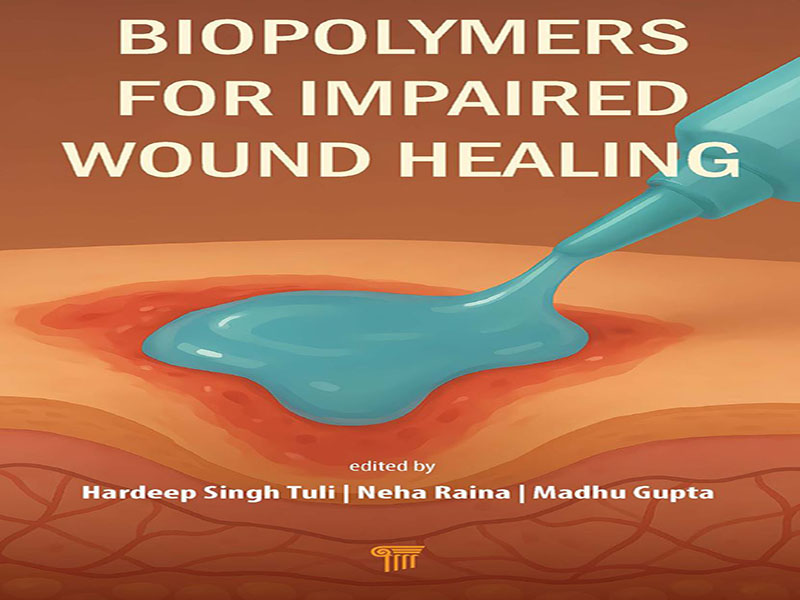
- عنوان کتاب: Biopolymers for Impaired Wound Healing
- نویسنده: Hardeep Singh Tuli | Neha Raina | Madhu Gupta
- حوزه: بیوپلیمر
- سال انتشار: 2026
- تعداد صفحه: 782
- زبان اصلی: انگلیسی
- نوع فایل: pdf
- حجم فایل: 23.0 مگابایت
بدن انسان توانایی قابل توجهی در ترمیم خود از طریق فرآیند پیچیده و بسیار هماهنگ بهبود زخم دارد. با این حال، در بسیاری از شرایط پاتولوژیک، مانند دیابت، التهاب مزمن و سوختگیهای شدید، این فرآیند طبیعی مختل میشود و منجر به زخمهای مداوم و اغلب تهدیدکننده زندگی میشود. پرداختن به چنین چالشهایی نیازمند استراتژیهای درمانی نوآورانهای است که بینش بیولوژیکی را با علم مواد پیشرفته ادغام کند. در طول دو دهه گذشته، بیوپلیمرها به عنوان یک راه حل تحولآفرین در مدیریت زخم ظهور کردهاند. زیست سازگاری، زیست تخریب پذیری و خواص قابل تنظیم آنها به آنها اجازه میدهد تا ماتریکس خارج سلولی را تقلید کنند، عوامل فعال زیستی را تحویل دهند و محیطهای درمانی بهینه ایجاد کنند. این کتاب، بیوپلیمرها برای بهبود زخمهای مختل شده، مشارکت محققان و پزشکان برجسته را گرد هم میآورد تا دیدگاهی جامع از چگونگی متحول کردن مراقبت از زخم توسط بیوپلیمرها ارائه دهد. بیوپلیمرها پلیمرهای طبیعی تولید شده توسط موجودات زنده هستند. آنها اساساً مولکولهای بزرگی هستند که از واحدهای کوچکتر تکرارشونده به نام مونومرها تشکیل شدهاند که توسط پیوندهای کووالانسی به هم متصل شدهاند. برخلاف پلیمرهای مصنوعی که از سوختهای فسیلی مشتق میشوند، بیوپلیمرها به طور طبیعی از منابع بیولوژیکی مانند گیاهان، حیوانات و میکروارگانیسمها مشتق میشوند. این کتاب نتیجهی ضرورت روزافزون برای پرداختن به یکی از پایدارترین چالشهای پزشکی مدرن است: درمان مؤثر زخمهای مزمن و التیامناپذیر. علیرغم پیشرفتهای قابل توجه در تکنیکهای جراحی، دارودرمانی و پزشکی ترمیمی، اختلال در بهبود زخم همچنان بار سنگینی را بر دوش بیماران و سیستمهای مراقبتهای بهداشتی در سراسر جهان – به ویژه در جمعیتهای مسن و افراد مبتلا به دیابت، اختلالات عروقی یا اختلال عملکرد سیستم ایمنی – میگذارد. این کتاب پتانسیل دگرگونکنندهی بیوپلیمرها – ماکرومولکولهای مشتقشده از طبیعت یا مهندسیشدهی زیستی – را به عنوان ابزارهای نوآورانه در مراقبت از زخم بررسی میکند. بیوپلیمرها مزایای منحصر به فردی ارائه میدهند: زیستسازگاری، زیستتخریبپذیری، خواص مکانیکی قابل تنظیم و توانایی رساندن مستقیم عوامل درمانی به محل زخم. از کیتوزان و آلژینات گرفته تا کلاژن و اسید هیالورونیک، این مواد در حال تعریف مجدد چگونگی رویکرد ما به ترمیم بافت، کنترل التهاب و بازسازی سلولی هستند. فصلهای این کتاب، دیدگاهی چندرشتهای ارائه میدهند و بینشهایی از علم زیستمواد، زیستشناسی مولکولی، پزشکی بالینی و مهندسی زیستی را در بر میگیرند. ما مکانیسمهایی را بررسی میکنیم که بیوپلیمرها از طریق آنها با ریزمحیط زخم تعامل دارند، نقش آنها در تعدیل پاسخهای ایمنی و کاربرد آنها در پانسمانهای پیشرفته زخم، داربستها و سیستمهای دارورسانی. این کتاب برای محققان، پزشکان، مهندسان زیستپزشکی و دانشجویانی در نظر گرفته شده است که به دنبال تعمیق درک خود از پاتوفیزیولوژی زخم و کشف راهحلهای پیشرفته ریشه در علم بیوپلیمر هستند. این کتاب نه تنها آگاهیبخش است، بلکه الهامبخش نوآوریهای بیشتر نیز میباشد و شکاف بین کشف آزمایشگاهی و کاربرد در بالین را پر میکند. فصلها از زیستشناسی بنیادی تا کاربرد بالینی را در بر میگیرد. فصل 1 بحثی عمیق در مورد مراحل بیولوژیکی بهبود و چگونگی هدایت آنها در طراحی درمانهای نسل بعدی است. فصل 2 بررسی میکند که چگونه خواص خاص بیوپلیمرها با مکانیسمهای بهبود زخم برای تسریع ترمیم همسو میشوند. فصل 3 بر استراتژیهایی برای غلبه بر محیط بهبود مختل شده زخمهای دیابتی تمرکز دارد، در حالی که فصل 4 پیشرفتها در کاهش جای زخم، جلوگیری از عفونت و بازسازی پوست در بیماران سوختگی را بررسی میکند. فصل ۵ به خواص ضدمیکروبی و ترمیمی کیتوزان برای زخمهای سرسخت میپردازد و فصل ۶ توانایی تشکیل ژل و رهایش کنترلشده آلژینات در پانسمانهای زخم را شرح میدهد. فصل ۷ به بررسی نقشهای آبرسانی و سیگنالدهی اسید هیالورونیک در ترمیم بافت میپردازد، در حالی که فصل ۸ نوآوریهای پانسمان مبتنی بر سلولز را برای زخمهای مزمن و غیر بهبودیابنده مورد بحث قرار میدهد. فصل ۹ نقش دکستران را در تقلید از ماتریکس خارج سلولی و کمک به ترمیم توضیح میدهد و فصل ۱۰ مزایای ساختاری کلاژن و ادغام آن در سیستمهای نوین دارورسانی را ارائه میدهد. فصل ۱۱ استراتژیهایی را برای ترکیب مواد ضدمیکروبی با بیوپلیمرها برای کنترل عفونت شرح میدهد و فصل ۱۲ زیستتخریبپذیری، حفظ رطوبت و پتانسیل بهبودی این پلیساکاریدها را برجسته میکند. فصل ۱۳ توضیحاتی در مورد کاربرد بالینی سلولز ارائه میدهد و فصل ۱۴ آزمایشهای بالینی در زخمهای سوختگی را برجسته میکند. این کتاب بینشهای مکانیکی را با کاربردهای عملی ترکیب میکند و شکاف بین تحقیقات آزمایشگاهی و عملکرد بالینی را پر میکند. این کتاب مرجع جامعی از آخرین تحولات در بهبود زخم مبتنی بر بیوپلیمر را در اختیار جامعه علمی و متخصصان مراقبتهای بهداشتی قرار میدهد.
The human body possesses a remarkable ability to repair itself through the intricate and highly coordinated process of wound healing. However, in many pathological conditions, such as diabetes, chronic inflammation, and severe burns, this natural process becomes disrupted, resulting in persistent and often life-threatening wounds. Addressing such challenges requires innovative therapeutic strategies that merge biological insight with advanced materials science. Over the last two decades, biopolymers have emerged as a transformative solution in wound management. Their biocompatibility, biodegradability, and tunable properties allow them to mimic the extracellular matrix, deliver bioactive agents, and create optimal healing environments. This book, Biopolymers for Impaired Wound Healing, brings together contributions from leading researchers and clinicians to present a holistic view of how biopolymers are revolutionizing wound care. Biopolymers are natural polymers produced by living organisms. They are essentially large molecules made up of repeating smaller units called monomers, linked together by covalent bonds. Unlike synthetic polymers, derived from fossil fuels, biopolymers are naturally derived from biological sources, such as plants, animals, and microorganisms. The book is a result of the growing urgency to address one of the most persistent challenges in modern medicine: the effective treatment of chronic and non-healing wounds. Despite remarkable advances in surgical techniques, pharmacotherapy, and regenerative medicine, impaired wound healing continues to burden patients and healthcare systems worldwide— particularly in aging populations and individuals with diabetes, vascular disorders, or immune dysfunction. This book explores the transformative potential of biopolymers—naturally derived or bioengineered macromolecules—as innovative tools in wound care. Biopolymers offer unique advantages: biocompatibility, biodegradability, tunable mechanical properties, and the ability to deliver therapeutic agents directly to the wound site. From chitosan and alginate to collagen and hyaluronic acid, these materials are redefining how we approach tissue repair, inflammation control, and cellular regeneration. The chapters provide a multidisciplinary perspective, integrating insights from biomaterials science, molecular biology, clinical medicine, and bioengineering. We examine the mechanisms by which biopolymers interact with the wound microenvironment, their role in modulating immune responses, and their application in advanced wound dressings, scaffolds, and drug delivery systems. The book is intended for researchers, clinicians, biomedical engineers, and students who seek to deepen their understanding of wound pathophysiology and explore cutting-edge solutions rooted in biopolymer science. The book will not only inform but also inspire further innovation, bridging the gap between laboratory discovery and bedside application. The chapters span from fundamental biology to clinical application. Chapter 1 is an in-depth discussion on the biological stages of healing and how they guide the design of next-generation therapies. Chapter 2 explores how specific properties of biopolymers align with wound healing mechanisms to accelerate repair. Chapter 3 focuses on strategies to overcome the impaired healing environment of diabetic wounds, while Chapter 4 reviews advancements in reducing scarring, preventing infection, and regenerating skin in burn patients. Chapter 5 highlights chitosan’s antimicrobial and regenerative properties for stubborn wounds, and Chapter 6 describes alginate’s gel-forming and controlled release abilities in wound dressings. Chapter 7 examines hyaluronic acid’s hydrating and signaling roles in tissue repair, while Chapter 8 discusses cellulose-based dressing innovations for chronic and non-healing wounds. Chapter 9 explains dextran’s role in mimicking the extracellular matrix and aiding repair and Chapter 10 presents collagen’s structural benefits and its integration into novel delivery systems. Chapter 11 describes strategies to combine antimicrobials with biopolymers for infection control, and Chapter 12 highlights these polysaccharides’ biodegradability, moisture retention, and healing potential. Chapter 13 gives descriptions of the clinical application of cellulose and Chapter 14 highlights clinical trials in burn wounds. The book combines mechanistic insights with practical applications, bridging the gap between laboratory research and clinical practice. It provides the scientific community and healthcare professionals with a comprehensive reference to the latest developments in biopolymer-based wound healing.
این کتاب را میتوانید از لینک زیر بصورت رایگان دانلود کنید:
Download: Biopolymers for Impaired Wound Healing

























نظرات کاربران