













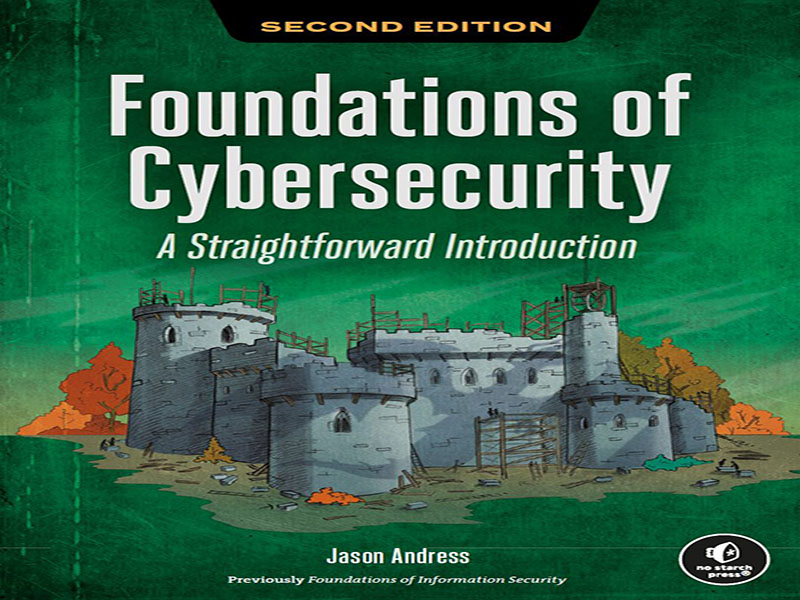
- عنوان کتاب: Foundations of Cybersecurity, Second Edition -A Straightforward Introduction
- نویسنده: Jason Andress
- حوزه: امنیت سایبری
- سال انتشار: 2026
- تعداد صفحه: 347
- زبان اصلی: انگلیسی
- نوع فایل: pdf
- حجم فایل: 6.70 مگابایت
این کتاب منبع ارزشمندی برای متخصصان امنیتی مبتدی و مدیران شبکه و سیستم خواهد بود. شما باید از اطلاعات ارائه شده برای درک بهتر چگونگی محافظت از داراییهای اطلاعاتی خود و دفاع در برابر حملات، و همچنین نحوه بهکارگیری سیستماتیک این مفاهیم برای ایمنتر کردن محیط خود استفاده کنید. افرادی که در سمتهای مدیریتی هستند نیز این اطلاعات را مفید خواهند یافت زیرا به شما در توسعه شیوههای امنیتی کلی بهتر برای سازمان خود کمک میکند. مفاهیم مورد بحث در این کتاب میتوانند برای هدایت پروژهها و سیاستهای امنیتی و کاهش برخی از مسائل مورد بحث استفاده شوند. حوزه امنیت همیشه در حال تکامل است و این کتاب نیز با آن تکامل یافته است. در این ویرایش، عنوان را از «مبانی امنیت اطلاعات» به «مبانی امنیت سایبری» تغییر دادهام. این تغییر نه تنها زبانی را که اکنون معمولاً در این حوزه استفاده میشود، بلکه معنای وسیعتر اصطلاح امنیت امروزی را نیز منعکس میکند. امنیت سایبری فراتر از محافظت از سرورها در یک قفسه مرکز داده است. این شامل منابع ابری، دستگاههای تلفن همراه، اینترنت اشیا، هوش مصنوعی (AI) و موارد دیگر میشود. برای این منظور، چندین فصل جدید برای گسترش دامنه کتاب اضافه کردهام. حوزه هوش مصنوعی از زمان چاپ اول این کتاب به طور انفجاری گسترش یافته است. تأثیر آن بر امنیت و فناوری به طور کلی بسیار زیاد و به سرعت در حال توسعه است. این نسخه شامل فصلی است که به هوش مصنوعی اختصاص داده شده است و بر این موضوع تمرکز دارد که چرا ایمنسازی هوش مصنوعی یک چالش فنی منحصر به فرد است و چگونه میتوان نقصهای امنیتی رایج مختص هوش مصنوعی را برطرف کرد. من همچنین پوشش جدیدی از عملیات امنیتی و حاکمیت، ریسک و انطباق را گنجاندهام. همچنین در مورد جنبه عنصر انسانی امنیت، از جمله مهندسی اجتماعی، آگاهی امنیتی و توصیههای شغلی برای متخصصان امنیتی جدید و در حال توسعه، مطالبی را خواهید آموخت. در نهایت، برای کمک به شما در به کارگیری آموختههایتان، هر فصل شامل یک پروژه آزمایشگاهی هدایتشده است. در این پروژهها، از محتوای هر فصل برای انجام وظایف یک متخصص امنیتی واقعی، مانند آزمایش قدرت رمزهای عبور (فصل 1)، بررسی گزارشهای حسابرسی (فصل 5)، اسکن سیستمهای عامل (فصل 9)، محاسبه شدت آسیبپذیریها (فصل 13) یا ترکیب عواملی که منجر به حمله در دنیای واقعی شدهاند (فصل 17) استفاده خواهید کرد.
This book will be a valuable resource for beginning security professionals and for network and system administrators. You should use the information provided to develop a better understanding of how to protect your information assets and defend against attacks, as well as how to apply these concepts systematically to make your environment more secure. Those in management positions will also find this information useful because it should help you develop better overall security practices for your organization. The concepts discussed in this book can be used to drive security projects and policies and mitigate some of the issues discussed. The security field is always evolving, and this book has evolved with it. In this edition, I’ve changed the title from Foundations of Information Security to Foundations of Cybersecurity. This shift reflects not only the language now commonly used in the field but also the broader meaning of the term security today. Cybersecurity goes beyond protecting servers in a data center rack; it encompasses cloud resources, mobile devices, the Internet of Things, artificial intelligence (AI), and much more. To this end, I’ve added several new chapters to expand the book’s scope. The field of AI has exploded since the first edition of this book. Its impact on security and technology in general is enormous and rapidly developing. This edition includes a chapter dedicated to AI, focusing on why securing AI is a unique technical challenge and how to address common AIspecific security flaws. I’ve also included new coverage of security operations and of governance, risk, and compliance. You’ll also learn about the human-element side of security, including social engineering, security awareness, and career advice for new and developing security professionals. Lastly, to help you apply what you’ve learned, each chapter features a guided lab project. In these projects, you’ll draw on the content of each chapter to perform the tasks of a real security professional, such as testing the strength of passwords (Chapter 1), reviewing audit logs (Chapter 5), scanning operating systems (Chapter 9), calculating the severity of vulnerabilities (Chapter 13), or synthesizing the factors that led to a real-world attack (Chapter 17).
این کتاب را میتوانید از لینک زیر بصورت رایگان دانلود کنید:
Download: Foundations of Cybersecurity
























نظرات کاربران