











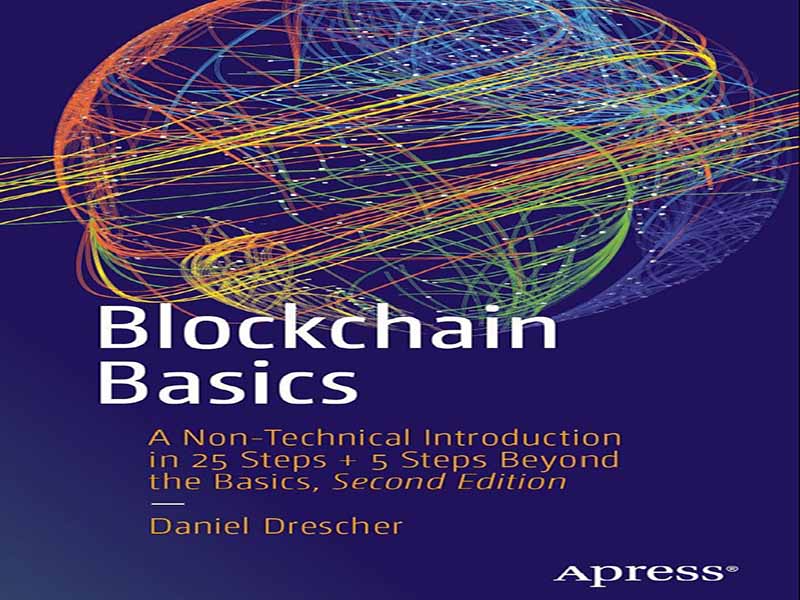
- عنوان کتاب: Blockchain Basics -A Non-Technical Introduction in 25 Steps + 5 Steps Beyond the Basics
- نویسنده: Daniel Drescher
- حوزه: بلاکچین
- سال انتشار: 2026
- تعداد صفحه: 388
- زبان اصلی: انگلیسی
- نوع فایل: pdf
- حجم فایل: 8.00 مگابایت
مورد نپستر به ما میآموزد که سیستمهای همتا به همتا پتانسیل تغییر شکل کل صنایع را از طریق یک ایده ساده دارند: جایگزینی واسطه با تعاملات همتا به همتا. در صنعت موسیقی، استودیوهای سنتی و کانالهای بازاریابی و توزیع آنها که به عنوان واسطه بین هنرمندان و مصرفکنندگان عمل میکردند، با سیستمهای اشتراک فایل همتا به همتا جایگزین شدهاند. ویژگیهای اصلی که صنعت موسیقی را در برابر جایگزینی با سیستمهای همتا به همتا بسیار آسیبپذیر کرده است، ماهیت غیرمادی موسیقی و هزینه پایین کپی و انتقال دادهها است. قدرت سیستمهای همتا به همتا محدود به صنعت موسیقی نیست. هر صنعتی که عمدتاً به عنوان واسطه بین تولیدکنندگان و مشتریان کالاها و خدمات غیرمادی یا دیجیتال عمل میکند، در برابر جایگزینی با سیستمهای همتا به همتا آسیبپذیر است. این جمله ممکن است کمی انتزاعی به نظر برسد، اما ممکن است پس از شناسایی بزرگترین آنها: صنعت مالی، واسطههای زیادی را برای کالاها و خدمات غیرمادی و دیجیتال در اطراف خود کشف کنید. پول موجود در حساب بانکی یا کارت اعتباری یا بدهی شما چقدر است؟ آیا واقعاً پول است؟ پولی که شما دارید مدتها پیش به بیتها و بایتهای غیرمادی تبدیل شده است. تنها مقدار کمی پول به صورت اسکناس و سکه فیزیکی وجود دارد. اکثریت قریب به اتفاق پول و داراییهای جهان به صورت بیتها و بایتهای غیرمادی در سیستمهای فناوری اطلاعات متمرکز صنعت مالی وجود دارند. بانکها و بسیاری دیگر از بازیگران صنعت مالی فقط واسطههایی بین تولیدکنندگان و مصرفکنندگان بیتها و بایتهای غیرمادی هستند که پول و ثروت ما را تشکیل میدهند. عمل قرض گرفتن، وام دادن و انتقال پول از یک حساب به حساب دیگر، فقط انتقال یک کالای غیرمادی است که توسط واسطهها، که واسطه نیز نامیده میشوند، اداره میشود. شگفتانگیز است که چه تعداد واسطه در معاملات به ظاهر ساده (مثلاً انتقال پول از یک حساب بانکی به حساب دیگر در یک کشور دیگر) دخیل هستند، با حداکثر پنج واسطه که هر کدام زمان پردازش و کارمزد خود را دارند. در نتیجه، چیزی به سادگی انتقال پول از یک حساب بانکی به حساب بانکی دیگر در کشوری دیگر میتواند زمان زیادی برای پردازش ببرد و هزینههای تراکنش بالایی را متحمل شود.3 در یک سیستم همتا به همتا، همین انتقال بسیار سادهتر خواهد بود و زمان و هزینه کمتری خواهد داشت، زیرا میتوان آن را به همان شکلی که هست – انتقال بیتها و بایتها بین دو همتا یا گره – پردازش کرد. مزیت سیستمهای همتا به همتا نسبت به سیستمهای متمرکز، تعاملات مستقیم بین شرکای قراردادی به جای تعاملات غیرمستقیم از طریق یک واسطه است که منجر به زمان پردازش کمتر و هزینههای پایینتر میشود. مزایای سیستمهای همتا به همتا محدود به انتقال پول نیست. هر صنعتی که عمدتاً به عنوان واسطه بین تولیدکنندگان و مشتریان کالاها و خدمات غیرمادی یا دیجیتال عمل میکند، در معرض جایگزینی با سیستمهای همتا به همتا است. با ادامه دیجیتالی شدن، اقلام بیشتر و بیشتری از زندگی روزمره، و همچنین تعداد فزایندهای از کالاها و خدمات غیرمادی، از کارایی سیستمهای همتا به همتا بهرهمند خواهند شد. طرفداران سیستمهای نظیر به نظیر معتقدند که تقریباً تمام جنبههای زندگی ما تحت تأثیر ظهور دیجیتالی شدن و شبکههای نظیر به نظیر قرار خواهد گرفت، مانند پرداختها، پسانداز پول، وامها، بیمهها و همچنین صدور و اعتبارسنجی شناسنامه، گواهینامه رانندگی، گذرنامه، کارت شناسایی، گواهینامههای تحصیلی، ثبت اختراعات و قراردادهای کار. اکثر آنها در حال حاضر به صورت دیجیتال در سیستمهای متمرکزی که توسط مؤسساتی اداره میشوند که چیزی جز واسطه بین تأمینکنندگان طبیعی و مشتریان نیستند، وجود دارند.
The Napster case teaches us that peer-to-peer systems have the potential to reshape entire industries through a simple idea: replacing the middleman with peer-to-peer interactions. In the music industry, traditional studios and their marketing and distribution channels, which acted as middlemen between artists and consumers, have been replaced by peer-to-peer file-sharing systems. The major characteristics that made the music industry so vulnerable to replacement by peer-to-peer systems are the immaterial nature of music and the low cost of copying and transferring data. The power of peer-to-peer systems is not restricted to the music industry. Every industry that mainly acts as a middleman between producers and customers of immaterial or digital goods and services is vulnerable to being replaced by peer-to-peer systems. This statement may sound a bit abstract, but you may discover many middlemen for immaterial and digital goods and services around you once you have recognized the largest of them: the financial industry. What is the money in your bank account or on your credit or debit card? Is it really money? The money you own was turned into immaterial bits and bytes long ago. Only a small amount of money exists as physical banknotes and coins. The vast majority of the world’s money and assets exist as immaterial bits and bytes in the centralized IT systems of the financial industry. Banks and many other players of the financial industry are just middlemen between producers and consumers of immaterial bits and bytes that make up our money and our wealth. The act of borrowing, lending, and transferring money from one account to another is just the transfer of an immaterial good operated by middlemen, also called intermediaries. It is amazing how many middlemen are involved in seemingly simple transactions (e.g., transferring money from one bank account to another in a different country), with up to five middlemen, each with their own processing time and fees. As a result, something as simple as transferring money from one bank account to another in a different country can take a long time to process and incur high transaction costs.3 In a peer-to-peer system, the same transfer would be much simpler and would take less time and cost, since it could be processed as what it is—a transfer of bits and bytes between two peers or nodes. The advantage of peer-to-peer systems over centralized systems is direct interactions between contractual partners rather than indirect interactions through a middleman, resulting in less processing time and lower costs. The advantages of peer-to-peer systems are not restricted to money transfer. Every industry that mainly acts as a middleman between producers and customers of immaterial or digital goods and services is vulnerable to being replaced by peer-to-peer systems. As digitalization continues, more and more items of everyday life, as well as an increasing number of immaterial goods and services, will benefit from the efficiencies of peer-to-peer systems. Advocates of peer-to-peer systems argue that almost all aspects of our lives will be affected by the emergence of digitalization and peer-to-peer networks, such as payments, money saving, loans, insurances, as well as issuance and validation of birth certificates, driving licenses, passports, identity cards, educational certificates, patents, and labor contracts. Most of them already exist in digital form in centralized systems run by institutions that are nothing but middlemen between natural suppliers and customers.
این کتاب را میتوانید از لینک زیر بصورت رایگان دانلود کنید:
Download: Blockchain Basics























نظرات کاربران