













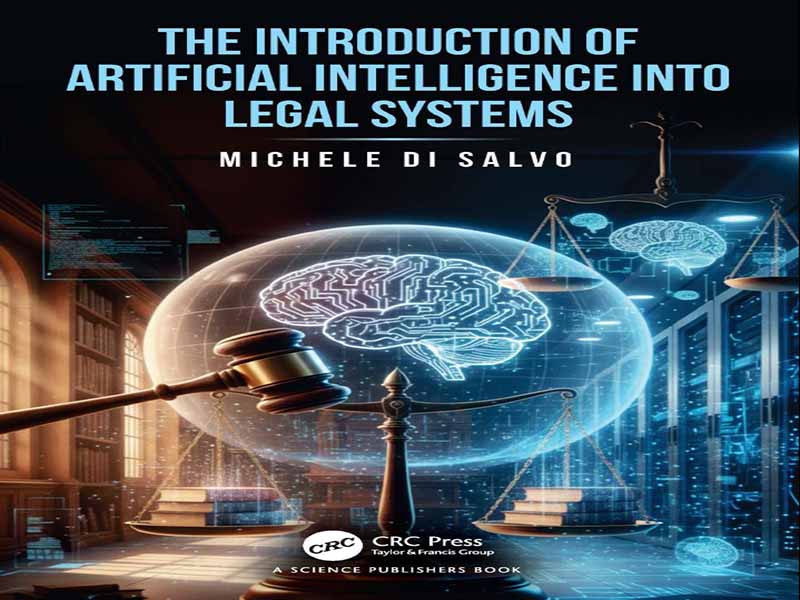
- عنوان کتاب: The Introduction of Artificial Intelligence Into Legal Systems
- نویسنده: Michele Di Salvo
- حوزه: کاربرد هوش مصنوعی در حقوق
- سال انتشار: 2026
- تعداد صفحه: 265
- زبان اصلی: انگلیسی
- نوع فایل: pdf
- حجم فایل: 8.10 مگابایت
برای درک رابطه عجیب بین هوش مصنوعی، به شکلی که امروزه آن را مییابیم و باید با آن زندگی کنیم، و حقوق انسان فیزیکی دارای هوش انسانی و خالق «ماشین»، شاید لازم باشد یک قدم به عقب برداریم. هوش مصنوعی حدود یک قرن پیش، در سطح گمانهزنی، به عنوان یک فرضیه محض متولد شد. این فرضیه (اولین مقالات و تأملات اغلب با «بیایید ماشینی را تصور کنیم که…» شروع میشود) زمانی شکل ملموستری به خود گرفت که اولین ماشینحسابهای الکترونیکی (ماشینهایی که برای اهداف و فعالیتهای خاص طراحی و ساخته شدهاند) به «ماشینهای جهانی» تبدیل شدند. یعنی ماشینهایی که با آنها، از طریق چند دستور کلی منطقی-نحوی، امکان تغییر وظیفه وجود داشت و آنها را قادر به «انجام هر عملیاتی» میکرد. این انقلاب تورینگ است که توسط فون نویمان تقویت شده و تا IBM در دهه شصت میرسد. کلید این ماشینها در آن عبارت تقریباً نادیده گرفته شده است که من گفتم «ماشینهایی که با آنها… میشد…» ما هنوز در قلمرو ماشین-ابزارها هستیم: محصولاتی که میتوانند برای ساختن چیزها استفاده شوند. تاکنون بُعد انسانی امن بود. اساساً یک ابزار-وسایل اضافی مانند هزاران ابزاری بود که انسان خردمند برای آسانتر کردن کار و زندگی اختراع کرد. چیزی در دهه شصت تغییر کرد. «ماشین جهانی» برای هدف خاصی استفاده شد. این آغاز انقلاب شناختی است و ایده این است که از «ماشین»، شبکهها، برای شبیهسازی مغز انسان استفاده شود. اگر نتوانیم آنچه را که مستقیماً در جمجمه انسان اتفاق میافتد بررسی کنیم، اما میدانیم که درون آن نورونهایی به یکدیگر متصل هستند، هیچ چیز مانع از ایجاد «ماشینی که گویی» میشود که نظریه محاسباتی مغز انسان را شبیهسازی و آزمایش میکند. در انگیزه و فشار یک دیدگاه جدید و قانعکننده، بدون تأمل زیاد در مورد موضوع، به یک تعریف مجدد تاریخی میرسیم. «ماشینی که باید با آن تمام شود» به «ماشینی تبدیل میشود که گویی واقعاً انجام میدهد». هشتم معرفی هوش مصنوعی به سیستمهای حقوقی در «بازی تقلید»، ماشین تورینگ برای رمزگشایی آن باید «از ماشین دیگری تقلید میکرد» (انیگما). «بازی تقلید» جدید مستلزم آن است که شبکههای ماشین «انگار» نورونها را تقلید کنند. ماشینی که باید تقلید و رمزگشایی شود، چیزی جز مغز انسان نیست. به نظر من، در این گذار، که همزمان تغییر تعریف، کاربرد، هدف و الگو است، به پیامدهای واقعی و مسیرهایی که قرار بود گشوده شوند، توجه کمی شده است. این سوگیری اغلب تاریخ، به ویژه تاریخ اخیر را مشخص کرده است، که در آن اکتشافات هیجانانگیز «مسیر کوتاه» را انتخاب کردهاند تا فوراً یک کاربرد عملی پیدا کنند. خوب است که مسئله شباهت و تفاوت بین مغز انسان و یک ماشین را از دیدگاه علوم اعصاب روشن کنیم. بسته بودن عملیاتی سیستم عصبی به ما میگوید که بدون افتادن در هیچ یک از دو افراط، نه بازنمایی و نه خودانگارانه، عمل میکند. در واقع، خودانگارانه نیست زیرا به عنوان بخشی از ارگانیسم، سیستم عصبی در تعاملات ارگانیسم با محیط خود شرکت میکند، تعاملاتی که باعث تغییرات ساختاری مداوم در آن میشوند و پویایی حالات آن را تعدیل میکنند. در واقع، این دلیل اساسی است که چرا به نظر ما، به عنوان ناظر، رفتار حیوانات به طور کلی با شرایطی که در آن رخ میدهد، سازگار است و به همین دلیل، حیوانات طوری رفتار نمیکنند که گویی مستقل از محیط، از هوی و هوس خود پیروی میکنند. این موضوع صادق است، با وجود این واقعیت که برای سیستم عصبی نه بیرونی وجود دارد و نه درونی، بلکه فقط حفظ همبستگیهای خاص خود که در حال تغییر مداوم هستند، همانطور که در مورد ابزارهای نشانگر در زیردریایی در مثال قبلی ما اتفاق افتاد. این موضوع حتی کمتر بازنمایی میشود زیرا در هر تعامل، وضعیت ساختاری سیستم عصبی است که تعیین میکند کدام اختلالات ممکن است و این اختلالات چه تغییراتی میتوانند در پویایی حالت آن ایجاد کنند. بنابراین، تعریف سیستم عصبی به عنوان چیزی که ورودیها و خروجیها را به معنای سنتی دارد، اشتباه خواهد بود. این بدان معناست که چنین ورودیها و خروجیهایی بخشی از تعریف سیستم را تشکیل میدهند، همانطور که در مورد یک کامپیوتر الکترونیکی یا سایر ماشینهای اختراع شده توسط انسان صادق است. این امر هنگام طراحی یک ماشین کاملاً منطقی است، جایی که نکته اصلی این است که چگونه میخواهید با آن تعامل کنید. اما سیستم عصبی (یا ارگانیسم) توسط هیچکس طراحی نشده و نتیجهی یک رانش فیلوژنتیکی واحدها با محوریت دینامیک حالت خودشان است. بنابراین، بهترین کار این است که سیستم عصبی را به عنوان واحدی تعریف کنیم که توسط روابط داخلیاش تعریف میشود، که تعاملات آن فقط با تعدیل دینامیک ساختاری، مانند واحدی با بسته شدن عملیاتی، عمل میکنند. به عبارت دیگر، سیستم عصبی، آنطور که اغلب گفته میشود، از محیط «اطلاعات نمیگیرد»، بلکه برعکس، وضعیت را کنترل میکند و تعیین میکند که کدام پیکربندیهای محیط
In order to understand the strange relationship between artificial intelligence, in the form we find it today and with which we have to live, and the rights of the physical person with human intelligence and creator of the ‘machine’, it is perhaps necessary to take a step back. Artificial intelligence was born about a century ago, at a speculative level, as a pure hypothesis. This hypothesis (the first articles and reflections often begin with ‘let’s imagine a machine that…’) took on a more concrete form when the first electronic calculators (machines designed and created for specific purposes and activities) became ‘universal machines’. That is, machines with which, through a few general logical-syntactic commands, it was possible to vary the task, making them capable of ‘doing any operation’. It is Turing’s revolution, enhanced by von Neuman, that reaches as far as IBM in the sixties. The key to these machines is in that almost unnoticed passage where I said ‘machines with which… it was possible to…’ We are still in the realm of machine-tools: products that can be used to make things. Until now the human dimension was safe. It was essentially a further tool-utensil like the thousands that Homo sapiens invented to make work and life easier. Something changed in the sixties. The ‘universal machine’ was used for a specific purpose. It’s the beginning of the cognitive revolution and the idea is to use ‘the machine’, the networks, to simulate the human brain. If we can’t investigate what happens directly in the human skull, but we know that inside it there are neurons connected to each other, nothing prevents us from creating a ‘machine as if’ that simulates and tests the computational theory of the human brain. In the impetus and thrust of a new and compelling perspective, without too much reflection on the matter, we move on to an epochal redefinition. The ‘machine to be done with’ becomes ‘the machine that does as if it were’. viii The Introduction of Artificial Intelligence into Legal Systems In ‘the imitation game’ Turing’s machine had to ‘imitate another machine’ (enigma) to decrypt it. The new ‘imitation game’ requires the machine’s networks to ‘imitate as if’ they were neurons. The machine to be imitated and decrypted is none other than the human brain. In this transition, which is at the same time a change of definition, use, purpose and paradigm, little thought has been given, in my opinion, to the real implications and the paths that were about to open up. This bias has often characterised history, especially recent history, in which sensational discoveries have chosen the ‘short route’ in order to find a practical application immediately. It is good to clarify the question of the similarity and difference between the human brain and a machine from a neuroscientific point of view. The operational closure of the nervous system tells us that it operates without falling into either of the two extremes, neither representational nor solipsistic. In fact, it is not solipsistic because, as part of the organism, the nervous system participates in the interactions of the organism with its environment, interactions that cause continuous structural changes in it that modulate its dynamic of states. In reality this is the fundamental reason why it seems to us, as observers, that animal behaviour in general is adapted to the circumstances in which it takes place, and for the same reason animals do not behave as if they were following their own whims independently of the environment. This is the case, despite the fact that for the nervous system there is neither an outside nor an inside, but only the maintenance of its own correlations that are in continuous change, as happened with the indicator instruments in the submarine in our previous example. It is even less representational because, in every interaction, it is the structural state of the nervous system that determines which perturbations are possible and what changes these can cause in its state dynamics. It would therefore be a mistake to define the nervous system as something that has inputs and outputs in the traditional sense. This means that such inputs and outputs form part of the definition of the system, as is the case with an electronic computer or other machines invented by man. This is perfectly reasonable when designing a machine, where the main thing is how you want to interact with it; but the nervous system (or the organism) wasn’t designed by anyone and is the result of a phylogenetic drift of units centred on their own state dynamics. The best thing, therefore, is to recognise the nervous system as a unit defined by its internal relations, on which interactions act only by modulating the structural dynamics, as in a unit with operative closure. In other words, the nervous system doesn’t ‘take information’ from the environment, as is often said, but on the contrary governs the situation, determining which configurations of the environment are perturbations and which changes they cause in the organism. The much-used metaphor of the brain as a computer is not only ambiguous but completely wrong (on this see Varela F., Maturana, H. (1984) El árbol del conocimiento. Las bases biológicas del entendimiento humano).
این کتاب را میتوانید از لینک زیر بصورت رایگان دانلود کنید:
Download: The Introduction of Artificial Intelligence Into Legal Systems





















نظرات کاربران