










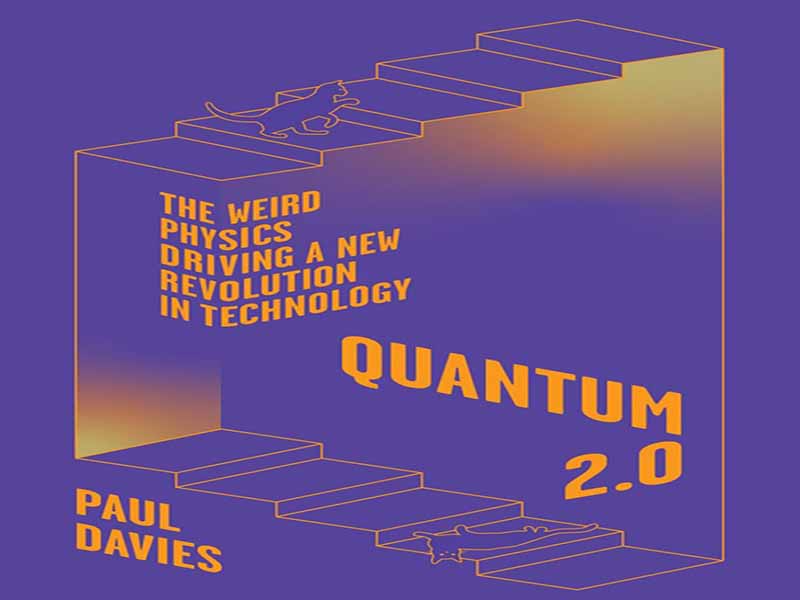
- عنوان کتاب: Quantum 2.0 The Weird Physics Driving a New Revolution in Technology
- نویسنده: Paul C.W. Davies
- حوزه: مفاهیم کوانتومی
- سال انتشار: 2026
- تعداد صفحه: 232
- زبان اصلی: انگلیسی
- نوع فایل: pdf
- حجم فایل: 4.74 مگابایت
صد سال پیش، دنیای علم با نظریهای چنان عمیق و قدرتمند دگرگون شد که وارد واژگان رایج شد: کوانتوم. فیزیک کوانتومی ظرف چند سال پس از تدوین، ماهیت ماده و نیروها را در سراسر جهان، از ذرات زیراتمی گرفته تا ستارگان، توضیح داد و اسراری را که دانشمندان را برای دههها گیج کرده بود، حل کرد. این نظریه به عنوان موفقترین نظریه علمی در تاریخ ثابت شده است و زیربنای شیمی، فیزیک ذرات، علوم مواد، زیستشناسی مولکولی و بخش عمدهای از نجوم است. این نظریه در هر صنعت بزرگی، از معدن گرفته تا مراقبتهای بهداشتی، نفوذ کرده و چندین صنعت جدید را به وجود آورده است. کاربردهای فناوری آن بخش زیادی از دنیای مدرن را شکل داده و الکترونیک، رایانه، هوش مصنوعی، اینترنت، ارتباطات جهانی، ناوبری دقیق، فناوری نانو، LEDها، صفحات تلویزیون با کیفیت بالا و تلفنهای هوشمند را به ما بخشیده است. لیزرها، ترانزیستورها، ابررساناها و ریزتراشهها همگی محصولات عصر کوانتوم هستند. اغراق نیست اگر بگوییم انقلاب کوانتومی که به طور جدی در سال ۱۹۲۵ آغاز شد، مخربترین تحول فناوری در تاریخ بود. اما آنچه نظریه کوانتومی را بیش از یک قرن پس از آغاز آن از چنین اهمیت فوری برخوردار میکند، این است که اکنون دومین انقلاب بزرگ کوانتومی در حال وقوع است، انقلابی که نویدبخش رقابت با انقلاب اول در پیامدهای علمی، صنعتی و اجتماعی گسترده آن است. این انقلاب که کوانتوم ۲.۰ نام دارد، به طور رسمیتر به عنوان علم اطلاعات کوانتومی شناخته میشود. این انقلاب از توانایی دانشمندان و مهندسان در کنترل اتمها، الکترونها و فوتونهای منفرد و پردازش، ذخیره و انتقال اطلاعات به روشهای بدیع و قبلاً غیرقابل تصور ناشی میشود. این فناوری نوظهور منجر به پروتکلهای رمزگذاری کاملاً غیرقابل نفوذ، حسگرها و اسکنرهایی با قدرت بیسابقه و شاهکارهایی مانند تلهپورت شده است که کمی کمتر از جادو به نظر میرسند. مهمتر از همه، علم اطلاعات کوانتومی نویدبخش یک مفهوم کاملاً جدید در فناوری – کامپیوتر کوانتومی – است که بسیار بهتر از بهترین ابررایانههای مرسوم جهان عمل خواهد کرد. یک کامپیوتر کوانتومی کاملاً کاربردی، قابلیتهای بینظیری برای تجزیه و تحلیل ژنتیکی، طراحی دارو، مدلسازی آب و هوا، تجزیه و تحلیل بازار و ساخت مواد هوشمند خواهد داشت. اما مخربترین کاربرد یک کامپیوتر کوانتومی، توانایی آن در شکستن کدهایی است که به طور گسترده برای رمزگذاری ایمن دادهها استفاده میشوند، تهدیدی که آخرالزمان کوانتومی نامیده شده است. در حال حاضر، جهان در بند اثرات مخرب هوش مصنوعی است. اما علمی که هوش مصنوعی را به ما داد – فیزیک کوانتومی – به نظر میرسد در آینده نزدیک با آن ادغام شود و قدرت و دامنه آن را به طرز چشمگیری افزایش دهد. پیشبینی تأثیر QAI – هوش مصنوعی کوانتومی – تقریباً غیرممکن است. همانطور که کوانتوم ۱.۰ عصر اطلاعات را که بخش عمدهای از قرن بیستم را تعریف کرد، هدایت کرد، کوانتوم ۲.۰ نیز که QAI تنها یکی از اجزای آن است، قرن بیست و یکم را شکل خواهد داد، احتمالاً به روشهایی که هنوز نمیتوانیم تصور کنیم. با توجه به نوید علم اطلاعات کوانتومی، جای تعجب نیست که توجه دولتها و مشاغل در سراسر جهان را به خود جلب کرده است. بریتانیا یک برنامه ملی فناوریهای کوانتومی ایجاد کرده است و توضیح میدهد که «زندگی و اقتصاد ما به زودی توسط فناوریهای کوانتومی به همان اندازه عمیقی که توسط بخار، کشش الکتریکی، ارتباطات رادیویی و الکترونیک متحول شدهاند، متحول خواهد شد.»1 دولت ایالات متحده قانون ابتکارات کوانتومی را در سال 2018 تصویب کرد، در حالی که رئیس جمهور شی جین پینگ خواستار «جهشی بزرگ» در فناوریهای کوانتومی شده است. سایر کشورها نیز از این روند پیروی کردهاند.2 یونسکو سال 2025 را سال بینالمللی علم و فناوری کوانتومی اعلام کرده است. شرکتها نیز در تلاشند تا از فناوری کوانتومی نسل دوم در صنایع مالی، معدن، مراقبتهای بهداشتی، انرژی و هوافضا، با کاربردهایی در اکثر بخشهای اقتصاد، بهرهبرداری کنند. شرکت سرمایهگذاری مککینزی در سومین گزارش سالانه «نظارت بر فناوری کوانتومی»، ارزیابی میکند که فناوری کوانتومی میتواند در دهه آینده ارزش بازاری به ارزش تریلیونها دلار ایجاد کند.3 با فرصتها، ناگزیر تهدیدهایی نیز به وجود میآید. در سال 1994، کشف شد که یک کامپیوتر کوانتومی میتواند برای شکستن بسیاری از کدهای رمزگذاری استاندارد جهان که برای محافظت از تراکنشهای مالی و تبادل اطلاعات محرمانه استفاده میشوند، برنامهریزی شود. آنچه پدیدار شد، یک مسابقه تسلیحاتی جدید، به ویژه بین چین و غرب، برای توسعه کامپیوترهای کوانتومی در وهله اول بود. شرکتهای بزرگ فناوری خیلی زود دست به کار شدند و در حال حاضر برای دستیابی به «برتری کوانتومی» از یکدیگر پیشی میگیرند. فناوری حسگر کوانتومی نیز با جهشهایی در حال پیشرفت است. این فناوری، سیستمهای تشخیص و ناوبری نظامی مرسوم را منسوخ میکند و اهمیت نظارت هوشمند بر زیردریاییها، موشکها و بمبافکنهای رادارگریز را افزایش میدهد. با حسگر کوانتومی، تهدید پنهان امروز میتواند به تهدید فردا تبدیل شود. ترکیب تشخیص هدف کوانتومی با هوش مصنوعی، چشمانداز استراتژیک جهانی را به طور کامل مختل میکند. و در حالی که حسگرهای کوانتومی موهبتی برای علم پزشکی محسوب میشوند، پروژههایی که از تصویربرداری عصبی کوانتومی برای جفتسازی استفاده میکنند،…
A hundred years ago, the world of science was upended by a theory so profound and so powerful that it has entered the popular lexicon: quantum. Within a few years of its formulation, quantum physics explained the nature of matter and forces across the universe, from subatomic particles to stars, resolving mysteries that had baffled scientists for decades. It has proven to be the most successful scientific theory in history, and underpins chemistry, particle physics, materials science, molecular biology and much of astronomy. It has penetrated every major industry, from mining to healthcare, and spawned several new ones. Its technological applications have shaped much of the modern world, and given us electronics, computers, AI, the internet, global communications, precision navigation, nanotechnology, LEDs, high-definition TV screens and smartphones. Lasers, transistors, superconductors and microchips are all products of the quantum age. It is no exaggeration to say that the quantum revolution, which began in earnest in 1925, was the most disruptive technological transformation in history. But what makes quantum theory of such immediate importance over a century after its inception is that a second great quantum revolution is now underway, one that promises to rival the first in its far-reaching scientific, industrial and social ramifications. Dubbed Quantum 2.0, it is known more formally as quantum information science. It arises from the ability of scientists and engineers to control individual atoms, electrons and photons, and to process, store and transmit information in novel and previously unimagined ways. This emerging technology has led to totally unbreakable encryption protocols, sensors and scanners of unprecedented power and feats like teleportation that seem little short of magic. Above all, quantum information science holds the tantalizing promise of a completely new concept in technology – the quantum computer – that will far outperform the world’s best conventional supercomputers. A fully functional quantum computer will possess unrivalled capabilities for genetic analysis, drug design, climate modelling, market analysis and the fabrication of smart materials. But the most disruptive application of a quantum computer is its ability to break the codes in widespread use for secure data encryption, a looming threat that has been dubbed the quantum apocalypse. At this time, the world is in thrall of the disruptive effects of AI. But the science that gave us AI – quantum physics – looks set to merge with it in the near future, enormously enhancing its power and scope. The impact of QAI – Quantum Artificial Intelligence – is almost impossible to predict. Just as Quantum 1.0 drove the information age that defined much of the twentieth century, so Quantum 2.0, of which QAI represents but one component, will shape the twenty-first century, likely in ways that we cannot yet imagine. Given the promise of quantum information science, it is no surprise it is attracting the attention of governments and businesses worldwide. The UK has established a National Quantum Technologies Programme, explaining that, ‘Our lives and economies will soon be transformed by quantum technologies as profoundly as they have been by steam, electric traction, radio communications and electronics.’1 The US government passed the Quantum Initiatives Act in 2018, while President Xi Jinping has called for ‘a great leap forward’ in quantum technologies. Other countries have followed suit.2 UNESCO has declared 2025 to be the International Year of Quantum Science and Technology. Companies too are scrambling to exploit second-generation quantum technology in the financial, mining, healthcare, energy and aerospace industries, with applications across most sectors of the economy. In their third annual Quantum Technology Monitor, the investment firm McKinsey assess that quantum technology could create market value worth trillions of dollars within the next decade.3 With opportunities inevitably come threats. In 1994, it was discovered that a quantum computer could be programmed to crack many of the world’s standard encryption codes used to protect financial transactions and confidential information exchange. What emerged was a new arms race, especially between China and the West, to develop quantum computers first. Big tech firms soon piled in and are currently leapfrogging each other to attain ‘quantum supremacy’. Quantum sensor technology is also advancing in leaps and bounds. It is making conventional military detection and navigation systems obsolete, and raising the stakes for smart surveillance of submarines, missiles and stealth bombers. With quantum sensing, today’s lurking menace could be tomorrow’s sitting duck. Combining quantum target detection with AI threatens to completely disrupt the global strategic landscape. And, while quantum sensors are proving a boon to medical science, projects that use quantum neuroimaging to couple brains to computers have triggered unsettling ethical concerns. As with all disruptive technologies in their infancy, the downstream consequences are hard to predict, but it is safe to say that whoever controls Quantum 2.0 controls the world. It may then come as a shock to learn that, for all its momentous impact on our lives and well-being, quantum physics stems from a theory that, to put it bluntly, makes no sense. That theory – called quantum mechanics – works brilliantly, but it implies that the atoms, molecules, electrons and photons that are so profitably manipulated by scientists and engineers do not actually have a definite independent existence. The concrete world of daily experience dissolves away at the atomic level into a blurry amalgam of blended realities, resolved only by the intervention of some form of specific measurement. Common sense and intuition fail completely when we try to grasp what is ‘really going on’ in the quantum domain. On its inception in the 1920s, quantum mechanics proved so troubling that some of the world’s leading physicists, most notably Einstein, flatly rejected its implications of fuzzy reality and laboured to discredit the theory in its accepted form. To do this, they zeroed in on a prediction of the theory so weird – so ‘spooky’, in Einstein’s words – that it seemed to be selfevidently absurd: namely, that particles on opposite sides of the lab, or even the galaxy, are entangled by a sort of telepathic tether in a way that has no counterpart in normal life. It took until the 1980s for an experiment to be performed to test the prediction, and to the consternation of the sceptics, it demonstrated that nature is just as spooky as Einstein feared. What followed was remarkable. It dawned on physicists that this longrange ‘entanglement’ could be embraced and used as a resource to drive a new technological era – what matured into today’s quantum information science. Rather than sweeping the weirdness under the carpet, as was done for decades, scientists and engineers took it at face value and began leveraging it for practical applications. The successes of this approach notwithstanding, merely accepting the intrinsic ambiguity of quantum reality hasn’t solved the fundamental problem, which is this: how does the focused reality of the everyday material world emerge from the blurred amalgam of its microscopic constituents? The quest to understand what, precisely, it means to know something about a quantum particle remains an outstanding challenge. There are many contending interpretations of quantum mechanics, some of them invoking parallel universes or mental as well as physical states. These philosophical deliberations have been accompanied by a flurry of additional experimental tests suggesting that the quantum world is even weirder than we thought. My aim in writing this book is to explain in basic terms what quantum mechanics is and how it works, tracing it back to its origins in early twentieth-century physics. I will outline its stunning technological implications and carefully discuss what it says – and doesn’t say – about the deep nature of reality. In this endeavour I am hampered by the number one rule of science popularization: no mathematics allowed! Many of the weird aspects of the quantum world cannot be properly described in everyday language, only in equations and symbols. I have done my best using analogies and informal descriptions, but that inevitably risks creating misunderstandings. Since quantum mechanics remains a work in progress, with sharp disagreements among professionals about interpretational aspects, the reader should be cautioned that I have put my own slant on the subject. I have included a Bibliography for those who wish to explore alternative approaches and ideas.
این کتاب را میتوانید از لینک زیر بصورت رایگان دانلود کنید:
Download: Quantum 2.0























نظرات کاربران