













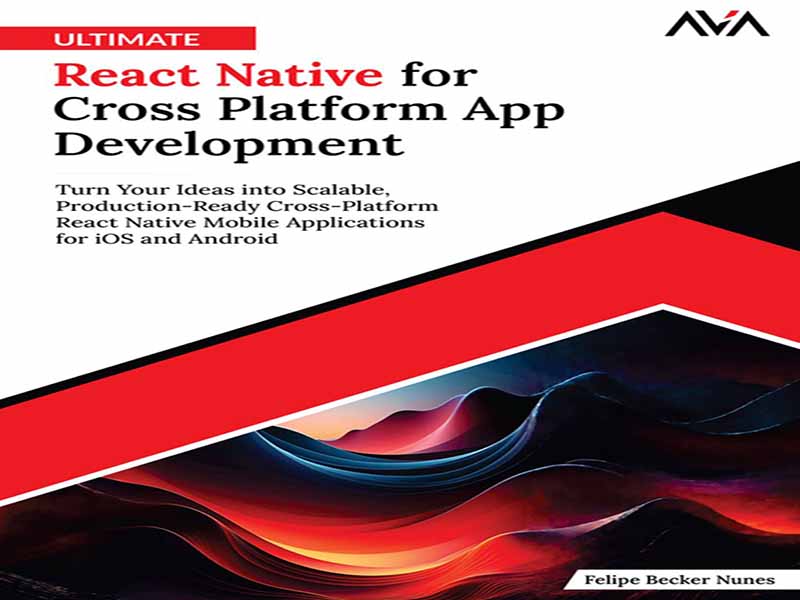
- عنوان کتاب: Ultimate React Native for Cross Platform App Development
- نویسنده: Felipe Becker Nunes
- حوزه: آموزش React
- سال انتشار: 2026
- تعداد صفحه: 668
- زبان اصلی: انگلیسی
- نوع فایل: pdf
- حجم فایل: 5.45 مگابایت
React Native معنای ساخت برنامههای موبایل را تغییر داده است. امروزه از تیمها انتظار میرود تجربیاتی را ارائه دهند که حس بومی بودن را القا کنند، سریع حرکت کنند، به طور تمیز مقیاسپذیر باشند و اغلب با یک کدبیس واحد به کاربران iOS و اندروید برسند. این وعده هیجانانگیز است، اما هر کسی که سعی در ارائه یک محصول واقعی داشته باشد، داستان کامل را میداند: موارد حاشیهای ناوبری، تنگناهای عملکرد، رفتار آفلاین، الزامات فروشگاه برنامه، خطوط لوله CI/CD، آزمایش و گردشهای کاری انتشار میتوانند به سرعت اعتماد به نفس “سلام دنیا” را به اضطراب تولید تبدیل کنند. این کتاب برای پر کردن این شکاف نوشته شده است. این کتاب بر بخشهایی از React Native تمرکز دارد که هنگام ساخت برنامهای که قصد عرضه آن را دارید، اهمیت دارند. این کتاب نه تنها نحوه پیادهسازی ویژگیها، بلکه دلیل بهتر بودن انتخابهای خاص در پروژههای دنیای واقعی را توضیح میدهد. در طول مسیر، اصول اولیهای را که شما را مولد میکنند (اجزا، قلابها، حالت، استایلبندی و ناوبری) پوشش خواهیم داد و همچنین به طور پیوسته به واقعیتهای مهندسی تولید، احراز هویت، واکشی دادهها، ذخیرهسازی، الگوهای اولویت آفلاین، پروفایل عملکرد، تصمیمات معماری، استراتژی آزمایش و استقرار خواهیم پرداخت. این رویکرد از نظر طراحی عملی است. شما میتوانید از طریق پیادهسازیهای هدایتشده، الگوهایی که بهطور گسترده در تیمهای مدرن موبایل استفاده میشوند، و تأکید مداوم بر قابلیت نگهداری که شامل سازماندهی کد، جریانهای حالت قابل پیشبینی، رابط کاربری قابل استفاده مجدد و تکنیکهای اشکالزدایی است که به شما کمک میکند بدون ایجاد هرج و مرج، به سرعت حرکت کنید، یاد بگیرید. این کتاب به 16 فصل تقسیم شده است که از تنظیمات و مفاهیم اصلی به مباحث پیشرفته و انتشار میپردازد. جزئیات به شرح زیر است: فصل 1، React Native را به عنوان یک چارچوب چند پلتفرمی معرفی میکند و به شما کمک میکند تا بفهمید که در مقایسه با توسعه بومی و سایر رویکردهای چند پلتفرمی، در کجا قرار میگیرد. همچنین انتظاراتی را در مورد عملکرد، تجربه توسعهدهنده و بدهبستانهایی که هنگام انتخاب React Native انجام میدهید، تعیین خواهید کرد. فصل 2، تنظیمات محیط و ایجاد پروژه، از جمله تفاوتهای عملی بین Expo و React Native CLI را پوشش میدهد. همچنین باید یک پایه تمیز بسازید تا بتوانید با اطمینان تکرار کنید و از رایجترین مشکلات راهاندازی اجتناب کنید. فصل 3 بر اصول React در زمینه موبایل مانند مؤلفهها، props، state، hooks، رفتار رندر و مدل ذهنی تمرکز دارد، شما باید در مورد بهروزرسانیهای UI استدلال کنید. همچنین یاد خواهید گرفت که چگونه ویژگیهای کوچک را به گونهای ساختار دهید که مقیاسپذیر باشند. فصل ۴ به بلوکهای سازنده رابط کاربری و سبکبندی طرحبندی، Flexbox، طراحی واکنشگرا، قالببندی، اجزای قابل استفاده مجدد و اصول اولیه دسترسی میپردازد. همچنین یاد خواهید گرفت که چگونه رابطهایی ایجاد کنید که در دستگاههای مختلف سازگار به نظر برسند و ظاهری آراسته داشته باشند. فصل ۵ ناوبری در برنامههای واقعی را معرفی میکند: پشتهها، تبها، لینکهای عمیق، مسیرهای محافظتشده و الگوهایی برای انتقال ایمن دادهها بین صفحات نمایش. همچنین یاد خواهید گرفت که چگونه جریانهای ناوبری را طوری طراحی کنید که در طول زمان شکننده نشوند. فصل ۶ مدیریت حالت و جریان داده را از حالت محلی و Context شروع میکند و سپس به الگوهای مقیاسپذیر میپردازد. همچنین یاد خواهید گرفت که حالت سراسری چه زمانی مفید و چه زمانی مضر است و چگونه منطق را قابل آزمایش نگه دارید. فصل ۷ به بررسی واکشی دادهها و ادغام API مانند اصول اولیه HTTP، مدیریت خطا، استراتژیهای ذخیرهسازی، صفحهبندی و الگوهای عملی برای جداسازی شبکه از رابط کاربری میپردازد. هدف، جریانهای داده انعطافپذیری است که در شرایط شبکه واقعی به خوبی رفتار میکنند. فصل ۸ بر احراز هویت و طراحی با رویکرد امنیتی تمرکز دارد که شامل مدیریت جلسه، ملاحظات ذخیرهسازی توکن، محافظت از صفحه نمایشها و مشکلات رایج امنیتی موبایل میشود. همچنین قادر خواهید بود جریانهای احراز هویت را با درک روشنی از بدهبستانهای مربوطه پیادهسازی کنید. فصل ۹، پایداری و رفتار آفلاین-اول، ذخیرهسازی محلی، ذخیرهسازی ساختاریافته، استراتژیهای همگامسازی و ملاحظات تداخل را معرفی میکند. همچنین یاد خواهید گرفت که چگونه تجربیاتی بسازید که در صورت عدم اطمینان اتصال، مفید باقی بمانند. فصل ۱۰ به قابلیتها و ادغامهای دستگاه مانند اعلانها، دسترسی به دوربین یا رسانه (در صورت وجود)، مجوزها و رفتار خاص پلتفرم میپردازد. همچنین یاد خواهید گرفت که چگونه تفاوتهای بین iOS و اندروید را بدون کپی کردن کل برنامه خود مدیریت کنید. فصل ۱۱ در مورد عملکرد است که شامل اندازهگیری، پروفایلبندی و بهبود است. همچنین یاد خواهید گرفت که چگونه در مورد هزینه رندر، عملکرد لیست، یادداشتبرداری و تنگناهای رایج فکر کنید و چگونه آنها را بدون بهینهسازی زودرس برطرف کنید. فصل ۱۲ معماری و قابلیت نگهداری مانند ساختار پوشه، سازماندهی مبتنی بر ویژگی، جداسازی دغدغهها، مرزهای وابستگی و الگوهایی را پوشش میدهد که پایگاه کد شما را قابل تکامل نگه میدارند. فصل ۱۳ بر استراتژیهای تست تمرکز دارد: چه چیزی را تست کنیم، کجا آن را تست کنیم و چگونه تستها را ارزشمند نگه داریم، به جای اینکه شکننده باشند. شما تستهای واحد، تستهای کامپوننت و راهنماییهای عملی برای پوشش سرتاسری را پوشش خواهید داد. فصل ۱۴ گردشهای کاری ساخت و انتشار، از جمله نسخهبندی، پیکربندی محیط و اتوماسیون را توضیح میدهد. همچنین یاد خواهید گرفت که چگونه …
React Native has changed what it means to build mobile apps. Today, teams are expected to ship experiences that feel native, move fast, scale cleanly, and reach users on both iOS and Android often with a single codebase. That promise is exciting, but anyone who has tried to deliver a real product knows the full story: navigation edge cases, performance bottlenecks, offline behavior, app-store requirements, CI/CD pipelines, testing, and release workflows can quickly turn “Hello World” confidence into production anxiety. This book is written to bridge that gap. It focuses on the parts of React Native that matter when you are building an app you intend to ship. It explains not only how to implement features, but why certain choices hold up better in real-world projects. Along the way, we will cover the fundamentals that make you productive (components, hooks, state, styling, and navigation), and we shall also steadily move into the realities of production engineering, authentication, data fetching, storage, offline-first patterns, performance profiling, architecture decisions, testing strategy, and deployment. The approach is practical by design. You can learn through guided implementations, patterns that are widely used in modern mobile teams, and a consistent emphasis on maintainability that includes code organization, predictable state flows, reusable UI, and debugging techniques which help you move quickly without accumulating chaos. This book is divided into 16 chapters, progressing from setup and core concepts to advanced topics and publishing. The details are outlined as follows: Chapter 1 introduces React Native as a cross-platform framework, and helps you to understand where it fits compared to native development and other cross-platform approaches. You will also set expectations about performance, developer experience, and the trade-offs you are making, when you choose React Native. Chapter 2 covers environment setup and project creation, including the practical differences between Expo and the React Native CLI. You shall also build a clean foundation so that you can iterate confidently, and avoid the most common setup pitfalls. Chapter 3 focuses on React fundamentals in a mobile context such as components, props, state, hooks, rendering behavior, and the mental model, you need to reason about UI updates. You will also learn how to structure small features in a way that scales. Chapter 4 dives into UI building blocks and layout styling, Flexbox, responsive design, theming, reusable components, and accessibility basics. You will also learn how to create interfaces that look consistent across devices, and feel polished. Chapter 5 introduces navigation in real apps: stacks, tabs, deep links, guarded routes, and patterns for passing data safely between screens. You shall also learn how to design navigation flows that do not become fragile over time. Chapter 6 covers state management and data flow starting from local state and Context, then moving into scalable patterns. You shall also learn when global state is helpful, when it is harmful, and how to keep logic testable. Chapter 7 explores data fetching and API integration such as HTTP basics, error handling, caching strategies, pagination, and practical patterns for separating networking from UI. The goal is resilient data flows that behave well under real network conditions. Chapter 8 focuses on authentication and security-minded design which includes session handling, token storage considerations, protecting screens, and common mobile security pitfalls. You will also be able to implement auth flows with a clear understanding of the trade-offs involved. Chapter 9 introduces persistence and offline-first behavior local storage, structured caching, syncing strategies, and conflict considerations. You will also learn how to build experiences that remain useful, when connectivity is unreliable. Chapter 10 addresses device capabilities and integrations such as notifications, camera or media access (where applicable), permissions, and platform-specific behavior. You shall also learn how to handle differences between iOS and Android without duplicating your whole app. Chapter 11 is about performance which includes measuring, profiling, and improving. You will also learn how to think about rendering cost, list performance, memoization, and common bottlenecks, and how to fix them without premature optimization. Chapter 12 covers architecture and maintainability such as folder structure, feature-based organization, separation of concerns, dependency boundaries, and patterns that keep your codebase evolvable. Chapter 13 focuses on testing strategies: what to test, where to test it, and how to keep tests valuable, instead of brittle. You will cover unit tests, component tests, and practical guidance for end-to-end coverage. Chapter 14 explains build and release workflows, including versioning, environment configuration, and automation. You shall also learn how teams typically manage dev/staging/production builds, and keep releases predictable. Chapter 15 walks through deployment and publishing that includes store requirements, signing, app metadata, review pitfalls, release channels, and post-release monitoring considerations, so that you can go from “works on my phone” to “available in the store.” Chapter 16 or the final chapter of the book closes with advanced practices and next steps which includes keeping up with the ecosystem, evaluating libraries, planning upgrades, and making technology decisions that stay stable, as your app and team grow.
این کتاب را میتوانید از لینک زیر بصورت رایگان دانلود کنید:
Download: Ultimate React Native for Cross Platform App Development


























نظرات کاربران