













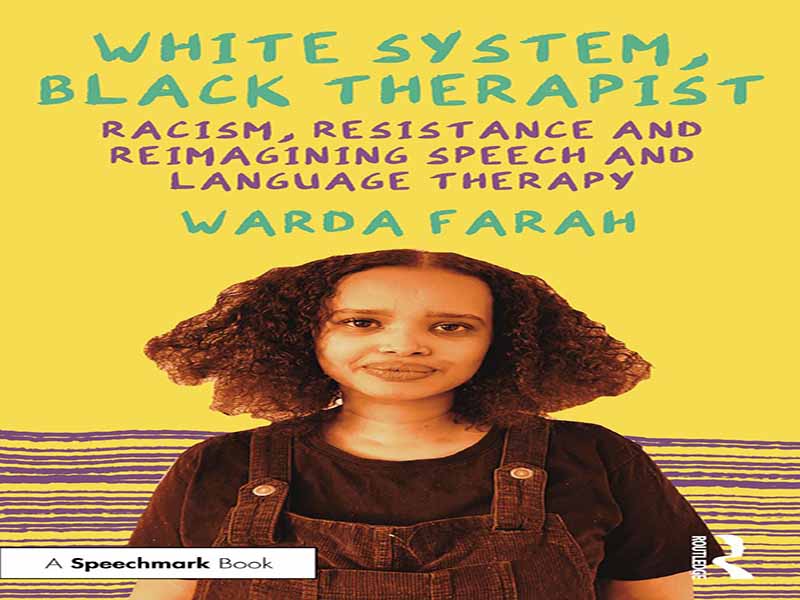
- عنوان کتاب: White System, Black Therapist
- نویسنده: Farah, Warda
- حوزه: نژاد پرستی
- سال انتشار: 2026
- تعداد صفحه: 187
- زبان اصلی: انگلیسی
- نوع فایل: pdf
- حجم فایل: 4.69 مگابایت
این کتاب در سنت داستانسرایی آفریقایی بافته شده است – نه محدود به خطی بودن غربی، بلکه با ریتم، بازگشت و یادآوری شکل گرفته است. این کتاب در دایرهها حرکت میکند، در لایهها پژواک مییابد و از طریق تکرار صحبت میکند، زیرا اینگونه است که خاطره ماندگار میشود، چگونه تروما نفس میکشد و چگونه شفا در بدن ما و در سراسر جوامع ما آشکار میشود. داستانسرایی در تار و پود وجود ریشه دوانده است؛ میراثی است که از نسلی به نسل دیگر منتقل میشود. قدرت روایت غیرقابل اندازهگیری است. با این حال، در حوزه SLT، به ویژه هنگام تعامل با کودکان در محیطهای بالینی، داستانسرایی به عنوان معیاری محوری برای ارزیابی استعداد ارتباطی عمل میکند. ما توانایی کودکان را در ساخت یک روایت «منسجم»، با استفاده از اصطلاحات دقیق، استنتاج و حفظ «توالی مناسب» ارزیابی میکنیم. اغلب، درک ما از یک روایت ستودنی تحت تأثیر دیدگاههای غالب ما قرار میگیرد و اغلب سبکها و ساختارهای روایی نشأت گرفته از جنوب جهانی را کنار میگذارد. بسیاری از کودکانی که ما با آنها سروکار داریم، از خانوادهها، جوامع و ملتهایی هستند که در آنها «چه کسی، چه چیزی و کجا»ی داستانسرایی تفاوت قابل توجهی با سبکها و روایتهایی دارد که در دنیای غرب به آنها عادت کردهایم. متأسفانه، ما اغلب این تفاوتهای پیچیده را نادیده میگیریم. در عوض، ما تمایل داریم کودکانی را که با الگوهای روایی مورد انتظار ما مطابقت ندارند، «نامنسجم» بنامیم، که نشان میدهد داستانهای آنها فاقد معنا هستند یا از نظر زمانی نامنظم هستند. این غفلت عواقب طولانیمدتی دارد، زیرا این کودکان مانند من به بزرگسالانی تبدیل میشوند که هرگز برای روشهای سنتی داستانسرایی خود اعتبار دریافت نکردند. در نتیجه، آنها هرگز احساس قدرت نکردند تا خود را با بیان واقعی و اصیل خود بیان کنند. در طول سفر حرفهای و شخصیام، متوجه شدهام که به اشتراک گذاشتن داستانهایمان به عنوان ابزاری برای تأمل عمل میکند. این به ما اجازه میدهد تا با گذشته خود روبرو شویم، در مورد حال تأمل کنیم، دیدگاههای متنوع را بپذیریم و آیندههای بدیعی را تصور کنیم، فرصتهایی که هنجارهای سنتی ما اغلب مانع از بیان آنها میشد. اغلب داستانسرایی همانطور که در این کشور میشناسیم، نه تنها سعی در تنظیم شیوههای ارتباطی ما دارد، بلکه شیوههای کلی وجود ما را نیز محدود میکند. داستانسرایی سنتی ظرفیت قابل توجهی برای خودسازی دارد. همانطور که استفانی تولیور در کتاب خود با عنوان «بازیابی داستانسرایی سیاهپوستان در تحقیقات کیفی» (۲۰۲۱) بیان کرده است، این روش، یک روش علمی است که از طریق آن زنان سیاهپوست میتوانند قلمرو خود را بسازند. با انجام این کار، آنها حوزههای جدیدی را میسازند که واقعیتهای مثبت را تقویت میکند و آنها را قادر میسازد تا با منفیگراییهای ریشهدار در تجربیات فعلی خود مقابله کرده و از آنها فراتر روند. علاوه بر این، داستانسرایی به عنوان ابزاری برای استعمارزدایی عمل میکند، به خصوص برای کسانی از ما که پیشینه سیاهپوستی داریم و باید در سیستمی که تحت فشار برتری سفیدپوستان است، حرکت کنیم. مشارکت در عمل تفکر، نوشتن یا به اشتراک گذاشتن روایتهای شخصی ما، فرآیندی را آغاز میکند که بینشهایی را آشکار میکند که قادر به ایجاد بخشهایی از آزادی در جهانی است که از نظر تاریخی خصمانه، سرکوبگر و آسیبزننده برای کسانی از ماست که متقاعد شدهایم با انسان ایدهآل مطابقت نداریم.
This book is woven in the tradition of African storytelling — not bound by Western linearity, but shaped by rhythm, return, and remembrance. It moves in circles, echoes in layers, and speaks through repetition, because that is how memory lingers, how trauma breathes, and how healing unfolds in our bodies and across our communities. Storytelling is ingrained in the fabric of existence; it’s a legacy passed down through generations. The potency of narrative is immeasurable. However, within the realm of SLT, particularly when engaging with children in clinical settings, storytelling serves as a pivotal gauge for assessing communication aptitude. We assess children’s capability to construct a “coherent” narrative, employing precise terminology, making inferences, and maintaining a “proper sequence.” Frequently, our perception of a commendable narrative is influenced by our dominant perspectives, often sidelining narrative styles and structures originating from the Global South. Many of the children we engage with come from families, communities, and nations where the “who, what, and where” of storytelling differ significantly from the styles and narratives we’ve been accustomed to in the Western world. Unfortunately, we often overlook these intricate differences. Instead, we tend to label children who don’t conform to our expected narrative patterns as “incoherent,” suggesting that their stories lack meaning or are disorganised chronologically. This oversight has long-lasting consequences, as these children grow into adults, much like myself, who never received validation for their traditional storytelling methods. As a result, they never felt empowered to express themselves with their true, authentic expression. Through both my professional and personal journey, I’ve come to understand that sharing our stories serves as a reflective tool. It allows us to confront our past, contemplate the present, embrace diverse viewpoints, and envision novel futures, opportunities that our traditional norms often hindered us from articulating. Often storytelling as we know it in this country attempts to not only regulate our modes of communication but also constrain our overall ways of existence. Traditional storytelling holds a remarkable capacity for self- reclamation. As articulated by Stephanie Toliver in her book Recovering Black Storytelling in Qualitative Research (2021), it constitutes a scientific methodology through which Black women can forge their own realms. In doing so, they craft new spheres that amplify positive realities, enabling them to counteract and transcend the negativity entrenched in their current experiences. Storytelling, moreover, functions as a decolonising tool, especially for those of us with Black backgrounds who must navigate a system burdened by the weight of white supremacy. Engaging in the act of thinking, writing, or sharing our personal narratives initiates a process that unveils insights capable of ushering fragments of liberation within a world historically hostile, oppressive, and injurious to those of us who have been convinced we don’t conform to the ideal human.
این کتاب را میتوانید از لینک زیر بصورت رایگان دانلود کنید:
Download: White System, Black Therapist


















نظرات کاربران