













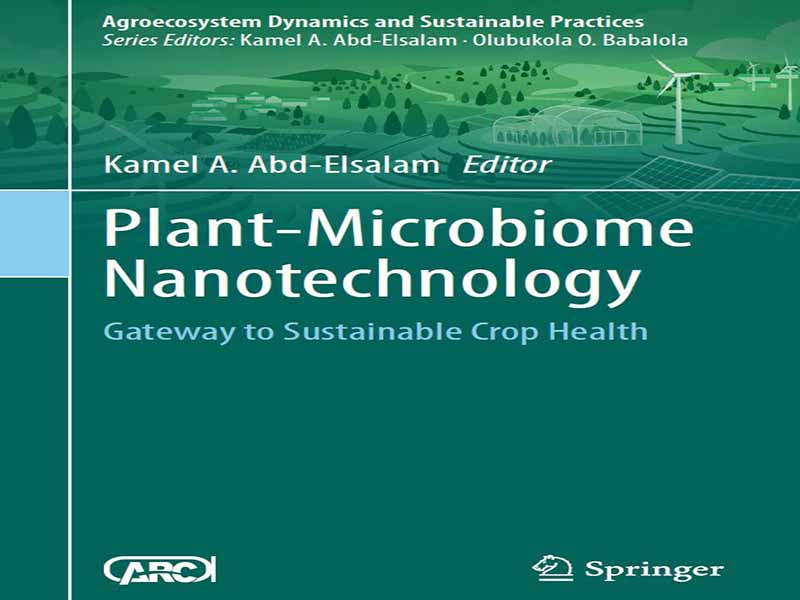
- عنوان کتاب: Plant-Microbiome Nanotechnology
- نویسنده: Kamel A. Abd-Elsalam
- حوزه: میکروبیوم گیاهی
- سال انتشار: 2026
- تعداد صفحه: 495
- زبان اصلی: انگلیسی
- نوع فایل: pdf
- حجم فایل: 5.64 مگابایت
فناوری نانو-میکروبیوم گیاهی که به سرعت در حال ظهور است، مرز جدیدی در کشاورزی پایدار و حفاظت از محصولات کشاورزی است. دهههای اخیر شاهد پیشرفت علم نانو بودهایم که فرصتهای بیسابقهای را برای تحقیق و دستکاری تعاملات بسیار پیچیده بین گیاهان، میکروبیومهای ساکن آنها و محیط زیست فراهم میکند. این کتاب، نانوفناوری میکروبیوم گیاهی: دروازهای به سوی سلامت پایدار محصولات کشاورزی، پوشش جامعی از چگونگی کاربرد فناوریهای نانومقیاس برای بهبود مقاومت گیاه، حاصلخیزی خاک و کاهش تنشهای غیرزیستی و زیستی ارائه میدهد. فصلها به طور کلی به امکانات و چالشهای کاربرد فناوری نانو در زمینه ارتباطات گیاه-میکروب میپردازند. این کتاب با پرداختن به سلامت گیاه در زمینه فناوری نانو و تعادل میکروبیوم آغاز میشود و سپس به بررسی اثرات مطلوب و نامطلوب نانوذرات فلزی بر میکروبهای ارزشمند خاک، قارچها و عوامل کنترل زیستی میپردازد. تأکید ویژه بر خواص سمشناسی نانوذرات مبتنی بر فلز است و بر چالش چگونگی تطبیق نوآوری و حفاظت از محیط زیست تأکید دارد. استراتژیهای نوینی از جمله کاربرد نانوذرات برای تقویت همزیستی گیاه-میکروب، استفاده از آنها در زیستپالایی فلزات سنگین و پتانسیل کوددهی زیستی محصولات کشاورزی از طریق تعامل همافزایی با میکروارگانیسمهای مفید، مورد بررسی قرار گرفته است. تعدادی از فصلها به نقشهای دوگانه راهحلهای نانومقیاس در کنترل بیماری و مدیریت تنش، از نانوقارچکشها و میکروبهای اپیفیت پشتیبانیشده با نانوذرات گرفته تا عملکرد همافزایی ریزوباکتریهای محرک رشد گیاه (PGPR) با نانوذرات در شرایط تنش شوری، تنش خشکی و تنش فلزات سنگین، میپردازند. این کتاب همچنین امکانات و چالشهای نانومواد شیمیایی کشاورزی را ارائه میدهد و بر بررسی منصفانه برای جلوگیری از اثرات ناخواسته بر میکروبیومها و اکوسیستمهای گیاهی تأکید میکند. این کتاب با کاربردهایی از مدیریت تنش با نانوذرات گرفته تا نوآوریهای میکروبی نانومقیاس برای مدیریت سلامت محصولات کشاورزی، یک کتابچه راهنمای جامع برای محققان، متخصصان و سیاستگذارانی که علاقهمند به ادغام فناوری نانو با ارزشهای پایداری، امنیت غذایی و نظارت بر محیط زیست هستند، ارائه میدهد. همچنین مایلیم از تیم اشپرینگر و بهویژه از سانچی بهیمراجکا، ویراستار متعهد انتشارات، تشکر کنیم. ما از سردبیر این مجموعه، پروفسور اولوبوکولا او. بابالولا، معاون رئیس آکادمی جهانی علوم (TWAS) و مدیر محترم تحقیقات در دانشگاه شمال غربی آفریقای جنوبی، بینهایت سپاسگزاریم. تخصص و بینش بینظیر شما، مجموعه «پویاییهای اکوسیستم کشاورزی و شیوههای پایدار» را به طرز چشمگیری غنی کرده است، به طوری که به مرجعی عالی در دانشگاه تبدیل شده است. همچنین از پروفسور عادل عبدالعظیم، رئیس مرکز تحقیقات کشاورزی جیزه، مصر، و اعضای هیئت تحریریه این مجموعه به خاطر تلاش مداومشان در جهت دانش و پیشرفت توسعه در پویایی اکوسیستم کشاورزی و مدیریت پایدار، قدردانی میکنیم. تلاش مداوم شما در تسهیل امکان دستیابی به این وظیفه خطیر بسیار مهم بوده است.
The rapidly emerging plant–microbiome nanotechnology is a new frontier in sustainable agriculture and crop protection. The recent decades have witnessed nanoscience progress offer unprecedented opportunities for research and manipulation of highly complex interactions between plants, their in-dwelling microbiomes, and the environment. This book, Plant-Microbiome Nanotechnology: Gateway to Sustainable Crop Health, provides a comprehensive coverage of how nanoscale technologies can be applied to improve plant resistance, soil fertility, and abiotic and biotic stress mitigation. The chapters as a whole address both the possibilities and challenges of applying nanotechnology in the context of plant–microbe associations. The book begins by addressing plant health in the context of nanotechnology and microbiome equilibrium, before going on to address both the desired and the unwanted impacts of metal nanoparticles on valuable soil microbes, fungi, and biocontrol agents. Special emphasis is placed on the toxicological properties of metal-based nanoparticles, stressing the challenge of how to reconcile innovation and environmental protection. Novel strategies are deliberated, including application of nanoparticles to strengthen plant–microbe symbiosis, their use in heavy-metal bioremediation, and crop biofertilization potential through synergistic interaction with beneficial microorganisms. A few of the chapters discuss twin roles of nanoscale solutions in disease control and stress management, ranging from nano fungicides and nano particle supported epiphytic microbes to synergistic action of plant growth-promoting rhizobacteria (PGPR) with nanoparticles under salinity stress, drought stress, and heavy metal stress conditions. The book also presents possibilities and challenges of nano-agrochemicals, emphasizing an equitable review to avoid unwanted impacts on plant microbiomes and ecosystems. With applications ranging from stress management with nanoparticles to microbial nanoscale innovations for crop health management, the book provides a comprehensive handbook for researchers, practitioners, and policymakers who are interested in integrating nanotechnology with values of sustainability, food security, and environmental stewardship. We would also like to express our gratitude to Springer’s team, and specifically thank Sanchi Bhimrajka, our committed Publishing Editor. We are eternally thankful to the Series Editor, Prof. Olubukola O. Babalola, Vice-President of The World Academy of Sciences (TWAS) and an esteemed Research Director at North-West University, South Africa. Your unmatched expertise and insight contribution has immensely enriched the Agroecosystem Dynamics and Sustainable Practices series, such that it is an excellent reference in the academe. We also acknowledge Prof. Adel Abdel Azeem, President of Agricultural Research Center, Giza, Egypt, and editorial board members of the series for their persistent effort toward knowledge and development progress in agroecosystem dynamics and sustainable management. Your persistent effort has been critical in facilitating the possibility of the achievement of this monumental task.
این کتاب را میتوانید از لینک زیر بصورت رایگان دانلود کنید:
Download: Plant-Microbiome Nanotechnology
























نظرات کاربران