













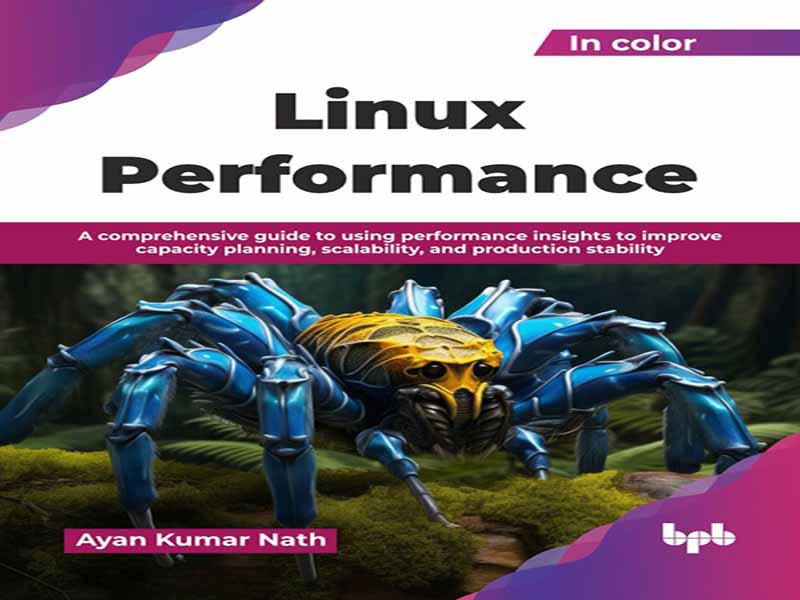
- عنوان کتاب: Linux Performance
- نویسنده: Ayan Kumar Nath
- حوزه: آموزش لینوکس
- سال انتشار: 2026
- تعداد صفحه: 657
- زبان اصلی: انگلیسی
- نوع فایل: pdf
- حجم فایل: 5.51 مگابایت
«عملکرد لینوکس» با سیستم عامل لینوکس سروکار دارد و به جنبههایی از آنچه لینوکس در واقع تشکیل میدهد میپردازد، اما عمدتاً یک کتابچه راهنما در مورد جنبههای عملکرد لینوکس به عنوان یک سیستم عامل و ابزارها، فرآیندها و عملکردهایی است که نحوه بهینهسازی لینوکس برای مقیاس، کارایی و عملکرد را شرح میدهد. این کتاب به سه بخش مجزا تقسیم شده است که خود به 18 فصل تقسیم میشوند. این کتاب طیف گستردهای از موضوعات را پوشش میدهد، از تکامل لینوکس، ابزارهای اساسی و مطالعات موردی. فصل 1: مقدمهای بر مهندسی عملکرد لینوکس – این فصل مفاهیم بنیادی عملکرد، در دسترس بودن، مقیاسپذیری و چارچوبهای اندازهگیری را بیان میکند و مبنای مفهومی را برای تمام فصلهای بعدی تشکیل میدهد. فصل 2: تکامل و عملکرد هسته لینوکس – این فصل به بررسی چگونگی تکامل هسته لینوکس برای پرداختن به چالشهای مقیاسپذیری، همزمانی و عملکرد میپردازد و تصمیمات معماری را به رفتار سیستم در دنیای واقعی مرتبط میکند. فصل 3: روشها و مدلهای عملکرد – این فصل تفکر ساختاریافته عملکرد را از طریق معیارهایی مانند تأخیر و توان عملیاتی، روش USE، قانون لیتل و اهداف سطح سرویس معرفی میکند. فصل ۴: معیارها و اندازهگیریهای ضروری عملکرد لینوکس – این فصل ابزارها و تکنیکهای اصلی نظارت بر لینوکس، از ابزارهای سنتی گرفته تا روشهای پروفایلینگ مدرن را بررسی میکند. فصل ۵: تحلیل و بهینهسازی عملکرد CPU – این فصل به بررسی رفتار CPU، تغییر زمینه، زمانبندی و استراتژیهای تنظیم برای بارهای کاری محدود به محاسبات میپردازد. فصل ۶: عملکرد حافظه و آگاهی از NUMA – این فصل مدیریت حافظه لینوکس، صفحهبندی، معماری NUMA، نشت حافظه و پیامدهای عملکرد فشار حافظه را تجزیه و تحلیل میکند. فصل ۷: عملکرد دیسک و I/O – این فصل زیرسیستمهای ذخیرهسازی، زمانبندیکنندههای دیسک، عمق صف، ویژگیهای SSD در مقابل HDD و تکنیکهای پیشرفته تحلیل I/O را بررسی میکند. فصل ۸: عملکرد پشته شبکه – این فصل جریان بستهها از طریق پشته شبکه لینوکس، ارسال مجدد، رفتار تراکم و عیبیابی سیستماتیک شبکه را توضیح میدهد. فصل ۹: پروفایلینگ هسته لینوکس و برنامهها – این فصل رابطهای بومی هسته مانند /proc و /sys را همراه با تکنیکهای کاوش پویا برای مشاهده عمیق عملکرد معرفی میکند. فصل 10: ردیابی و مشاهدهپذیری مدرن لینوکس – این فصل بر ردیابی در سطح زیرسیستم و رویکردهای مشاهدهپذیری ساختاریافته برای تحلیل بلوک، سیستم فایل و زمانبند تمرکز دارد. فصل 11: رفتار پیشرفته حافظه، سیستم فایل و پشته ورودی/خروجی – این فصل به بررسی ورودی/خروجی بافر شده در مقابل مستقیم، io_uring و ویژگیهای عملکرد لایه بلوک چند صف میپردازد. فصل 12: چشمانداز ابزارهای لینوکس – این فصل شامل اکوسیستمهای پروفایلینگ، از جمله perf، flamegraphs و چارچوبهای ردیابی مورد استفاده در مهندسی عملکرد مدرن لینوکس است. فصل 13: اصول اولیه بنچمارک و تست بار – این فصل رویکردهای سیستماتیکی برای اعتبارسنجی عملکرد، مدلسازی بار کاری و برنامهریزی ظرفیت مبتنی بر تست ارائه میدهد. فصل 14: عملکرد کانتینر و مجازیسازی – این فصل به بررسی ویژگیهای عملکرد KVM، QEMU، VirtIO، فضاهای نام و بارهای کاری کانتینری میپردازد. فصل 15: تنظیم عملکرد برای مقیاسپذیری – این فصل به بررسی مقیاسبندی افقی در مقابل عمودی، الگوهای معماری و استراتژیهای تنظیم سطح هسته برای سیستمهای مقیاسپذیر میپردازد. فصل ۱۶: بهینهسازی سیستم فایل و ذخیرهسازی – این فصل، سیستمهای فایل اصلی لینوکس را مقایسه کرده و چگونگی تأثیر انتخابهای معماری بر عملکرد و قابلیت اطمینان را تجزیه و تحلیل میکند. فصل ۱۷: مطالعات موردی در مورد عیبیابی در محیط عملیاتی – این فصل، بررسیهای حادثه در دنیای واقعی را ارائه میدهد و روشهای عیبیابی ساختاریافته تحت فشار را نشان میدهد. فصل ۱۸: مشاهدهپذیری پیشرفته با eBPF – این فصل با تکنیکهای مدرن ابزار دقیق هسته به پایان میرسد و نشان میدهد که چگونه eBPF امکان مشاهدهپذیری عمیق و کم سربار را در سراسر پشته لینوکس فراهم میکند.
Linux Performance deals with the Linux operating system, and goes into aspects of what Linux actually comprises, but mostly, it is a handbook about the performance aspects of Linux as an operating system, and tools, processes, and functions as to how to optimize Linux for scale, efficiency, and performance. The book is divided into three distinct parts, which are further subdivided into 18 chapters. This covers a wide range of topics, starting from Linux evolution, basic tools, and case studies. Chapter 1: Introduction to Linux Performance Engineering– This chapter establishes foundational concepts of performance, availability, scalability, and measurement frameworks, forming the conceptual basis for all subsequent chapters. Chapter 2: Linux Kernel Evolution and Performance- This chapter explores how the Linux kernel has evolved to address scalability, concurrency, and performance challenges, connecting architectural decisions to real-world system behavior. Chapter 3: Performance Methodologies and Models– This chapter introduces structured performance thinking through metrics such as latency and throughput, the USE method, Little’s Law, and service-level objectives. Chapter 4: Essential Linux Performance Metrics and Measurement– This chapter examines core Linux monitoring tools and techniques, from traditional utilities to modern profiling methods. Chapter 5: CPU Performance Analysis and Optimization– This chapter explores CPU behavior, context switching, scheduling, and tuning strategies for compute-bound workloads. Chapter 6: Memory Performance and NUMA Awareness– This chapter analyzes Linux memory management, paging, NUMA architecture, memory leaks, and performance implications of memory pressure. Chapter 7: Disk and I/O Performance– This chapter investigates storage subsystems, disk schedulers, queue depth, SSD versus HDD characteristics, and advanced I/O analysis techniques. Chapter 8: Network Stack Performance– This chapter explains packet flow through the Linux networking stack, retransmissions, congestion behavior, and systematic network troubleshooting. Chapter 9: Profiling Linux Kernel and Applications– This chapter introduces kernel-native interfaces such as /proc and /sys, along with dynamic probing techniques for deep performance visibility. Chapter 10: Modern Linux Tracing and Observability– This chapter focuses on subsystem-level tracing and structured observability approaches for block, filesystem, and scheduler analysis. Chapter 11: Advanced Memory, Filesystem, and I/O Stack Behavior– This chapter examines buffered versus direct I/O, io_uring, and the performance characteristics of the multi-queue block layer. Chapter 12: Linux Tooling Landscape– This chapter covers profiling ecosystems, including perf, flamegraphs, and tracing frameworks used in modern Linux performance engineering. Chapter 13: Benchmarking and Load Testing Essentials– This chapter provides systematic approaches to performance validation, workload modeling, and test-driven capacity planning. Chapter 14: Container and Virtualization Performance– This chapter explores the performance characteristics of KVM, QEMU, VirtIO, namespaces, and containerized workloads. Chapter 15: Performance Tuning for Scalability– This chapter examines horizontal versus vertical scaling, architectural patterns, and kernel-level tuning strategies for scalable systems. Chapter 16: Filesystem and Storage Optimization– This chapter compares major Linux filesystems and analyzes how architectural choices influence performance and reliability. Chapter 17: Case Studies on Troubleshooting in Production– This chapter presents real-world incident investigations, demonstrating structured troubleshooting methodologies under pressure. Chapter 18: Advanced Observability with eBPF– This chapter concludes with modern kernel instrumentation techniques, showing how eBPF enables deep, low-overhead observability across the Linux stack.
این کتاب را میتوانید از لینک زیر بصورت رایگان دانلود کنید:
Download: Linux Performance


























نظرات کاربران