












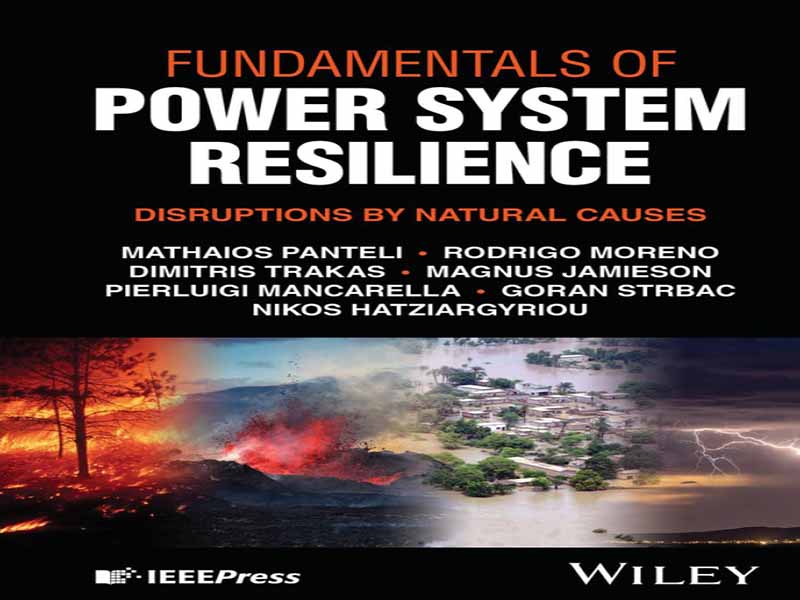
- عنوان کتاب: Fundamentals of Power System Resilience Disruptions by Natural Causes
- نویسنده: Mathaios Panteli, Rodrigo Moreno
- حوزه: تابآوری انرژی
- سال انتشار: 2026
- تعداد صفحه: 270
- زبان اصلی: انگلیسی
- نوع فایل: pdf
- حجم فایل: 11.9 مگابایت
تابآوری سیستمهای انرژی ما هرگز تا این حد حیاتی نبوده است. در سراسر جهان، جوامع شاهد افزایش تلفات بلایای ناشی از تغییرات اقلیمی و پیچیدگیهای فنی ادغام مقادیر زیادی انرژی تجدیدپذیر هستند. این نیروها در حال همگرایی هستند تا محدودیتهای استانداردهای سنتی قابلیت اطمینان را آشکار کرده و دیدگاهی جامعتر و آیندهنگرانهتر را طلب کنند. این کتاب به این چالش پاسخ میدهد. این کتاب به عنوان یکی از کاملترین و آیندهنگرترین کاوشها در مورد تابآوری سیستم قدرت تا به امروز برجسته است و مجموعهای از دانش را ارائه میدهد که هم از نظر مفهومی واضح و هم از نظر عملی قابل اجرا است. سهم آن نه تنها در تعریف تابآوری، بلکه در نشان دادن چگونگی اندازهگیری، مدلسازی، عملیاتیسازی و مدیریت آن در خدمت آیندههای انرژی امن و پایدار است. یکی از مهمترین دستاوردهای این کتاب، وضوحی است که به مفهومی میدهد که اغلب به اشتباه درک میشود. اغلب تابآوری با قابلیت اطمینان اشتباه گرفته میشود و باعث سردرگمی در هر دو حوزه تحقیق و عمل میشود. در اینجا، تابآوری به دقت به عنوان یک ظرفیت پویا که شامل پیشبینی، جذب، سازگاری و بازیابی است، بیان میشود. این چارچوببندی، واژگان و دیدگاهی را در اختیار خوانندگان قرار میدهد که میتوانند به طور مداوم در زمینههای متنوع به کار گرفته شوند و بحث را فراتر از معیارهای سادهانگارانه و به سمت درک دقیقتر و چندبعدی سوق دهند. نوآوری روششناختی کتاب نیز به همان اندازه مهم است. این کتاب نشان میدهد که چگونه میتوان تابآوری را با استفاده از رویکردهای پیشرفتهای مانند مدلسازی شکنندگی، بهینهسازی تصادفی و یادگیری ماشین، کمّیسازی و در برنامهریزی و عملیات ادغام کرد. این روشها با فراتر رفتن قاطعانه از معیارهای قطعی «N-1»، واقعیتهای واقعی عدم قطعیت، پیچیدگی و رویدادهای شدید را منعکس میکنند. نتیجه، مجموعهای از ابزارها است که نه تنها ریسک را با دقت بیشتری ثبت میکنند، بلکه اپراتورها و تصمیمگیرندگان را به سمت راهحلهای قویتر و سازگارتر هدایت میکنند. قدرت این اثر همچنین در جهتگیری عملی آن نهفته است. تابآوری در اینجا به عنوان یک مفهوم انتزاعی یا آرمانی در نظر گرفته نمیشود، بلکه به عنوان مجموعهای ملموس از اقدامات در نظر گرفته میشود که میتواند تصمیمگیریهای روزمره را شکل دهد. این کتاب نشان میدهد که چگونه تفکر تابآوری میتواند استراتژیهای سرمایهگذاری، برنامهریزی عملیاتی و استفاده از منابع توزیعشده مانند ذخیرهسازی و ریزشبکهها را شکل دهد. تأکید بر واکنشهای پیشگیرانه، اضطراری و ترمیمی، چگونگی تحقق تابآوری را در طول زمان نشان میدهد و نشان میدهد که این یک اقدام یکباره نیست، بلکه یک فرآیند مداوم از آمادگی، واکنش و بازیابی است. آنچه این کتاب را به ویژه جذاب میکند، تشخیص این موضوع است که تابآوری باید در سطوح مختلف درک شود. این امر تنها به زیرساختها محدود نمیشود، بلکه به عملیات، سازمانها، بازارها و حاکمیت نیز گسترش مییابد. با پرداختن به این ماهیت چندلایه، کتاب این واقعیت را منعکس میکند که آسیبپذیریها در یک حوزه میتوانند به سرعت به حوزههای دیگر سرایت کنند و تابآوری واقعی نیازمند هماهنگی در حوزههای فنی، نهادی و اجتماعی است. این وسعت با روشی که کتاب، مهندسی را با اقتصاد، مقررات و سیاست پیوند میدهد، بیشتر تقویت میشود. تابآوری نه تنها به عنوان یک چالش مهندسی، بلکه به عنوان یک ضرورت اجتماعی-فنی ارائه میشود که نیازمند مشوقهای بازار، چارچوبهای نظارتی و ساختارهای حاکمیتی است که نتایج تابآوری را ممکن ساخته و پاداش میدهند. این نگاه میانرشتهای تضمین میکند که بینشها برای طیف وسیعی از ذینفعان، از محققان و مهندسان گرفته تا سیاستگذاران، تنظیمکنندگان و رهبران صنعت، مرتبط هستند. یکی دیگر از سهمهای ارزشمند، پایهگذاری بینشهای آن در تجربه دنیای واقعی است. این کتاب با درس گرفتن از اختلالات عملی، نشان میدهد که چگونه استراتژیهای تابآوری تحت شرایط واقعی آزمایش، اصلاح و اثبات شدهاند. این زمینهسازی نه تنها اعتماد به امکانپذیری آنها را افزایش میدهد، بلکه مدلهای ملموسی را ارائه میدهد که میتوانند در زمینههای دیگر تطبیق داده و تکرار شوند. مهمتر از همه، این کتاب در چشمانداز خود آیندهنگر است. این کتاب روشن میکند که تابآوری و کربنزدایی دستور کارهای رقیب نیستند، بلکه الزاماتی هستند که یکدیگر را تقویت میکنند. با قرار دادن تابآوری در مرکز گذار انرژی، نشان میدهد که چگونه جوامع میتوانند سیستمهای قدرتی ایجاد کنند که همزمان قویتر، پایدارتر و عادلانهتر باشند. این کتاب با برجسته کردن نقشهای دیجیتالی شدن، منابع توزیعشده و الگوهای عملیاتی جدید، تابآوری را به عنوان سنگ بنای آیندهای کمکربن و مقاوم در برابر آب و هوا که باید بسازیم، قرار میدهد. در مجموع، این ویژگیها کتاب را بسیار فراتر از یک مرجع فنی میکند. این کتاب همزمان یک تلفیق علمی، یک راهنمای عملی و یک نقشه راه سیاستگذاری است. این کتاب ابزارهای فکری و عملی مورد نیاز برای طراحی سیستمهای انرژی را فراهم میکند که میتوانند در برابر شوکها مقاومت کنند، تحت فشار سازگار شوند و به سرعت از اختلال بهبود یابند. با انجام این کار، ما را به چالش میکشد تا در مورد ریسک متفاوت فکر کنیم، عدم قطعیت را به عنوان یک شرط طراحی ذاتی بپذیریم و تابآوری را به عنوان یک اصل راهنما برای زیرساختها اتخاذ کنیم.
The resilience of our energy systems has never been more critical. Across the globe, societies are witnessing the mounting toll of climate-driven disasters and the technical complexities of integrating vast amounts of renewable energy. These forces are converging to expose the limitations of traditional reliability standards and to demand a more comprehensive, future-oriented perspective. This book rises to that challenge. It stands out as one of the most thorough and forward-looking explorations of power system resilience to date, offering a body of knowledge that is both conceptually clear and practically applicable. Its contribution lies not only in defining resilience but in demonstrating how it can be measured, modeled, operationalized, and governed in the service of secure and sustainable energy futures. One of the book’s most significant achievements is the clarity it brings to a concept that is often misunderstood. Too often resilience has been conflated with reliability, creating confusion in both scholarship and practice. Here, resilience is carefully articulated as a dynamic capacity that involves anticipation, absorption, adaptation, and recovery. This framing provides readers with a vocabulary and perspective that can be applied consistently across diverse contexts, moving the discussion beyond simplistic metrics and into a more nuanced, multidimensional understanding. Equally important is the book’s methodological innovation. It showcases how resilience can be quantified and integrated into planning and operations using advanced approaches such as fragility modeling, stochastic optimization, and machine learning. By moving decisively beyond deterministic “N-1” criteria, these methods reflect the true realities of uncertainty, complexity, and extreme events. The result is a set of tools that not only capture risk more accurately but also guide operators and decision-makers toward more robust and adaptable solutions. The strength of this work also lies in its practical orientation. Resilience here is not treated as an abstract or aspirational concept, but as a tangible set of measures that can inform day-to-day decision-making. It demonstrates how resilience thinking can shape investment strategies, operational planning, and the use of distributed resources such as storage and microgrids. The emphasis on preventive, emergency, and restorative responses illustrates how resilience is enacted over time, showing that it is not a one-off measure but a continuous process of preparation, response, and recovery. What makes the book particularly compelling is its recognition that resilience must be understood at multiple levels. It is not confined to infrastructure alone, but extends to operations, organizations, markets, and governance. By addressing this multi-layered nature, the book reflects the reality that vulnerabilities in one domain can quickly cascade into others, and that true resilience requires coordination across technical, institutional, and societal spheres. This breadth is further reinforced by the way the book bridges engineering with economics, regulation, and policy. Resilience is presented not only as an engineering challenge but as a socio-technical imperative, requiring market incentives, regulatory frameworks, and governance structures that enable and reward resilient outcomes. This interdisciplinary lens ensures that the insights are relevant to a wide range of stakeholders, from researchers and engineers to policymakers, regulators, and industry leaders. Another valuable contribution is the grounding of its insights in real-world experience. Drawing lessons from practical disruptions, the book demonstrates how resilience strategies have been tested, refined, and proven under actual conditions. This grounding not only builds confidence in their feasibility but also provides concrete models that can be adapted and replicated in other contexts. Above all, the book is forward-looking in its vision. It makes clear that resilience and decarbonization are not competing agendas but mutually reinforcing imperatives. By placing resilience at the center of the energy transition, it shows how societies can create power systems that are at once more robust, more sustainable, and more equitable. In highlighting the roles of digitalization, distributed resources, and new operational paradigms, it positions resilience as a cornerstone of the low-carbon, climate-resilient future we must build. Taken together, these qualities make the book much more than a technical reference. It is at once a scholarly synthesis, a practical guide, and a policy roadmap. It provides the intellectual and practical tools needed to design energy systems that can withstand shocks, adapt under stress, and recover quickly from disruption. In doing so, it challenges us to think differently about risk, to embrace uncertainty as an inherent design condition, and to adopt resilience as a guiding principle for infrastructure, markets, and governance alike. As the energy sector undergoes one of the most profound transformations in its history, the ideas advanced here will prove indispensable. For researchers, practitioners, and policymakers committed to safeguarding the infrastructures upon which modern society depends, this book is not only timely—it is essential.
این کتاب را میتوانید از لینک زیر بصورت رایگان دانلود کنید:
Download: Fundamentals of Power System Resilience Disruptions by Natural Causes
























نظرات کاربران