










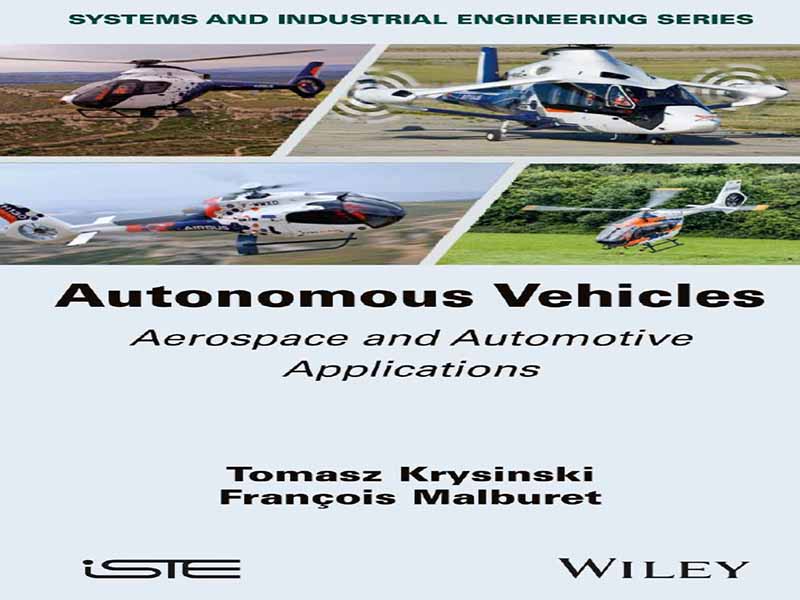
- عنوان کتاب: Autonomous Vehicles Aerospace and Automotive Applications
- نویسنده: Tomasz Krysinski, François Malburet
- حوزه: ریزپرنده
- سال انتشار: 2026
- تعداد صفحه: 224
- زبان اصلی: انگلیسی
- نوع فایل: pdf
- حجم فایل: 5.93 مگابایت
صنایع هوانوردی و خودروسازی به لطف ورود فناوریهای همگرای جدید در زمینه حسگرهای بینایی (لیدار و دوربین)، انفجار قابلیتهای رایانهها – به ویژه در زمینه پردازش دادههای بزرگ – و سیستمهای الگوریتم پیچیده، یادگیری ماشین و ورود هوش مصنوعی (AI)، در حال آغاز یک انقلاب تاریخی در وسایل نقلیه خود هستند. این فناوریهای همگرا با ارائه کمکهای رانندگی یا خلبانی برای حرکت به سمت رانندگی یا پرواز خودکار، بدون راننده یا خلبان، و داشتن سیستمهای ارتباطی داخلی که امکان ارتباط با محیط را فراهم میکنند و وسیله نقلیه را ایمنتر میکنند، امکان داشتن وسایل نقلیه متحرک و پرنده به طور فزایندهای خودکار و متصل را فراهم میکنند. در این کتاب، نویسندگان ورود این فناوریها را از جنبههای مختلف: زیستمحیطی، اجتماعی و اقتصادی تجزیه و تحلیل میکنند. آنها یک ارزیابی اولیه انجام میدهند و دیدگاههای خود را برای آینده حمل و نقل خودکار ارائه میدهند. در هوانوردی، در حال حاضر برخی از کاربردهای پروازهای مسافربری خودکار در مناطق محدود یا با عملکردهای محدود، مانند فرود خودکار، وجود دارد. اینها نمونههای اولیه در حال توسعه هستند. پرواز کاملاً خودکار هنوز به پیشرفتهای فناوری زیادی نیاز دارد. هنوز راه درازی در پیش است. در بخش خودرو، سیستمهای پیشرفته کمک راننده (ADAS) به طور گسترده در تولید انبوه استفاده میشوند. برخی کشورها، مانند چین و ایالات متحده، آزمایش خودروهای کاملاً خودران را تنظیم و مجاز کردهاند. این ویژگیها میتوانند در حضور راننده در موقعیتهای خاص رانندگی در جادههای اروپا به صورت خودران رانندگی کنند: در مراحلی از بزرگراه، در پارکینگ یا حتی در وسط ترافیک. هنوز خیلی زود است که تصور کنیم خودروهای کاملاً خودران در مقیاس بزرگ در جادهها در کوتاه مدت وجود خواهند داشت. در این زمینه و بر اساس تجربه و فرهنگ حرفهای خود، نویسندگان تصمیم گرفتند این کتاب را در مورد خودروهای خودران در کاربرد خودروهای پرنده یا غلتان بنویسند و ارتباط بین علم و فناوری را در یک زمینه صنعتی برقرار کنند. این کتاب برای دانشجویان مهندسی، افراد در رشتههای مکانیک، مهندسان جوانی که به شرکتهایی در بخش خودرو یا هوانوردی میپیوندند و افرادی که مایل به داشتن دیدگاه جامعتری از موضوع پیشنهادی هستند، در نظر گرفته شده است. تعداد زیادی کتاب در مورد خودروهای خودران [CAO 22; FOS 17; IBA 12; NON 10; YU 18] نوشته شده است که هر کدام در زمینه صنعتی خاص خود هستند. نویسندگان میخواستند کتابی بنویسند که صنایع خودروسازی و هوانوردی را که نیازهایشان در برخی نقاط به هم نزدیک و در برخی دیگر متفاوت است، در چشمانداز خود قرار دهد. اگرچه راهحلهای فنی گاهی اوقات ممکن است مشابه باشند، اما میتوانند بسیار متفاوت نیز باشند. هدف نویسندگان ارائه تمام بلوکهای سازنده فناوری درگیر در توسعه وسایل نقلیه خودران، مانند شرح معماری وسیله نقلیه شامل زنجیره کنترل، قابلیتهای رانندگی یا خلبانی، فناوری حسگر و پردازش دادهها بود. این کتاب با هدف انتقال فرهنگ و دانش فنی به منظور پشتیبانی از نسلهای آینده در توسعه راهحلهای آینده نوشته شده است. این کتاب نتیجه همکاری طولانی مدت بین صنعت و دانشگاه است. مقدمهای بر خودران بودن: مقدمه با هدف نشان دادن و توجیه مزایای توسعه رانندگی خودران برای وسایل نقلیه جادهای و هوایی است. برای انجام این کار، نویسندگان بر سه موضوع اساسی مربوط به استقرار خودران بودن تمرکز میکنند: ایمنی، مزایای اقتصادی و اجتماعی و پیامدهای زیستمحیطی. بخش اول با ارائه گزارشهایی در مورد تصادفات و علل آنها در سالهای اخیر، مروری بر ایمنی حمل و نقل جادهای و هوایی ارائه میدهد. بخش دوم، تأملی بر جنبههای اقتصادی و اجتماعی است که تأثیر توسعه وسایل نقلیه بر سبک زندگی ما و همچنین پیشنهاد خدمات جدید را برجسته میکند. فرصتهای اقتصادی برای صنایع خودروسازی و هوانوردی و همچنین برای کاربران مورد بحث قرار میگیرد. پذیرش آن و جنبههای اخلاقی و قانونی نیز مورد بررسی قرار میگیرد. در نهایت، بخش سوم به تأثیر زیستمحیطی وسایل نقلیه خودران میپردازد.
The aeronautics and automobile industries are embarking on a historic revolution in their vehicles thanks to the arrival of new converging technologies in the field of vision sensors (LiDAR and camera), the explosion in the capabilities of computers – particularly in the field of large-scale data processing – and complex algorithm systems, machine learning and the arrival of artificial intelligence (AI). These converging technologies make it possible to have increasingly autonomous and connected rolling and flying vehicles by offering driving or piloting aids to move toward autonomous driving or flight, without a driver or pilot, and having onboard communication systems that allow communication with the environment, making the vehicle safer. In this book, the authors analyze the arrival of these technologies from different aspects: environmental, societal and economic. They draw up an initial assessment and propose their perspectives for the future of autonomous transport. In aeronautics, there are already some applications of autonomous passenger flights operating in limited areas or with limited functions, such as autonomous landing. These are prototypes in development. Fully autonomous flight still requires many technological breakthroughs; there is still a long way to go. For the automotive sector, advanced driver assistance systems (ADAS) are widely used in series production. Some countries, such as China and the United States, have regulated and authorized the testing of fully autonomous have these features can drive autonomously in the presence of a driver in certain specific driving situations on European roads: during phases on the highway, in a parking lot or even in the middle of traffic jams. It is too early to envisage large-scale fully autonomous vehicles on the roads in the short term. In this context and based on their professional experience and culture, the authors decided to write this book on autonomous vehicles in application to flying or rolling vehicles, making the link between science and technology in an industrial context. This book is intended for engineering students, those in mechanics disciplines, young engineers joining companies in the automobile or aeronautics sector, and people wishing to have a more comprehensive vision of the proposed topic. A large number of books have been written on the subject of autonomous vehicles [CAO 22; FOS 17; IBA 12; NON 10; YU 18], each in its own specific industrial field. The authors wanted to write a book that would put the automotive and aeronautics industries into perspective, whose needs converge on certain points, and diverge on others. Although the technical solutions at times may be similar, they can also be very different. The authors’ objective was to present all of the technological building blocks involved in the development of autonomous vehicles, such as the description of the vehicle architecture including the control chain, the driving or piloting functionalities, the sensor technology and the data processing. This book was written with the aim of transmitting technical culture and know-how in order to support future generations in the development of future solutions. It is the result of a long collaboration between industry and university. Introduction to autonomy: the Introduction aims to demonstrate and justify the benefits of developing autonomous driving for road and air vehicles. To do this, the authors focus on the three fundamental issues related to the deployment of autonomy: safety, economic and societal benefits, and environmental consequences. The first section provides an overview of road and air transport safety by presenting reports on accidents and their causes in recent years. The second section is a reflection on the economic and societal aspects, highlighting the impact of vehicle development on our lifestyles as well as the proposal of new services. The economic opportunities for the automotive and aeronautical industries as well as for users are discussed. Its acceptance and the ethical and legal aspects are also addressed. Finally, the third section addresses the environmental impact of autonomous vehicles.
این کتاب را میتوانید از لینک زیر بصورت رایگان دانلود کنید:
Download: Autonomous Vehicles Aerospace and Automotive Applications


























نظرات کاربران