












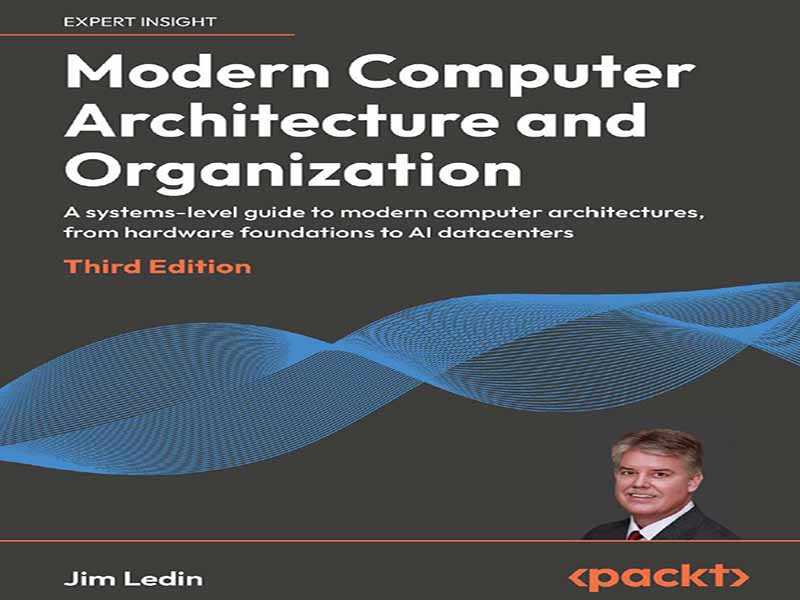
- عنوان کتاب: Modern Computer Architecture and Organization -A systems-level guide to modern computer architectures, from hardware foundations to AI datacenters
- نویسنده: Jim Ledin
- حوزه: معماری کامپیوتر
- سال انتشار: 2026
- تعداد صفحه: 736
- زبان اصلی: انگلیسی
- نوع فایل: pdf
- حجم فایل: 6.34 مگابایت
خوشحالم که ویرایش سوم بهروز شده و گسترشیافتهی «معماری و سازماندهی کامپیوتر مدرن» را ارائه میدهم. نظرات و سوالات خوانندگان از ویرایشهای اول و دوم، بینشهای ارزشمندی را ارائه داده است که به شکلگیری این ویرایش جدید کمک کرده است. از همه کسانی که برای ارائه بازخورد وقت گذاشتند، متشکرم! این ویرایش، فناوریهایی را که از زمان انتشار ویرایش دوم پیشرفت کردهاند، بهروزرسانی میکند و محتوای جدید قابل توجهی را در زمینههای حیاتی معماری کامپیوتر اضافه میکند. فصلهای جدید، تجزیه و تحلیلهای دقیقی از واحدهای پردازش گرافیکی (GPU) و مدلهای زبان بزرگ (LLM) ارائه میدهند. در طول چند سال گذشته، رشد انفجاری هوش مصنوعی (AI) منجر به تغییرات چشمگیری در جهت معماری محاسبات در مقیاس بزرگ شده است. گسترش مراکز داده متمرکز بر هوش مصنوعی در سراسر ایالات متحده و سراسر جهان منجر به تخصیص مقادیر عظیمی از سرمایه، برق و منابع آب به ساخت و بهرهبرداری از این تأسیسات شده است. دو فصل جدید در این ویرایش، توضیحات مفصلی در مورد نحوه عملکرد این سیستمهای هوش مصنوعی، از پایینترین سطوح پردازش موازی GPU، ارائه میدهند. ما الزامات پردازش دقیق یک LLM نمونه (GPT-2 را که ساختاری دارد که اساساً نمایانگر LLM های مرزی فعلی است، تجزیه و تحلیل میکنیم) و الزامات در مقیاس مرکز داده برای فضای فیزیکی، برق و سیستمهای خنککننده را بررسی میکنیم. فصل 10، واحدهای پردازش گرافیکی، GPU های مدرن را هم به عنوان موتورهایی برای تولید صحنههای ویدیویی مصنوعی و هم به عنوان شتابدهندههایی برای آموزش و استنتاج هوش مصنوعی بررسی میکند. این فصل جدید، معماری سختافزاری یک GPU مدرن را از زیرسیستمهای سطح بالای آن که توزیع دادهها و برنامهریزی پردازنده را انجام میدهند تا پردازش دستورالعملهای عمیقاً موازی و سطح پایین آن، بررسی میکند. فصل 15، معماریهای محاسبات مدل زبان بزرگ، معماریهای محاسباتی برای سیستمهای هوش مصنوعی پیشرفته، به ویژه مدلهای زبان بزرگ را بررسی میکند. ما با تجزیه و تحلیل طراحی اولیه LLM شروع میکنیم و از GPT-2 به عنوان یک مطالعه موردی برای نشان دادن ساختار مدل و الزامات پردازش استفاده میکنیم. این فصل، الزامات محاسباتی برای آموزش و استنتاج LLM را بررسی میکند و با تجزیه و تحلیل زیرساخت مرکز داده که زیربنای بزرگترین و پیچیدهترین مدلهای هوش مصنوعی امروزی است، به پایان میرسد. در ادامهی سنت دو ویرایش اول، هر فصل جدید شامل تمرینهای پایان فصل است که برای تعمیق درک شما از مطالب و تقویت مفاهیم کلیدی طراحی شدهاند.
I am pleased to present the updated and expanded third edition of Modern Computer Architecture and Organization. Reader comments and questions from the first and second editions have provided valuable insights that helped shape this new edition. Thank you to everyone who took the time to offer feedback! This edition updates technologies that have advanced since the publication of the second edition and adds substantial new content on critical areas of computer architecture. New chapters provide detailed analyses of Graphics Processing Units (GPUs) and Large Language Models (LLMs). Over the last few years, the explosive growth of artificial intelligence (AI) has led to drastic shifts in the direction of large-scale computing architecture. The expansion of AI-focused datacenters across the United States and around the world has led to the allocation of enormous quantities of capital, electricity, and water resources to the construction and operation of these facilities. The two new chapters in this edition provide detailed explanations of how these AI systems operate, beginning at the lowest levels of GPU parallel processing. We examine the detailed processing requirements of an example LLM (we analyze GPT-2, which has a structure that substantially represents current frontier LLMs) and datacenter-scale requirements for physical space, electrical power, and cooling systems. Chapter 10, Graphics Processing Units, examines modern GPUs both as engines for generating synthetic video scenes and as accelerators for AI training and inference. This new chapter explores the hardware architecture of a modern GPU, from its high-level subsystems that perform data distribution and processor scheduling to its deeply parallel, low-level instruction processing. Chapter 15, Large Language Model Computing Architectures, explores computing architectures for advanced artificial intelligence systems, specifically large language models. We begin by analyzing early LLM design, using GPT-2 as a case study to illustrate model structure and processing requirements. The chapter examines the computational demands for LLM training and inference, concluding with an analysis of the datacenter infrastructure underpinning today’s largest and most sophisticated AI models. Continuing the tradition of the first two editions, each new chapter contains end-of-chapter exercises designed to deepen your understanding of the material and reinforce key concepts.
این کتاب را میتوانید از لینک زیر بصورت رایگان دانلود کنید:
























نظرات کاربران