











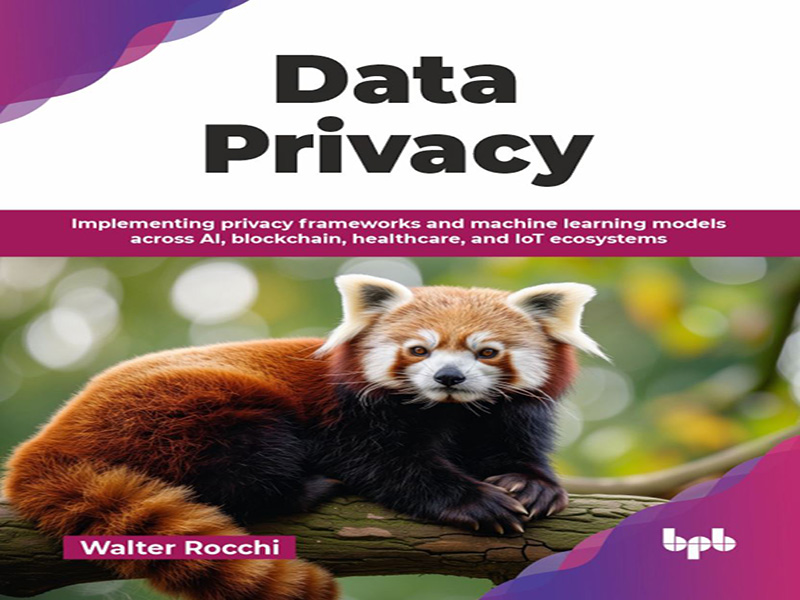
- عنوان کتاب: Data Privacy
- نویسنده: Walter Rocchi
- حوزه: حریم خصوصی
- سال انتشار: 2026
- تعداد صفحه: 524
- زبان اصلی: انگلیسی
- نوع فایل: pdf
- حجم فایل: 3.83 مگابایت
این کتاب از یک مشاهده ساده و ناراحتکننده متولد شد: زندگی ما اکنون بر اساس دادههای برهنه جریان دارد. هر سفر، تشخیص، پیام و کلیک، ردپاهایی را به جا میگذارد که سریعتر از آنچه اکثر مردم میتوانند یک اطلاعیه حریم خصوصی را بخوانند، جمعآوری، نمایهسازی و درآمدزایی میشوند. در عین حال، مهندسان، دانشمندان داده و رهبران کسبوکار تحت فشار قرار میگیرند تا با هوش مصنوعی، اتوماسیون، اینترنت اشیا و وسایل نقلیه متصل، اغلب بدون ابزارهایی برای ایجاد حریم خصوصی و امنیت از ابتدا، به سرعت پیش بروند. این تنش بین نوآوری و حفاظت، مشکل اصلی است که این کتاب سعی در حل آن دارد. هدف، کاربردی است. این کتاب به جای اضافه کردن یک رساله انتزاعی دیگر در مورد حفاظت از دادهها، به معماریها، حملات، مقررات و تصمیمات طراحی ملموسی میپردازد که متخصصان هر روز با آن مواجه هستند. هر فصل به گونهای نوشته شده است که یک مسئول حریم خصوصی، مهندس امنیت، حسابرس یا مدیر محصول بتواند آن را دریافت کند، محیط خود را تشخیص دهد و با الگوها، چک لیستها و مدلهای ذهنی که واقعاً به کارشان منتقل میشوند، آن را ترک کند. تمرکز بر عملیاتی کردن حریم خصوصی در سیستمهای هوش مصنوعی، پلتفرمهای ابری، استقرار اینترنت اشیا، محیطهای مراقبتهای بهداشتی و پروژههای تحرک هوشمند است – نه فقط مطابق با کاغذ. فصل ۱: منشأ حریم خصوصی دادهها – این فصل ریشههای تاریخی و فلسفی حریم خصوصی را از تمدنهای باستانی تا دوران روشنگری با فیلسوفانی مانند جان لاک، روسو و هابز بررسی میکند. این فصل تکامل مفهوم را از حق مالکیت تا حق مدرنِ تنها ماندن و چالشهای ناشی از نوآوریهای تکنولوژیکی قرن بیستم مانند عکاسی و چاپ تجزیه و تحلیل میکند. فصل ۲: وضعیت پایدار – تمرکز به تمایز بین حریم خصوصی و حفاظت از دادهها تغییر میکند و ارکان امنیت سایبری معروف به سهگانه CIA (محرمانه بودن، یکپارچگی، در دسترس بودن) را معرفی میکند. حاکمیت شرکتی و چشمانداز نظارتی جهانی، با توجه ویژه به GDPR، LGPD برزیل و CCPA کالیفرنیا و همچنین اصول پاسخگویی، بررسی میشوند. فصل ۳: طبقهبندی دادهها – راهنماییهای عملی در مورد نحوه سازماندهی داراییهای اطلاعاتی بر اساس حساسیت آنها (عمومی، حساس یا محرمانه/PHI) ارائه میشود. این فصل بر اهمیت مدیریت ریسک تأکید میکند و حداقل الزامات حفاظتی را برای هر دسته تعریف میکند و نحوه مدیریت دادهها در طول انتقال، ذخیرهسازی و دفع را توضیح میدهد. فصل ۴: تأثیر قوانین حفظ حریم خصوصی بر فعالیتهای دادهای – این فصل کل چرخه حیات دادهها (از اکتساب تا حذف) و اهمیت مدیریت دادهها را تجزیه و تحلیل میکند. این فصل مفهوم طرح مدیریت دادهها (DMP) را معرفی میکند و بین مدیریت جهانی (منطق کسبوکار متمرکز) و مدیریت محلی (ابزارهای خاص) تمایز قائل میشود و نحوه رسیدگی به چالشهای رایج مدیریت دادهها را برجسته میکند. فصل ۵: ناشناسسازی – تکنیکهای محافظت از اطلاعات قابل شناسایی، از تاریخچه رمزنگاری (الگوریتمهایی مانند AES، DES و RSA) تا روشهای پیشرفتهای مانند رمزگذاری کاملاً همومورفیک (FHE) بررسی میشوند. این فصل همچنین پوشش دادهها (استاتیک و پویا) و تولید دادههای مصنوعی برای هوش مصنوعی را پوشش میدهد. فصل ۶: ظهور اتوماسیون – این فصل در مورد مدیریت طیف قابلیت شناسایی دادهها بحث میکند و چارچوب پنج امن (طرحهای امن، افراد امن، تنظیمات امن، دادههای امن و نتایج امن) را برای اشتراکگذاری مسئولانه دادهها معرفی میکند. همچنین مهندسی حریم خصوصی، مستعارسازی و استفاده از شناسههای بیومتریک و ژنومی را بررسی میکند. فصل 7: یادگیری ماشین و برنامهنویسی امن – ادغام یادگیری ماشین (ML) در توسعه نرمافزار امن در سراسر چرخه عمر توسعه نرمافزار (SDLC) بررسی میشود. این فصل به تکنیکهای یادگیری ماشین با حفظ حریم خصوصی (PPML)، مانند یادگیری فدرال و حریم خصوصی تفاضلی، میپردازد و ابزارهای کاربردی مانند حریم خصوصی PySyft و TensorFlow را معرفی میکند. فصل 8: حریم خصوصی در بلاکچین – این فصل آسیبپذیریها و تهدیدهای فناوری بلاکچین را تجزیه و تحلیل میکند و طبقهبندی خطرات (آسیبپذیریهای کلاینتها، مکانیسمهای اجماع و غیره) را ارائه میدهد. بلاکچین را با گراف هش مقایسه میکند و موارد استفاده انقلابی را در بخشهایی مانند امور مالی، مراقبتهای بهداشتی و مدیریت زنجیره تأمین نشان میدهد. فصل 9: جاسازی حریم خصوصی در بلاکچین – در ادامه تجزیه و تحلیل بلاکچین، این فصل کاربردهای خاص برای محیط زیست، خدمات عمومی، اینترنت اشیا (IoT)، رسانه (در برابر اخبار جعلی) و اقتصاد بازی را بررسی میکند. همچنین یک راهنمای سطح بالا در مورد نحوه ایجاد بلاکچین خود ارائه میدهد. فصل 10: حریم خصوصی در مراقبتهای بهداشتی – این فصل، امنیت مراقبتهای بهداشتی را از دیدگاه هکرها بررسی میکند و خطرات دستکاری تجهیزاتی مانند اسکن MRI و PET را تجزیه و تحلیل میکند. این فصل در مورد تأثیر نقض دادهها بر مرگ و میر بیماران، مسائل مربوط به شناسایی مجدد در مجموعه دادههای پزشکی و نقش هوش مصنوعی در بهبود دقت تشخیص بحث میکند. فصل 11: حریم خصوصی و امنیت در اینترنت اشیا – تمرکز بر چالشهای امنیتی حسگرهای بیسیم است.
This book was born from a simple, uncomfortable observation: our lives now run on naked data. Every trip, diagnosis, message, and click leaves traces that are collected, profiled, and monetized faster than most people can read a privacy notice. At the same time, engineers, data scientists, and business leaders are pushed to move fast with AI, automation, IoT, and connected vehicles, often without the tools to build privacy and security in from the start. This tension between innovation and protection is the core problem this book tries to solve. The aim is practical. Rather than adding another abstract treatise on data protection, this book walks through concrete architectures, attacks, regulations, and design decisions that practitioners face every day. Each chapter is written so that a privacy officer, security engineer, auditor, or product manager can pick it up, recognize their own environment, and leave with patterns, checklists, and mental models that actually transfer into their work. The focus is on making privacy operational in AI systems, cloud platforms, IoT deployments, healthcare environments, and smart mobility projects—not just compliant on paper. Chapter 1: Origin of Data Privacy- This chapter explores the historical and philosophical roots of privacy, from ancient civilizations to the enlightenment era with philosophers such as John Locke, Rousseau, and Hobbes. It analyzes the evolution of the concept from the right to property to the modern right to be left alone and the challenges posed by 20thcentury technological innovations such as photography and printing. Chapter 2: The Steady State- The focus shifts to the distinction between privacy and data protection, introducing the pillars of cybersecurity known as the CIA triad (confidentiality, integrity, availability). Corporate governance and the global regulatory landscape are examined, with particular attention to the GDPR, the Brazilian LGPD, and the California CCPA, as well as principles of accountability. Chapter 3: Data Classification- Practical guidance is provided on how to organize information assets based on their sensitivity (public, sensitive, or confidential/PHI). The chapter emphasizes the importance of risk management and defines minimum protection requirements for each category, explaining how to handle data during transmission, storage, and disposal. Chapter 4: Impact of Privacy Laws on Data Activities- This chapter analyzes the entire data lifecycle (from acquisition to deletion) and the importance of data governance. It introduces the concept of a data management plan (DMP) and distinguishes between global (centralized business logic) and local (specific tools) governance, highlighting how to address common data management challenges. Chapter 5: Anonymization- Techniques for protecting identifiable information are examined, from the history of cryptography (algorithms such as AES, DES, and RSA) to advanced methods such as fully homomorphic encryption (FHE). The chapter also covers data masking (static and dynamic) and the generation of synthetic data for artificial intelligence. Chapter 6: Rise of Automation- The chapter discusses managing the data identifiability spectrum and introduces the Five Safes framework (safe designs, safe people, safe settings, safe data, and safe outcomes) for responsible data sharing. It also explores privacy engineering, pseudonymization, and the use of biometric and genomic identifiers. Chapter 7: Machine Learning and Secure Programming- The integration of machine learning (ML) into secure software development is explored across the software development lifecycle (SDLC). The chapter delves into privacy-preserving machine learning (PPML) techniques, such as federated learning and differential privacy, and introduces practical tools such as PySyft and TensorFlow Privacy. Chapter 8: Privacy in Blockchain- This chapter analyzes the vulnerabilities and threats of blockchain technology, providing a taxonomy of risks (vulnerabilities of clients, consensus mechanisms, etc.). It compares blockchain to Hash graph and illustrates revolutionary use cases in sectors such as finance, healthcare, and supply chain management. Chapter 9: Embedding Privacy into Blockchain- Continuing the analysis of blockchain, this chapter explores specific applications for the environment, public services, the Internet of Things (IoT), media (against fake news), and the gaming economy. It also offers a high-level guide on how to create your own blockchain. Chapter 10: Privacy in Healthcare- It examines healthcare security from the hackers’ perspective, analyzing the risks of tampering with equipment such as MRI and PET scans. It discusses the impact of data breaches on patient mortality, re-identification issues in medical datasets, and the role of artificial intelligence in improving diagnostic accuracy. Chapter 11: Privacy and Security in the Internet of Things- The focus is on the security challenges of wireless sensor networks (WSNs) and home automation. Strategies for securing home routers (MFA, WPA3 encryption) are suggested, and notorious attacks such as the Mirai botnet and physical layer denial-of-service (DoS) attacks are analyzed. Chapter 12: Privacy in Automotive- Analyzes the massive data collection in modern vehicles (telematics, infotainment, ADAS) and regulations such as ISO/SAE 21434. Discusses the concept of Secure by Design, the challenges of driverless taxis, and analyzes hacking tools such as Flipper Zero. from an ethical perspective. Chapter 13: Setting up a Proper Privacy Framework with Monster Mesh- Provides guidelines for choosing and implementing a privacy framework (such as NIST or ISO 27701) that suits your business needs. The chapter covers third-party vendor management, the importance of data processing agreements (DPAs), and the creation of records of processing activities (RoPAs). Chapter 14: Upcoming Future- Explores emerging frontiers such as genomics (genetic passports) and roboethics. It addresses the ethical implications of precision medicine, Asimov’s laws of robotics, and the controversial debate over sex robots and consent. Chapter 15: Case Studies- The book concludes with an analysis of real world cases (such as the Facebook-Cambridge Analytica scandal) and hypothetical scenarios for concretely applying the principles of the GDPR and other privacy laws discussed in previous chapters. In conclusion, managing data privacy in an interconnected world is like building and maintaining a medieval castle in the digital age: it is not enough to erect thick walls (encryption and firewalls), but it is necessary to know every secret passage (data flows), train the guards (employee training), have fair laws governing the fiefdom (regulatory frameworks), and know that, with the advent of new siege engines (artificial intelligence and hackers), the defense system must constantly evolve to protect the most precious treasure: the dignity and identity of its inhabitants.
این کتاب را میتوانید از لینک زیر بصورت رایگان دانلود کنید:
Download: Data Privacy
























نظرات کاربران