













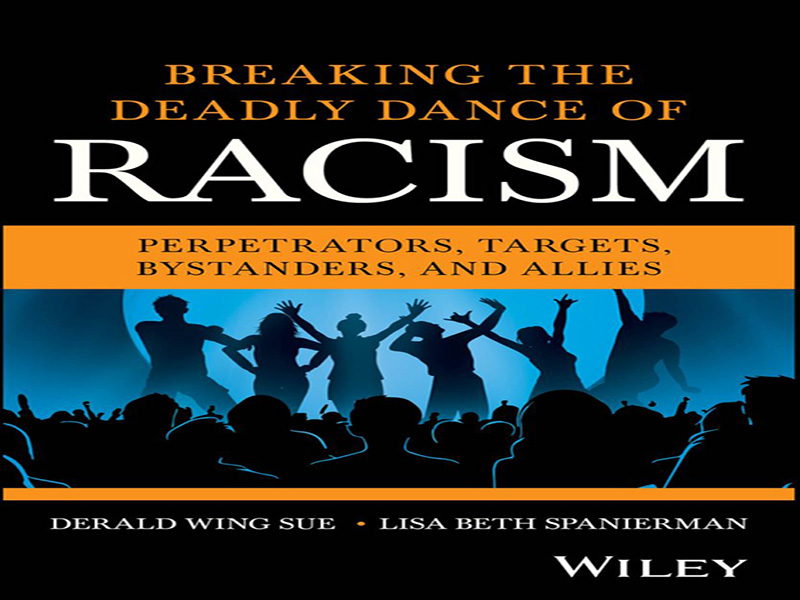
- عنوان کتاب: Breaking the Deadly Dance of Racism
- نویسنده: Derald Wing Sue, Lisa Beth Spanierman
- حوزه: نژادپرستی
- سال انتشار: 2026
- تعداد صفحه: 486
- زبان اصلی: انگلیسی
- نوع فایل: pdf
- حجم فایل: 3.25 مگابایت
در طول تاریخ ایالات متحده، دورههای پیشرفت نژادی اغلب با واکنشهای سریع و تهاجمی مواجه شدهاند. ما بار دیگر در چنین لحظهای زندگی میکنیم. جنبش «آمریکا را دوباره بزرگ کنیم» (MAGA) به طور فعال قوانین و سیاستهای ضد تبعیض را که به سختی به دست آمده بودند، از بین برده و تأثیر منفی بر سازمانهای فدرال، آموزش، قانون، مراقبتهای بهداشتی و جامعه مدنی گذاشته است. این عقبنشینیها نه تنها گفتمان را خفه میکند، بلکه پیامدهای عمیقی برای رنگینپوستان (POC) و سایر جوامع به حاشیه رانده شده که با تهدیدهای فزایندهای برای حقوق، امنیت و کرامت خود روبرو هستند، به همراه دارد. با انتخاب مجدد ترامپ، این تهدیدها از طریق دستورات اجرایی با هدف پایان دادن به شهروندی مبتنی بر حق تولد، ترویج اخراجهای گسترده مهاجران، سرکوب برنامههای DEI، محدود کردن بودجههای تحقیقاتی و ممنوعیت اصطلاحاتی مانند «تعصب»، «تبعیض» و «نژادپرستی» در اسناد عمومی تشدید شدهاند. سازمانهای فدرال ارجاعات به مفاهیم کلیدی حقوق مدنی را حذف کرده و یادبودهای عمومی از تاریخ نظامی سیاهپوستان، مانند یادبودها و عکسهای خلبانان تاسکیگی را حذف کردهاند. این تحولات قرن بیست و یکم، نشانهای از بازگشت به گذشته نیست، بلکه بر تداوم سلطه نژادی از طریق تاکتیکهای حذف، سانسور و کنترل اقتدارگرایانه تأکید میکند. این تغییرات سیاستی نه تنها نهادها را تغییر شکل داده، بلکه فضای فرهنگی شکایت، حق به جانب بودن و رنجش نژادی را نیز تقویت کرده است. در سراسر کشور، افراد با پذیرش دیدگاهی مبتنی بر مجموع صفر از عدالت، رویکردی تغییر یافته از قربانی بودن سفیدپوستان را اتخاذ کردهاند که تقاضا برای عدالت را تهدیدی برای جایگاه آنها میداند. جرایم ناشی از نفرت و خشونت مبتنی بر هویت، در کنار افزایش لفاظیهای غیرانسانی و تعصب عادیسازی شده توسط رهبران سیاسی، چهرههای رسانهای و شهروندان عادی، افزایش یافته است. این پویاییها نه تنها نشاندهنده تداوم ستم نژادی و جنسیتی، بلکه نشاندهنده انفعال گسترده کسانی است که سکوت را به عمل ترجیح میدهند. بیتفاوتی نسبت به بیعدالتی، همانطور که تاریخ به ما یادآوری میکند، نوعی همدستی است. رهبران اخلاقی مدتهاست که در مورد خطرات بیطرفی در مواجهه با بیعدالتی هشدار دادهاند. برندگان جایزه صلح نوبل، دکتر مارتین لوتر کینگ جونیور و اسقف اعظم دزموند توتو، هر دو این افسانه را که نجابت به تنهایی کافی است، به چالش کشیدند و از افراد خواستند که با اعتقاد راسخ عمل کنند. همانطور که دکتر کینگ هشدار داد، «ما در این نسل نه تنها باید به خاطر سخنان و اعمال نفرتانگیز افراد بد، بلکه به خاطر سکوت وحشتناک افراد خوب نیز توبه کنیم.» به همین ترتیب، توتو به ما یادآوری کرد که «بیطرف بودن به معنای جانبداری از ستمگر است.» وقتی حوادث نژادپرستانه رخ میدهد – چه آشکار و چه پنهان، عمدی یا غیرعمدی – اغلب بدون اینکه به چالش کشیده شوند، اجازه بروز پیدا میکنند. سکوت اجازه میدهد بیعدالتی نژادی ادامه یابد، نشانهای از تأیید منفعلانه است و نوید برابری در یک دموکراسی چند نژادی را از بین میبرد. حتی در مواجهه با خشونت فزاینده و آزار و اذیت سیاسی، ما بدون قدرت نیستیم. موج فعلی عقبنشینی نژادی چیز جدیدی نیست. اجداد و بزرگان ما تهدیدهای مشابهی را تحمل کردهاند و از تسلیم شدن خودداری کردهاند. ما از سنت دیرینه مقاومت الهام میگیریم – از مبارزه نترس آیدا بی. ولز علیه ترور نژادی گرفته تا مفهوم بقا جرالد ویزنور که حضور و مقاومت بومیان را در مواجهه با استعمار تأیید میکند، و تا سازماندهی دولورس هوئرتا برای عزت و حقوق کارگران مزرعه. این چهرهها از سکوت امتناع ورزیدند، شهادت دادند و الگویی از معنای عمل با شفافیت اخلاقی در مواجهه با بیعدالتی سیستماتیک ارائه دادند. میراث آنها نقشه راهی برای اقدامات خودمان ارائه میدهد. امروز، ما باید از آن تبار الهام بگیریم و نژادپرستی را در تمام سطوح به چالش بکشیم. قطع نژادپرستی به معنای نامگذاری آن، مقاومت در برابر آن و مختل کردن شرایط نهادی و رابطهای است که به آن اجازه شکوفایی میدهد. این ضرورت اخلاقی زمان ماست. با این روحیه، ما این کتاب را به عنوان سهمی در مبارزه طولانی و ناتمام برای عدالت نژادی ارائه میدهیم. شکستن رقص مرگبار نژادپرستی در بحبوحه تجدید حیات شکایت سفیدپوستان، اقتدارگرایی رو به رشد و تلاشهای گسترده برای ساکت کردن کسانی که بیعدالتی را به چالش میکشند، پدیدار میشود. ما این متن را نه تنها برای نام بردن از الگوهایی که نژادپرستی را تقویت میکنند، نوشتیم، بلکه برای کمک به خوانندگان جهت تشخیص جایگاه خود در درون آن الگوها، تأمل در نقشهایشان و انجام اقدامات آگاهانه نیز نوشتیم. چارچوبی که ما ارائه میدهیم، ریشه در دههها پژوهش، عمل و تجربه زیسته دارد و با تعهد مشترک ما برای صحبت با وضوح، مقاومت در برابر همدستی و تکیه بر میراث کسانی که پیش از ما آمدهاند، شکل گرفته است. هدف ما حمایت از کسانی است که آمادهاند با شجاعت، وضوح و تعهد به اقدام جمعی، در این میراث مقاومت گام بردارند. در قلب این چارچوب، استعاره راهنمای ما این است که نژادپرستی مانند یک رقص عمل میکند. این صرفاً موضوع تعصب یا نیت فردی نیست، بلکه مجموعهای الگودار از نقشها، ریتمها و پاسخهایی است که در روابط و سیستمها تکرار، آموخته و تقویت میشوند. در این رقصآرایی، عاملان، اهداف، تماشاگران و متحدان سفیدپوست، هر کدام به گونهای حرکت میکنند که …
Throughout US history, periods of racial progress have often been met with swift and aggressive backlash. We are once again living through such a moment. The Make America Great Again (MAGA) movement has actively dismantled hard‐won anti‐discrimination laws and policies, creating a chilling effect across federal agencies, education, law, healthcare, and civil society. These rollbacks not only stifle discourse but also carry profound consequences for People of Color (POC) and other marginalized communities, who face escalating threats to their rights, safety, and dignity. With Trump’s re‐election, these threats have intensified through executive orders aimed at ending birthright citizenship, promoting mass deportations of immigrants, suppressing DEI programs, restricting research funds, and banning terms such as “bias,” “discrimination,” and “racism” in public documents. Federal agencies have purged references to key civil rights concepts and removed public commemorations of Black military history, such as memorials and photographs of the Tuskegee Airmen. These 21stcentury developments do not signal a return to the past but instead affirm the persistence of racial domination through tactics of erasure, censorship, and authoritarian control. These policy changes have not only reshaped institutions but have also emboldened a cultural climate of grievance, entitlement, and racial resentment. Across the country, individuals have adopted a rebranded posture of white victimhood, embracing a zero‐sum view of equity that treats demands for justice as threats to their status. Hate crimes and identitybased violence have surged alongside a rise in dehumanizing rhetoric and normalized bias by political leaders, media figures, and everyday citizens. These dynamics reflect not only the persistence of racial and gendered oppression but also the widespread passivity of those who choose silence over action. Indifference to injustice, as history reminds us, is a form of complicity. Moral leaders have long warned of the dangers of neutrality in the face of injustice. Nobel Peace Prize laureates Dr. Martin Luther King Jr. and Archbishop Desmond Tutu both challenged the myth that decency alone is enough and called on individuals to act with conviction. As Dr. King warned, “We will have to repent in this generation not merely for the hateful words and actions of the bad people but for the appalling silence of the good people.” Similarly, Tutu reminded us that “To be neutral is to take the side of the oppressor.” When racist incidents occur—whether overt or covert, intentional or unintentional—they are far too often allowed to unfold without being challenged. Silence allows racial injustice to persist, signals passive approval, and erodes the promise of equity in a multiracial democracy. Even in the face of escalating violence and political persecution, we are not without strength. The current wave of racial retrenchment is not new. Our ancestors and elders have endured similar threats and refused to capitulate. We draw inspiration from a long tradition of resistance—from Ida B. Wells’s fearless crusade against racial terror to Gerald Vizenor’s concept of survivance, which affirms Indigenous presence and resistance in the face of colonization, to Dolores Huerta’s organizing for the dignity and rights of farmworkers. These figures refused silence, bore witness, and modeled what it means to act with moral clarity in the face of systemic injustice. Their legacies offer a roadmap for our own actions. Today, we must draw on that lineage and challenge racism at all levels. Interrupting racism means naming it, resisting it, and disrupting the institutional and relational conditions that allow it to flourish. This is the moral imperative of our time. In this spirit, we offer this book as one contribution to the long and unfinished struggle for racial justice. Breaking the Deadly Dance of Racism emerges amid a resurgence of white grievance, growing authoritarianism, and widespread efforts to silence those who challenge injustice. We wrote it not only to name the patterns that uphold racism, but also to help readers recognize their place within those patterns, reflect on their roles, and take informed action. The framework we offer is grounded in decades of scholarship, practice, and lived experience and shaped by our shared commitment to speak with clarity, resist complicity, and build on the legacies of those who came before us. Our aim is to support those who are ready to step into this legacy of resistance with courage, clarity, and a commitment to collective action. At the heart of this framework is our guiding metaphor that racism operates like a dance. It is not simply a matter of individual bias or intent, but a patterned set of roles, rhythms, and responses that are repeated, learned, and reinforced across relationships and systems. In this choreography, perpetrators, targets, bystanders, and white allies each move in ways that either sustain or disrupt racial injustice. These roles are interactive and shaped by institutional scripts and cultural ground rules that elevate whiteness while diminishing other ways of knowing and being. We chose this metaphor because it illuminates how racism is relational and systemic, and because it gives us language to explore how people can learn new steps, change their role, or disrupt the choreography altogether. A distinguishing feature of this book is its emphasis on action. While conceptual clarity is vital, it is not enough. Across the chapters, we extend the concept of microinterventions—small, everyday acts that individuals can use to disarm bias, interrupt racism, and shift harmful dynamics in real time. We also introduce the concept of racial microprotections, which are developmentally grounded practices that help children resist internalizing racial dominance and instead cultivate resilience rooted in antiracist values. These tools, featured in Part IV, are designed for use in education, healthcare, human resources, and community settings for those seeking ways to move from awareness to accountability. Throughout the book, we offer strategies that support readers in translating intention into action, whether they are addressing racism in the moment or preparing the next generation to confront it with clarity and courage. We envision this book reaching a wide range of readers who seek to deepen their critical consciousness and take part in the collective work of dismantling racism. Our framework speaks to educators, mental health practitioners, healthcare providers, human resource professionals, and everyday citizens. Breaking the Deadly Dance of Racism can serve as a primary or supplemental text in programs across education, social work, counseling and clinical psychology, communication, and medicine. It is also relevant for workshops, trainings, and courses that address white allyship, bystander intervention, systemic oppression, bullying, harassment, and workplace equity. Because of its metaphorical framing and practical emphasis, we hope the book resonates beyond the classroom, especially with those working to build inclusive institutions and empowered communities. Whether readers are just beginning their racial justice journey or seeking deeper clarity and courage, we offer these insights as a path toward reflection and action—and as a shared language for disrupting the choreography of racism in everyday life.
این کتاب را میتوانید از لینک زیر بصورت رایگان دانلود کنید:
Download: Breaking the Deadly Dance of Racism























نظرات کاربران