











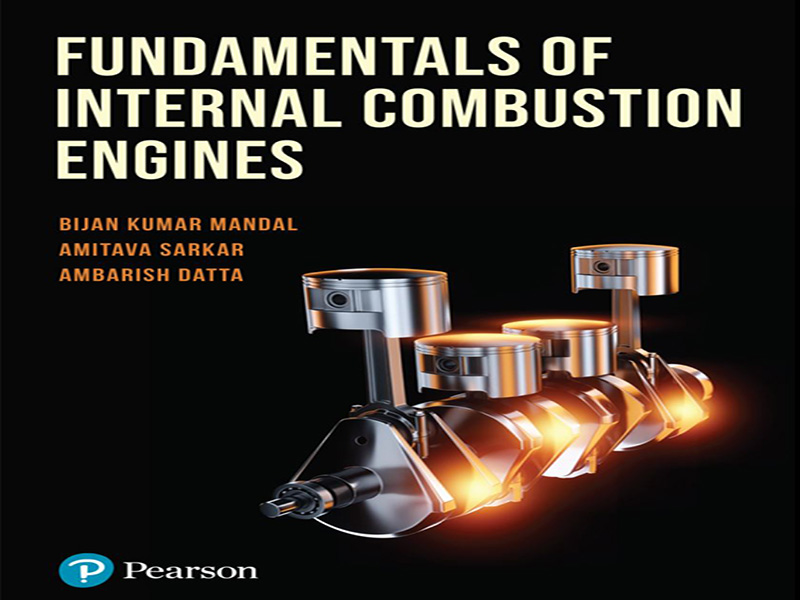
- عنوان کتاب: Fundamentals of Internal Combustion Engines
- نویسنده: Bijan Kumar Mandal, Amitava Sarkar
- حوزه: موتورهای احتراق
- سال انتشار: 2026
- تعداد صفحه: 1335
- زبان اصلی: انگلیسی
- نوع فایل: pdf
- حجم فایل: 19.0 مگابایت
موضوع موتورهای احتراق داخلی، ترکیبی عملی از بسیاری از زمینههای مهندسی مانند ترمودینامیک و احتراق، مکانیک سیالات و انتقال حرارت، مکانیک، تحلیل تنش، علم مواد و الکترونیک است. تحقیقات گسترده روی موتورها از همه این زمینههای مرتبط، طی دههها، به ایجاد یک پایگاه داده قوی که طراحی موتورهای مدرن بر اساس آن تکامل یافته است، ادامه داده است. در میان محرکهای اصلی مهم، کار توسعه روی موتورهای احتراق داخلی، چه از نوع دوار و چه رفت و برگشتی، شاهد تغییرات عمدهای بوده است، در درجه اول به این دلیل که تمرکز توسعه از دستیابی به احتراق تقریباً کامل به احتراقی که میتواند استانداردهای سختگیرانه آلودگی را برآورده کند، تغییر یافته است. به عنوان مثال، این تغییر تمرکز منجر به محو شدن تقریباً کامل کاربراتور در موتورهای SI شد و فضایی را برای ظهور انژکتورهای سوخت با کارایی بالا فراهم کرد. احتراق رقیق به دلیل جنبههای اقتصادی و همچنین سازگار با محیط زیست، به طور مفصل مورد مطالعه قرار گرفت. با این حال، برای دستیابی به مزایای مرتبط با فناوری احتراق رقیق، نسبت همارزی باید به کمتر از 0.7 کاهش مییافت. این اغلب با مشکلات ناپایداری احتراق همراه است. در نتیجه، مفاهیم جدیدی مانند موتورهای با بار لایهای و غیره به طور کامل در حال بررسی هستند. انتظار میرود که برخی از آنها به زودی برای موتورهای خودرو به کار گرفته شوند. در سمت پایین دست اگزوز، گازهای تولیدی دیگر مانند گذشته اجازه ندارند به سادگی از موتور خارج شوند. قبل از تخلیه به جو، باید تصفیه شوند. راکتورهای حرارتی در این زمینه پیشگام بودند. به زودی آنها به سرعت با مبدلهای کاتالیزوری جایگزین شدند. استفاده از مبدلهای کاتالیزوری سهگانه مرسومتر، ایجاب میکند که برای عملکرد کارآمد، موتور باید تحت شرایط احتراق استوکیومتری کار کند. این امر راه را برای ظهور کنترل بازخورد الکترونیکی در زمینه موتورهای احتراق داخلی باز کرد. سیستم احتراق، که نمونهای از موتورهای SI معمولی است، نیز دستخوش تغییرات عمدهای شده و اجزایی مانند نقاط قطع مکانیکی از نقطه نظر عملکرد در سرعتهای بالا کنار گذاشته شدهاند. این امر منجر به استفاده گسترده از مبدلهای سفارشی و سیستمهای کنترل پیچیده در یک موتور SI مدرن شد. موتور CI معمولی بیش از چند دهه به طور رضایتبخشی از سیستم مرسوم «پمپ و نازل جداگانه» استفاده میکرد. در حالی که استفاده از چنین نوع انژکتورهای معمولی هنوز برای موتورهای دیزلی با اندازه بزرگ وجود دارد، موتورهای کوچک و متوسط امروزه با «فناوری ریل مشترک» ساخته میشوند. باز هم، استفاده گسترده از سختافزار و کنترلهای الکترونیکی، راه را برای موتورهای جمعوجورتر و با راندمان بالا هموار کرد. اساس ترمودینامیکی تحلیل در طول سالها تغییر نکرده و انتظار نمیرود که تغییر کند، اما جنبه احتراق اکنون گسترش یافته است. مکانیک سیالات جریان از طریق موتور که شامل فرآیندهای ورودی و خروجی و حرکت بار درون سیلندرها و نقش تلاطم است، دوباره ارزیابی میشوند. در حالی که توضیحات بالا تنها برخی از روندهای مهم در زمینه تحقیقات موتور را برجسته میکند، برخی از زمینههای توسعه دیگر مانند تحقیق در مورد توسعه مواد، جنبههای ساختاری، نویز و آکوستیک و غیره معمولاً جایی در متون رایجتر موتور احتراق داخلی پیدا نمیکنند. این کتاب درسی که عمدتاً برای دانشجویان کارشناسی مهندسی نوشته شده است، رویکردی مدرن برای مطالعه موتورهای احتراق داخلی ارائه میدهد. متخصصان شاغل در صنایع مختلف خودرو یا مرتبط نیز این کتاب را مفید خواهند یافت. مطالب شامل اصول اولیه رایجترین انواع موتورهای احتراق داخلی با تأکید عمده بر انواع رفت و برگشتی است. بحث سطح اول در مورد جنبههای ابتدایی توربین گازی نیز گنجانده شده است. هدف این کتاب، بهکارگیری اصول ترمودینامیک پایه و مکانیک سیالات در تجزیه و تحلیل موتورهای احتراق داخلی است. همچنین یک فصل اختصاصی در مورد کنترل و دستگاههای الکترونیکی گنجانده شده است تا دانشجویان با دانش اولیه در مورد عملکرد سیستمهای کنترل در موتورها آشنا شوند. مسائل عددی در هر کجا که ممکن بوده گنجانده شده است. نیازی به گفتن نیست که تعدادی از منابع در طول تهیه مطالب متنی و مسائل عددی مرتبط استفاده شدهاند. به دلیل کمبود فضا، همه آنها در فهرست منابع قرار نگرفتهاند، اما نویسندگان از آنها سپاسگزاری میکنند.
The subject of internal combustion engines is a practical agglomeration of many of the fields of engineering such as thermodynamics and combustion, fluid mechanics and heat transfer, mechanics, stress analysis, material science and electronics. Extensive research on the engines from all these allied fields, over the decades, continued to pour in to generate a strong database on which the design of modern engines has evolved. Among the important prime movers, the development work on internal combustion engines, both rotary and reciprocating types, has witnessed major changes primarily due to the fact that the development focus has shifted from achieving near complete combustion to one that can meet stringent pollution norms. This shift in focus, for example, led to the near-complete eclipse of the carburettor in SI engines yielding space for the advent of high performance fuel injectors. Lean combustion began to be studied in detail because of its economical as well as environment-friendly aspects. However, for achieving the benefits associated with lean combustion technology, the equivalence ratio needed to be brought down to below 0.7. This is often associated with combustion instability problems. Consequently, new concepts like stratified charge engines etc. are being thoroughly investigated. It is expected that some of them will be in place shortly for automotive engines. On the downstream side of the exhaust, product gases are no more allowed to be simply discharged out of the engine, as was the case earlier. It has to be treated before it can be discharged into the atmosphere. Thermal reactors were the forerunners in this regard. Soon those were promptly replaced by catalytic converters. The use of the more conventional threeway catalytic converters dictates that for its efficient operation, the engine must be operated under stoichiometric combustion condition. This opened up the way for the advent of electronic feedback control in the field of internal combustion engines. Ignition system, typical of conventional SI engines, has also undergone major changes and components like mechanical breaker points have been left out from the point of view of operation at high speeds. These led to the extensive use of tailor-made transducers and complex control systems in a modern SI engine. The conventional CI engine satisfactorily used the conventional ‘Individual pump and nozzle system’ for over a few decades. While the use of such conventional type of injectors are still in place for large size diesel engines, small and medium size engines are nowadays built with ‘Common Rail Technology’. Again the extensive use of electronic hardware and controls paved the way for more compact, high efficiency engines. The thermodynamic basis of the analysis has not changed over the years and is not expected to change either but the combustion aspect has now been extended. The fluid mechanics of flow through the engine which includes the intake and exhaust processes and charge motion within the cylinders and the role of turbulence are being assessed afresh. While the above description highlights only some of the important trends in the field of engine research, some other development areas like research on the material development, structural aspects, noise and acoustics etc. do not usually find a place in the more common texts of internal combustion engine. This textbook, written mainly for the undergraduate students of engineering, presents a modern approach to the study of internal combustion engines. The working professionals in different automobile or related industries will also find this book useful. The contents include the fundamentals of the most common types of internal combustion engine with a major emphasis on the reciprocating variety. A first level discussion on the elementary aspects of gas turbine has also been included. The purpose of this book is to apply the principles of basic thermodynamics and fluid mechanics to the analysis of internal combustion engines. We have also included a dedicated chapter on electronic control and devices so that students get an exposure to an elementary knowledge about the functioning of control systems in engines. Numerical problems have been incorporated wherever possible. Needless to say, that a number of source materials have been used during preparation of the text material and the associated numerical problems. Not all of them find place in the list of references due to the paucity of space but the authors gratefully acknowledge them.
این کتاب را میتوانید از لینک زیر بصورت رایگان دانلود کنید:
























نظرات کاربران