










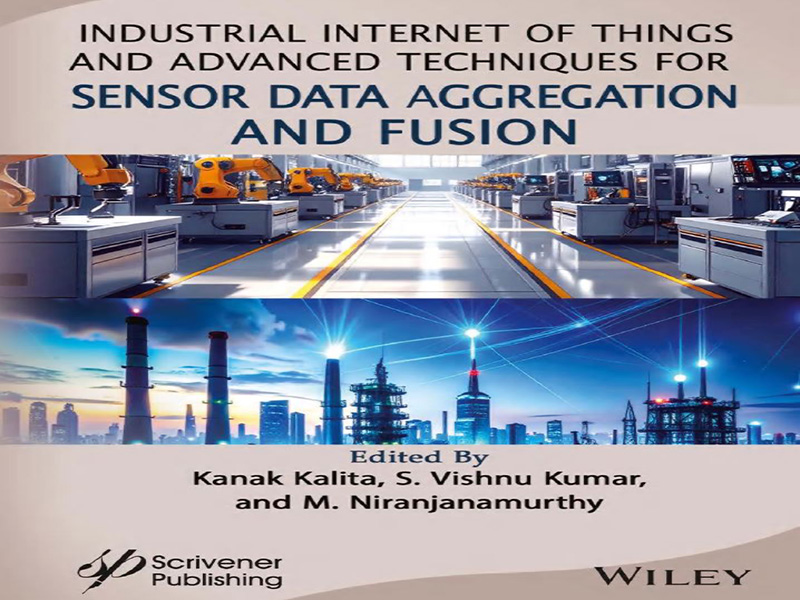
- عنوان کتاب: Industrial Internet of Things and Advanced Techniques for Sensor Data
- نویسنده: Kanak Kalita, S. Vishnu Kumar
- حوزه: اینترنت اشیاء صنعتی
- سال انتشار: 2026
- تعداد صفحه: 433
- زبان اصلی: انگلیسی
- نوع فایل: pdf
- حجم فایل: 4.90 مگابایت
ظهور اینترنت اشیا صنعتی (IIoT) چشمانداز فناوری مدرن را از نو تعریف کرده و با ترکیب اتصال، تجزیه و تحلیل و محاسبات پیشرفته، صنایع را با قابلیتهای بیسابقهای توانمند ساخته است. این تغییر الگو، پیشرفتهای چشمگیری را در تجمیع دادهها، ادغام حسگرها و سیستمهای تصمیمگیری هوشمند به ارمغان میآورد. در هسته IIoT، توانایی ادغام یکپارچه سختافزار، نرمافزار و نبوغ انسانی برای پیشبرد نوآوریهایی که چالشهای پیچیده را در بخشهای مختلف برطرف میکنند، نهفته است. این کتاب، «اینترنت اشیا صنعتی و تکنیکهای پیشرفته برای تجمیع و ادغام دادههای حسگر»، گواهی بر تلاشهای جمعی محققان و متخصصان برجستهای است که تخصص خود را برای آشکار کردن پیچیدگیهای کاربردهای IIoT به کار گرفتهاند. این کتاب با پوشش طیف گستردهای از موضوعات، از چارچوبهای بنیادی گرفته تا پیادهسازیهای دنیای واقعی، دیدگاهی جامع از پیشرفتهای پیشرفته در این زمینه ارائه میدهد. برای اطمینان از انسجام موضوعی و عمق، این کتاب در چهار بخش سازماندهی شده است: بخش اول: مبانی و چارچوبها در اینترنت اشیا و تجمیع دادهها بخش آغازین، زمینه را برای درک اصول اصلی اینترنت اشیا و تجمیع دادهها فراهم میکند. این بخش با بحثی در مورد افزایش حریم خصوصی و کارایی در تجزیه و تحلیل کسبوکار مبتنی بر اینترنت اشیا از طریق مدلهای احتمالی مبتنی بر بلاکچین آغاز میشود. فصل اول نشان میدهد که چگونه ویژگیهای اینترنت اشیا، همراه با تکنیکهای رمزنگاری مانند SHA256، شفافیت، دقت و مدیریت ایمن دادهها را در پروژههای مشترک تضمین میکنند. فصل دوم، معماری ابر ترکیبی را برای پشتیبانی از حذف دادههای مجاز در محیطهای اینترنت اشیا بررسی میکند. ادغام دستگاههای اینترنت اشیا که حجم زیادی از دادهها را تولید میکنند، اهمیت راهحلهای ذخیرهسازی کارآمد را برجسته کرده است. این فصل به چالشهای مقیاسپذیری، یکپارچگی دادهها و حریم خصوصی میپردازد و در عین حال بینشهایی در مورد نقش حذف دادههای تکراری در مدیریت ذخیرهسازی ابری ارائه میدهد. فصل سوم بر طراحی و تحلیل آنتن پچ میکرواستریپ چندبانده برای کاربردهای اینترنت اشیا تمرکز دارد. استفاده از نرمافزار HFSS برای بهینهسازی و تطبیقپذیری آنتن در عملکرد در باندهای فرکانسی متعدد، اهمیت آن را برای ارتباطات بیسیم از راه دور برجسته میکند. از دیگر مطالب این بخش میتوان به مطالعهای (فصل ۴) در مورد طراحیهای ضربکننده هیبریدی برای فیلترهای FIR اشاره کرد که بر کاهش مصرف برق و افزایش سرعت محاسبات تأکید دارد. فصل پنجم، مقایسه کنترلکنندههای شارژ گوشیهای هوشمند با استفاده از آردوینو مگا و رزبری پای را ارائه میدهد و نوآوریهای طراحی عملی برای الکترونیک با بهرهوری انرژی را نشان میدهد. در نهایت، مطالعهای (فصل ۶) در مورد یادگیری انتقال سبک با استفاده از مدلهای پیشرفته یادگیری عمیق نشان میدهد که چگونه سیستمهای مبتنی بر اینترنت اشیا وظایف پردازش تصویر را بهبود میبخشند و پیشرفتهای نظری را با کاربردهای ملموس پیوند میدهند. بخش دوم: اینترنت اشیا در شهرهای هوشمند و زیرساختها نقش اینترنت اشیا در شکلدهی به شهرهای هوشمند در بخش دوم این کتاب بررسی شده است و پتانسیل آن را برای پرداختن به چالشهای شهری برجسته میکند. این بخش با فصلی (فصل ۷) در مورد تشخیص و محلیسازی کارآمد ترافیک در شبکههای ۵G با استفاده از خوشههای موقت پویای بهبود یافته توسط اینترنت اشیا آغاز میشود. این فصل به تفصیل توضیح میدهد که چگونه دستگاههای اینترنت اشیا مجهز به حسگرها، انتقال داده در زمان واقعی، محاسبات لبه و تصمیمگیری غیرمتمرکز را برای مدیریت مؤثر ترافیک امکانپذیر میکنند. در ادامه، یک سیستم مدیریت پارکینگ هوشمند با استفاده از فناوری اینترنت اشیا و RFID معرفی میشود (فصل ۸). این سیستم از حسگرهای مادون قرمز و کنترل نور پویا برای بهینهسازی زیرساخت پارکینگ شهری استفاده میکند و یک راهحل نوآورانه برای کاهش ازدحام در مناطق پرجمعیت ارائه میدهد. ایمنی حیوانات در شهرهای هوشمند یکی دیگر از موضوعات مهم مورد بحث از طریق یک سیستم تشخیص شیء مبتنی بر CNN یکپارچه با IoT است (فصل 9). با استفاده از فناوری سبز، این سیستم به دقت بالایی در شناسایی و مکانیابی اشیاء مورد نظر دست مییابد و بر تأثیر اجتماعی کاربردهای IoT تأکید میکند. فصل 10 در مورد تشخیص بارکد و فصل 11 در مورد جریمه خودکار برای متخلفان راهنمایی و رانندگی، بحث را به اتوماسیون و نظارت گسترش میدهد. این فصلها نشان میدهند که چگونه IoT و فناوریهای یادگیری عمیق، عملیات را در شهرهای هوشمند ساده میکنند و محیطهای شهری را ایمنتر و کارآمدتر میکنند. این بخش با بینشهایی در مورد استفاده از YOLOv3 برای تشخیص شیء مبتنی بر IoT در مراکز داده به پایان میرسد و بر نظارت در زمان واقعی، امنیت افزایش یافته و قابلیت اطمینان سیستم تأکید میکند (فصل 12). یک فصل جداگانه (فصل 13) در مورد تشخیص ماسک صورت برای امنیت عمومی، اهمیت IoT را در پرداختن به نگرانیهای بهداشت عمومی معاصر، به ویژه در طول همهگیریها، برجسته میکند. بخش سوم: کاربردهای صنعتی و نگهداری و تعمیرات پیشبینانه این بخش به بررسی ادغام اینترنت اشیا در محیطهای صنعتی میپردازد و بر نگهداری و تعمیرات پیشبینانه، بهرهوری عملیاتی و بهینهسازی منابع تمرکز دارد. نگهداری و تعمیرات پیشبینانه، که سنگ بنای اینترنت اشیا صنعتی است، از طریق کاربرد CNN و … بررسی میشود.
The rise of the industrial Internet of Things (IIoT) has redefined the landscape of modern technology, blending connectivity, analytics, and advanced computing to empower industries with unprecedented capabilities. This paradigm shift brings about significant advancements in data aggregation, sensor fusion, and intelligent decision-making systems. At the core of IIoT lies the ability to seamlessly integrate hardware, software, and human ingenuity to drive innovations that address complex challenges across diverse sectors. This book, Industrial Internet of Things and Advanced Techniques for Sensor Data Aggregation and Fusion, is a testament to the collective efforts of leading researchers and practitioners who have contributed their expertise to unravel the intricacies of IIoT applications. By covering a wide spectrum of topics, ranging from foundational frameworks to real-world implementations, this book provides a comprehensive view of the state-ofthe- art advancements in the field. To ensure thematic coherence and depth, the book is organized into four parts: Part I: Foundations and Frameworks in IoT and Data Aggregation The opening section lays the groundwork for understanding the core principles of IoT and data aggregation. It begins with a discussion on enhancing privacy and efficiency in IoT-enabled business analytics through blockchain- based contingency models. The first chapter illustrates how IoT features, coupled with cryptographic techniques such as SHA256, ensure transparency, accuracy, and secure data handling in collaborative projects. The second chapter explores hybrid cloud architecture for supporting authorized data deduplication in IoT environments. The integration of IoT devices generating vast amounts of data has highlighted the importance of efficient storage solutions. This chapter addresses scalability, data integrity, and privacy challenges while providing insights into the role of deduplication in managing cloud storage. The third chapter focuses on the design and analysis of a multiband microstrip patch antenna for IoT applications. The use of HFSS software for optimization and the antenna’s versatility in operating across multiple frequency bands highlight its importance for long-distance wireless communication. Further contributions in this section include a study (Chapter 4) on hybrid multiplier designs for FIR filters, emphasizing reduced power consumption and enhanced computational speed. The fifth chapter presents the comparison of smartphone charging controllers using Arduino Mega and Raspberry Pi and illustrates practical design innovations for energy-efficient electronics. Finally, a study (Chapter 6) on style transfer learning using advanced deep learning models demonstrates how IoT-enabled systems enhance image processing tasks, bridging theoretical advancements with tangible applications. Part II: IoT in Smart Cities and Infrastructure IoT’s role in shaping smart cities is explored in the second part of this book, highlighting its potential to address urban challenges. The section opens with a chapter (Chapter 7) on efficient traffic detection and localization in 5G networks using IoT-enhanced dynamic ad hoc clusters. It details how IoT devices equipped with sensors enable real-time data transmission, edge computing, and decentralized decision-making for effective traffic management. Next, a smart parking management system using IoT and RFID technology is introduced (Chapter 8). This system leverages infrared sensors and dynamic light control to optimize urban parking infrastructure, offering an innovative solution to reduce congestion in densely populated areas. Animal safety in smart cities is another crucial topic discussed through a CNN-based object detection system integrated with IoT (Chapter 9). By utilizing green technology, this system achieves high accuracy in identifying and localizing objects of interest, emphasizing the societal impact of IoT applications. Chapter 10 on barcode detection and Chapter 11 on automatic ticketing for traffic violators extend the discussion to include automation and surveillance. These chapters illustrate how IoT and deep learning technologies streamline operations in smart cities, making urban environments safer and more efficient. The section concludes with insights into the use of YOLOv3 for IoTbased object detection in data centers, highlighting real-time monitoring, enhanced security, and system reliability (Chapter 12). A separate chapter (Chapter 13) on face mask detection for public safety underscores the relevance of IoT in addressing contemporary public health concerns, particularly during pandemics. Part III: Industrial Applications and Predictive Maintenance This section delves into the integration of IoT in industrial settings, focusing on predictive maintenance, operational efficiency, and resource optimization. Predictive maintenance, a cornerstone of industrial IoT, is explored through the application of CNN and random forest models. Chapter 14 demonstrates how IoT-enabled systems process sensor data to detect faults in machinery, ensuring reliability and efficiency. Flight delay analysis is another significant industrial application discussed in this section. By using advanced techniques such as XGBoost and K-NN, the chapters highlight the role of IoT in optimizing airline operations, predicting delays, and enhancing passenger experiences (Chapters 15 and 16). Server traffic load analysis using thermal imaging and wavelet transform techniques is introduced as a novel approach to managing industrial data centers. These studies compare discrete wavelet analysis with stationary wavelets, providing actionable insights into diagnosing server issues with high precision (Chapters 17 and 18). Part IV: Health, Safety, and Security Applications The final part of the book addresses IoT applications in health, safety, and security, reflecting its impact on human well-being. Disease diagnosis using AI and IoT-enabled chatbots is presented as a paradigm shift in healthcare. The integration of natural language processing and machine learning models in diagnosing diseases offers a glimpse into the future of personalized medicine (Chapter 19). Employee churn prediction using IoT-enabled machine learning models addresses challenges in workforce management. Chapter 20 introduces advanced algorithms for attrition prediction, demonstrating the strategic value of IoT in human resource optimization. Chapter 21 talks about the use of data mining technology to enhance blood transfusion systems. The detection of deepfake images and videos using IoT-integrated systems highlights the role of advanced deep learning models in safeguarding digital content (Chapter 22). Similarly, novel approaches to iris recognition and automated ticketing systems illustrate IoT’s contributions to enhancing security and law enforcement (Chapter 23). The section concludes with an exploration of privacy-preserving educational systems enabled by IoT (Chapter 24). By leveraging federated learning and natural language processing chatbots, the chapter presents innovative solutions for personalized learning in a data-driven world. Subsequently, the final chapter (Chapter 25) extends the scope of intelligent systems to the agricultural domain, where YOLO-powered drones and cloud-based analytics are harnessed for real-time weed density mapping under the Agri 4.0 paradigm. This book serves as a vital resource for researchers, engineers, and professionals seeking to harness the potential of IIoT in their respective domains. Each chapter not only provides theoretical insights but also emphasizes practical applications, fostering a balanced understanding of concepts and implementations. We hope that the diverse range of topics inspires readers to explore innovative avenues in IoT and sensor fusion. We extend our heartfelt gratitude to the authors for their invaluable contributions, the reviewers for their meticulous feedback, and the publishers for their unwavering support. This collaborative endeavor would not have been possible without their dedication and expertise.
این کتاب را میتوانید از لینک زیر بصورت رایگان دانلود کنید:
Download: Industrial Internet of Things and Advanced Techniques for Sensor Data
























نظرات کاربران