












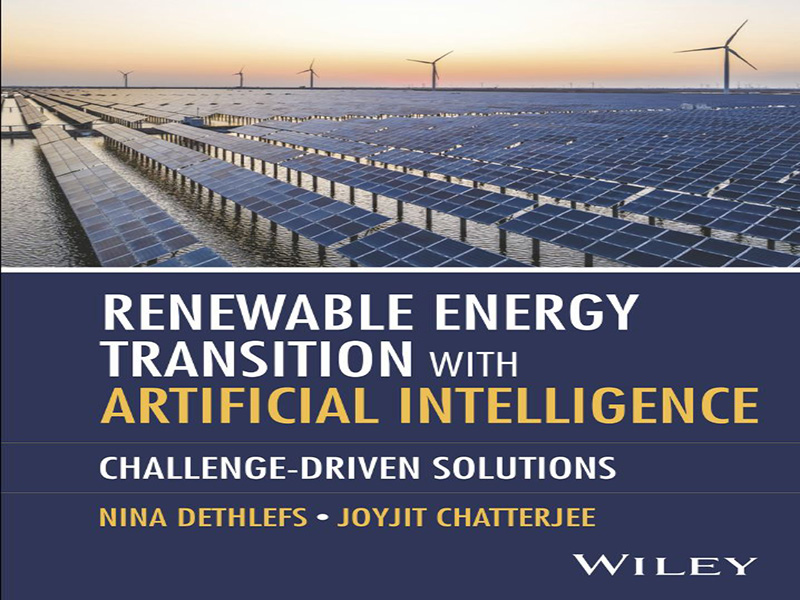
- عنوان کتاب: Renewable Energy -Transition with Artificial Intelligence Challenge-Driven Solutions
- نویسنده: Nina Dethlefs, Joyjit Chatterjee
- حوزه: انرژی تجدیدپذیر
- سال انتشار: 2026
- تعداد صفحه: 275
- زبان اصلی: انگلیسی
- نوع فایل: pdf
- حجم فایل: 6.57 مگابایت
گرمایش جهانی و اثرات فزاینده تغییرات اقلیمی یکی از مهمترین چالشهای زمان ما هستند. پذیرش انرژیهای تجدیدپذیر به شیوهای پاک، مقیاسپذیر و مقرونبهصرفه، کلید گذار به صفر در سطح جهانی است، علاوه بر اینکه نقشی محوری در بسیاری از دستور کارهای ملی در سراسر جهان ایفا میکند. در عین حال، در سالهای اخیر شاهد انقلابی در هوش مصنوعی (AI) بودهایم که توسط مدلهای هوش مصنوعی مولد که با عملکرد انسان در حوزههای مختلف مطابقت دارند، تقویت میشود و این امر ناشی از پیشرفت در یادگیری ماشین (ML) و اغلب شبکههای حسگر اینترنت اشیا (IoT) است. به طور مشابه، انتظار میرود که هوش مصنوعی بتواند نقش مهمی در مقیاسبندی و بهینهسازی سیستمهای انرژی تجدیدپذیر، افزایش قابلیتهای پیشبینی، پشتیبانی از تصمیمگیریها در عملیات و نگهداری (O&M)، امکان نظارت هوشمند بر سلامت سازهها و تسریع استقرار در مقیاس بزرگ ایفا کند. این کتاب در نقطه تلاقی این دو موضوع مهم قرار دارد: تغییر جهانی به سمت انرژیهای تجدیدپذیر و قابلیتهای در حال تکامل هوش مصنوعی. تمرکز اصلی ما بر نمایش چگونگی تبدیل موفقیتآمیز تحقیقات هوش مصنوعی، که اغلب در محیطهای دانشگاهی توسعه مییابند، به کاربردهای دنیای واقعی در بخش انرژیهای تجدیدپذیر است. ما مطالعات موردی از همکاریهای موفق بین دانشگاه و صنعت یا بخش دولتی ارائه میدهیم و به طور خاص بر چگونگی غلبه بر موانع نوآوری تمرکز میکنیم و تبادل و انتقال دانش مؤثر را امکانپذیر میسازیم. در حالی که اکثر مطالعات موردی حول محور انرژی بادی و خورشیدی فراساحلی متمرکز هستند، ما همچنین دیدگاههایی در مورد ارزیابی چرخه عمر، موانع اجتماعی-اقتصادی برای پذیرش و نیازهای آموزشی برای نیروی کار رو به رشد انرژیهای تجدیدپذیر را در آن گنجاندهایم. این کتاب از محدوده کارگاهی با عنوان «تسهیل گذار به انرژیهای تجدیدپذیر» که در سال 2022 در ICLR برگزار شد (به https://iclr.cc/virtual/2022/social/8733 مراجعه کنید) تهیه شده است که رهبران دانشگاه، صنعت و سازمانهای بخش دولتی را برای شناسایی تنگناها و مسیرهای ادغام مؤثر هوش مصنوعی در انرژیهای تجدیدپذیر گرد هم آورد. یکی از نکات کلیدی این رویداد که اساس بخش عمدهای از این کتاب را تشکیل داده است، این است که شکاف قابل توجهی بین تحقیقات پیشرفته هوش مصنوعی و استقرار آن در عمل صنعتی وجود دارد. در حالی که ما نتایج اولیه را در مقاله کوتاهی در Patterns خلاصه کردیم، این جلد ویرایش شده قصد دارد فراتر از برجسته کردن چالشها و ارائه راهحلها نگاه کند. یکی از دلایل اصلی این شکاف، فقدان شفافیت مرتبط با معماریهای پیشرفته شبکه عصبی است. اگرچه مدلهای یادگیری عمیق پیشرو اغلب در پیشبینیهای خود بسیار دقیق هستند، اما همچنان مانند جعبههای سیاه عمل میکنند که منجر به عدم تمایل ذینفعان برای پذیرش آنها در محیطهای حساس به ایمنی یا نظارتی میشود. تنگنای دوم، فقدان مجموعه دادههای باکیفیت است که به صورت آزاد برای تحقیقات دانشگاهی در دسترس باشند و باعث کمبود نمونههای اولیه با TRL بالا، معیارهای عملکرد و استانداردهای توافق شده میشود. این مسائل در سایتهای انرژی تجدیدپذیر جدیدتر یا از نظر جغرافیایی دورافتاده، که جمعآوری دادهها از نظر لجستیکی دشوار و اغلب پرهزینه است، تشدید میشوند. هدف این کتاب فراتر رفتن از برجسته کردن این چالشها و کمک به ایجاد یک نقشه راه برای غلبه بر آنهاست. ما داستانهای موفقیتآمیزی از چگونگی رفع موانعی مانند ابهام مدل، کمبود دادهها یا عدم اعتماد به ابزارهای دانشگاهی از طریق همکاری، شفافیت و اشتراک دانش ارائه میدهیم. هر مطالعه موردی به گونهای طراحی شده است که قابل انتقال باشد و نه تنها بینشهایی در مورد آنچه انجام شده است، بلکه چگونگی و چرایی عملکرد آن و نحوه استفاده از روشهای مشابه در سایر محیطها را ارائه میدهد. فصلهای این جلد به دو دسته کلی تقسیم میشوند. ابتدا، گزارشهای مفصلی از همکاریهای موفق بین دانشگاه و صنعت یا ذینفعان بخش سوم ارائه میدهیم. این فصلها به بررسی وضعیت تحقیقات قبل از همکاری، روشهای اتخاذ شده برای پرداختن به یک چالش مشترک و نتایج و تأثیرات حاصل از آن میپردازند. ما بر برجسته کردن جنبههایی که همکاری را موفق کرده و مسیرهای انتقال را مورد بحث قرار میدهیم. دوم، ما مقالات آیندهنگر را ارائه میدهیم که روشهای جدید و نویدبخش هوش مصنوعی را بررسی میکنند. این فصلها بر نیاز به سیستمهای هوش مصنوعی که نه تنها عملکرد بالایی دارند، بلکه ایمن، قابل اعتماد، شفاف و قابل اعتماد نیز هستند، تأکید میکنند، که ما آنها را به عنوان الزامات اصلی برای پذیرش عملی میبینیم. در اینجا، ما جنبههایی مانند هوش مصنوعی قابل توضیح، الگوریتمهای چندوجهی، امنیت سایبری و سایر پیشرفتهای اخیر را که نویدبخش پذیرش بیشتر در دنیای واقعی هستند، بررسی میکنیم. امیدواریم که این کتاب نه تنها به عنوان یک منبع، بلکه به عنوان یک کاتالیزور، الهامبخش محققان، مهندسان، سیاستگذاران و رهبران کسبوکار باشد تا گرد هم آیند و مرزهای تحقیق و فناوری در انرژیهای تجدیدپذیر را که توسط حوزه رو به رشد هوش مصنوعی امکانپذیر شده است، جابجا کنند. با پر کردن شکاف بین تحقیق و عمل، یک قدم به آیندهای پایدار در زمینه انرژی نزدیکتر میشویم – که هم توسط فناوریهای پاک و هم توسط سیستمهای هوشمند پشتیبانی میشود.
Global warming and the increasing effects of climate change are one of the most pressing challenges of our time. The adoption of renewable energy in a clean, scalable and cost-effective manner is key to a net zero transition globally, besides playing a pivotal role in many national agendas around the world. At the same time, we have seen a revolution in artificial intelligence (AI) in recent years, powered by generative AI models that match human performance in multiple domains, driven by advances in machine learning (ML) and often Internet of Things (IoT) sensor networks. Similarly, it is expected that AI can play a crucial role in scaling and optimizing renewable energy systems, enhancing predictive capabilities, supporting decisions in Operations & Maintenance (O&M), enabling smart structural health monitoring and accelerating deployment at scale. This book sits at the intersection of these two pressing themes: the global shift towards renewable energy and the evolving capabilities of AI. Our primary focus is on showcasing how AI research, often developed in academic settings, can be successfully translated into real-world applications in the renewable energy sector. We present case studies of successful collaborations between academia and industry, or the public sector, and focus specifically on how barriers to innovation can be overcome, enabling impactful knowledge exchange and transfer. While most case studies are centered around offshore wind and solar energy, we also incorporate perspectives on life cycle assessment, socioeconomic barriers to adoption and training needs for a growing renewables workforce. This book was developed from the scope of a workshop on “Facilitating the Renewables Transition” held at ICLR in 2022 (see https://iclr.cc/virtual/2022/ social/8733), which brought together leaders from academia, industry, and public sector organizations to identify bottlenecks and pathways for the effective integration of AI in renewable energy. One of the key takeaways from the event, which has formed the basis for much of this book, is that a considerable gap remains between cutting-edge AI research and its deployment in industrial practice. While we summarized initial results in a short contribution to Patterns, this edited volume aims to look beyond highlighting challenges and offering solutions. A key reason for this gap is the lack of transparency associated with state-ofthe- art neural network architectures. While often highly accurate in their predictions, leading deep learning models still operate as black boxes, which leads to a reluctance by stakeholders to adopt them in safety-critical or regulatory environments. A second bottleneck is the lack of high-quality datasets that are openly available for academic research, which creates a shortage of high-TRL prototypes, performance benchmarks, and agreed standards. These issues are exacerbated in newer or geographically remote renewable energy sites, where data collection is logistically difficult and often costly. This book aims to go beyond highlighting these challenges and contributing to a roadmap to overcoming them. We present success stories of how barriers like model opacity, data scarcity, or lack of trust in academic tools were addressed through collaboration, transparency, and knowledge sharing. Each case study is designed to be transferable, offering not only insights into what was done, but how and why it worked, and how similar methods might be applied in other settings. The chapters in this volume fall into two broad categories. First, we present detailed accounts of successful collaborations between academia and industry or third-sector stakeholders. These chapters discuss the state of research prior to collaboration, the methodologies adopted to address a shared challenge, and the resulting outcomes and impacts. We focus on bringing out the aspects that made the collaboration successful and discuss pathways to transfer. Second, we feature forward-looking contributions that explore promising new AI methodologies. These chapters emphasize the need for AI systems that are not only high-performing but also safe, reliable, transparent, and trustworthy, which we see as core requirements for practical adoption. Here, we explore aspects like explainable AI, multimodal algorithms, cybersecurity, and other recent advances that hold promise for greater real-world adoption. We hope that this book will serve not only as a resource but also as a catalyst, inspiring researchers, engineers, policymakers, and business leaders to come together and push the boundaries of research and technology in renewable energy, enabled by the ever-growing field of AI. By bridging the divide between research and practice, we move one step closer to a sustainable energy future—powered by both clean technologies and intelligent systems.
این کتاب را میتوانید از لینک زیر بصورت رایگان دانلود کنید:
Download: Renewable Energy























نظرات کاربران